




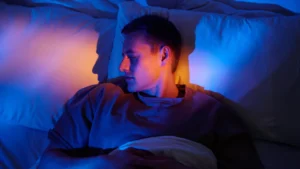


For centuries, the rhythm of human life was tethered to the rising and setting of the sun. However, the advent of the electric lightbulb and the subsequent explosion of urban light pollution have fundamentally severed this ancient biological connection. While we have long understood the impact of light on sleep quality and circadian rhythms, a groundbreaking new study has revealed a more alarming consequence: our nocturnal environment may be physically altering the structure and function of our hearts.
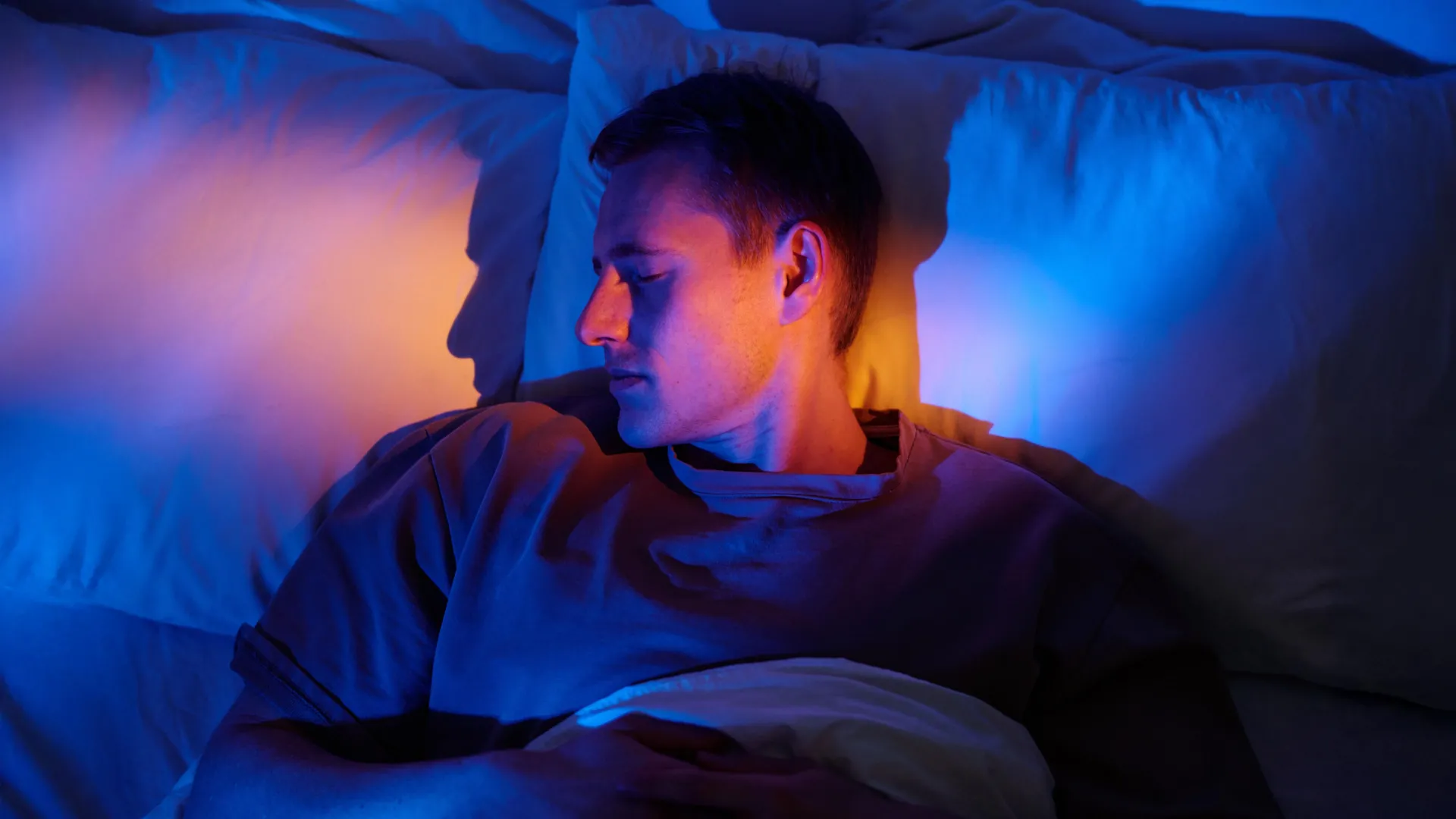
A study published on September 9 in the European Heart Journal suggests that chronic exposure to even moderate levels of light while sleeping is associated with significant, potentially harmful changes in the heart. This research, which tracked over 11,000 individuals, provides the first clinical evidence that our modern, brightly lit nights are doing more than just keeping us awake—they are, quite literally, changing the shape of our hearts.
The Genesis of the Research: Beyond Observational Trends
The research team, led by Professor Lu Qi of Tulane University in New Orleans, set out to bridge a critical gap in cardiovascular medicine. While previous observational studies had established a correlation between nighttime light exposure and an increased risk of cardiovascular disease, the specific physiological mechanisms—the "how" and the "why"—remained largely a mystery.
"Previous observational studies have linked nighttime light exposure with a higher risk of cardiovascular disease, but little is known about the related cardiac structure and functional changes," Professor Qi explained. "We carried out this research to find out what happens to the heart over time when people are exposed to too much light at nighttime."
The study design was robust, utilizing data from the UK Biobank, a large-scale biomedical database. By analyzing 11,071 participants, the researchers were able to move beyond anecdotal reports and look for objective, measurable changes in cardiac anatomy.
Chronology of the Investigation
The methodology of the study was structured to provide a clear longitudinal view of the participants’ health. The investigation proceeded in three distinct phases:
Phase 1: Data Collection (The Wrist-Sensor Period)
The study began with 11,071 participants wearing light-sensing devices on their wrists for seven consecutive days. This allowed researchers to capture an accurate, objective record of exactly how much light each participant was exposed to during the sleeping hours, avoiding the inaccuracies often associated with self-reported surveys.
Phase 2: The Three-Year Gap
Following the initial monitoring phase, the study tracked the participants over a three-year period. During this time, the researchers gathered data on lifestyle factors, health outcomes, and environmental variables, ensuring that the final analysis could account for various confounding factors such as age, BMI, and pre-existing medical conditions.
Phase 3: Cardiac MRI Scans
Three years after the initial light-exposure monitoring, the participants underwent sophisticated cardiac MRI scans. These images provided a high-resolution, three-dimensional look at the heart, allowing clinicians to measure the thickness of the heart walls, the volume of the chambers, and the overall mechanical efficiency of the muscle. By comparing those exposed to light levels above three lux—roughly the amount of light cast by a dim nightlight—to those sleeping in near-total darkness, the patterns began to emerge.
Supporting Data: The Anatomy of a Changing Heart
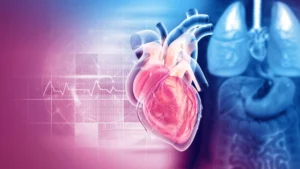
The findings revealed that the impact of nighttime light is not merely theoretical; it is visible in the architecture of the heart. The data showed a distinct, dose-dependent relationship between light exposure and structural changes known as "cardiac remodeling."
Left Ventricular Thickening
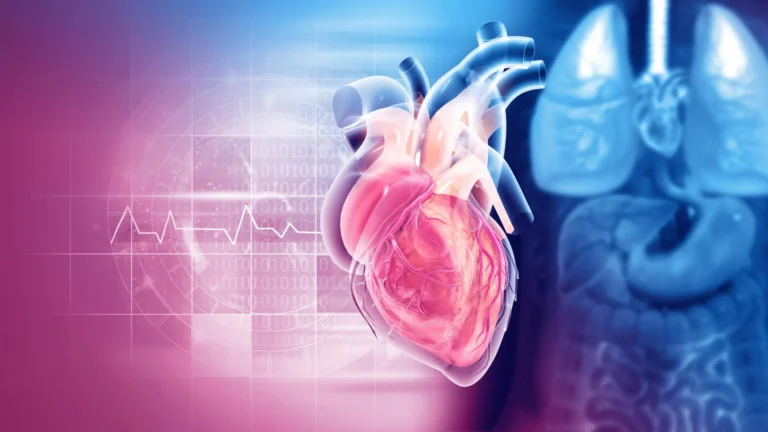
The most significant finding was the thickening of the wall of the left ventricle, the heart’s primary pumping chamber. As the wall becomes thicker, the internal space—the volume of the chamber—is effectively reduced. This is a classic hallmark of chronic stress on the cardiac muscle.
Reduced Flexibility
Beyond structural thickness, the MRI scans demonstrated that the heart muscle’s ability to flex normally during each heartbeat was compromised in those exposed to higher light levels. This loss of flexibility is an early, critical indicator of heart dysfunction. When the heart becomes stiff, it cannot fill or pump blood as efficiently, forcing it to work harder to maintain circulation.
Multi-Chamber Involvement
The study also detected similar, concerning changes in the right ventricles and the left atria. This suggests that the impact of light pollution is systemic, affecting the heart’s overall ability to coordinate the blood flow necessary to sustain the body’s metabolic demands.
Professor Qi characterized these findings as a manifestation of the body’s adaptive response to stress. "This is where the structure and function of the heart changes, and we typically see it in response to chronic stress or injury to the heart," he noted. "It’s our body’s way of adapting to that stress, but ultimately it weakens the heart and can lead to heart failure."
Official Responses and Clinical Implications
The publication of this study has sent ripples through the cardiology community, prompting a re-evaluation of what constitutes a "healthy" environment for heart patients. An editorial accompanying the study, written by Professor Thomas Münzel of the University Medical Center Mainz, Germany, and his colleagues, elevated the urgency of these findings.
Professor Münzel and his team emphasized that darkness should no longer be treated as a luxury or a comfort, but as a "vital sign" essential to cardiovascular health. They argue that the medical community must now integrate the sleep environment into standard clinical practice.
"It is time for clinicians, particularly those managing patients with heart failure or atrial fibrillation, to start asking about the sleep environment," the editorial states. "How dark is the bedroom? Does the patient work night shifts? How much screen use occurs after sunset?"
The editorial team further highlighted the "biologically coherent" nature of the findings. They noted that the connection between satellite-observed light pollution on a planetary scale and the microscopic changes occurring within the human chest is now undeniable. "The dose-response is unambiguous: more light, worse outcomes," they wrote.
Strategies for Mitigation: A Call to Action
One of the most compelling aspects of this study is that the identified risk factor—light exposure—is highly modifiable. Unlike genetic predispositions or certain environmental toxins, the light level in a bedroom is something that can be controlled with simple, inexpensive interventions.
Individual Level Strategies
For the average person, the researchers and editorialists suggest several straightforward adjustments:
- Blackout Curtains: Blocking external street lighting is the first line of defense in creating a biologically appropriate sleep environment.
- Warm-Coloured Lighting: If lighting is necessary, switching to warm-spectrum bulbs reduces the amount of blue-light exposure, which is particularly disruptive to the circadian system.
- Electronic Hygiene: Covering small standby LEDs on televisions, chargers, and other electronics can eliminate the subtle, persistent light sources that often go unnoticed but may contribute to the cumulative stress on the heart.
Public Health and Policy Perspectives
The implications extend beyond the individual bedroom. Professor Münzel’s team argued that light pollution is one of the few environmental hazards that municipal governments can manage both directly and affordably.
"Shielded fixtures, warm-spectrum bulbs, and dimming or motion-activated streetlights are already available, energy-efficient, and climate-friendly," the editorial notes. By treating light pollution as a public health issue rather than a mere annoyance, cities could potentially lower the burden of cardiovascular disease across entire populations.
Conclusion: Darkness as a Vital Sign
The study led by Professor Lu Qi represents a paradigm shift in how we perceive the relationship between our environment and our internal biology. For decades, the focus of cardiovascular health has remained on diet, exercise, and genetics. While these factors remain paramount, this research makes a compelling case for the inclusion of the sleep environment in the hierarchy of health.
As the planet continues to grow brighter, the biological cost of our 24-hour society becomes increasingly clear. Our hearts are not built to exist in a perpetual state of artificial illumination; they require the natural, restorative rhythm of true darkness. By recognizing darkness as a vital sign—as essential to our survival as blood pressure control or clean air—we may find that one of the most effective ways to protect the heart is simply to turn off the lights.