


The post-workout glow is a fleeting sensation. For millions of recreational gym-goers, the real test begins several hours after the final rep, when the "delayed onset muscle soreness" (DOMS) begins to seep into the limbs. What follows is often a multi-day struggle to climb stairs, sit comfortably, or maintain daily productivity.
In response, the wellness industry has exploded. Driven by the curated feeds of influencers and the high-tech habits of elite athletes, everyday exercisers are increasingly turning to a multi-billion-dollar ecosystem of recovery tools. From sub-zero ice baths and high-compression apparel to a dizzying array of supplements, the promise is uniform: faster recovery, less pain, and better performance. However, beneath the polished marketing lies a complex, often contradictory scientific landscape. As it turns out, the path to optimal recovery may be less about purchasing the latest gadget and more about returning to the fundamental pillars of human biology.
The Rise of Elite Recovery Culture
For decades, professional athletes were the primary consumers of high-end recovery protocols. When a professional footballer or an Olympic sprinter uses a cryotherapy chamber, it is part of a calculated, multi-million-dollar investment in their physical longevity.
However, social media has democratized these practices, moving them from high-performance training centers into suburban garages and local gyms. Today, the "recovery economy" is fueled by the desire for efficiency. In a fast-paced world, the idea that one can "hack" the recovery process—short-circuiting the body’s natural repair time—is inherently seductive. Yet, scientific scrutiny suggests that while some of these methods provide a psychological edge or temporary relief, they may not be the biological panacea they are marketed to be.
Chronology of Recovery: Understanding the Biological Toll
To understand why we hurt, one must understand what happens during a workout. Exercise creates microscopic tears in muscle fibers. The body’s response to this trauma is inflammation—a necessary, adaptive process that triggers the immune system to repair the damage and, crucially, rebuild the muscle to be stronger and more resilient than before.
The 24-Hour Window
Most recovery interventions target the immediate 24-to-48-hour window post-exercise. This is the period where subjective feelings of soreness are at their peak.
- 0–6 Hours: Acute metabolic fatigue; the body begins clearing lactate and initiating the inflammatory response.
- 6–24 Hours: The peak of the inflammatory cascade. Muscle fibers are sensitized, leading to the sensation of stiffness.
- 24–72 Hours: The peak of DOMS. The body is in a state of high-intensity repair.
The dilemma for the modern athlete is that many popular recovery techniques are designed to dampen this inflammatory response. By silencing the fire, we may be accidentally sabotaging the building process.
Supporting Data: Examining the Recovery Toolkit
Ice Baths: The Cryotherapy Catch
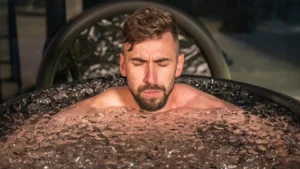
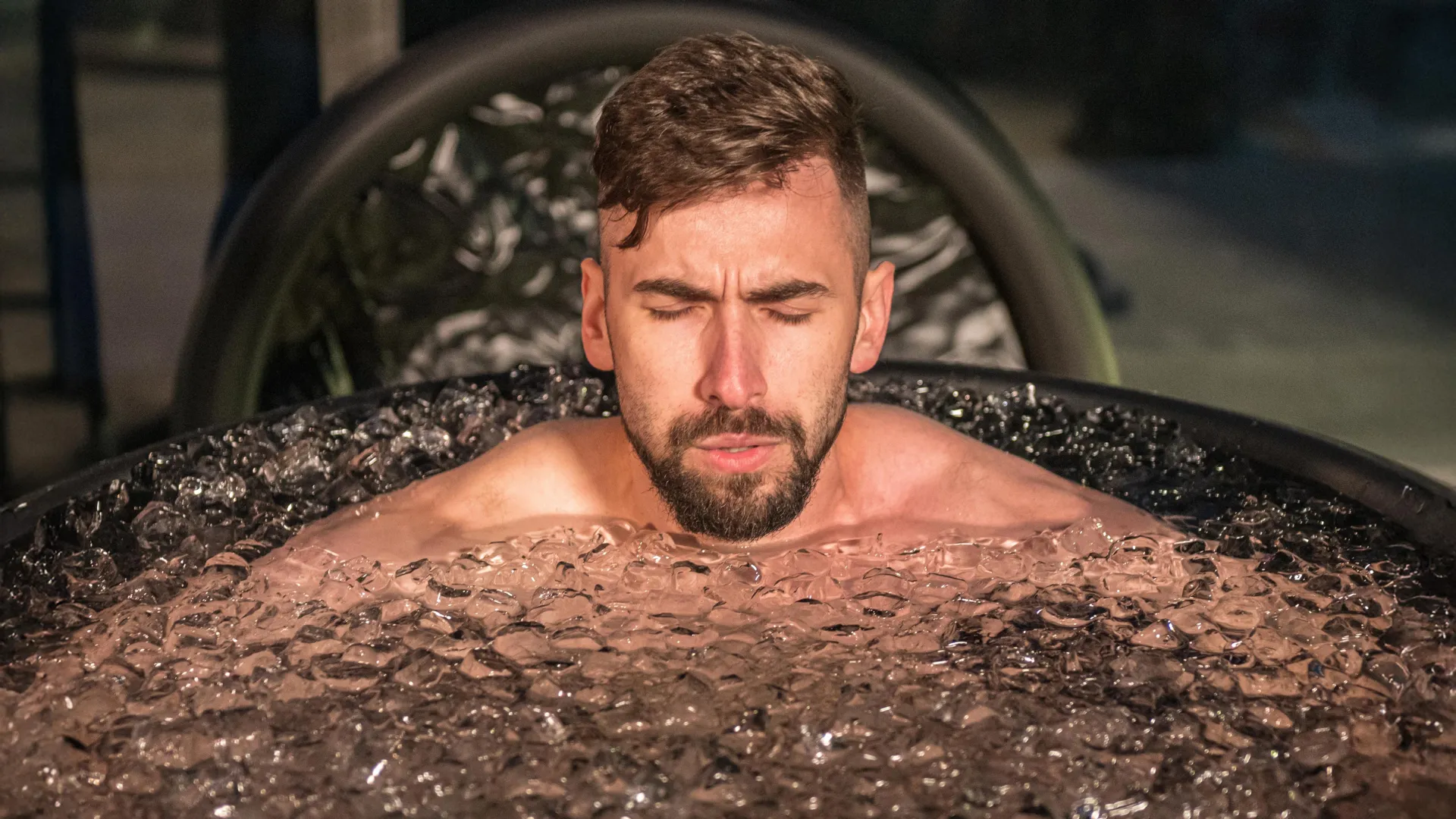
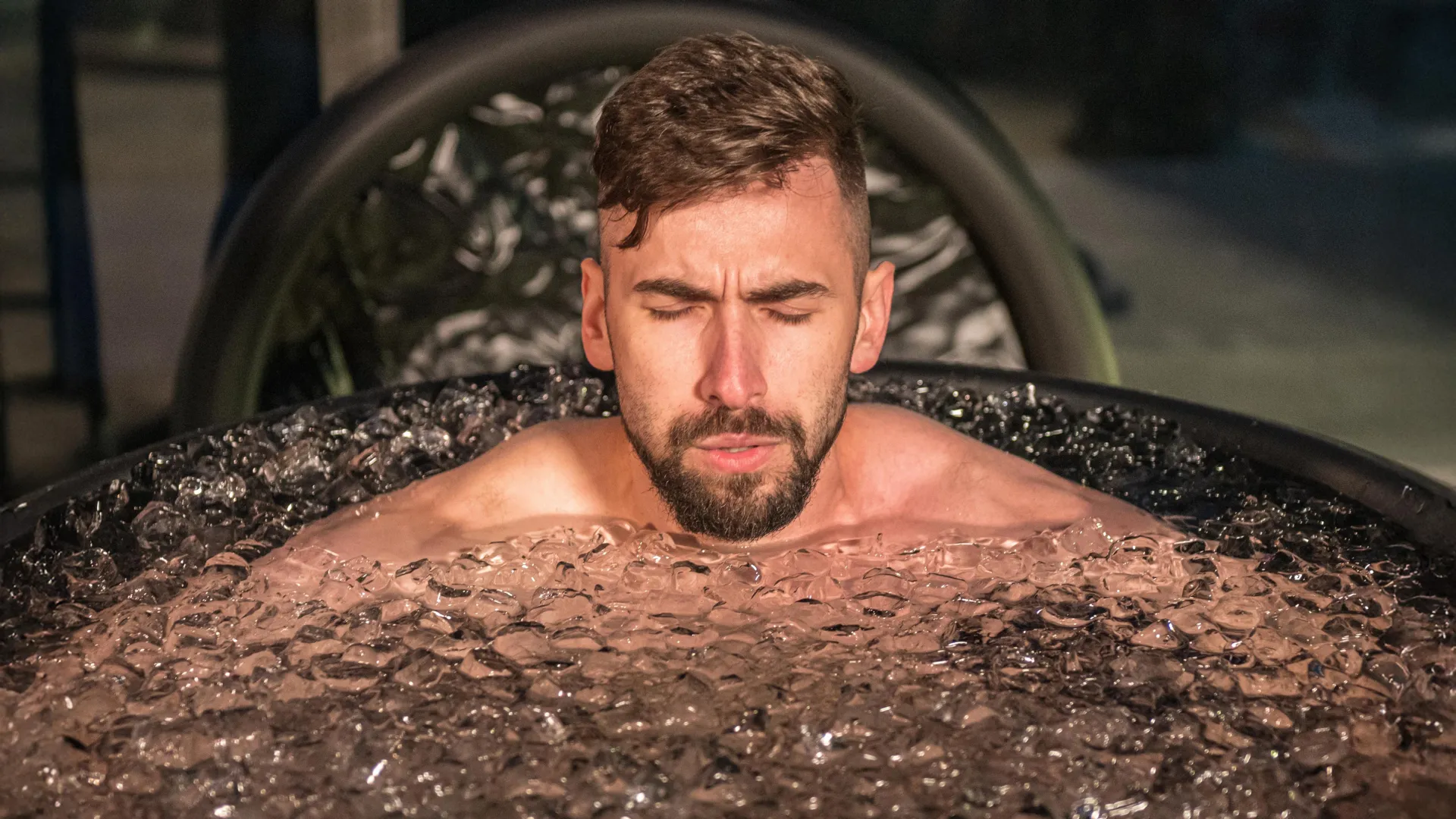
Ice baths have become the gold standard of recovery, yet the data is decidedly mixed. Immersing the body in water below 15°C certainly constricts blood vessels and reduces inflammation, which can effectively dull the sensation of pain.
However, a landmark study published in the Journal of Strength and Conditioning Research highlights the "catch." By suppressing the inflammatory response, cold water immersion may blunt the muscle-building adaptations triggered by resistance training. If an athlete uses ice baths after every single session, they may inadvertently limit the long-term hypertrophy (muscle growth) that their training was intended to stimulate. The consensus? Ice baths are a tool for the tournament athlete who needs to perform again in six hours, not necessarily for the weightlifter aiming for long-term strength gains.
Compression Garments: Perception vs. Physiology
Compression gear—tights, sleeves, and socks—are ubiquitous in the gym. The theory is that external pressure enhances venous return and reduces swelling. A 2022 study published in Nature attempted to separate the placebo effect from physical reality. The researchers found that while compression garments did objectively improve blood flow and circulation, these physiological changes did not necessarily translate to a measurable increase in muscle function or power output. The conclusion? Compression gear may make you feel better, and in sports psychology, feeling recovered is half the battle, but don’t expect them to perform miracles on your cellular repair rate.
Massage: The Gold Standard for Comfort
Massage remains one of the few interventions with consistent, if modest, support. It excels at reducing muscle stiffness and promoting psychological relaxation. While it does not drastically accelerate the repair of muscle fibers, it effectively lowers the "perception of soreness." By improving circulation and reducing the mechanical tension in the fascia, massage provides a valuable tool for psychological and physical comfort, even if it doesn’t fundamentally "speed up" biological recovery.
Official Perspectives: The Supplement Market
The supplement industry is perhaps the most aggressive purveyor of recovery promises. Products like whey protein, BCAAs, and tart cherry juice populate the shelves of every health food store.
Protein and Amino Acids
Scientific consensus is clear on protein: it is the building block of muscle repair. Whey protein, which is rich in leucine, is highly effective at stimulating muscle protein synthesis. However, the obsession with Branch Chain Amino Acids (BCAAs) is often scientifically overstated. Muscles require the full spectrum of essential amino acids to repair effectively. Isolated BCAAs are rarely as effective as a complete protein source, such as chicken, fish, or plant-based proteins like soy. The "supplement" is often an expensive, less efficient alternative to a well-balanced meal.
Tart Cherry and Omega-3s
Emerging research into polyphenols, found in abundance in tart cherry juice, shows promise in reducing oxidative stress and soreness. Similarly, Omega-3 fatty acids are frequently touted for their anti-inflammatory properties. While these can provide small-to-moderate benefits, nutritionists emphasize that these nutrients are best sourced from whole foods—salmon, walnuts, and cherries—rather than synthetic capsules. The synergy of nutrients found in real food provides a level of bioavailability and health benefits that isolated supplements simply cannot replicate.
Implications: Moving Back to the Basics
If the billion-dollar industry of gadgets and powders isn’t the secret to recovery, what is? The scientific literature consistently points to three non-negotiable pillars that outperform any recovery tool currently on the market:
- Sleep: The period during which the human body conducts the vast majority of its repair work. Growth hormone release and tissue regeneration are maximized during deep sleep. No recovery supplement can replace the regenerative power of 7–9 hours of quality rest.
- Nutrition: Adequate caloric intake, specifically the timing of protein consumption, remains the most significant variable in recovery. Maintaining a caloric balance that supports energy expenditure is the foundation upon which all other recovery is built.
- Hydration: Dehydration impairs the body’s ability to transport nutrients to muscles and flush out metabolic waste. It is the simplest, most overlooked aspect of physical recovery.
- Active Recovery: Low-intensity movement—such as walking or light cycling—often outperforms total rest by promoting blood flow without adding further stress to the musculoskeletal system.
Conclusion: Recovery Cannot Be Bottled
The modern obsession with recovery is a symptom of our broader cultural desire for instant results. We want the performance benefits of a grueling workout without the discomfort that follows. However, the biology of the human body is not a machine that can be optimized with a single, expensive purchase.
The evidence is clear: while tools like massage, ice baths, and select supplements have their place, they are minor accessories to a larger, more boring, and more effective process. True recovery is found in the basics—consistent sleep, whole-food nutrition, and patience. In a marketplace that wants to sell you the shortcut, the most radical act for an athlete is to accept the process and trust in the body’s innate, and remarkably efficient, ability to heal itself.