



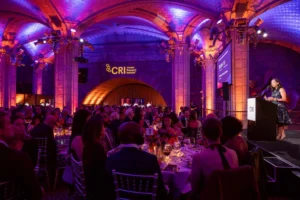


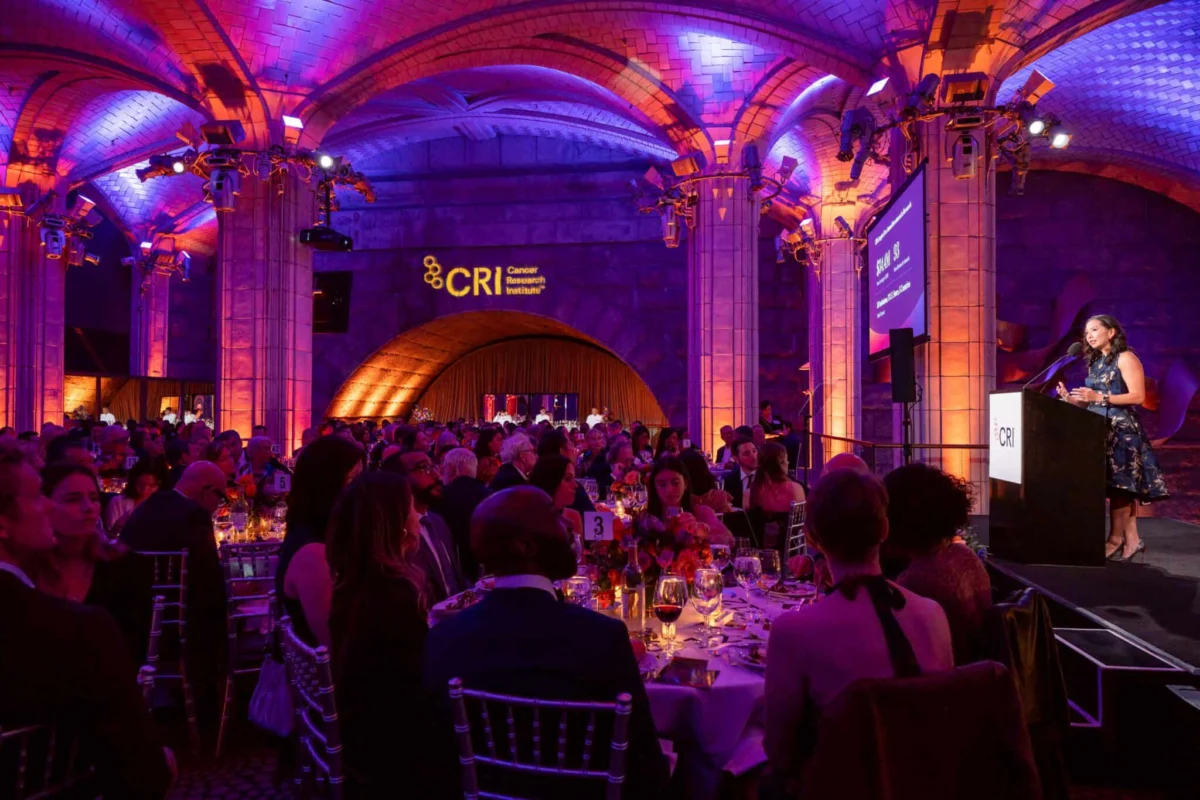
NEW YORK CITY — A groundbreaking medical discovery rarely begins in a clinical setting. It begins as a flicker of curiosity in a laboratory—a singular, probing question that demands the freedom to be explored. On Tuesday, October 20, 2026, the Cancer Research Institute (CRI) gathered the brightest minds in oncology and the most dedicated supporters of medical philanthropy at Guastavino’s in New York City to celebrate the vital link between that early-stage inquiry and the patient-facing cures of tomorrow.
Under the evocative theme "Next is Now," the 2026 CRI Annual Awards Gala served as both a celebration of scientific triumph and a clarion call for the sustained, collaborative investment required to usher in the next generation of cancer immunotherapy. The evening, which raised more than $1.6 million for CRI’s mission, underscored a singular truth: the treatments that save lives today were once considered impossible, and the treatments that will save lives tomorrow are being forged in the labs of today.
A Legacy of Resilience: Remembering Adam Shapiro
The gala was anchored by a deeply personal tribute to the late Adam Shapiro, a former member of the CRI Board of Directors. His wife delivered a poignant reflection on his life, painting a picture of a man defined not just by his professional contributions, but by his humor, his unwavering devotion to his family, and his infectious spirit.
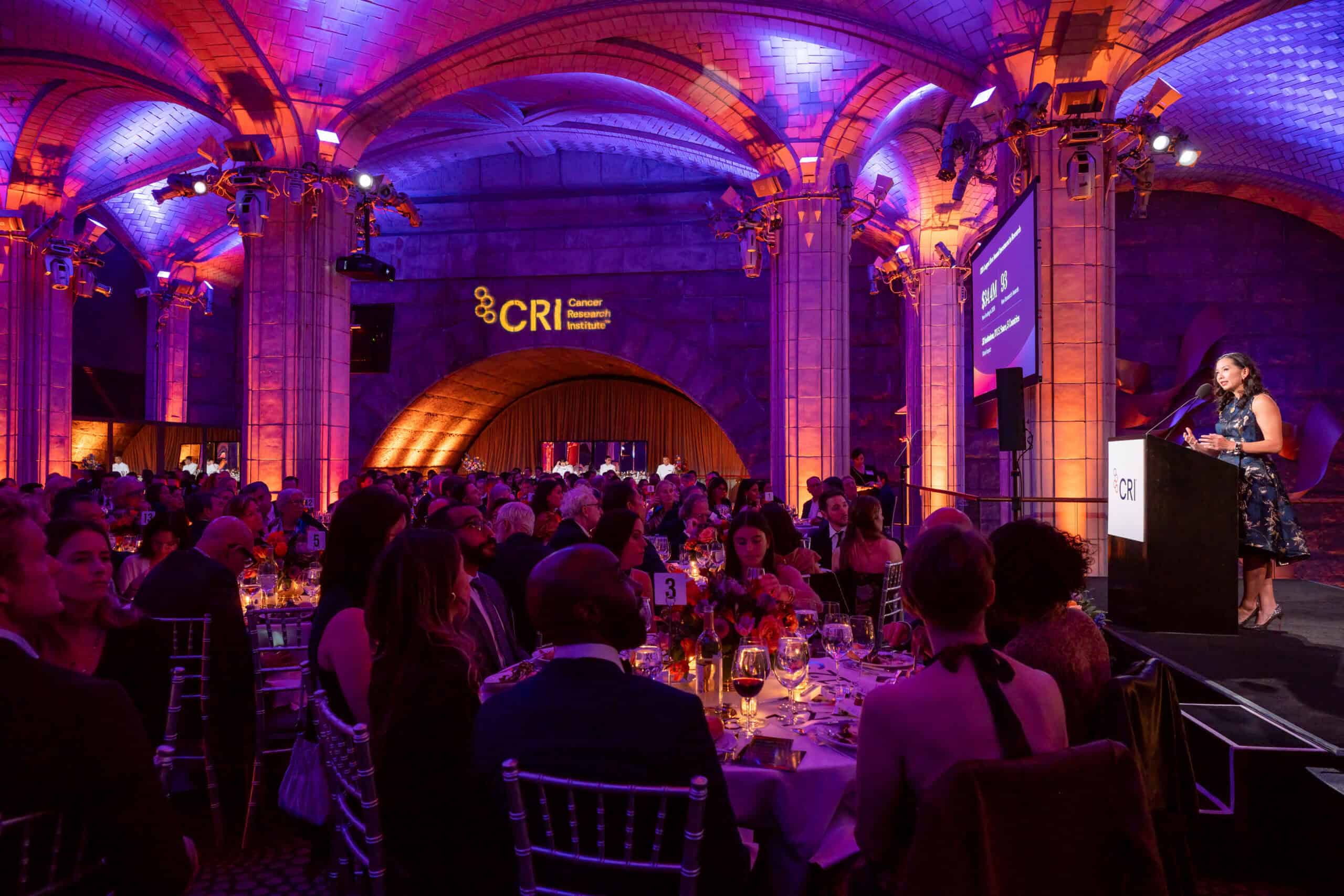
She shared stories of his "entertainingly awful" singing and his dedication as a father to their sons, Arthur and Eli. Yet, her message carried a profound medical weight: she credited the very science that CRI champions—immunotherapy—with granting their family precious, high-quality years following his diagnosis of metastatic cancer.
"There is so much cause for hope, but cancer still kills far too many, far too soon," she noted. Her testimony served as a reminder that every dollar raised and every experiment funded is a race against time for families across the globe. By serving on the board, Shapiro sought to ensure that other families might have the same opportunity for "more time" that he was afforded. The evening’s proceedings were, in many ways, an extension of his legacy, encouraging donors to invest in the research that will ultimately turn the tide against the deadliest forms of the disease.
The "Next is Now" Philosophy: Bridging the Gap
The central theme of the gala, "Next is Now," reflects a pivotal shift in oncology. We are currently witnessing an unprecedented convergence of biology, high-fidelity data analytics, and artificial intelligence. These tools are allowing scientists to map the complex architecture of the immune system with granular precision, opening doors to therapies that were once the stuff of science fiction.
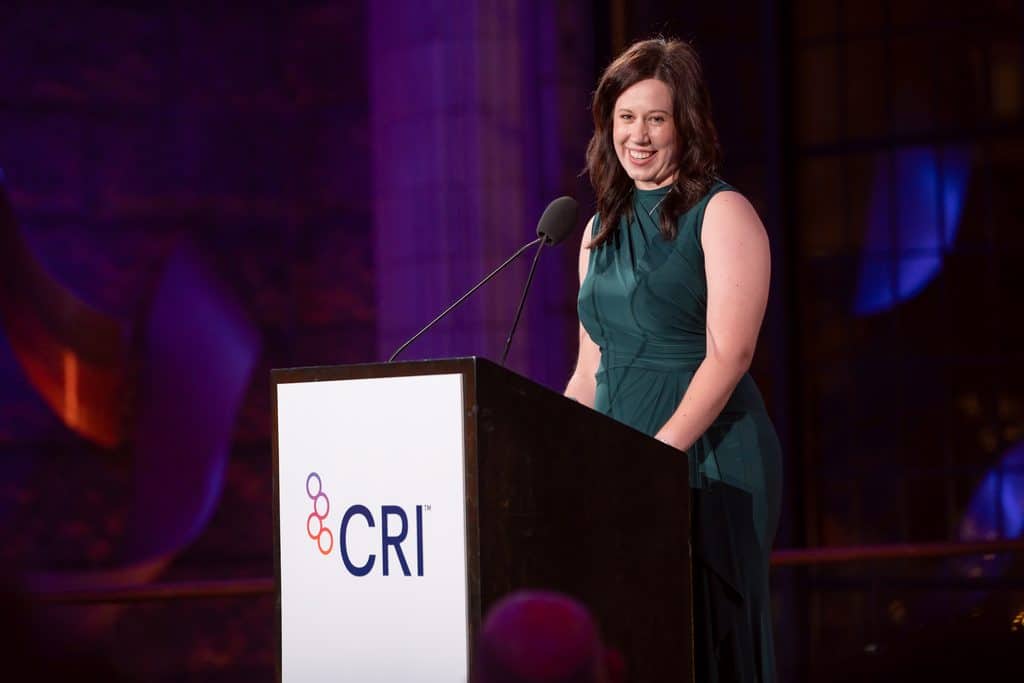
CRI CEO Alicia Zhou, PhD, opened the gala with a sobering yet inspiring assessment of the current landscape. "The challenge now is to turn promising results into treatments that work reliably for more people," Dr. Zhou remarked. "No single laboratory, institution, or discipline can do that alone. An increasingly important part of CRI’s role is to bring scientists together to tackle the questions they can’t answer in isolation."
This collaborative model is the cornerstone of modern immunotherapy. It acknowledges that the path from a basic discovery in a lab to a life-saving clinical treatment is fraught with obstacles, requiring a seamless bridge between academic researchers, venture-backed biotechnology firms, and clinical oncologists.
Honoring Visionary Leadership: The Oliver R. Grace Award
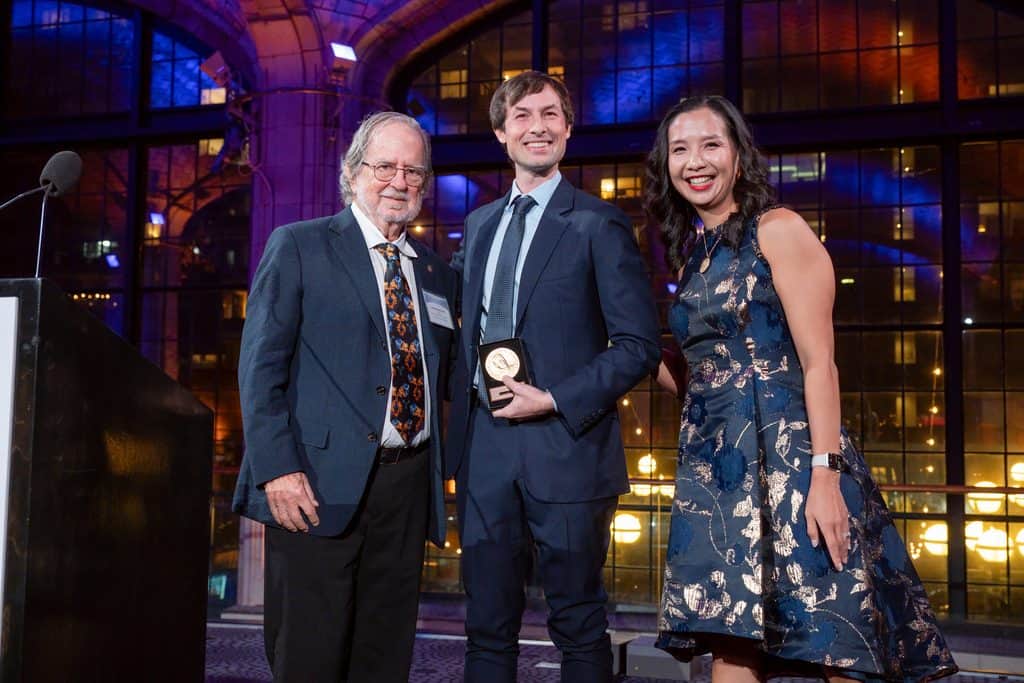
A highlight of the evening was the presentation of the Oliver R. Grace Award for Distinguished Service in Advancing Cancer Research to Reed Jobs. As the founder of Yosemite, an oncology-focused venture firm, Jobs has pioneered a unique hybrid model that marries philanthropy with strategic investment.

This approach is transformative because it provides capital to promising discoveries while they are still in the embryonic "university lab" stage. By de-risking these early-stage ideas, Jobs and his firm are shortening the timeline for clinical proof-of-concept.
"At the core of it, my company has a simple supposition: the cures to cancer have not yet been made, and we need to go out and make them," Jobs said during his acceptance speech. "What’s most important is we try to see the ideas that are by far the most ambitious." His commitment to making cancer a nonlethal condition in our lifetime aligns perfectly with CRI’s mission to fund the "high-risk, high-reward" science that traditional grants often overlook.
The Patient’s Perspective: A "Moonshot" Realized
The clinical reality of this research was humanized by Molly Hones, a cancer survivor who shared her journey from despair to remission. After a rare form of liver cancer metastasized to her lungs, Hones had begun preparing for the end of her life.
Her narrative took a turn when she became eligible for a clinical trial at Johns Hopkins, which tested a cancer vaccine in combination with standard checkpoint immunotherapy. Even as she dealt with the sudden and tragic loss of her husband, Grant, during her treatment, she found the resolve to continue. "When I joined the trial, I thought I was doing it for the person who would come after me," she shared. "Now I understand that people before me had already done that for me."
Today, Hones is two years into complete remission—a testament to the power of immunotherapy. Her story served as the evening’s emotional compass, reminding the audience that their contributions are not merely funding abstract science; they are funding the survival of individuals who have exhausted all other options.
Advancing Basic Immunology: The Coley and Alt Awards
The gala also honored two titans of immunology, recognizing that without foundational research, clinical breakthroughs would be impossible.
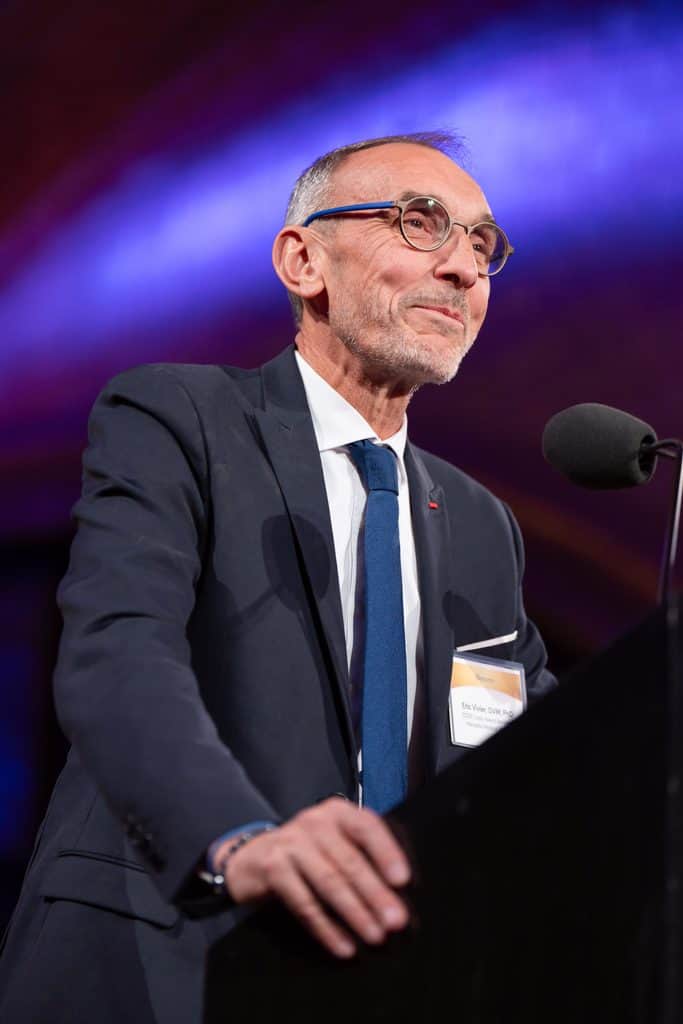
Dr. Eric Vivier: Decoding the Innate Immune System
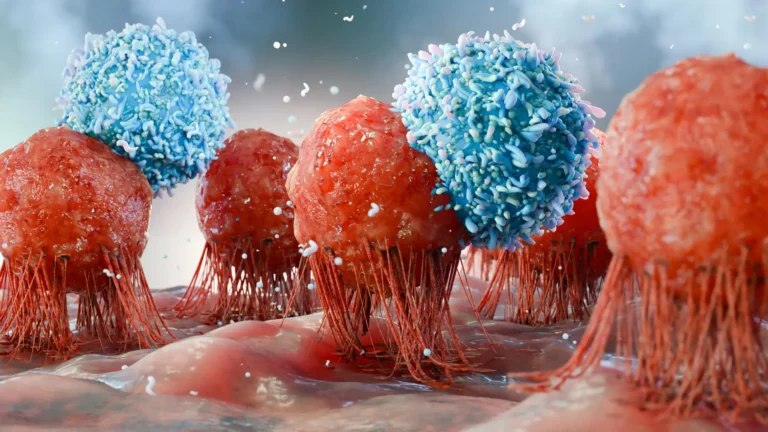
Dr. Eric Vivier, DVM, PhD, was honored with the William B. Coley Award for Distinguished Research in Basic Immunology. As a professor at Marseille Medical School and President of the Paris-Saclay Cancer Center, Dr. Vivier has spent his career demystifying natural killer (NK) cells. His work has provided a blueprint for how these cells identify and neutralize cancer, laying the groundwork for the next generation of innate immune-based therapies.
"Basic research is not the nurture; it is a source of innovation and progress," Dr. Vivier emphasized. "Every therapy that features a patient today began as a fundamental question."
Dr. Joseph Sun: Challenging Dogma
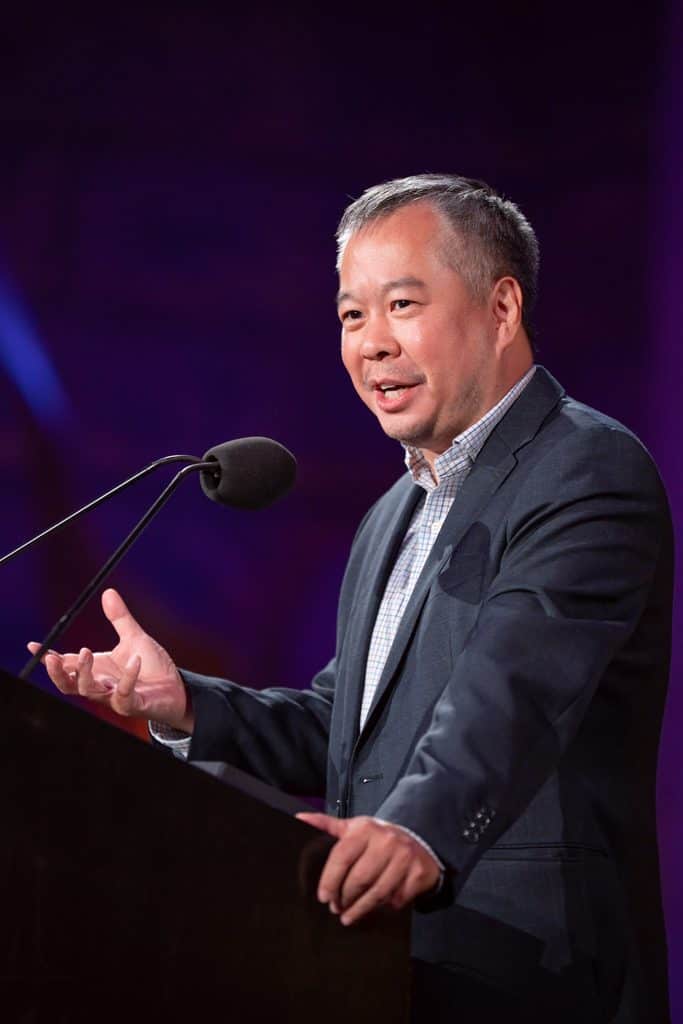
The Frederick W. Alt Award for New Discoveries in Immunology was presented to Dr. Joseph Sun, PhD, of Memorial Sloan Kettering Cancer Center. Dr. Sun is credited with the landmark discovery that NK cells possess "memory"—the ability to remember and respond more effectively to past threats. This finding challenged the long-held scientific dogma that only adaptive immune cells (T and B cells) were capable of such memory.
Dr. Sun’s research, which began during his time as a CRI Irvington Postdoctoral Fellow, highlights the vital importance of investing in young scientists. "Being a scientist means that you never stop being inspired," he said. His work continues to provide new avenues for boosting the immune system’s long-term surveillance of cancer cells.
Implications for the Future
The 2026 CRI Annual Awards Gala was more than a celebratory event; it was a strategic mobilization. The funds raised, coupled with the recognition of groundbreaking research, reinforce the urgency of the CRI mission.
As the evening concluded, the message was clear: the momentum in immunotherapy is accelerating. However, the path forward requires a persistent, multi-faceted strategy:
- Sustained Funding: Support for early-career scientists like Dr. Sun is essential to ensuring a pipeline of innovation.
- Cross-Disciplinary Collaboration: As Dr. Zhou noted, the complexity of cancer requires a collective effort that transcends institutional boundaries.
- Translational Acceleration: The work of innovators like Reed Jobs proves that philanthropy and private investment can effectively fast-track life-saving research.
- Patient-Centric Advocacy: Sharing stories like those of Molly Hones and Adam Shapiro remains critical to driving public engagement and long-term support for research initiatives.
The scientific community is currently standing on the precipice of a new era. With the right support, the "next" that we envision today will become the standard of care tomorrow. As Molly Hones poignantly concluded, "I got my moonshot. Let’s make sure the next person gets theirs, too."
The Cancer Research Institute continues to stand as the primary engine for this progress, proving that when society invests in the curiosity of scientists, it invests in the future of humanity itself.