






By Nayeli R. Hevezi
Chronic pain is an unrelenting companion. It is a persistent, whispering presence that shadows the mundane and the momentous alike, turning the act of simply living into an exercise of endurance. For many, it is a source of profound exhaustion, a barrier that threatens to obscure the inherent beauty of the world. In an era defined by global instability and the pervasive anxieties of a rapidly warming planet, the burden of a physical flare-up can feel insurmountable—a double-edged sword of physiological distress and existential dread.
Yet, there is a growing movement of young voices who are challenging the narrative that chronic pain must equate to a life unlived. By choosing to center joy, creativity, and community, a new generation of teenagers is proving that while pain may be a constant, it does not have to be the sole definition of the self.
The Architecture of a Life Defined by Pain
For the adolescent navigating chronic pain, life is often structured around a rigid, unspoken geography of physical limits. Every social engagement, academic pursuit, or extracurricular activity requires a strategic assessment: Is my body capable of this today? Will the exertion outweigh the benefit?
This hyper-vigilance creates a cycle of anticipation and disappointment. Teenagers are forced to become masters of risk management, constantly balancing the desire for normalcy against the physiological reality of their condition. This "planned existence" can lead to a profound sense of isolation, as the spontaneous, care-free nature of youth is replaced by a calculated, guarded approach to the world.
However, a shift in perspective is occurring. Many are discovering that the pursuit of happiness is not a betrayal of their condition, but a radical act of self-preservation. Embracing joy—even in the presence of discomfort—is not about ignoring the pain; it is about refusing to grant it total jurisdiction over one’s spirit.
Chronology: From Personal Coping to Public Advocacy
The journey toward this realization often begins in the quiet, private corners of a bedroom or a doctor’s waiting room. For many, the transformation from a "patient" to an "advocate" or "creator" follows a distinct, often nonlinear path:
- The Inception of Coping: The process typically starts with identifying a vessel for expression. For some, this is art; for others, it is writing or digital connection.
- The Creative Outpouring (2022–2023): As the intensity of the pain persists, the need for a creative outlet grows. This is the period where many begin to document their experiences through literature, journals, or personal projects.
- The Digital Threshold (Autumn 2024): The emergence of social media as a tool for connection marks a critical turning point. By joining specialized online communities—such as "Bookstagram" or chronic illness advocacy groups—teenagers move from the isolation of their own experiences to a collective understanding of shared struggle.
- The Building of Community: The final phase involves the consolidation of these connections. The digital space translates into real-world emotional support, where the camaraderie of fellow chronic pain warriors provides a buffer against the loneliness of their diagnosis.
The Power of Narrative: Writing Annotation
The therapeutic potential of storytelling cannot be overstated. My own experience in writing my debut novel, Annotation, served as a crucible for processing these complex emotions. The narrative, a contemporary rom-com, functions as a dual-purpose vehicle: it provides an entertaining, relatable story for a general audience while embedding the nuanced, often invisible realities of life with chronic pain.
In Annotation, the protagonists navigate the quintessential trials of high school—friendships, romance, and academic pressure—while one character manages the intrusive, fluctuating nature of a chronic condition. By weaving these threads together, the book serves as a testament to the fact that light and shadow can coexist. The intention is not to romanticize suffering, but to demystify it, offering a safe harbor for other teenagers who feel unseen by the wider world.
Supporting Data: The Impact of Community on Chronic Pain
The importance of social connection in the management of chronic pain is supported by an increasing body of psychological and medical research. Studies on "social buffering"—the phenomenon where social support reduces the stress response—show that individuals with chronic conditions who engage in meaningful peer-to-peer relationships report lower levels of perceived pain intensity and improved mental health outcomes.
The "Bookstagram" Effect
The rise of niche social media communities has provided a lifeline for marginalized groups. For teenagers with chronic illnesses, the digital sphere offers:
- Validation: Sharing experiences with those who "get it" validates the patient’s reality, reducing the internal shame often associated with invisible illness.
- Distraction and Whimsy: Access to common interests—such as literature—provides a necessary mental break from the physical focus on pain.
- Empathetic Camaraderie: Peer support groups function as a form of informal, empathetic therapy. When one teenager shares a success or a setback, the community responds with a level of understanding that is often unavailable from peers who do not share the experience.
Official Perspectives: The Gap in Healthcare
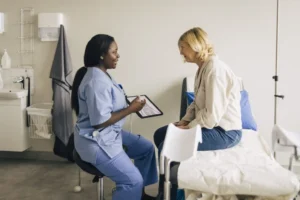
Despite the resilience of these teenagers, there remains a glaring deficiency in how chronic pain is treated within the medical establishment. Research regarding chronic pain management, especially in pediatric and adolescent populations, is significantly underfunded and under-researched.
Medical professionals often emphasize symptom management, yet there is a lack of focus on the holistic, psychosocial needs of the adolescent patient. When a teenager is already balancing the immense stressors of modern schooling, social life, and the looming anxieties of global, economic, and environmental instability, the added "tax" of chronic pain is often minimized by the healthcare system.
There is an urgent call for medical practitioners to recognize that a patient’s quality of life is not solely determined by their diagnostic markers, but by their ability to foster joy, participate in their own lives, and maintain meaningful social connections.
Implications: Reclaiming the Narrative
The implications of this shift in the chronic pain community are profound. When young people take the reins of their own narratives, they change the cultural discourse around disability and illness.
- Redefining "Productivity": For those in pain, productivity is not necessarily tied to traditional metrics of success. It is found in the ability to write a chapter, start a conversation, or simply endure a flare-up with grace.
- The Necessity of Whimsy: The integration of hobbies and passions is not a "distraction" from reality; it is a vital survival mechanism. By injecting whimsy and creativity into their lives, individuals can create a buffer that makes the burden of pain feel slightly lighter.
- The Shift in Advocacy: The move toward grassroots, peer-led support networks indicates a lack of faith in top-down institutional solutions. Teenagers are creating the resources they were never given, proving that the most effective advocacy often comes from those living the experience.
Conclusion: A Call to Resilience
Our pain does not need to be the anchor that keeps us from the shore. It is an undeniable, frustrating, and exhausting part of the human experience, but it is not the totality of who we are.
For the teenager reading this who feels defined by their physical limitations: You are allowed to seek joy. You are allowed to pursue passions that have nothing to do with your diagnosis. You are allowed to find friends who understand your struggle and, more importantly, friends who remind you of your worth beyond the pain.
The world is a complex, sometimes frightening place, but it is also filled with beauty. By nurturing our interests, building our communities, and refusing to let our conditions silence our voices, we can navigate the darkness. We do not have to stop looking for the light. In fact, it is in that very search that we find our true strength. Let us continue to write our own stories, finding the sweetness in the small, everyday moments that make life not just bearable, but beautiful.