










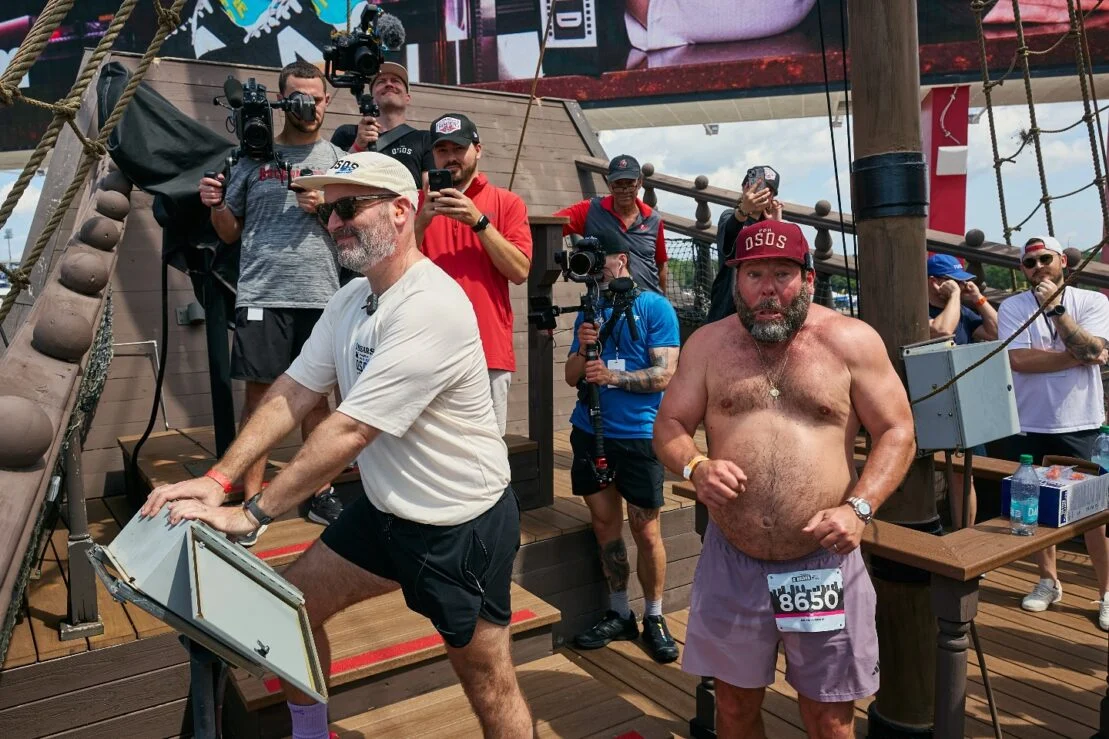
What began as a punchline between two of comedy’s most recognizable figures—Tom Segura and Bert Kreischer—has blossomed into a cultural phenomenon that challenges the traditional barriers of the fitness industry. The "2 Bears 5K," an event born from the irreverent, unscripted chemistry of their hit podcast, has unexpectedly become a beacon for everyday individuals who previously found the world of competitive racing intimidating or exclusionary.
By stripping away the elitism often associated with organized sports and replacing it with humor, vulnerability, and community, the 2 Bears 5K has redefined what it means to be an "athlete" in the modern era.
The Genesis of an Unlikely Movement
The origin story of the 2 Bears 5K is rooted in the "absurdity" that Segura identifies as the event’s primary draw. At the outset, neither Segura nor Kreischer possessed the pedigree of a marathon runner. They were, by their own admission, middle-aged comedians whose lifestyles were far removed from the worlds of high-performance athletics.
"Probably that two middle-aged fat guys known for not being fit decided to do this," Segura notes when reflecting on why the event resonated so deeply with their audience. "And that it inspired a lot of other people who had never done it to try it."
The event transformed from a casual podcast mention into a high-production experience that seamlessly blends comedy, live entertainment, and genuine athletic challenge. It serves as a testament to the power of shared goals; by documenting their own journey—complete with struggles, lackluster cardio, and physical setbacks—the duo successfully bridged the gap between the performer and the fan. Looking back, Segura expresses only one regret: "I don’t know that I’d change much, other than I wish we had started it years earlier."
Chronology: A Journey of Physical Transformation
The trajectory of the 2 Bears 5K is inextricably linked to the personal physical evolutions of its founders.
The 2020 Catalyst
The pivotal moment in Segura’s personal fitness journey occurred in 2020, following a severe basketball injury that caused significant trauma to his leg and knee. This event acted as a forced reset. Prior to this, Segura admits to a "push-through-the-pain" mentality that prioritized ego and intensity over longevity and biomechanics. The injury demanded a total reconstruction of his physical approach, moving him away from the "big lifts" of his younger years toward a philosophy grounded in mobility, functional movement, and injury prevention.
The Rise of the 2 Bears
As the podcast grew in popularity, the concept of the 5K emerged as a way to hold both the hosts and their listeners accountable. Throughout the following years, the race became an annual tradition. It transitioned from a small-scale challenge to a full-scale event featuring celebrity guests, fan participation, and a structured, albeit unique, training regimen.
Current Objectives
Today, the event is marked by a focus on sustainable improvement. For Segura, the current goal is to consistently break the 30-minute threshold—a milestone that represents a balance between competitive drive and realistic physical management.
The Discipline of "Hating It": A Structured Approach
While Kreischer is known for his spontaneous, "wing-it" approach to training, Segura has adopted a more clinical and disciplined methodology. This contrast is a key narrative point that fans appreciate; it highlights that there is no single "right" way to prepare for a race, provided the commitment remains consistent.
"Bert is more of a wing-it guy," Segura says. "I cannot do that, so I start getting my miles in months in advance."
Segura is refreshingly candid about the process, admitting that he does not necessarily enjoy the act of running. "I kind of hate it, the running," he confesses. "But I slowly start to embrace it as it gets closer." This mental shift—moving from initial aversion to disciplined acceptance—is a cornerstone of his success. By treating the race as a "hard deadline" on his calendar, Segura maintains the accountability required to keep his fitness goals on track, even when motivation wanes.
Supporting Data: The Science of Sustained Habits
Modern fitness culture is often plagued by "analysis paralysis," with consumers overwhelmed by conflicting advice on nutrition, supplementation, and complex training splits. Segura’s approach serves as an antidote to this, favoring fundamental consistency.
Morning Routine and Circuit Training
Segura’s current training protocol is optimized for a high-travel, high-stress lifestyle. His typical morning begins between 6:30 and 7:00 AM. His routine is a hybrid model:
- Cardiovascular Base: A consistent one-mile run.
- Circuit Training: A focus on resistance and mobility-based circuits that prioritize functional strength over aesthetic bulk.
- Recovery Integration: Unlike amateur athletes who often adhere to rigid weekly schedules, Segura listens to his body. He does not plan his rest days in advance; rather, he responds to his body’s signals, taking days off as necessary to avoid overtraining.
The Role of Recovery and Sleep
Segura emphasizes that the most overlooked aspect of fitness is not the workout itself, but the recovery. With the dual pressures of touring and parenting, sleep is his non-negotiable metric. "Eating clean isn’t that hard," he explains. "Sleep can be a real challenge with travel and kids, but you can’t perform well in any physical activity if you don’t prioritize sleep."
Official Perspectives: The Philosophy of Longevity
In discussions regarding his recovery from his 2020 injury, Segura highlights the importance of "mundane" work. He credits his physical and occupational therapists for emphasizing the small, repetitive movements that most gym-goers ignore in favor of vanity lifts.
"Do the little mundane stuff you think is a waste of time," he advises. "It’s the difference between making a full recovery and having lingering issues."
This mindset has fundamentally changed his philosophy on health. He now views the body as a system that requires maintenance, not just an object to be beaten into shape. His advice to others is simple: "Don’t overthink it. Just get it done. It doesn’t have to look good for it to count."
Implications: The Democratization of Fitness
The 2 Bears 5K movement has significant implications for the broader fitness industry. By proving that a fitness event can be both high-energy and self-deprecating, Segura and Kreischer have lowered the barrier to entry for millions of people.
1. The Power of Vulnerability
By admitting their own struggles with weight, injury, and the sheer dislike of training, the hosts have created a community where progress is celebrated, regardless of the starting point. This "everyman" approach fosters a higher retention rate among participants than traditional, hyper-competitive fitness challenges.
2. Consistency Over Intensity
The shift toward circuit training and mobility, as advocated by Segura, reflects a growing trend in the industry: the move away from the "no pain, no gain" era toward "longevity-based training." This model is inherently more sustainable for the aging population and for those balancing fitness with professional and family responsibilities.
3. The "Post-Race" Reality
As the event approaches, the camaraderie remains the highlight. While there is an underlying competitive spirit, it is tempered by the wisdom that comes with experience. When asked about his plans for immediately following the finish line, Segura’s response encapsulates the balance of his new life: "Drinking Por Osos straight up. Then cold plunge."
The 2 Bears 5K is more than just a race; it is a case study in how to integrate health into a hectic life. It teaches that the most effective fitness program is not the one with the most sophisticated data, but the one you actually show up to do. By turning the "two middle-aged guys" narrative into a platform for health, Segura and Kreischer have successfully turned a joke into a lasting, positive influence on their audience.