










In the modern digital landscape, the quest for self-optimization has moved beyond the gym and the kitchen into the bedroom. With the ubiquity of smartwatches, rings, and sophisticated mobile applications, sleep tracking has transitioned from a niche hobby for tech enthusiasts into a mainstream health practice. Yet, as millions of Americans strap on wearable devices to monitor their nightly rest, a troubling paradox has emerged: in our pursuit of perfect sleep data, we are increasingly sacrificing the very peace of mind required to achieve it.
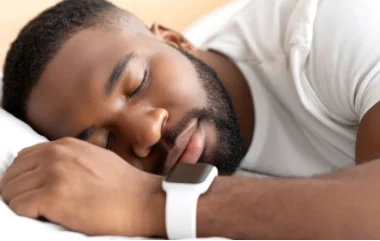
According to a recent survey conducted by the American Academy of Sleep Medicine (AASM), nearly half of all U.S. adults (48%) have integrated sleep-tracking technology into their nightly routines. While this represents a significant shift toward viewing sleep as a critical pillar of health—alongside nutrition and exercise—it has also birthed a psychological phenomenon where the tool meant to improve health becomes a source of significant distress.
The Evolution of Sleep: From Natural Need to Quantifiable Metric
For most of human history, sleep was a subjective experience. You knew you had a good night’s rest if you woke up feeling refreshed, and a poor one if you felt sluggish. Today, that narrative has been replaced by the "sleep score."
The shift began in the early 2010s with the rise of fitness trackers. Initially focused on step counts and heart rate, these devices quickly expanded their algorithms to track REM cycles, deep sleep, and oxygen saturation. As the technology became more accessible, the culture surrounding sleep began to change.
Chronology of a Trend
- 2010–2015: Early adoption of wearable trackers, primarily among fitness enthusiasts and biohackers. Sleep tracking is rudimentary, often relying solely on movement sensors.
- 2016–2020: Integration of heart rate variability (HRV) and light sensors allows for more granular data. "Sleep hygiene" becomes a buzzword in wellness circles.
- 2021–2024: The rise of "Sleepmaxxing." Social media influencers and wellness gurus begin treating sleep as a performance metric to be optimized, leading to a surge in the purchase of sleep-tracking rings, headbands, and smart mattresses.
- 2025: Current data indicates that sleep tracking has reached nearly 50% market penetration among U.S. adults, with a growing segment of the population reporting "orthosomnia"—the obsessive pursuit of perfect sleep data.
The Behavioral Shift: Tracking as a Catalyst for Change
The AASM survey highlights that the primary utility of these devices lies in their ability to nudge behavior. More than half (55%) of the adults surveyed who utilize sleep trackers reported that they have actively modified their habits based on the data they received.
These adjustments are often constructive. Users report shifting their bedtimes earlier, stabilizing their wake-up times to align with circadian rhythms, and eliminating pre-sleep behaviors that the data suggested were detrimental, such as late-night caffeine consumption or prolonged screen exposure. For these individuals, the tracker acts as a digital accountability partner, providing the objective evidence needed to justify a healthier lifestyle.
However, the survey also unearths a gender disparity in both usage and financial commitment. Men (56%) are more likely than women (40%) to adopt these technologies and are also significantly more inclined to invest in high-end consumer sleep products. This suggests that for many, sleep has become an asset class—a commodity to be invested in and optimized for maximum return.
The Dark Side of Optimization: The Rise of Orthosomnia
While data-driven habits can be beneficial, they also invite the risk of "orthosomnia." Derived from the Greek orthos (correct) and somnus (sleep), this condition describes a state where an individual becomes so fixated on achieving a perfect sleep score that the stress of the process prevents them from falling asleep.
The psychological impact is substantial. A staggering 76% of adults have reported losing sleep specifically due to anxiety regarding their sleep quality. This creates a vicious cycle: the user checks their device, sees a "poor" score, worries about the health implications of that score, and that very worry triggers the physiological arousal that prevents them from drifting off.
The Mechanics of Sleep Anxiety
- Hyper-vigilance: The user approaches bedtime with the expectation of failure.
- Data Fixation: Upon waking, the first instinct is to check the device, which dictates the user’s mood for the day.
- Performance Pressure: The bedroom becomes a "performance space" rather than a place of rest, leading to heightened sympathetic nervous system activity.
- Chronic Insomnia: Over time, the inability to meet the "standard" set by the algorithm can manifest as chronic sleep onset or maintenance issues.
Supporting Data: The Cost of the "Perfect" Night
The implications of this shift are not merely anecdotal. The obsession with sleep metrics is beginning to clash with the biological reality of what constitutes "healthy" sleep. The AASM recommends a minimum of seven hours of sleep for adults, yet sleep trackers often provide nuanced, granular data that the average user is not equipped to interpret.
When a user sees that they had "too much light sleep" or "not enough REM," they often attempt to manipulate their environment to fix these metrics. However, sleep architecture is complex and varies wildly from person to person. By focusing on the numbers, users often lose sight of the most important metric: how they actually feel during the day.
Expert Perspectives: When to Put the Tech Away
Health professionals are increasingly advising caution. While devices can be useful for identifying broad patterns—such as identifying a consistent habit of staying up too late—they are not diagnostic tools.
"The best way to monitor sleep is to listen to your body," says Dr. Elena Rodriguez, a clinical sleep specialist. "If you are waking up refreshed and alert, your sleep is likely sufficient, regardless of what an algorithm on your wrist says. When the device starts to feel like a judge or a grader, it is time to turn it off."
Implications for Future Health Policies
- Data Literacy: There is an urgent need for better education regarding how to interpret wearable data.
- Clinical Integration: Sleep specialists are calling for a shift in focus from "optimization" to "restoration."
- Regulatory Scrutiny: As these devices move into the medical device space, there is a growing debate regarding the accuracy of consumer-grade sensors compared to clinical polysomnography.
A Balanced Path Forward: Reclaiming Rest
If you are using a sleep tracker, experts suggest a few ground rules to ensure the technology remains a servant rather than a master:
- Focus on Trends, Not Nights: Do not obsess over a single night’s data. Look at the weekly trend to see if your habits are improving over the long term.
- Set a "Data Budget": Limit the time you spend analyzing your stats to once a week, rather than every morning.
- Prioritize Subjective Feeling: If the data says you slept poorly but you feel rested, trust your body over the device.
- Disconnect: If the device is causing stress, take a "digital detox" from it for two weeks to reset your relationship with your bedroom environment.
When to Seek Professional Support
Despite the prevalence of trackers, they cannot replace clinical expertise. If your anxiety regarding sleep persists, or if you consistently feel exhausted despite adhering to a strict sleep schedule, it may be a sign of an underlying medical condition, such as sleep apnea, restless leg syndrome, or chronic insomnia.
In such cases, the data from your tracker may be useful to show a doctor, but it should not be the sole basis for your health decisions. A visit to an AASM-accredited sleep center can provide a definitive diagnosis that no consumer gadget can replicate.
Ultimately, the goal of sleep is not to achieve a perfect, idealized score on a screen. The goal is to recharge, repair, and recover. If your pursuit of better sleep is robbing you of your peace, it is time to step back, put the phone down, and remember that the most effective sleep aid isn’t a piece of technology—it’s a calm mind and a consistent, pressure-free routine. True health is found in the absence of anxiety, not the perfection of the data.