




By Medical Correspondent
Bradford Teaching Hospitals NHS Foundation Trust has officially inaugurated a transformative chapter in oncological care. On 30 April 2026, the Trust launched a sophisticated Artificial Intelligence (AI) integration at St Luke’s Hospital, aimed at radically accelerating the detection and triage of skin cancer. This strategic implementation of the Deep Ensemble for Recognition of Malignancy (DERM) technology marks a significant shift in how the NHS manages the growing burden of skin cancer referrals, promising to bridge the gap between burgeoning patient demand and clinical capacity.
The Technological Catalyst: DERM and Skin Analytics
At the heart of this initiative is the DERM software, developed by the medical technology firm Skin Analytics. DERM is not merely a digital database; it is a sophisticated diagnostic support tool designed to analyze high-resolution images of skin lesions. By identifying visual patterns, textures, and characteristics indicative of malignancy, the software provides a suspected diagnosis and suggests the most appropriate clinical pathway for the patient.
The technology’s primary strength lies in its precision. According to Skin Analytics’ performance metrics, DERM boasts a 99.7% accuracy rate in correctly ruling out benign lesions. This high specificity is the cornerstone of the Trust’s strategy: by filtering out benign cases with near-perfect reliability, the software ensures that dermatological expertise is reserved for those who truly need urgent intervention.
Chronology of Implementation and Clinical Workflow
The integration of this technology follows a structured, multi-step clinical process designed to maximize efficiency and minimize patient anxiety.
The Referral Pipeline
Patients suspected of having skin cancer are referred by their GPs into the Trust’s newly established tele-dermatology service. This service operates three times per week, creating a structured influx of cases that the AI is perfectly positioned to manage. Upon arrival at the clinic, healthcare staff utilize high-definition imaging equipment to capture detailed photographs of the suspicious lesions.
The Diagnostic Loop
Once the image is captured, the DERM algorithm begins its analysis. It cross-references the lesion’s features against a vast library of verified dermatological data. The system then outputs a clinical recommendation. If the lesion is flagged as suspicious, the patient is immediately fast-tracked to the "one-stop clinic," which operates in physical proximity to the imaging suite.
In this clinic, consultant dermatologists perform a physical examination. If the assessment confirms the suspicion, an immediate excision (surgical removal of the mole) is performed. The tissue is then whisked to the laboratory for definitive histological diagnosis, drastically shortening the time from initial screening to potential surgical resolution.
Supporting Data: Addressing the Capacity Crisis
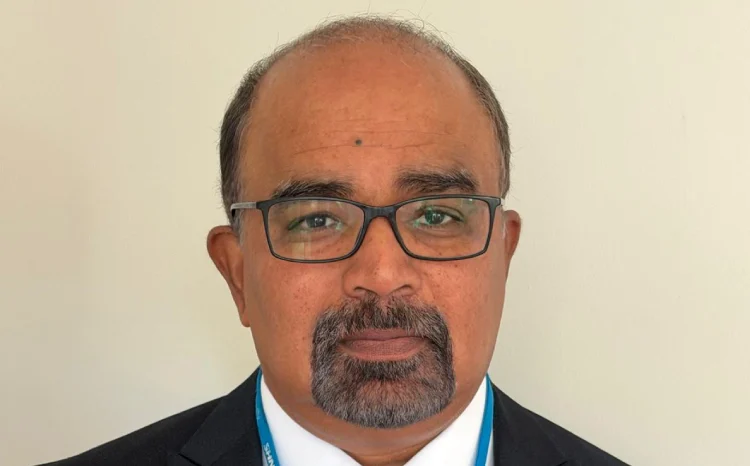
The urgency of this implementation is underscored by the sheer volume of referrals. Zakir Shariff, Consultant Plastic Surgeon and Clinical Lead for skin cancer at Bradford Teaching Hospitals, highlights the disparity between referral volume and actual malignancy rates.
"We have 5,000 referrals every year for skin cancer at the Trust—all of whom are seen within the two-week cancer referral-to-treatment pathway," Shariff explains. "Yet, only 8%—approximately 400 patients—are found to have malignant cancer."
This statistic reveals a significant systemic inefficiency. Currently, 92% of the Trust’s skin cancer-related resources are directed toward patients who do not have cancer. By automating the screening process for these benign cases, the Trust can redirect thousands of hours of specialist time back into treating the 400 patients who require urgent surgical intervention. This shift is not just about speed; it is about clinical sustainability in an era of increasing healthcare demand.
Official Perspectives: A Vision for the Future
The project has garnered significant support from the Trust’s leadership, who view this as a necessary evolution of the NHS model.
Zakir Shariff: Redefining Diagnosis
Zakir Shariff, who has been instrumental in the project’s rollout, describes the integration as "the future of skin cancer diagnosis in this country." For Shariff, the value of the technology lies in its ability to augment human clinical judgment. "Combining this cutting-edge AI will give us the capacity to pick up potentially serious skin lesions quicker and speedier than current processes. It will also help our doctors and surgeons concentrate on their core competency: treating the most urgent cases."
Tom White: Scaling and Community Integration
Tom White, General Manager for the Musculoskeletal and Therapies Clinical Support Unit, emphasizes the long-term potential of the system. "At a time of increasing referrals to dermatology services for suspected skin cancers, early evidence suggests automated use of DERM could be a game changer," White stated.
He further hinted at a future where this technology moves beyond the hospital walls. "We will also have the capacity to see this service go out into the community and GP surgeries, which means that, in the future, patients won’t need to come to hospital—a prospect we know is more stressful for many." By decentralizing diagnostics, the Trust hopes to improve patient experience while simultaneously reducing the footfall in busy outpatient departments.
Implications for the NHS and Patient Care
The Bradford implementation is part of a larger, nationwide trend. DERM is currently operational in 25 other NHS trusts, including Manchester University, Liverpool University Hospitals, and various Dorset-based health organizations. This widespread adoption signals a shift toward a "digitally first" approach to diagnostic oncology.
Impact on Patient Experience
For the patient, the implications are profound. The traditional "wait and see" anxiety associated with a suspected cancer diagnosis is significantly curtailed. Because the DERM software can, in many cases, immediately reassure a patient that their lesion is benign, the psychological burden of a two-week wait is removed for the vast majority of patients. For those who do have malignant lesions, the "one-stop" nature of the clinic means the diagnostic journey is compressed, potentially improving outcomes through earlier intervention.
Implications for Clinical Staff
For dermatologists and plastic surgeons, the AI acts as a "second pair of eyes." By handling the high-volume, low-risk cases, the AI reduces the risk of "burnout" among specialists who are currently overwhelmed by administrative and triaging duties. It allows clinicians to work at the "top of their license," focusing on complex surgical cases and treatment planning rather than preliminary screening.
Financial and Systemic Efficiency
From a fiscal perspective, the move is highly logical. By reducing the number of urgent referrals that require a full consultant review, the Trust optimizes the use of its specialized staff. This ensures that the limited NHS budget is spent where it is most needed—on active treatment rather than redundant screening.
Conclusion: A New Standard of Care
The integration of AI at Bradford Teaching Hospitals is more than a simple technological upgrade; it is a fundamental reconfiguration of the patient-provider interface. By leveraging the accuracy of the DERM algorithm, the Trust is proving that high-quality, specialized care can be delivered more efficiently and more compassionately.
As the three-year trial period progresses, the results gathered in Bradford will likely serve as a blueprint for the rest of the country. If the current trajectory holds, the integration of AI into dermatological pathways could become the new national standard, effectively future-proofing the NHS against the rising tides of skin cancer referrals and ensuring that every patient—regardless of their diagnosis—receives the care they need, when they need it most.
In an era where technology is often blamed for the dehumanization of healthcare, the Bradford project stands as a counter-narrative: a case study in how machine intelligence can, when properly applied, restore the human element of medicine by allowing doctors to spend more time with the patients who need them most.