









Researchers at Stanford Medicine have reached a significant milestone in understanding the complexities of human immune responses. A new study, published December 10 in Science Translational Medicine, has successfully mapped the biological pathway that explains why, in rare instances, mRNA-based COVID-19 vaccines may lead to myocarditis—an inflammation of the heart muscle—particularly in adolescent and young adult males. Beyond identifying the mechanism, the team has proposed a potential therapeutic strategy to mitigate this risk without compromising the efficacy of the vaccines.
The Balancing Act: Safety and Innovation
The findings emerge from a landscape where mRNA technology has fundamentally transformed global public health. By enabling the rapid development and modular design of vaccines, mRNA platforms have proven to be one of the most vital tools in the modern medical arsenal.
"The mRNA vaccines have done a tremendous job mitigating the COVID-19 pandemic," says Dr. Joseph Wu, director of the Stanford Cardiovascular Institute and a senior author of the study. "Without these vaccines, the global burden of illness, severe complications, and mortality would have been exponentially higher."
Despite the rare occurrence of vaccine-associated myocarditis, the clinical consensus remains steadfast: the benefits of vaccination far outweigh the risks. Data consistently shows that a COVID-19 infection itself is roughly 10 times more likely to induce myocarditis than the vaccine. Furthermore, the inflammation caused by the virus is often systemic and significantly more severe than the temporary, manageable side effects occasionally seen following immunization.
Decoding the Biological Pathway: A Two-Stage Immune Response
To understand why some individuals experience heart inflammation, Dr. Wu, along with lead author Dr. Xu Cao and collaborator Dr. Masataka Nishiga, conducted an exhaustive analysis of blood samples from vaccinated individuals. By comparing the immune profiles of those who developed myocarditis against those who did not, the researchers identified two critical "culprit" proteins: CXCL10 and IFN-gamma (interferon-gamma).
The Mechanism of Action
The study revealed a sophisticated, two-stage immune communication breakdown:
- Phase One (The Macrophage Trigger): Upon receiving the mRNA vaccine, the body’s "first responders"—immune cells known as macrophages—are activated. In the studied cases, these cells began releasing high concentrations of the signaling protein CXCL10.
- Phase Two (The T-Cell Amplification): This surge in CXCL10 then acts as a beacon, stimulating T-cells to produce massive amounts of IFN-gamma.
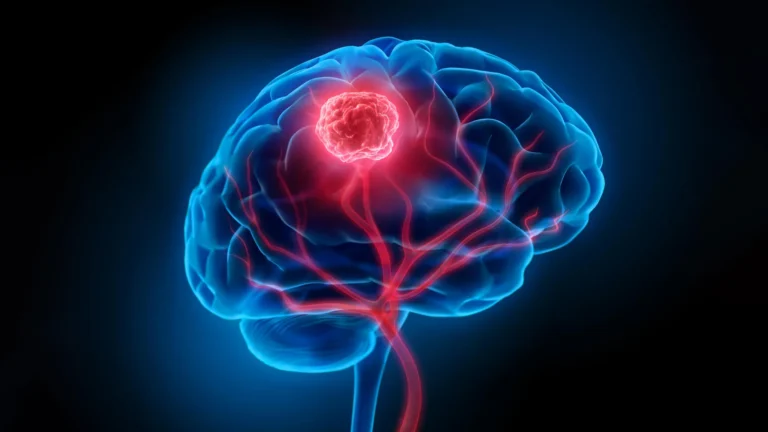
While these cytokines are essential for fighting off pathogens, the research found that in this specific, rare scenario, their combined presence causes immune cells like neutrophils to infiltrate the heart tissue. This infiltration leads to the release of cardiac troponin—a protein normally confined to heart muscle cells—into the bloodstream, serving as a biological "red flag" for cellular damage.
Supporting Data: From Petri Dishes to Clinical Reality
The Stanford team employed a multi-faceted approach to validate their findings, moving from molecular analysis to complex tissue modeling.
Laboratory Observations
Using advanced human heart tissue models—specifically, cardiac spheroids created from stem cells—the researchers recreated the environment of an inflamed heart. When these "beating clusters" of heart cells were exposed to the specific concentrations of CXCL10 and IFN-gamma observed in patients, the results were immediate: the cells showed signs of stress, decreased contraction strength, and disrupted electrical rhythm.
Animal Studies
The team also utilized young male mouse models. By vaccinating these subjects, they observed a direct correlation between the vaccine, the rise in cytokine levels, and subsequent heart muscle injury. Crucially, when the researchers administered inhibitors to block the activity of CXCL10 and IFN-gamma, the infiltration of inflammatory cells into the heart was significantly reduced, effectively protecting the heart tissue while allowing the immune system to continue its primary task of responding to the vaccine.
The Role of Genistein: A Nutritional Intervention
One of the most intriguing aspects of the study is the discovery of a potential protective compound. Dr. Wu, drawing on previous research regarding the anti-inflammatory properties of soy, turned his attention to genistein.
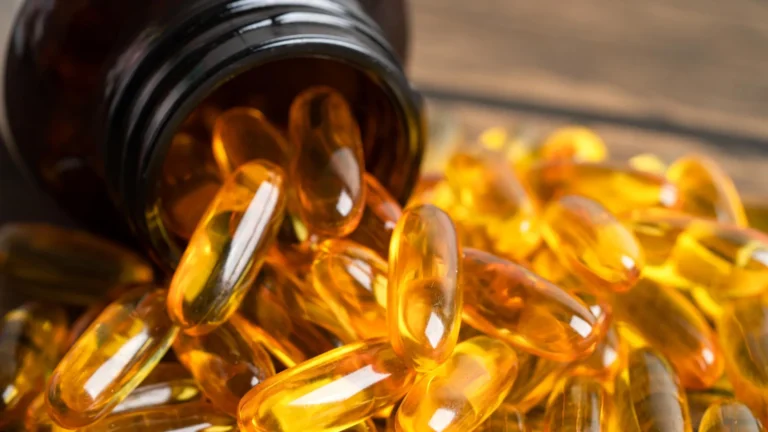
Genistein, a compound found in soy, has long been studied for its ability to protect blood vessels and reduce systemic inflammation. In the current study, pre-treating cells and animal models with a purified, concentrated form of genistein significantly dampened the cytokine storm caused by the vaccine.
"Genistein is only weakly absorbed when taken orally," Dr. Wu notes, adding that it is not a cure-all, but a promising candidate for targeted therapeutic intervention. "It’s reasonable to believe that the mRNA-vaccine-induced inflammatory response may extend to other organs, and it’s possible that genistein may also reverse these changes in the lungs, liver, and kidneys."
Clinical Context and Patient Outcomes
Myocarditis, while serious, is typically a transient condition in the context of vaccination. Symptoms—which include chest pain, shortness of breath, and heart palpitations—usually present within one to three days post-vaccination.
Risk Stratification
The incidence rates remain exceptionally low:
- First dose: Roughly one in 140,000.
- Second dose: Approximately one in 32,000.
- High-risk group (males age 30 and under): One in 16,750.
"It’s not a heart attack in the traditional sense," Dr. Wu explains. "There is no blockage of blood vessels. In most cases, the inflammation is mild, and the patient recovers with observation and standard care." However, he acknowledges that in rare, severe cases, hospitalization is necessary, and the medical community must remain vigilant in diagnosing and treating these patients promptly.
Implications for Future Vaccine Development
The Stanford study provides a blueprint for refining vaccine safety. By identifying the specific cytokines involved in the inflammatory response, researchers may be able to develop adjuvant therapies or modify vaccine delivery systems to avoid triggering this specific, rare pathway.
Beyond COVID-19
This phenomenon is not necessarily unique to COVID-19 vaccines. The research suggests that any vaccine or environmental stressor that triggers a hyper-reactive IFN-gamma response in specific individuals could potentially lead to similar, albeit often milder or more diffuse, symptoms. The reason this has been so well-documented for COVID-19, according to Dr. Wu, is the intensity of public scrutiny and the widespread testing for troponin markers whenever a patient presents with post-vaccination chest pain.
Conclusion: A Path Toward Safer Medicine
The work of the Stanford Medicine team serves as a bridge between high-level molecular biology and clinical practice. By "peeling back the layers" of the immune response, they have moved the conversation from speculation to scientific clarity.
As the medical community continues to navigate the post-pandemic era, these insights into the mechanisms of vaccine-associated myocarditis offer a path toward more personalized and refined immunization strategies. The goal is clear: to maintain the life-saving benefits of mRNA technology while proactively addressing the rare biological vulnerabilities that, until now, remained shrouded in mystery. With further research into protective compounds like genistein and targeted cytokine modulation, the future of vaccine safety appears more robust than ever.
Funding and Support: This study was supported by the National Institutes of Health (grants R01 HL113006, R01 HL141371, R01 HL141851, R01 HL163680, and R01 HL176822) and the Gootter-Jensen Foundation.