








The traditional landscape of psychiatric care is often defined by a rigorous adherence to the medical model: symptoms are identified, a diagnosis is labeled, and a biological intervention—usually pharmaceutical—is prescribed. However, for those within the system, the clinical reality often fails to capture the profound complexity of human distress. A poignant narrative from a veteran psychiatric nurse and mother reveals a growing rift between the "brain disorder" paradigm and the lived experience of those in crisis. Her journey suggests that "insanity" may sometimes be a creative form of resilience, and that the "othering" of patients through diagnostic labeling may be doing more harm than good.
Main Facts: The Crisis of the Medical Model
The core of the current mental health debate centers on the efficacy of the "biological origin" theory. For decades, the prevailing wisdom in psychiatry has been that mental health changes are predominantly biological in nature—often simplified as "chemical imbalances"—and should therefore respond predictably to medication.
However, critics and practitioners alike are increasingly pointing to the limitations of this approach. According to data shared by clinicians within the critical psychiatry movement, the process of labeling is often more chaotic than scientific. It is estimated that approximately 50% of individuals diagnosed with a psychiatric disorder will eventually receive two to three different diagnostic labels. Even more striking, a full third of patients will be identified with four or more labels over the course of their lives.
This "diagnostic inflation" raises fundamental questions about the scientific validity of modern psychiatric categories. If a patient’s "disorder" is constantly being renamed, it suggests that the labels are less about biological precision and more about a clinical attempt to categorize behavior that the system does not yet understand. For the psychiatric nurse at the center of this narrative, the failure of the medical model was not a theoretical concern—it was a domestic reality.
Chronology: From Clinical Practice to Personal Crisis
The nurse’s perspective shifted when her own son began experiencing unusual mental states at the age of fourteen. At the time, she was working as a psychiatric nurse, embedded in a system that taught her to view such changes through a lens of pathology.
The Early Years (Age 14-17):
As her son’s experiences deepened, she found herself "loath to pathologize" him. Her professional experience had shown her that the narratives shared by families often led to a cycle of "treatments" that disconnected the child from their support systems rather than helping them. She observed that her son’s mental distress often paralleled real-world fears and traumas, suggesting that his "symptoms" were not random biological glitches but responses to his environment.
The Diagnosis Phase:
Eventually, the son received a formal diagnosis and was placed on medications. However, the nurse noted that these interventions were largely ineffective. At that time, the clinical community had little understanding of how trauma functioned in individual mental health. The focus remained strictly on the brain-as-machine, ignoring the social and emotional context of the patient.
The Period of Shared Distress:
For several years, the nurse stayed with her son through his most harrowing moments. She began to realize that the most effective "treatment" was not the adjustment of a dosage, but the act of "being with" him. By sharing his reality without judgment, she provided a sense of safety that medication could not replicate. Notably, she observed that many other patients she worked with continued to experience extreme mental states despite being fully compliant with their prescribed medications, further eroding her faith in the biological-only approach.
The Awakening (The "Hero" Dream):
The turning point in her understanding came through a dream involving the family’s deceased dog, Hero. In the dream, she was comforted by the dog, while her husband—representing the rational, fearful world—was upset by her "hallucination." It was her son, the one labeled "psychotic," who offered the most profound clinical insight: "It does not matter that we do not see Hero—the point is that Hero is now Mama’s reality, and she is finding comfort in him."
Supporting Data: The Impact of Labeling and Trauma
The nurse’s observations are supported by a growing body of research into the "biopsychosocial" model of mental health. The statistics on diagnostic labels are particularly telling:

- Diagnostic Fluidity: The fact that 33% of patients receive four or more labels suggests that psychiatric diagnosis lacks the "test-retest reliability" found in other branches of medicine, such as oncology or cardiology.
- The Role of Trauma: Research into Adverse Childhood Experiences (ACEs) has shown a direct correlation between early-life trauma and later psychiatric diagnoses. This supports the nurse’s observation that her son’s distress was a "result of deep mental distress" rather than a spontaneous biological error.
- The Limits of Psychopharmacology: While medications can provide temporary relief for some, longitudinal studies—such as those highlighted by Mad in America—suggest that long-term outcomes for those on heavy antipsychotic or antidepressant regimens do not always show significant improvement over those who receive more holistic, social-support-based care.
The nurse argues that our culture "fears what we do not understand," leading to an industry built around labeling. This "othering" process marginalizes people early in their lives, creating a "deadly invisibility" where the patient’s actual needs are ignored in favor of managing their "symptoms."
Official Responses: The Institutional Tug-of-War
The perspectives shared by the nurse represent a significant challenge to the psychiatric establishment. The official response from major organizations like the American Psychiatric Association (APA) typically emphasizes that mental disorders are real, treatable medical conditions. They argue that labels are necessary for insurance billing, research standardization, and helping patients find a community of others with similar experiences.
However, "Official Responses" from the burgeoning field of "Lived Experience" and critical psychiatry offer a different view:
- The Hearing Voices Network: This international organization argues that hearing voices or having unusual beliefs are not necessarily signs of illness, but are meaningful human experiences that can be managed through understanding and peer support.
- Critical Psychiatry Network: A group of psychiatrists who argue that the influence of the pharmaceutical industry has led to an over-medicalization of human suffering. They advocate for a move away from the DSM (Diagnostic and Statistical Manual of Mental Disorders) as the "gold standard" for understanding the human mind.
- Social Work Perspectives: Many in the social work field emphasize that mental health is a "public health" issue rooted in poverty, isolation, and systemic trauma, rather than a "brain disorder" issue rooted in genetics.
Implications: A Call for Authentic Connection
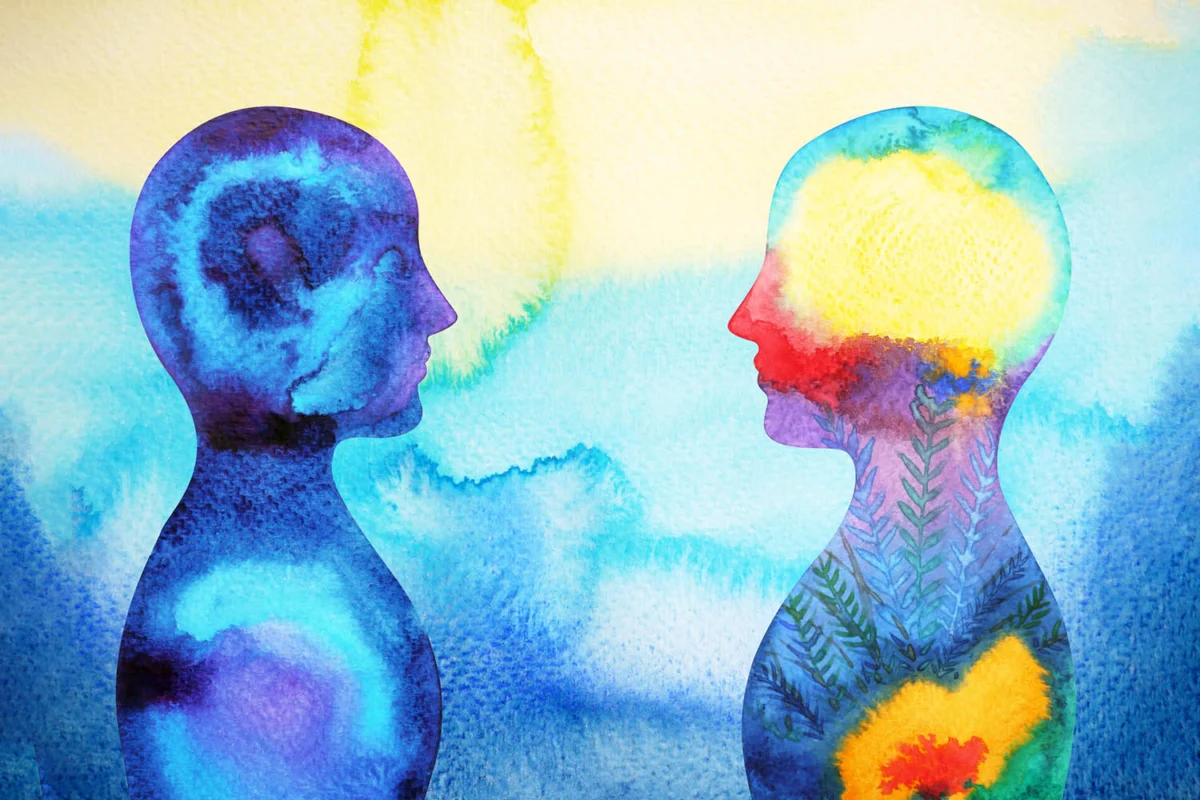
The implications of the nurse’s journey suggest a radical reimagining of mental health care. If, as she suggests, "insanity can be a safe place when the world is even more insane," then the goal of therapy should not be to forcibly bring a person back to a "consensus reality" they find intolerable.
1. Moving from "Symptom Management" to "Meaning Making"
The nurse’s story implies that clinicians must look for the "parallel" between a patient’s internal narrative and their external reality. Instead of dismissing a belief as a "delusion," practitioners should ask what that belief provides for the patient—be it comfort, protection, or a way to process a past wound.
2. The Danger of "Othering"
The societal tendency to label and "cast aside" those with mental differences creates a cycle of isolation. When we "other" individuals, we drive them deeper into their own mentally created realities. The nurse suggests that "authentic connection and care" are the only tools capable of making a person feel safe enough to "come out of themselves."
3. Valuing Subjective Reality
The dream of "Hero" serves as a metaphor for the validity of subjective experience. If a person finds comfort in a reality that others cannot see, the most compassionate response is not to "interfere" or "fix" it, but to "be there for them."
4. Systemic Reform
The high rate of multi-labeling suggests the need for a more fluid, less punitive diagnostic system. The current "trial and error" approach to medication, which the nurse describes as an "uncertain venture," needs to be balanced with robust social support, trauma-informed care, and a recognition of the mind’s natural resilience.
In conclusion, the nurse’s transition from a clinical enforcer of the medical model to a witness of her son’s humanity highlights a vital truth: our minds are "amazing" and "creative." They build internal worlds to survive external chaos. Until the psychiatric system learns to value the person over the pathology, it will continue to "fail many of our own." The path forward, it seems, lies not in the precision of the label, but in the depth of the connection.