








For decades, chronic stress has been a medical paradox: widely acknowledged as a primary driver of systemic illness, yet notoriously difficult to quantify. Physicians have long relied on subjective questionnaires, erratic cortisol snapshots, or vague markers of systemic inflammation to gauge the "allostatic load"—the wear and tear on the body caused by prolonged stress. Now, a breakthrough in artificial intelligence is changing the diagnostic landscape, transforming standard medical imaging into a high-precision, objective gauge of the body’s long-term stress burden.
Researchers at the Johns Hopkins University School of Medicine have successfully developed a deep learning model capable of identifying the first-ever biomarker of chronic stress directly visible on standard, routine medical images. The findings, which represent a significant leap in preventive medicine, are slated for presentation next week at the annual meeting of the Radiological Society of North America (RSNA).
Main Facts: Measuring the Adrenal Response
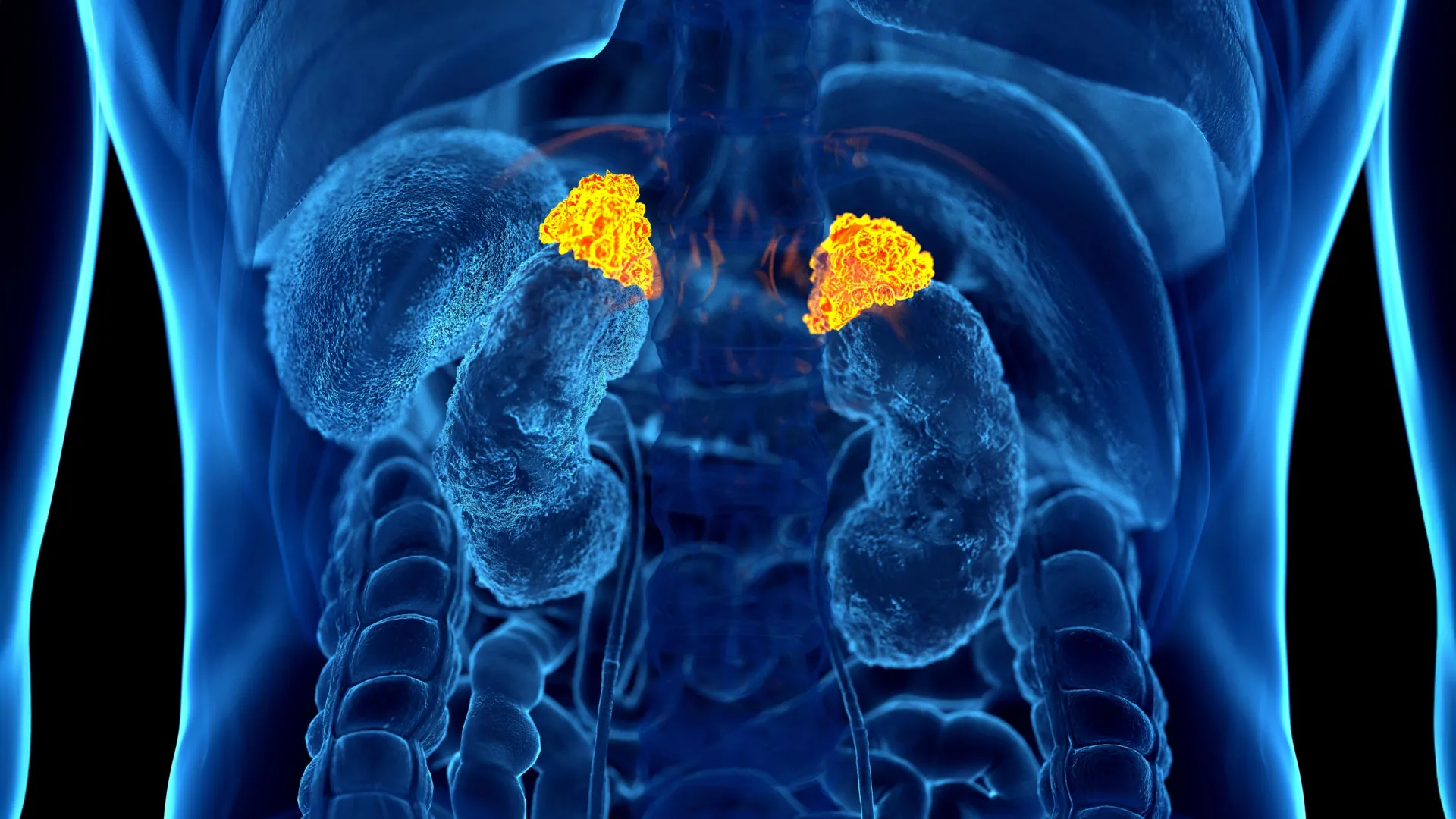
At the core of this discovery is the adrenal gland, a small but critical organ that serves as the command center for the body’s stress response. When an individual experiences chronic, persistent stress, the adrenal glands undergo physiological changes, often increasing in size as they work overtime to produce hormones like cortisol.
The research team, led by Dr. Elena Ghotbi, developed an AI-driven tool that automatically measures the volume of the adrenal glands using chest CT scans that have already been performed for other medical purposes. By calculating an "Adrenal Volume Index" (AVI)—defined as the adrenal volume in cubic centimeters divided by the square of the patient’s height—the researchers have created a non-invasive, quantitative metric that reflects the cumulative physiological impact of stress.
Unlike a standard blood or saliva test, which captures a "snapshot" of cortisol levels at a single moment in time, the AVI acts as a "long-term gauge." It provides a persistent, structural record of how the body has been responding to stress over weeks, months, or even years, effectively visualizing the internal toll that psychological pressure takes on human biology.
The Chronology of the Research
The development of this biomarker was a multi-year effort that required the integration of complex datasets. The journey began with the identification of a unique, multi-ethnic cohort through the Multi-Ethnic Study of Atherosclerosis (MESA). This study was uniquely positioned for the researchers’ goals because it was one of the few global projects that combined three disparate data sources for the same individuals: routine chest CT imaging, validated psychosocial stress questionnaires, and comprehensive biochemical markers.
- Cohort Assembly: The team analyzed data from 2,842 participants, with a mean age of approximately 69 years, ensuring a diverse demographic cross-section.
- Model Training: Dr. Ghotbi and her colleagues trained a deep learning algorithm to recognize and segment the adrenal glands from existing CT scans. This automation removed the need for manual, time-consuming radiologist intervention.
- Data Integration: The team then cross-referenced the AI-derived AVI scores with longitudinal health data, including salivary cortisol levels collected eight times daily over two-day periods, and "allostatic load" calculations (which include body mass index, glucose, heart rate, blood pressure, and inflammatory markers).
- Validation: Finally, the researchers compared the AVI scores against the 10-year follow-up data of the participants to determine if the imaging marker could predict actual clinical outcomes, such as heart failure.
Supporting Data: The Biological Evidence
The correlation between the Adrenal Volume Index and adverse health outcomes was striking. According to the study, higher AVI values were consistently linked to:
- Increased Hormonal Exposure: Higher AVI scores correlated with higher peak cortisol levels and greater overall cortisol exposure.
- Psychosocial Alignment: Participants who reported high levels of perceived stress on validated questionnaires consistently showed higher AVI values compared to their low-stress counterparts.
- Cardiac Structural Changes: The research established a direct link between the AVI and the "left ventricular mass index," a key indicator of heart health.
- Clinical Predictive Power: The data showed that for every 1 cm³/m² increase in the Adrenal Volume Index, there was a measurable increase in the risk of heart failure and death.
This validation provides the "missing link" that researchers have sought for years: a bridge between psychological subjective experience and observable, physical cardiovascular pathology.
Official Responses and Expert Perspectives
The research team has emphasized that the beauty of this biomarker lies in its accessibility. Because tens of millions of chest CT scans are performed annually in the United States alone, the infrastructure to implement this screening already exists.
"Our approach leverages widely available imaging data and opens the door to large-scale evaluations of the biological impact of chronic stress across a range of conditions using existing chest CT scans," said Dr. Elena Ghotbi. "This AI-driven biomarker has the potential to enhance cardiovascular risk stratification and guide preventive care without additional testing or radiation."
Senior author Dr. Shadpour Demehri, a professor of radiology at Johns Hopkins, highlighted the breakthrough nature of being able to "see" the invisible. "For the first time, we can ‘see’ the long-term burden of stress inside the body, using a scan that patients already get every day in hospitals across the country. Until now, we haven’t had a way to measure and quantify the cumulative effects of chronic stress, other than questionnaires, surrogate serum markers like chronic inflammation, and cortisol measurement, which is very cumbersome to obtain."
Dr. Teresa E. Seeman, a co-author and professor of epidemiology at UCLA, who has spent over three decades studying the health impacts of chronic stress, praised the methodology. "What makes this work so exciting is that it links a routinely obtained imaging feature, adrenal volume, with validated biological and psychological measures of stress and shows that it independently predicts a major clinical outcome. It’s a true step forward in operationalizing the cumulative impact of stress on health."
Implications for Future Clinical Practice
The implications of this technology are far-reaching. By incorporating the AVI into standard clinical workflows, radiologists could provide primary care physicians with an "early warning system" for patients who are at risk of stress-related illnesses but may not yet show symptomatic cardiovascular disease.
1. Shift Toward Preventive Cardiology
Currently, cardiovascular risk is often managed through lipid panels and blood pressure monitoring. Adding the AVI would allow clinicians to address the "hidden" driver of many of these issues: chronic stress. If an AI flag indicates an elevated AVI, physicians could intervene earlier with lifestyle modifications, stress-management therapy, or more frequent cardiovascular monitoring.
2. A Standardized Metric for "Allostatic Load"
For years, the concept of allostatic load has been a theoretical framework. By providing a measurable, physiological proxy for this concept, the Johns Hopkins team has moved it into the realm of practical medicine. This could standardize the way stress is reported in medical records, much like a cholesterol or glucose level.
3. Scalability and Cost-Effectiveness
Because the AI tool operates on scans that have already been ordered for other reasons (such as lung cancer screenings or pneumonia check-ups), the cost of obtaining this stress biomarker is effectively zero. It utilizes data that is currently sitting in digital archives, turning "wasted" imaging data into a powerful diagnostic tool.
4. Broadening the Scope of Stress-Related Diseases
While the current study focuses on cardiovascular health, the researchers believe the application could extend to any stress-related pathology, including autoimmune disorders, sleep disturbances, and metabolic syndromes. As the AI model is refined, it may be able to help researchers identify the specific types of stress patterns that lead to different disease trajectories in middle-aged and older populations.
Conclusion
The intersection of artificial intelligence and radiology is ushering in an era of "biomarker discovery" that was previously inconceivable. By unlocking the data hidden within the adrenal glands, the Johns Hopkins team has provided a definitive answer to the long-standing challenge of measuring the invisible toll of modern life. As this technology moves from the research phase to clinical implementation, it promises to shift the paradigm of medicine from reactionary treatment to proactive, stress-informed care, ultimately offering a clearer window into the profound connection between the mind and the body.