










Introduction: The Vanishing Convenience
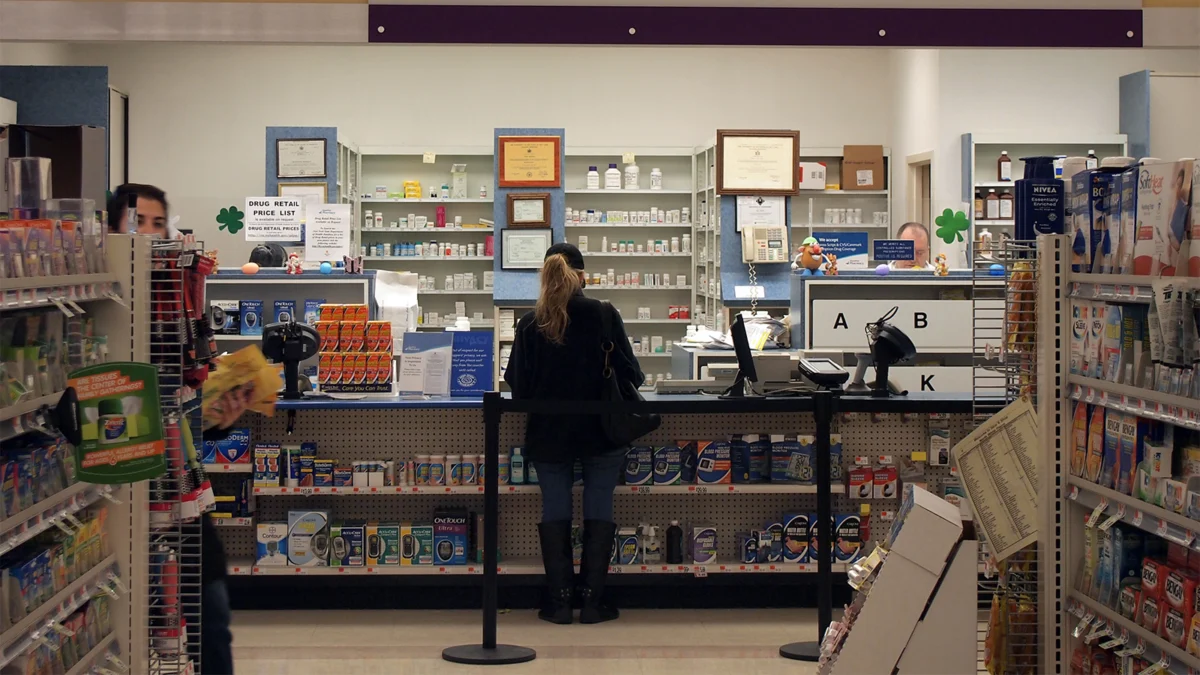
Over the weekend, a simple, mundane errand served as a poignant metaphor for a growing crisis in our service-based economy. My wife and I, returning from a late-afternoon movie, decided to stop at our neighborhood pharmacy to pick up a prescription. For three decades, this local, non-chain establishment had been a pillar of consistency, reliably closing its doors at 8:00 p.m.
However, arriving at 7:05 p.m., we found the lights dimmed and the doors locked. A pharmacist peered out, informing us that management had mandated a one-hour reduction in daily operating hours to cut costs. The "low-traffic" final hour, they reasoned, was no longer financially viable. While our specific need was not an emergency, the experience triggered a broader reflection: if our basic retail infrastructure is contracting, what does that mean for the far more complex, high-stakes world of healthcare access?
The Anatomy of a Healthcare Bottleneck
In medicine, access is the bedrock upon which all outcomes are built. When patients cannot reach their primary care physician (PCP) or specialist in a timely manner, the ripple effects are felt throughout the entire medical ecosystem.
The Overburdened Primary Care Pipeline
Primary care physicians are currently operating at a breaking point. Faced with ever-increasing administrative burdens and patient demand, many providers are forced to triage care in ways that were unheard of a generation ago. When a patient cannot get a timely appointment, the natural reaction of a stressed PCP is to refer the patient to a subspecialist. This "referral overflow" creates a secondary crisis: subspecialists become clogged with routine issues, leading to months-long waiting lists for patients who truly require specialized intervention.
Consequently, patients are often forced into a binary choice: wait for a primary care slot that may be weeks away or head to the emergency department (ED) or an urgent care center for issues that were historically managed within the medical home. This is not merely an inconvenience; it is a system-wide inefficiency that drives up costs and degrades the continuity of care.
The Portal Paradox
The rise of the digital patient portal has introduced a new dynamic to this tension. On the surface, the ability to message a physician is a triumph of modern connectivity. I value the ability to resolve simple clinical queries via text-based communication. It is efficient, documented, and patient-centric.
However, a dangerous expectation has emerged: the belief that complex, acute medical situations can be managed with the same casual, asynchronous speed as a work email. Recently, I have encountered an alarming trend of patients using portals to request diagnostic orders—imaging, lab work, or specialist referrals—without a prior clinical evaluation.
Most concerning are reports from elderly patients who, after a fall, use the portal to request an x-ray for persistent pain. While there are scenarios where a "first-pass" x-ray is a safe and logical clinical step, these requests often ignore the underlying clinical complexity. A patient might be requesting imaging for five different body parts while adamantly refusing an in-person assessment at an urgent care center. This leaves the physician in an impossible position: how do you safely rule out a traumatic brain injury, a fracture requiring reduction, or internal trauma through a text-based portal?
The Technological Frontier: Can AI Bridge the Gap?
If we cannot simply hire more physicians—a solution currently hampered by economic realities and long training pipelines—we must fundamentally redefine what "access" means. We need to build new touchpoints that move beyond the limitations of the portal, the ED, and the urgent care center.
Generative AI as a Triage Engine
Technology, specifically generative AI, offers a potential path forward. Imagine an AI system trained to perform the initial clinical interrogation—a "digital intake" that mirrors the questions a physician would ask to establish a differential diagnosis. By systematically ruling out "red flags" (like confusion following a fall or neurological deficits), such a system could effectively categorize patient complaints into "acute and minor" versus "acute and potentially life-threatening."
By integrating this with virtual reality (VR) or advanced video-visit platforms, we could create a new tier of care. This would not replace the doctor, but rather augment them, ensuring that by the time a physician reviews the case, the preliminary data is clean, organized, and clinically actionable. This could prevent the "over-testing" cycle that currently plagues our system, where fear of missing a diagnosis leads to reflexive ordering of expensive, unnecessary imaging.
A Vision for the Future: The Robotic Pharmacy
Returning to the pharmacy model, consider the efficiency we might achieve through automation. If we can envision a future where a prescription is sent from a doctor’s office directly to an automated robotic dispenser—one that operates 24/7, verifies the order, and delivers it to a secure, credit-card-enabled locker—the role of the pharmacist shifts entirely.
Freed from the labor-intensive, repetitive task of counting pills and affixing labels, pharmacists could return to the top of their license: co-management of chronic diseases, patient education, medication reconciliation, and high-level clinical coordination. This is not about removing humans from the loop; it is about elevating the human role to tasks that require judgment, empathy, and expertise, rather than manual labor.
Official Responses and Industry Implications
The healthcare industry is currently divided on the integration of these technologies.
- The Pro-Innovation Camp: Argues that without AI-driven triage, the system will inevitably collapse under the weight of an aging population and the chronic shortage of primary care providers. They point to the reduction in "alert fatigue" and administrative busywork as a primary benefit.
- The Patient Safety Advocates: Caution that there is no substitute for the physical exam. They warn that relying on AI or virtual triage could lead to "missed diagnoses" if the technology fails to capture subtle non-verbal cues that a seasoned physician would notice in an in-person visit.
The consensus among health policy experts, however, is that the status quo is untenable. We are currently in a state of "clinical stagnation" where the demand for care has outpaced our delivery mechanisms.
Implications for the Healthcare System
The path forward requires a three-pronged approach:
- Administrative Offloading: Utilizing ambient AI systems to handle the "busy work" of patient intake and basic triaging, allowing physicians to focus on complex decision-making.
- Redefining Triage: Implementing digital tools that can safely distinguish between the "worried well" and those requiring immediate emergency intervention, thereby reducing the strain on our EDs.
- Human-Centric Care: Ensuring that technology is used to augment the physician-patient relationship, not to replace it. The goal is to maximize the time a doctor spends in meaningful interaction with patients, rather than in data entry or gatekeeping.
Conclusion: The Path Ahead
I am not yet ready to close my office doors early, nor am I prepared to delegate the totality of patient care to algorithms. The "human touch" remains the most critical diagnostic and therapeutic tool in medicine. However, we must be honest about our limitations.
The pharmacy experience taught me that when we force humans to operate on outdated models of convenience, the system breaks. If we can find a way to integrate new technology to handle the triage and administrative burden, we can ensure that when a patient truly needs a human doctor, that doctor is not only available but has the time and resources to provide the care they were trained to deliver. This is not just a technological upgrade; it is a moral imperative for the future of our healthcare system.