








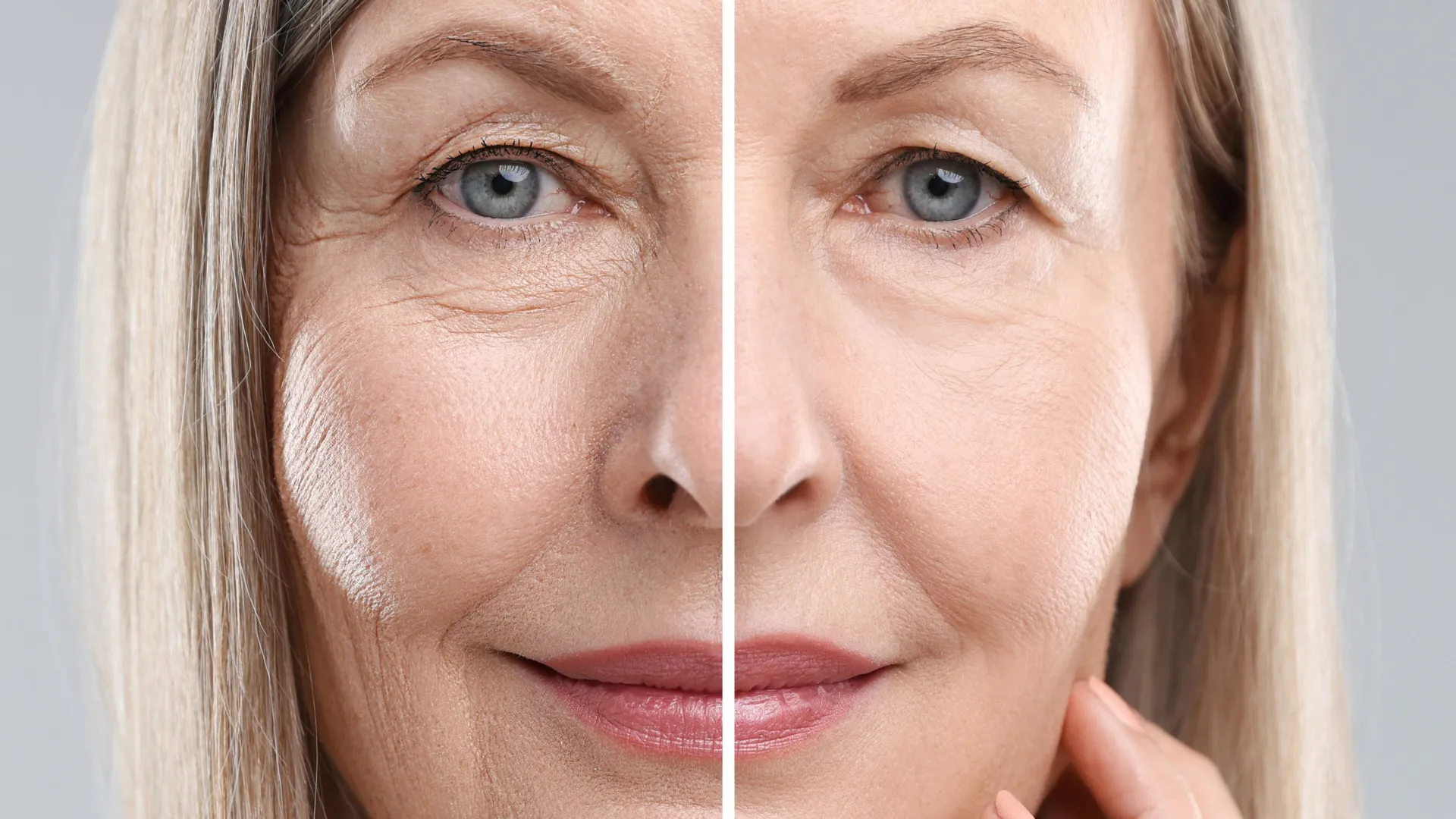
In the quest to unlock the secrets of longevity, science has long looked toward the microscopic markers of our cells rather than the calendar dates of our birth. A groundbreaking study recently published in the journal Aging Cell suggests that the fountain of youth may not be found in a lab-grown elixir, but on our dinner plates. Researchers from the University of Sydney have discovered that for adults aged 65 to 75, significant, positive shifts in "biological age" can occur in as little as four weeks simply by modifying the ratio of macronutrients—specifically fat and protein—in their daily diet.
While the study provides a tantalizing glimpse into the potential for dietary intervention to slow the aging process, the authors remain grounded in scientific rigor. They caution that while these results are a significant milestone, they serve as a foundation for future inquiry rather than a definitive cure for the aging process.
Understanding Biological Age: Beyond the Calendar
To appreciate the significance of these findings, one must first distinguish between chronological age and biological age. Chronological age is the simple count of years since birth, a fixed metric that marches forward regardless of lifestyle choices. Biological age, however, is a dynamic reflection of how well an individual’s cells and organs are functioning. It represents the physiological "wear and tear" accumulated over time.
Biological aging is inherently personal. It is influenced by a complex interplay of genetics, environmental exposure, stress management, and, perhaps most pivotally, nutritional intake. Scientists estimate biological age by analyzing specific biomarkers—measurable physiological indicators that serve as proxies for health status.
In the University of Sydney study, researchers utilized a robust panel of 20 distinct biomarkers to calculate the biological age of 104 participants. These markers included, among others, insulin levels, cholesterol profiles, and C-reactive protein (CRP), a key indicator of systemic inflammation. By tracking these metrics, the researchers were able to quantify the "internal clock" of each participant, providing a more granular view of health than a standard physical examination could offer.
The Study Protocol: A Controlled Dietary Experiment
The research, conducted at the University’s Charles Perkins Centre as part of the "Nutrition for Healthy Living" initiative, was designed with meticulous care. The participants—all non-smokers between the ages of 65 and 75 with a body mass index (BMI) between 20 and 35—were screened to ensure they had no pre-existing conditions such as type-2 diabetes, cancer, or advanced renal and liver diseases.
To test the efficacy of different nutritional approaches, the 104 participants were randomly assigned to one of four specific diet plans. A critical constraint was placed on protein intake: for all four groups, protein accounted for exactly 14 percent of total energy intake. The variations were found in the source of that protein and the composition of fats and carbohydrates:
- Omnivorous High-Fat (OHF): Half of the protein was derived from animal sources; high fat, low carbohydrate.
- Omnivorous High-Carbohydrate (OHC): Half of the protein from animal sources; low fat, high carbohydrate.
- Semi-Vegetarian High-Fat (VHF): 70 percent of protein from plant sources; high fat, low carbohydrate.
- Semi-Vegetarian High-Carbohydrate (VHC): 70 percent of protein from plant sources; low fat, high carbohydrate.
By keeping the protein percentage constant, researchers could isolate the effects of the protein source (animal vs. plant) and the balance of fats and carbohydrates on the participants’ biological age markers.
Results: Where the Clock Began to Turn
The findings were striking in their speed. After just 28 days, the researchers observed measurable shifts in the participants’ biomarker profiles.
The most intriguing result was that the group assigned to the Omnivorous High-Fat (OHF) diet—which most closely mirrored the typical, pre-study eating habits of the participants—showed no significant change in their biological age. This suggests that the status quo, in terms of standard dietary patterns for older adults, may be maintaining the current rate of biological aging rather than slowing it.
Conversely, the other three groups—the OHC, VHF, and VHC—all showed a statistically significant reduction in biological age. The "winner" in terms of the strongest evidence was the Omnivorous High-Carbohydrate (OHC) group. This group consumed a diet where 14 percent of energy came from protein, 28–29 percent from fat, and 53 percent from carbohydrates.
These findings imply that even without fully transitioning to a strict vegetarian diet, simply reducing the proportion of fat and increasing the intake of complex carbohydrates can trigger favorable physiological changes in older adults within a very short window of time.
Expert Analysis: The Road Ahead
Dr. Caitlin Andrews, the study’s lead researcher from the University of Sydney’s School of Life and Environmental Sciences, believes the results open a vital new conversation about late-life nutrition.
"This research offers an early indication of the potential benefits of dietary changes later in life," Dr. Andrews noted. However, she was quick to manage expectations. "It is too soon to say definitively that specific changes to diet will extend your life. We are seeing a snapshot of physiological improvement, but the long-term implications for mortality and disease prevention remain the subject of ongoing research."
Associate Professor Alistair Senior, who supervised the research, echoed this sentiment, emphasizing the necessity of longitudinal studies. "Longer-term dietary changes are needed to assess whether these shifts alter the risk of age-related diseases," Senior stated. "We have observed a promising change in biomarkers, but we need to understand if these changes are sustained over years or decades and whether they correlate with a reduction in the incidence of conditions like cardiovascular disease, cognitive decline, or metabolic dysfunction."
Implications for Public Health and Longevity
The implications of this study are far-reaching. As the global population ages, the burden of age-related chronic disease is expected to skyrocket. If a modest shift in macronutrient intake can effectively "reset" or slow the biological clock, the public health benefits could be monumental.
For the individual, the findings provide a sense of agency. The idea that one is not merely a prisoner to their chronological age—and that the internal degradation of the body might be partially reversible through intentional, evidence-based nutrition—is a powerful shift in the paradigm of geriatric health.
Key Takeaways for Future Research:
- Sustainability: Future studies must determine if these biological age reductions persist beyond the four-week window or if the body eventually adapts, returning to its baseline.
- Diverse Cohorts: The study focused on a specific age range and health profile. Further research is required to see if these effects are consistent across different ethnic groups, socioeconomic backgrounds, and health statuses.
- Mechanistic Clarity: Scientists still need to identify the exact metabolic pathways through which these dietary shifts influence the 20 biomarkers studied. Understanding the "why" will be as important as confirming the "what."
Conclusion
The study from the University of Sydney serves as a beacon of hope in the scientific pursuit of healthy aging. While we are not yet at the point where we can prescribe a "diet for eternal youth," the data provides clear evidence that our biological internal state is highly responsive to what we eat, even in our later years.
By demonstrating that dietary modifications can produce rapid, positive changes in biomarkers associated with longevity, Dr. Andrews and her team have laid the groundwork for a new chapter in nutritional science. As researchers look to conduct longer, larger studies, the message remains clear: it is never too late to reassess the fuel we provide our bodies. Whether through increasing plant-based proteins or recalibrating the balance of fats and carbohydrates, the path toward a healthier, more biologically resilient life may be closer than we think.