In the landscape of modern fitness, we often prioritize high-intensity training, heavy lifting, or marathon-distance cardio. However, for those navigating their sixties and beyond, the most critical metric for health is not found in how much weight you can push, but in how effectively you can maintain functional independence.
According to fitness experts, one of the most reliable, accessible, and scientifically backed indicators of this independence is the "wall sit." This simple, equipment-free exercise serves as a diagnostic tool for lower-body strength, stability, and cardiovascular health. But what exactly constitutes "elite" strength once you’ve crossed the age of 60?
The Core Metric: Understanding the Wall Sit Test
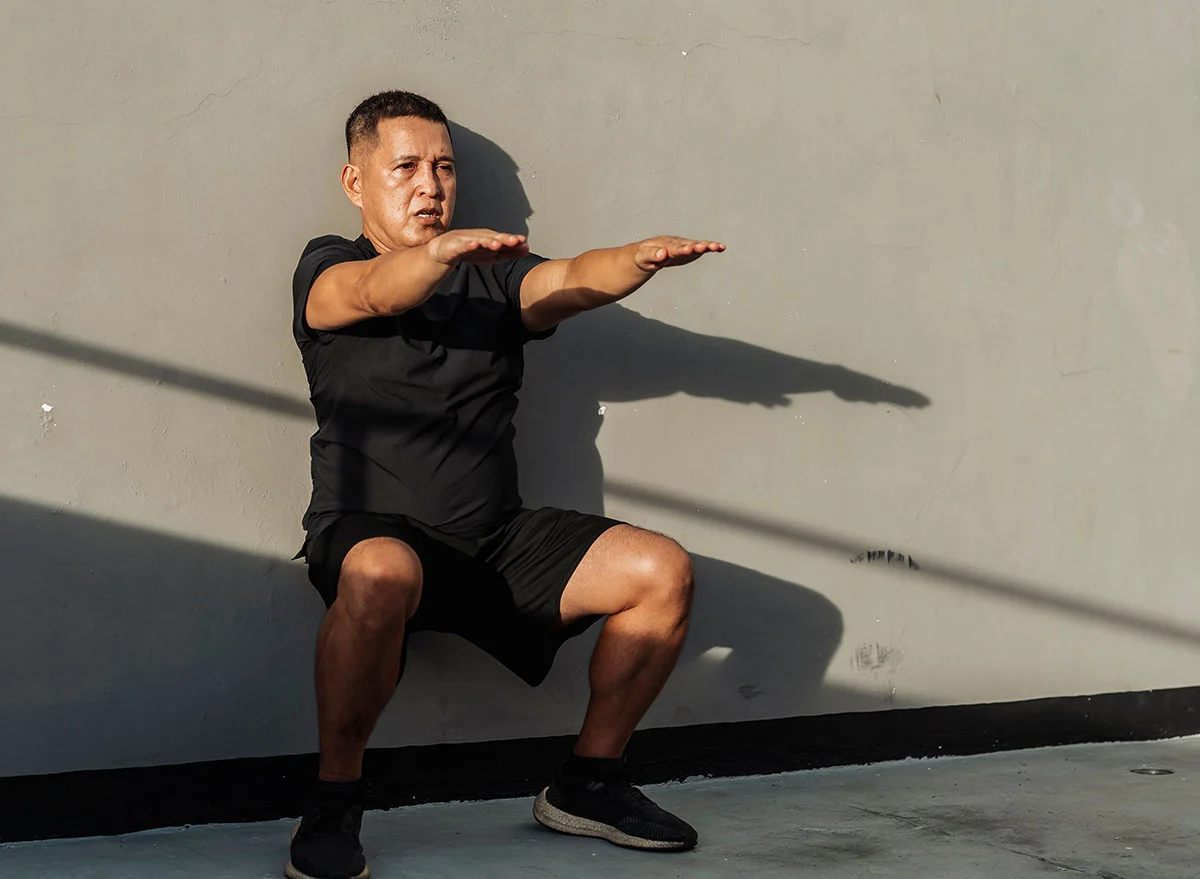
At its heart, the wall sit is an isometric exercise—meaning it involves muscle contraction without the lengthening or shortening of the muscle fibers. By pinning your back against a wall and dropping into a seated position, you force the quadriceps, hamstrings, glutes, and calves to work in tandem to support your body weight against the persistent pull of gravity.
Leon Veal, a Level Three Personal Trainer and Director of Business Operations at Styrkr, emphasizes that the wall sit is far more than a "leg burner." It is a precise measure of isometric endurance, a component of fitness that directly correlates to our ability to navigate the physical world.
"When we talk about aging gracefully, we are really talking about maintaining the ability to perform activities of daily living," says Veal. "Whether it is rising from a low chair, climbing a flight of stairs with groceries, or simply maintaining the posture necessary to prevent a fall, the muscles recruited during a wall sit are the primary drivers of those movements."
The Chronology of Strength: Why Decline Happens
To understand why we test for leg strength, we must acknowledge the biological reality of aging. As we move past the age of 30, and more rapidly after 50, the body undergoes a natural process called sarcopenia—the progressive loss of skeletal muscle mass and strength.
- The 30s to 50s: Initial, often imperceptible, declines in fast-twitch muscle fibers begin to occur.
- The 60s Milestone: This is a crucial pivot point. Research indicates that if an individual does not engage in consistent resistance or isometric training during this decade, the rate of muscle loss can accelerate, leading to a decline in balance and metabolic health.
- The Preventive Approach: The wall sit serves as a "check-engine light." If you find that your hold time is significantly lower than average, it is not a diagnosis of failure, but rather a clear, actionable signal that your lower-body kinetic chain requires specific intervention.
Defining "Elite" Status After 60
For those looking to benchmark their fitness against the highest standards, the data is clear. While the average healthy individual might aim for a 30-to-45-second hold, "elite" status is reserved for those who can maintain form for significantly longer.
According to Veal’s professional assessment:
- The Gold Standard: Holding a wall sit for 60 seconds or more is a profound achievement for any age group, indicating robust muscular endurance.
- The Elite Benchmark: If you are over 60 and can maintain a perfect wall sit for 90 seconds or longer, your lower-body endurance is firmly in the "elite" category.
- Gender-Specific Goals: While every individual is different, general fitness benchmarks suggest that a one-minute hold is an excellent goal for women, while 90 seconds serves as a high-performance benchmark for men.
Achieving these times does more than look good on a fitness log; it provides a physiological buffer against the risks of frailty.
The Physiological Implications: More Than Just Muscle
The benefits of the wall sit extend far beyond the muscles of the legs. Recent studies have highlighted the unique impact of isometric holds on the cardiovascular system.
Blood Pressure Regulation
A notable study published in journals focusing on exercise physiology suggests that isometric training, such as the wall sit, can be remarkably effective at lowering resting blood pressure. Unlike dynamic weightlifting, which can temporarily spike blood pressure, the steady, controlled contraction of an isometric hold encourages better blood flow regulation and can improve vascular endothelial function over time.
Core Activation and Postural Stability
While the legs are the primary focus, the wall sit is an accidental core workout. To maintain the position without slipping or rounding the shoulders, you must engage your abdominal wall and lumbar stabilizers. This full-body recruitment is why the wall sit is frequently prescribed in physical therapy to correct pelvic tilt and improve spinal alignment.
Proper Form: The Difference Between "Holding" and "Training"
A common mistake in fitness testing is prioritizing time over form. A 90-second hold with rounded shoulders, knees caving inward, or heels lifted off the floor provides little benefit and potentially increases the risk of strain.
To ensure your test results are accurate and your training is safe, follow these steps:
- The Setup: Stand with your back against a flat wall, feet shoulder-width apart and about two feet in front of you.
- The Descent: Slowly slide your back down the wall until your knees and hips are at a 90-degree angle. Your thighs should be parallel to the floor.
- The Alignment: Ensure your knees are directly over your ankles. If your knees extend past your toes, move your feet slightly further forward.
- The Hold: Press your lower back firmly into the wall. Keep your chest up and your gaze forward. Engage your core as if you are bracing for a gentle poke in the stomach.
- The Finish: Hold until your form begins to break. If your thighs start to tremble, that is the muscles signaling fatigue—this is where the real training begins.
Strategies for Improvement
If you find yourself struggling to reach the one-minute mark, do not be discouraged. Isometric strength is highly adaptable.
- Progressive Overload: Start by doing three sets of 20-second holds with 30 seconds of rest in between. Each week, add five seconds to your hold time.
- Consistency: Because wall sits require no equipment, they are the perfect "habit-stacking" exercise. Perform them while waiting for your morning coffee or during a commercial break.
- Mind-Muscle Connection: Focus on actively squeezing your quadriceps throughout the duration of the hold. The more you consciously contract the muscle, the more effective the stimulus will be.
Expert Perspectives on Long-Term Wellness
The medical community is increasingly moving toward a "functional longevity" model. This approach argues that we should not just focus on lifespan, but on "healthspan"—the number of years we live in good health.
Leon Veal notes that the simplicity of the wall sit is its greatest strength. "In a world of complicated gym machines and expensive wearables, the wall sit remains one of the most honest tests of human vitality," he says. "It tells you everything you need to know about your foundation. If your foundation is strong, the rest of your health—cardiovascular, metabolic, and neurological—has a much better chance of staying strong as well."
Conclusion: The Path Forward
The quest for elite leg strength after 60 is not about vanity or athletic competition; it is about reclaiming autonomy. By testing your endurance with a wall sit, you are taking a proactive step toward preventing injury, maintaining your mobility, and ensuring that you have the physical capacity to enjoy the later chapters of your life with vigor.
Whether you hit the 90-second mark today or are just beginning your journey at the 20-second mark, the goal remains the same: steady, incremental progress. Your legs are the pillars of your life—treat them with the strength training they deserve, and they will support you for years to come.