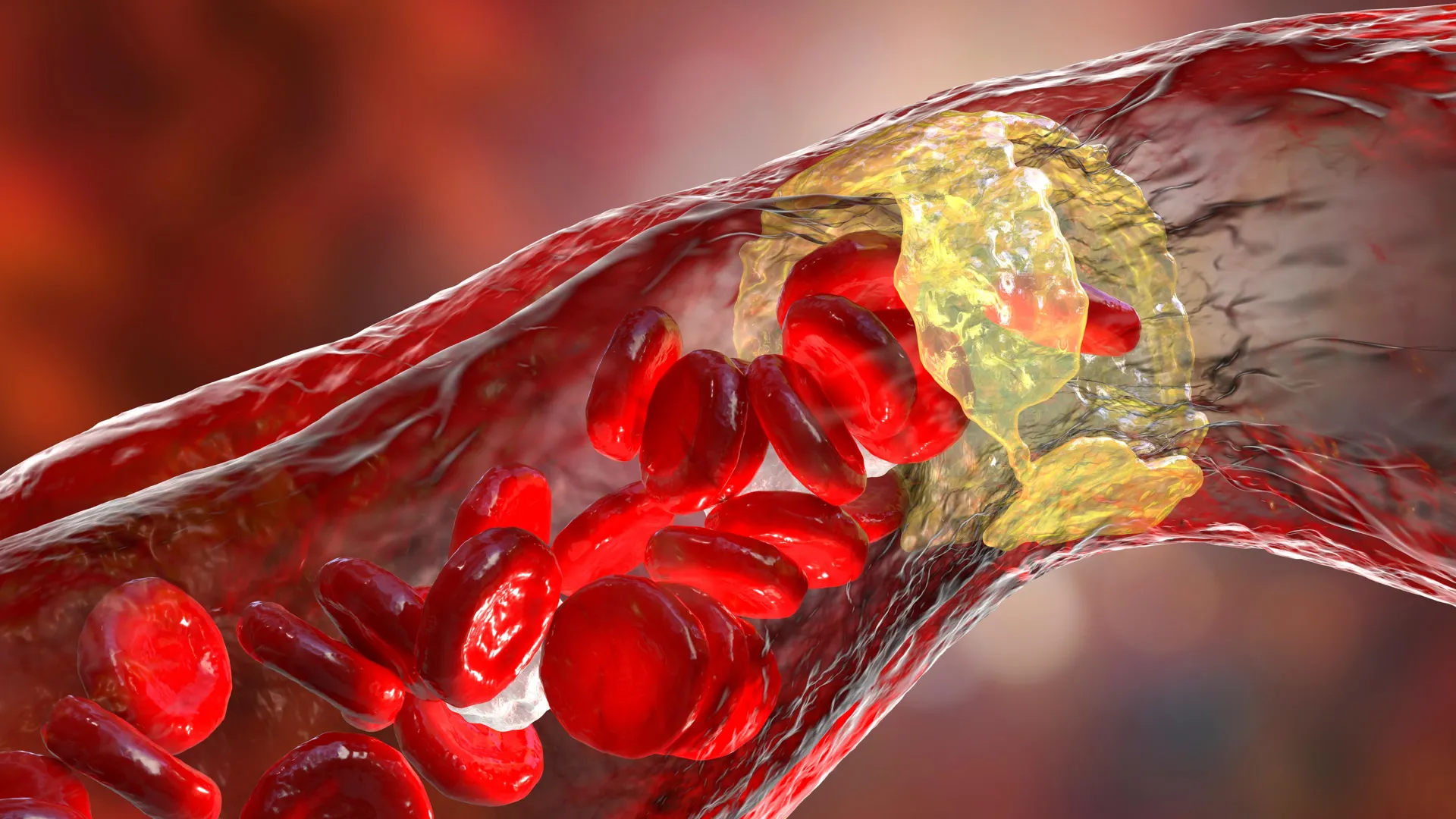
In an era defined by the ubiquity of synthetic materials, the pervasive nature of plastic has transcended our oceans and landfills, infiltrating the very bloodstream of the modern world. A groundbreaking study conducted by a multidisciplinary team at the University of California, Riverside (UCR), has uncovered a sobering reality: routine exposure to microplastics may be a silent catalyst for atherosclerosis, the dangerous narrowing and hardening of arteries that serves as a precursor to heart attacks and strokes.
Published in the journal Environment International, the study provides some of the most compelling evidence to date that these microscopic particles are not merely inert environmental pollutants, but active agents of biological disruption. Perhaps most strikingly, the research revealed a stark gender disparity, with male subjects exhibiting significant arterial damage while female subjects remained seemingly unaffected—a finding that opens a new frontier in cardiovascular research.
The Invisible Invader: Understanding Microplastic Ubiquity
Microplastics—defined as synthetic polymer particles smaller than five millimeters—have become an inescapable feature of the Anthropocene. They are found in the deepest ocean trenches, the highest mountain peaks, and throughout the human food chain, from the water we drink to the salt we use to season our meals.
Recent clinical observations have increasingly detected these particles within human atherosclerotic plaques, yet a critical scientific question remained: are these particles merely innocent bystanders, or are they driving the disease process? The UCR study, led by Professor Changcheng Zhou of the UCR School of Medicine, sought to move beyond correlation to establish causation. By isolating the effects of microplastics in a controlled environment, the researchers have begun to map exactly how these synthetic invaders interact with our cardiovascular systems.
Chronology of the Investigation
The research project, which involved collaborators from Boston Children’s Hospital, Harvard Medical School, and the University of New Mexico Health Sciences, utilized a rigorous scientific framework to isolate the impact of microplastic exposure.
Phase 1: Model Selection and Baseline Establishment
The team employed a specialized strain of LDLR-deficient mice—a gold-standard model in cardiovascular research known for its susceptibility to atherosclerosis. To ensure that the results were not skewed by metabolic dysfunction, all subjects were placed on a low-fat, low-cholesterol diet, mimicking the intake of a lean, healthy individual. This was a crucial design choice, as it allowed the researchers to observe the effects of microplastics independent of obesity or high-cholesterol diets, which are traditional triggers for heart disease.
Phase 2: Exposure Protocol
Over a nine-week period, the mice were administered a daily dose of 10 milligrams of microplastics per kilogram of body weight. This dosage was carefully calibrated to reflect realistic levels of ingestion that a human might encounter through contaminated food and water supplies. Throughout the study, the team monitored body weight and lipid profiles, ensuring that no external metabolic variables were influencing the results.
Phase 3: Analysis and Sequencing
Upon completion of the exposure phase, the team performed a comprehensive analysis of the mice’s arterial health. Using advanced single-cell RNA sequencing, the researchers examined the gene activity within individual cells lining the arteries. This technique allowed for a granular look at how microplastics alter the internal workings of the vascular system, identifying precisely which cells were most vulnerable to the intrusion.
Supporting Data: A Stark Gender Divide
The results of the study were both definitive and unexpected. While both male and female mice were subjected to identical conditions, their physiological responses diverged sharply.
Male mice exhibited a significant acceleration of plaque formation. In the aortic root—the segment of the aorta directly connected to the heart—plaque buildup increased by 63%. Even more concerning was the development in the brachiocephalic artery, a major vessel in the upper chest; here, plaque accumulation surged by a staggering 624% compared to the control group.
Conversely, female mice exposed to the same levels of microplastics showed no significant progression of atherosclerosis. The research team confirmed that the damage in males was not caused by weight gain or shifts in blood cholesterol, as the lipid profiles of both groups remained stable. Instead, the data pointed toward a direct, localized disruption of the arterial environment.
Official Responses and Scientific Insights
Professor Changcheng Zhou, the lead researcher, noted that these findings align with a broader, often puzzling pattern in cardiovascular medicine. "Our findings fit into a broader pattern seen in cardiovascular research, where males and females often respond differently," Zhou stated.
The mechanism behind this discrepancy remains the subject of ongoing investigation. However, the researchers hypothesize that biological factors, specifically sex chromosomes and hormones, play a defensive role. "Although the precise mechanism isn’t yet known, factors like sex chromosomes and hormones, particularly the protective effects of estrogen, may play a role," Zhou explained.
Regarding the cellular impact, the study pinpointed the endothelium—the thin membrane that lines the inside of the heart and blood vessels—as the primary site of injury. Using fluorescently tagged microplastics, the team observed these particles concentrating within the endothelial layer.
"We found endothelial cells were the most affected by microplastic exposure," said Zhou. "Since endothelial cells are the first to encounter circulating microplastics, their dysfunction can initiate inflammation and plaque formation." When these cells are compromised, they lose their ability to regulate inflammation and circulation, creating a "perfect storm" for plaque development. Furthermore, the single-cell RNA sequencing revealed that microplastics activated pro-atherogenic gene pathways in both mice and human cells, suggesting that the biological alarm bells being rung by these particles are universal across species.
Implications for Global Health
The implications of this study are profound, suggesting that the "plastic age" may be imposing a hidden cost on human health that has yet to be fully accounted for by public health agencies.
The Challenge of Avoidance
As Professor Zhou candidly admits, "It’s nearly impossible to avoid microplastics completely." The particles are so pervasive that they have infiltrated the global air and water supply. However, the study advocates for a precautionary approach:
- Dietary Shifts: Reducing reliance on highly processed foods, which are frequently packaged in plastic, can significantly lower exposure levels.
- Container Awareness: Limiting the use of plastic food and water containers, particularly when heated, can reduce the migration of microplastics into consumables.
- Lifestyle Optimization: Since there is currently no medical procedure to "scrub" microplastics from the body, maintaining overall cardiovascular health through exercise, a balanced diet, and the management of known risk factors is the most effective defense.
Future Research Directions
The scientific community now faces the urgent task of translating these findings into actionable human health strategies. Professor Zhou and his colleagues have outlined several key areas for future exploration:
- Particle Variation: Investigating whether different types, sizes, or shapes of microplastics trigger more or less severe cardiovascular responses.
- Molecular Mechanisms: Deep-diving into the specific hormonal pathways that provide protection to females, which could potentially offer new therapeutic targets for preventing heart disease in both sexes.
- Epidemiological Studies: Determining if humans, who are exposed to these particles over decades rather than weeks, show similar patterns of vascular damage and gender susceptibility.
Conclusion: A Call to Action
The UCR study serves as a wake-up call regarding the physiological cost of our reliance on synthetic polymers. By establishing a direct link between microplastic exposure and endothelial dysfunction, the researchers have provided the scientific community with a new framework for understanding the rising rates of cardiovascular disease in an increasingly polluted world.
As microplastic pollution continues to rise, the need for international policy intervention and consumer awareness has never been greater. While we wait for larger-scale human clinical trials to confirm these findings, the message from the laboratory is clear: the particles that make our modern lives convenient may be doing irreparable damage to the very systems that sustain them. Protecting the heart in the 21st century may require not just medical intervention, but a fundamental shift in our relationship with the plastics that surround us.