











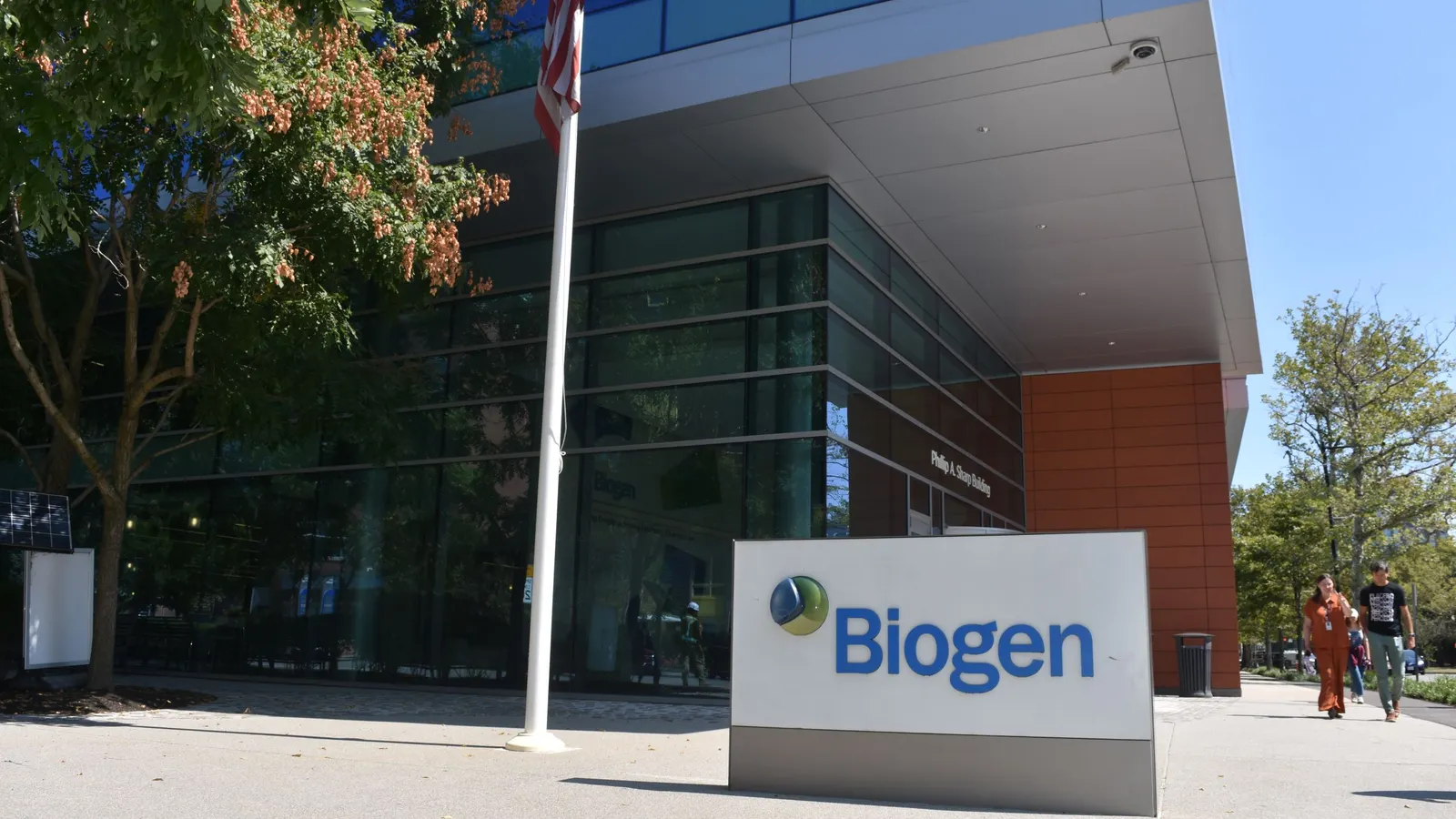
Biogen, the Cambridge-based biotechnology giant, has officially greenlit the advancement of its experimental Alzheimer’s disease candidate, BIIB080, into late-stage clinical testing. The decision, announced following a detailed analysis of Phase 2 trial data, represents a critical juncture for a company currently seeking to revitalize its neuroscience portfolio after years of fluctuating revenues and shifting market expectations. While the company expressed confidence in the "strength of the biomarker and efficacy data," the announcement has been met with a complex reaction from the investor community, characterized by cautious optimism and pointed questions regarding the drug’s dose-response profile.
The Core Development: Moving Toward Phase 3
The decision to push BIIB080 into pivotal, late-stage trials is a significant vote of confidence in the drug’s potential to address the underlying pathology of Alzheimer’s. Unlike earlier generations of monoclonal antibodies that target amyloid-beta plaques, BIIB080 utilizes an antisense oligonucleotide (ASO) approach. By modulating the production of the tau protein—a hallmark of neurodegeneration—the drug aims to halt the progression of cognitive decline at a fundamental genetic level.
Biogen’s leadership team emphasized that the decision to proceed was grounded in consistent biomarker evidence observed throughout the 76-week study. For a company that has navigated the turbulent regulatory waters of previous Alzheimer’s treatments, the transition to Phase 3 is not merely a scientific milestone; it is a strategic imperative to prove that its pivot toward more targeted, genetic-based therapies is yielding tangible results.
Chronology: A Path to the Clinic
The development history of BIIB080 is a testament to the long-cycle nature of pharmaceutical innovation.
- 2019: Biogen secures worldwide rights to the asset through a strategic licensing agreement with Ionis Pharmaceuticals, a leader in RNA-targeted therapies. This move signaled Biogen’s intent to move beyond its traditional focus areas.
- 2020-2023: Pre-clinical validation and early-phase safety trials characterize this period, as the company worked to optimize delivery methods for the ASO-based treatment.
- May 2026: Biogen releases topline results from the 76-week, placebo-controlled Phase 2 trial. The data release, while offering a pathway to late-stage development, immediately triggered market volatility as analysts parsed the "oddities" in the reported clinical response.
- Post-Data Announcement: Shares of Biogen experienced a 5% decline following the initial premarket excitement, reflecting the market’s struggle to reconcile the positive biomarker signals with the unexpected dose-dependency trends.
Supporting Data: The Puzzle of Dose-Response
The heart of the debate surrounding BIIB080 lies in the data from the 76-week trial. The study evaluated three specific cohorts: patients receiving a 60mg dose every 24 weeks, and those receiving a 115mg dose at either 12-week or 24-week intervals. The drug is administered via intrathecal injection, a procedure that targets the cerebrospinal fluid directly, ensuring the medication bypasses the blood-brain barrier.
The Linear Paradox
In standard pharmacological development, researchers look for a linear dose-response—the assumption that higher or more frequent doses lead to greater clinical efficacy. The BIIB080 data, however, presented a more ambiguous picture. Analysts, including Stifel’s Paul Matteis, have noted that the lack of a clear, linear relationship between dose intensity and clinical outcome is a "definite open question."
If the higher doses do not demonstrably outperform the lower doses, the burden on Biogen to justify the risk-benefit profile of the drug increases. Regulatory bodies, particularly the FDA, typically require a clear understanding of the dose-response relationship to establish the safety and efficacy of new agents. The company now faces the challenge of clarifying these signals as they design the protocols for the upcoming Phase 3 trials.
Industry Implications and Analyst Perspectives
The pharmaceutical industry is watching BIIB080 closely, as it represents a shift toward "disease-modifying" treatments for neurodegenerative conditions.
The Bull Case
Brian Abrahams, an analyst at RBC Capital Markets, acknowledged that any therapeutic success in targeting tau could be a "big long-term win." The ability to reduce the accumulation of toxic tau protein inside and outside of cells offers a potential "holy grail" for Alzheimer’s treatment, potentially providing a secondary layer of protection alongside existing amyloid-focused therapies.
The Bear Case: Commercial and Clinical Hurdles
Despite the long-term potential, experts remain guarded. The primary concerns cited by analysts fall into three categories:

- Dose-Response Clarity: As noted by Stifel, the "oddities" in the data must be reconciled before the drug can be considered a clear success.
- Effect Size: There is currently a lack of granular detail regarding the actual magnitude of the clinical effect. Biomarker reduction (lowering tau levels) does not always correlate perfectly with cognitive improvement, a hurdle that has tripped up many previous Alzheimer’s drugs.
- Administration Profile: The requirement for intrathecal injections—a complex, invasive procedure—poses a significant barrier to widespread adoption. For BIIB080 to become a commercially viable blockbuster, Biogen may need to refine the delivery schedule or explore ways to minimize the frequency of these injections to improve the patient experience.
Strategic Context: Biogen’s Portfolio Rebalancing
The progress of BIIB080 comes at a defining moment for Biogen. Over the past five years, the company has seen steady revenue erosion from its legacy multiple sclerosis business. This has forced a rigorous, often painful, restructuring of its R&D priorities. By doubling down on programs with the "highest likelihood of success," Biogen is betting its future on its ability to navigate the complex biology of the brain.
BIIB080 is not just another project; it is the flagship of the company’s "genetic medicine" initiative. If successful, it would validate the company’s decision to outsource early-stage discovery to partners like Ionis while focusing its internal efforts on clinical execution and global commercialization.
Looking Ahead: The Road to Phase 3
As Biogen prepares for the next phase of testing, the pharmaceutical community will be looking for transparency. The company has promised to share more comprehensive data at upcoming medical conferences, which will be essential for calming investor nerves.
The path forward will require the company to:
- Refine the Protocol: Establish a clear dosing schedule that maximizes efficacy while maintaining a safety profile that the FDA finds acceptable.
- Demonstrate Clinical Meaningfulness: Beyond the molecular biomarkers, the company must prove that the drug slows the functional decline of patients in their daily lives.
- Manage Expectations: Communication will be key. By providing clear, detailed data on the Phase 2 results, Biogen can address the skepticism that followed the initial announcement and build a foundation of trust for the upcoming, much larger, and more expensive trials.
In conclusion, BIIB080 stands as a high-stakes experiment in the evolution of neurodegenerative medicine. While the road to approval remains fraught with uncertainty, the data suggests that Biogen is on the trail of a transformative, albeit complex, therapy. Whether the drug can overcome the challenges of clinical interpretation and patient accessibility will be the defining narrative of Biogen’s next chapter in the history of Alzheimer’s research. The company’s move into late-stage testing is a bold assertion that, despite the "oddities" and market volatility, they have found a signal in the noise—a signal they are prepared to defend on the global stage.