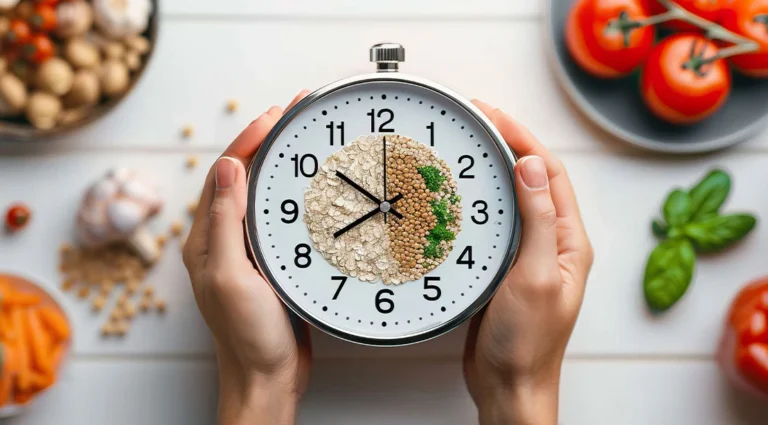











In the pursuit of health, the modern world is often dominated by complex nutritional protocols, caloric counting apps, and restrictive diet fads that promise rapid transformation. Yet, some of the world’s most robust and long-lived populations have thrived for centuries by following a principle far simpler—and arguably more effective—than any contemporary trend: hara hachi bu.
Originating from Confucian teachings in Japan, this cultural practice is essentially a mandate for moderation. It encourages individuals to cease eating when they are approximately 80% full, rather than eating until they are completely satisfied or "stuffed." As we navigate an era of hyper-palatable, ultra-processed convenience foods, this ancient philosophy is experiencing a global resurgence as a sustainable, mindful alternative to the cycle of chronic dieting.
The Core Philosophy: A Lesson in Moderation
Hara hachi bu is not a diet in the traditional sense; it is a behavioral philosophy. Rooted in the belief that the stomach should be filled only to a point of comfortable satiety, it serves as a gentle guardrail against overconsumption.
Unlike Western dieting, which often relies on external metrics—grams of protein, caloric budgets, or specific food exclusions—hara hachi bu relies on internal calibration. It asks the individual to reconnect with their body’s biological hunger and satiety signals. By prioritizing awareness, the practice transforms the act of eating from a mindless, rushed necessity into a deliberate experience of appreciation and balance.
The Science of Satiety: What the Data Tells Us
While "80% full" may sound like a subjective estimation, it is anchored in the biological reality of how the brain processes satiety. The gut-brain axis, a complex communication network, requires time to signal that the stomach has received sufficient nutrients. By slowing down, practitioners of hara hachi bu allow their hormonal responses—specifically the release of satiety hormones like leptin—to catch up with their physical consumption.
Nutritional Trends and Weight Management
Scientific literature, though still evolving regarding the specific "80% rule," strongly supports the health outcomes associated with this pattern of eating. Observational studies of populations in regions like Okinawa, Japan, where hara hachi bu is deeply embedded in the culture, show lower incidences of age-related metabolic diseases and lower average body mass indices (BMI).
Research indicates that individuals who practice this approach naturally gravitate toward a lower caloric intake without the psychological stress of "restriction." Furthermore, studies have shown that men who adopt this style of eating often shift their preferences toward nutrient-dense choices, such as increased vegetable consumption, rather than calorie-heavy, processed grains.
Bridging the Gap: Mindful and Intuitive Eating
Hara hachi bu serves as a precursor to what we now categorize as "mindful" and "intuitive eating." By fostering an awareness of why, when, and how much one eats, these methods are clinically proven to reduce the prevalence of emotional eating. When individuals move away from the "all-or-nothing" mentality of standard dieting, they reduce the risk of binge-eating cycles, which are often fueled by the physiological stress of strict caloric deficits.
The Modern Collision: Digital Distraction and Nutritional Decline
The challenge of implementing hara hachi bu in the 21st century is significant. We live in an era of "distracted dining." Recent surveys suggest that as many as 70% of adults, and an even higher percentage of children, consume meals while engaged with digital devices—smartphones, tablets, or televisions.
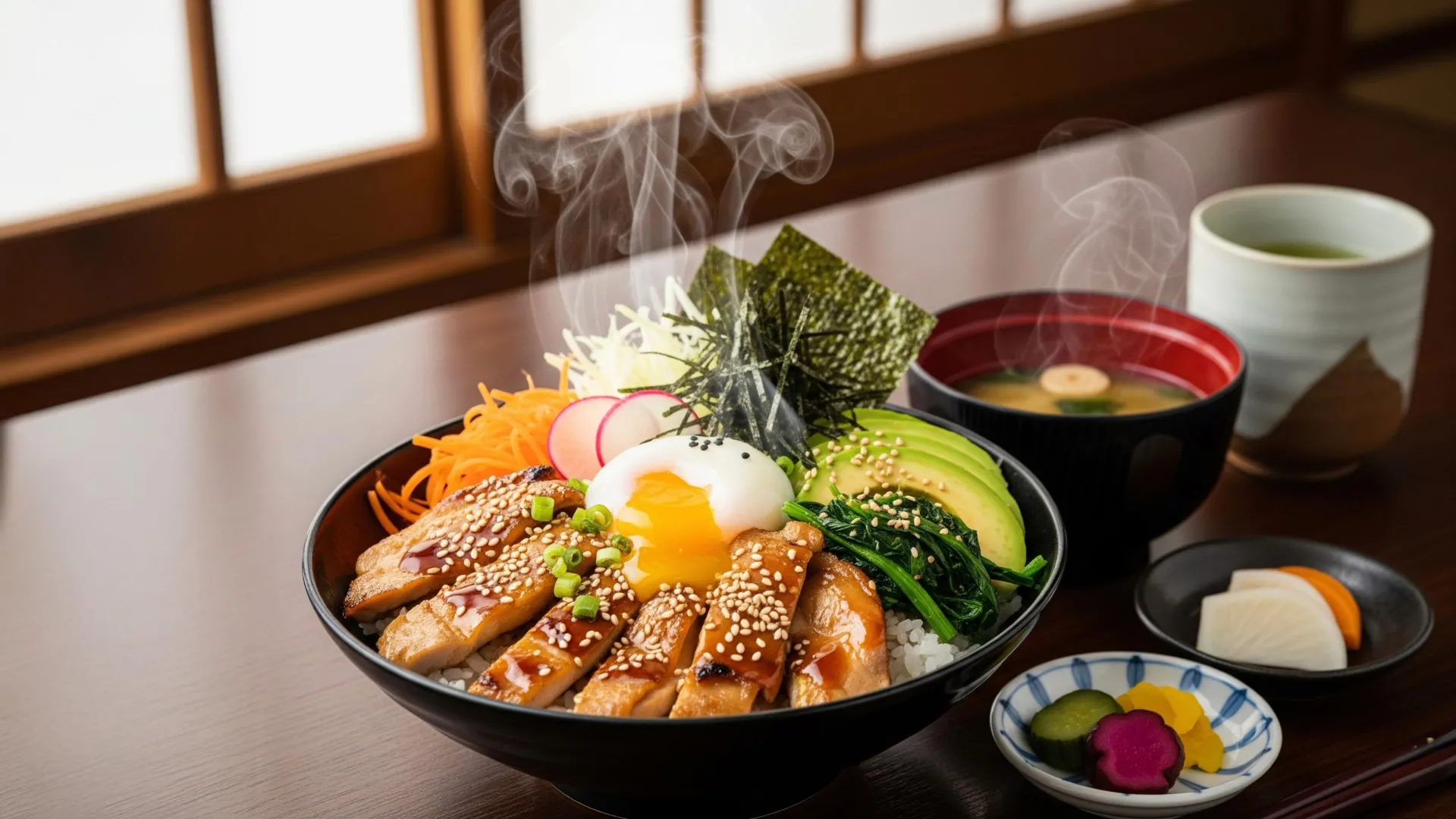
This distraction is not merely a social habit; it is a physiological hurdle. When the brain is focused on a screen, it struggles to register satiety cues. Research consistently links screen-time during meals to:
- Higher total caloric intake.
- Reduced consumption of fiber-rich fruits and vegetables.
- An increased risk of disordered eating patterns, including the inability to self-regulate food intake.
As one leading dietitian recently remarked, "We put food on a pedestal, obsess over it, talk about it, post about it—but so often, we don’t actually enjoy it." By shifting the focus back to the sensory experience of eating, hara hachi bu offers a remedy to this detachment, potentially improving digestive function and encouraging a deeper appreciation for nourishing food.
A Sustainable Path: Moving Beyond the Diet Cycle
One of the most compelling aspects of this Japanese practice is its sustainability. Strict diets often lead to a "yo-yo" effect—periods of extreme restriction followed by weight regain. Hara hachi bu circumvents this by promoting gradual, non-punitive changes.
Because it does not forbid specific food groups, it avoids the psychological phenomenon of "forbidden fruit" cravings. Instead, it creates a sustainable framework that can be maintained for a lifetime. It is a philosophy of addition—adding awareness, adding social connection, and adding intentionality—rather than subtraction.
Practical Implementation: How to Adopt the 80% Rule
Adopting hara hachi bu does not require a complete lifestyle overhaul. Instead, it requires a series of small, intentional adjustments:
- The Pre-Meal Check-in: Before your first bite, ask yourself: "Am I truly hungry?" Distinguish between physical hunger, which demands nourishment, and emotional cravings driven by stress, boredom, or fatigue.
- Cultivate Unplugged Dining: Create a "screen-free zone" at the dining table. Removing digital distractions allows you to listen to your body’s signals more clearly.
- Practice Mastication (Slow Eating): Chew slowly and savor the flavors. It takes roughly 20 minutes for the brain to signal fullness; by pacing yourself, you ensure your body has the time it needs to tell you when it is satisfied.
- Calibrate Your Satiety: If hunger is a 1 and extreme fullness (stuffed) is a 10, aim to stop at an 8. This is the point of comfortable satisfaction—you are no longer hungry, but you feel light and energized rather than sluggish.
- Prioritize Social Eating: When possible, share meals with others. Social connection is a powerful component of human health and is intrinsically linked to longevity.
- Focus on Nutrient Density: Choose foods that fuel your body. When you are mindful of your consumption, you naturally tend to choose foods that offer better nutritional returns.
- Embrace Self-Compassion: Perfection is not the goal. Awareness is. If you overeat, do not resort to guilt; simply reset your intention at the next meal.
Important Considerations and Contraindications
While the benefits of hara hachi bu are compelling, it is essential to approach the practice with nuance. It is not intended to be a tool for extreme restriction, and when misused as a weight-loss strategy, it can potentially mask or trigger unhealthy eating behaviors.
Furthermore, this approach is not one-size-fits-all. Individuals with specific physiological demands—including high-performance athletes, children in growth phases, and older adults with specific medical needs—may require different caloric strategies. Those with a history of eating disorders should always consult with a medical professional or registered dietitian before adopting any practice that involves monitoring fullness or caloric intake, as externalizing these signals can sometimes exacerbate underlying conditions.
Conclusion: A Timeless Philosophy for the Modern Era
At its core, hara hachi bu is a testament to the wisdom of balance. In a culture that often encourages us to ignore our limits, this ancient Japanese practice serves as a gentle, rhythmic reminder to honor our bodies. It is not about the quantity of food on the plate, but the quality of our relationship with it.
By slowing down, removing distractions, and choosing to stop when we are "comfortably satisfied," we reclaim the autonomy to nourish ourselves effectively. Whether viewed through the lens of longevity, weight management, or simply the desire for a more peaceful relationship with our meals, hara hachi bu offers a timeless roadmap for living well in an increasingly fast-paced world. Ultimately, the practice reminds us that the healthiest way to eat is not to eat less, but to eat with enough awareness to know when we have had just enough.