








Vitamin B2, a vital micronutrient essential for human health, has long been celebrated for its role in cellular energy production and the maintenance of healthy skin and eyes. However, a groundbreaking study from the Rudolf Virchow Centre (RVZ) at Julius-Maximilians-Universität Würzburg (JMU) has unveiled a startling biological paradox: the very mechanism that keeps our healthy cells resilient may also serve as a sophisticated shield for malignant tumors.
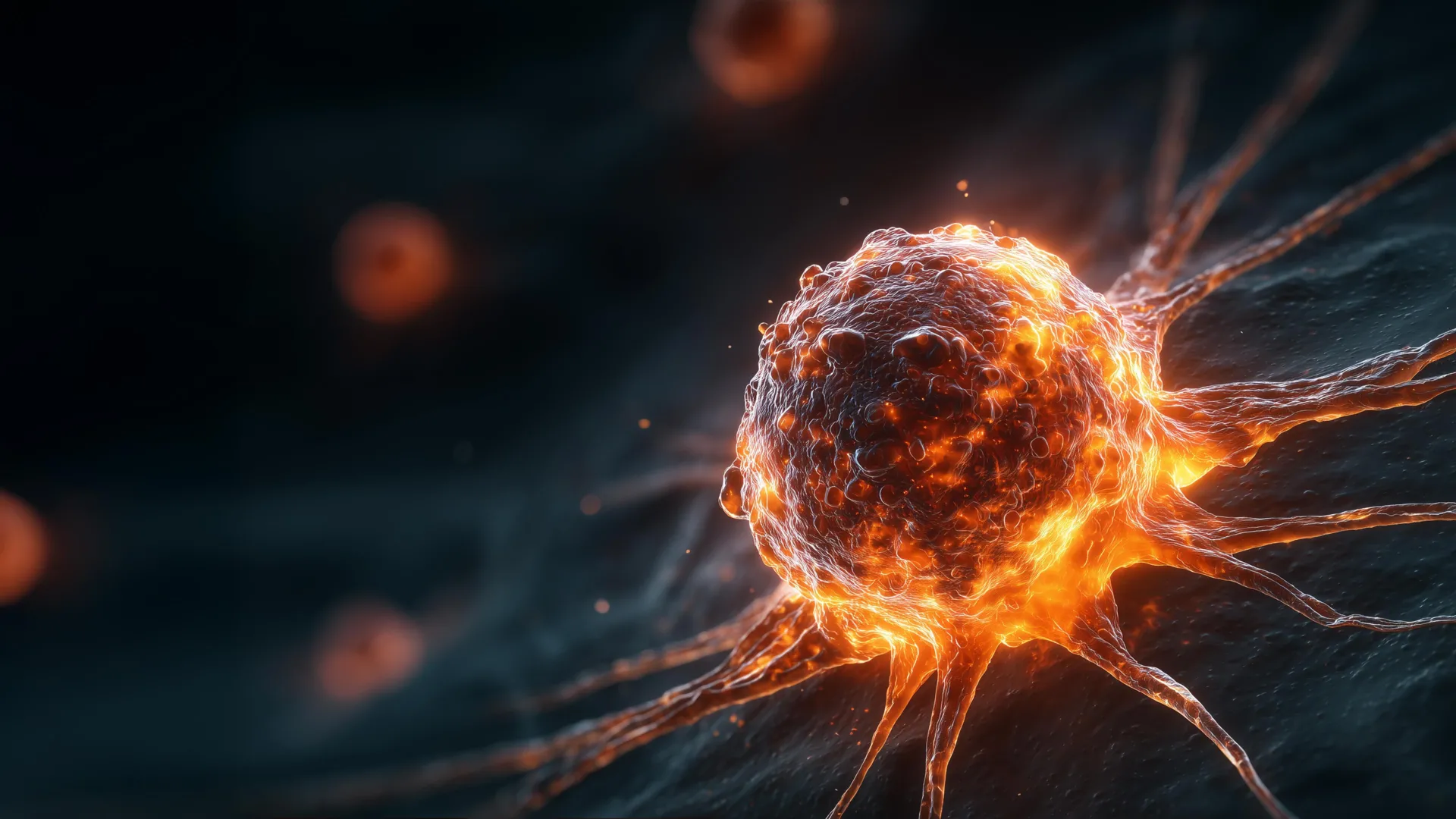
In a discovery that could fundamentally alter the landscape of oncology, researchers have found that vitamin B2 metabolism plays a pivotal role in preventing ferroptosis—a specific form of iron-dependent programmed cell death—in cancer cells. This discovery not only clarifies a hidden survival mechanism of tumors but also points toward a promising, albeit complex, new strategy for cancer therapy.
The Biological Paradox: Why We Need Riboflavin
Vitamin B2, chemically known as riboflavin, is an indispensable water-soluble vitamin. Because the human body lacks the ability to synthesize it internally, we rely entirely on dietary intake from sources such as dairy products, lean meats, eggs, and leafy green vegetables.
Once ingested, riboflavin is metabolized into cofactors that are essential for the body’s antioxidant defense systems. These molecules help neutralize free radicals and mitigate oxidative damage, effectively acting as a metabolic "safety net." For years, this protective capacity has been viewed exclusively as a benefit. However, the team at the RVZ, led by Professor José Pedro Friedmann Angeli, has demonstrated that cancer cells—which are masters of exploiting natural biological pathways for their own survival—have effectively "hijacked" this protective mechanism to avoid destruction.
Chronology of a Discovery: From Ferroptosis to Vitamin B2
The journey to this discovery began with a deeper inquiry into ferroptosis. Unlike apoptosis, the most well-known form of programmed cell death, ferroptosis is driven by the lethal accumulation of lipid peroxides—a process accelerated by the presence of iron. When a cell’s antioxidant defenses are overwhelmed, the lipid membranes of the cell essentially disintegrate, leading to a "controlled" death that prevents the release of inflammatory debris into surrounding tissue.
The Role of FSP1
Central to this research was the protein FSP1 (Ferroptosis Suppressor Protein 1). Known as a guardian of cell integrity, FSP1 protects cells from oxidative stress. The researchers set out to map the regulatory network surrounding FSP1 and discovered that the efficacy of this protein is inextricably linked to vitamin B2 metabolism.
In their initial genome-editing experiments, the team observed that when the metabolic pathways associated with riboflavin were restricted, cancer cells suddenly lost their primary shield. They became hypersensitive to iron-induced stress, suggesting that the "fortress" surrounding the cancer cells was built, in part, using vitamin B2.
Introducing Roseoflavin
To validate their findings, the researchers utilized roseoflavin, a natural analog of vitamin B2 produced by certain bacteria. Roseoflavin mimics the structure of riboflavin but acts as a metabolic antagonist. When introduced to cancer cell models, the compound successfully disrupted the protective machinery, triggering mass ferroptosis even at low concentrations. This successful proof-of-concept established that by selectively targeting the riboflavin metabolic pathway, it is possible to "de-shield" cancer cells and force them into death.
Supporting Data and Experimental Evidence
The study, recently published in the prestigious journal Nature Cell Biology, represents a rigorous investigation involving sophisticated genomic and metabolic profiling. The data indicates that the dependency of cancer cells on this specific metabolic pathway is significantly higher than that of healthy, non-malignant cells.
Key findings from the study include:
- Sensitivity Thresholds: Cancer cells showed a high degree of vulnerability to ferroptosis when FSP1 activity was decoupled from its vitamin B2-dependent cofactors.
- Metabolic Mapping: The researchers identified the specific enzymatic steps where riboflavin is converted into its active, protective form, providing clear "choke points" for potential drug intervention.
- Efficiency: Even in aggressive cancer models that typically resist traditional chemotherapy, the induction of ferroptosis via the blockade of riboflavin pathways proved highly effective.
Official Responses and Scientific Perspective
PhD student Vera Skafar, a lead researcher on the study, emphasized the clinical implications of these findings. "Vitamin B2 plays a crucial role in protecting cancer cells from ferroptosis," she noted. "By understanding this mechanism, we move from simply observing cancer growth to actively dismantling its defenses."
Professor Friedmann Angeli, head of the translational cell biology group, highlighted the necessity of cautious optimism. While the laboratory results are compelling, the translation to human medicine is a significant leap. "We have shown the feasibility of this concept," he stated. "However, the development of a therapeutic inhibitor specifically designed to target these pathways in humans is the next major hurdle."
The research team is currently shifting its focus toward the development of pharmaceutical-grade inhibitors. They argue that while roseoflavin serves as a perfect tool for discovery, it may not be the ideal candidate for human clinical trials, prompting the need for further chemical engineering to create compounds that are both potent and safe for patients.
Implications Beyond Oncology
While the immediate focus of this research is cancer, the broader implications for human health are profound. Ferroptosis is not an isolated phenomenon; it is a fundamental biological process involved in a wide array of pathological conditions.
Neurodegeneration and Tissue Injury
Professor Friedmann Angeli points out that the dysregulation of ferroptosis is a known contributor to neurodegenerative diseases, such as Alzheimer’s and Parkinson’s, where the premature death of neurons is a primary concern. Conversely, in cases of organ transplantation or ischemia-reperfusion injury—where blood flow is restored to tissues after a period of oxygen deprivation—the "accidental" triggering of ferroptosis causes significant, unnecessary tissue damage.
By mastering the "on/off" switch of this process via vitamin B2 metabolism, scientists may eventually be able to:
- Promote cell survival in neurodegenerative patients by strengthening the protective metabolic pathways.
- Prevent tissue death during surgeries or organ recovery processes.
- Induce targeted death in malignant tumors while sparing surrounding healthy tissue.
The Path Forward: Future Directions
The research conducted at the RVZ is a cornerstone of the larger DeciFerr (Deciphering and exploiting ferroptosis regulatory mechanism in cancer) project. Supported by a nearly two-million-euro grant from the European Research Council (ERC), this project is uniquely positioned to bridge the gap between basic laboratory science and clinical application.
The German Research Foundation (DFG) has also provided critical support through its priority program on ferroptosis, reflecting the scientific community’s growing consensus that this form of cell death represents the next frontier in medicine.
What Comes Next?
As the team looks toward the future, their agenda includes:
- Refining Inhibitors: Creating a new generation of small-molecule drugs that can specifically interfere with riboflavin metabolism in tumor microenvironments.
- Preclinical Modeling: Expanding testing into more complex in vivo models, such as organoids and animal models, to observe how systemic riboflavin modulation affects the body as a whole.
- Clinical Collaboration: Engaging with clinical oncologists to identify which cancer types might be most susceptible to this therapeutic approach based on their specific metabolic profiles.
In conclusion, the discovery that vitamin B2—a nutrient so benign that it is found in our daily meals—acts as a clandestine guardian for cancer cells is a testament to the complexity of human biology. While the research is still in its early stages, it opens a new chapter in the fight against disease. By learning how to selectively dim the protective light of vitamin B2 in tumor cells, scientists may well have found the key to unlocking a powerful new class of therapies that leave cancer with nowhere left to hide.