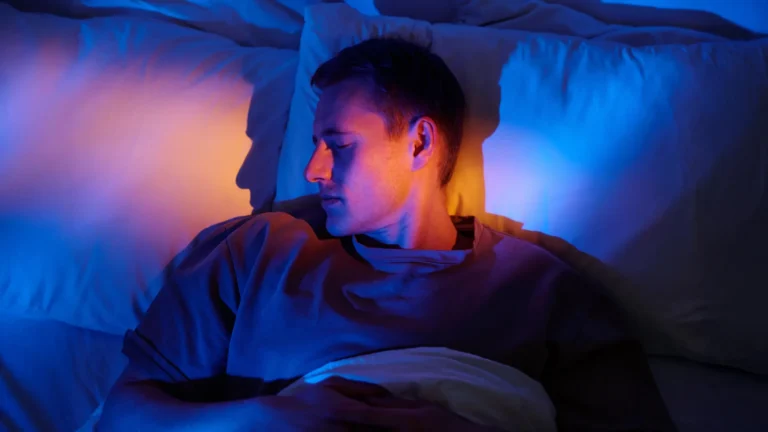







In the modern urban landscape, the sun sets, but the world does not grow dark. From the persistent hum of LED streetlights to the glow of electronic devices in the bedroom, humanity has become an around-the-clock species. However, as our nights become increasingly illuminated, a growing body of scientific evidence suggests that we may be paying a hidden price for this perpetual brightness.
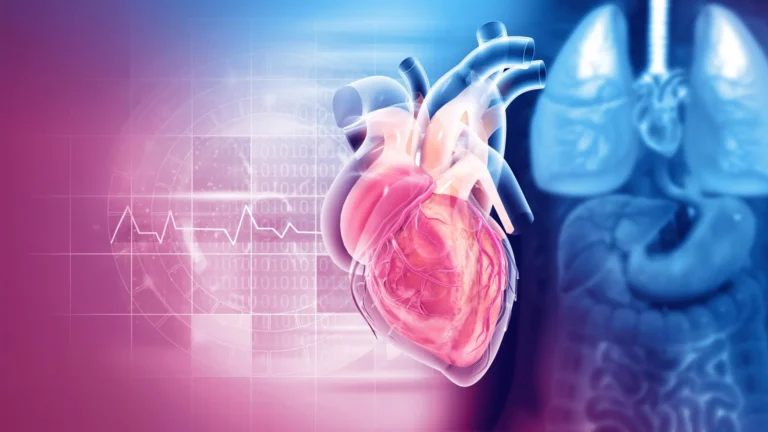
A pioneering study set to be presented at the American Heart Association’s (AHA) Scientific Sessions 2025 in New Orleans this November offers a sobering perspective on this trend. The research reveals a direct, quantifiable link between nighttime light pollution and an increased risk of heart disease, mediated through a biological pathway involving chronic brain stress and vascular inflammation.
The Science of Shadows: Main Facts and Biological Mechanisms
For years, researchers have understood that environmental stressors—such as air pollution and traffic noise—take a physical toll on the human heart. These factors trigger systemic stress responses, activating the nervous system and damaging the delicate lining of our blood vessels. Until now, however, the role of artificial light at night (ALAN) has remained largely overlooked in clinical cardiovascular research.
The study, led by Dr. Shady Abohashem of Massachusetts General Hospital and Harvard Medical School, sought to fill this knowledge gap. By utilizing advanced imaging technology, researchers were able to track how the brain reacts to light exposure.
"We found a nearly linear relationship between nighttime light and heart disease," Dr. Abohashem explained. "The more night-light exposure, the higher the risk."
The biological chain reaction is as follows: When the brain is exposed to high levels of light after dusk, it perceives an environmental stressor. This triggers a specific signaling pathway in the brain, which in turn activates an immune response. This response causes systemic inflammation in the arteries. Over time, this inflammation contributes to atherosclerosis—the hardening and narrowing of the arteries—which is a primary precursor to heart attacks and strokes.
A Chronological Look at Emerging Evidence
The investigation of circadian health has evolved rapidly over the past decade. To understand the gravity of these new findings, it is essential to look at the timeline of how light pollution transitioned from an "annoyance" to a "public health concern."
- Early 2010s: Initial studies began to focus on the impact of blue light on sleep architecture. Researchers established that screen time suppressed melatonin, the body’s primary sleep-regulating hormone, leading to fragmented sleep.
- 2020–2023: As data on urbanization increased, sleep researchers began to correlate satellite-mapped light pollution with metabolic disorders, such as obesity and type 2 diabetes.
- October 28, 2025: The American Heart Association issued a landmark scientific statement on the role of circadian health in cardiometabolic disease. This statement formally recognized light pollution as a major factor in disrupting the body’s internal clock and, by extension, cardiovascular health.
- November 7–10, 2025: The presentation of Dr. Abohashem’s study at the AHA Scientific Sessions marks a turning point, as it provides the first clear, imagery-based biological mechanism explaining how light creates cardiovascular damage.
Data-Driven Insights: The PET/CT Methodology
The strength of the study lies in its methodology. The researchers analyzed 450 adults who had previously undergone combined Positron Emission Tomography/Computed Tomography (PET/CT) scans.
Understanding the Imaging
The PET/CT scan is a powerful diagnostic tool. The CT portion provides the anatomy—a detailed look at the structure of the arteries. The PET portion acts as a metabolic map, showing which tissues are currently under stress or inflamed. By overlaying these datasets with satellite-based measurements of the light levels in the neighborhoods where the participants lived, the researchers were able to create a unique "stress-to-exposure" profile for each subject.
The participants included in the study were free of both diagnosed heart disease and active cancer at the time of the scan, ensuring that the findings were not skewed by pre-existing cardiovascular damage. This allowed the research team to see the "pre-clinical" phase of the disease—the point at which stress markers in the brain and inflammation in the arteries began to appear, long before a patient would typically present with symptoms of a heart attack.
Expert Analysis and Official Perspectives
Dr. Julio Fernandez-Mendoza, a professor of psychiatry, neuroscience, and public health sciences at Pennsylvania State University and a member of the AHA writing committee, has lauded the study for its novel approach.
"We know that too much exposure to artificial light at night can harm your health, particularly increasing the risk of heart disease," Dr. Fernandez-Mendoza noted. "However, we did not know how this harm happened. This study has investigated one of several possible causes, which is how our brains respond to stress. This response seems to play a big role in linking artificial light at night to heart disease."
The consensus among experts is that light pollution acts as an "invisible" environmental pollutant. Unlike smog, which is visible and often smells, or noise, which is audible, light pollution is insidious. Because it is so ubiquitous in modern urban environments, individuals often do not realize that their nocturnal environment is actively stimulating their stress response system.
Implications for Public Policy and Personal Health
The implications of this research are twofold: they demand systemic changes from policymakers and offer actionable advice for individuals.
The Role of Urban Planning
Dr. Abohashem suggests that cities must rethink their relationship with artificial light. "Cities could reduce unnecessary outdoor lighting, shield streetlamps, or use motion-sensitive lights," he said. By focusing on "targeted lighting"—directing light only where it is needed rather than flooding entire blocks—municipalities could significantly reduce the light pollution burden on their residents.
Personal Mitigation Strategies
On an individual level, the path to better circadian health is clearer, though perhaps difficult in a tech-saturated world:
- Bedroom Hygiene: Keep bedrooms as dark as possible. Blackout curtains are highly recommended for those living in high-density urban areas.
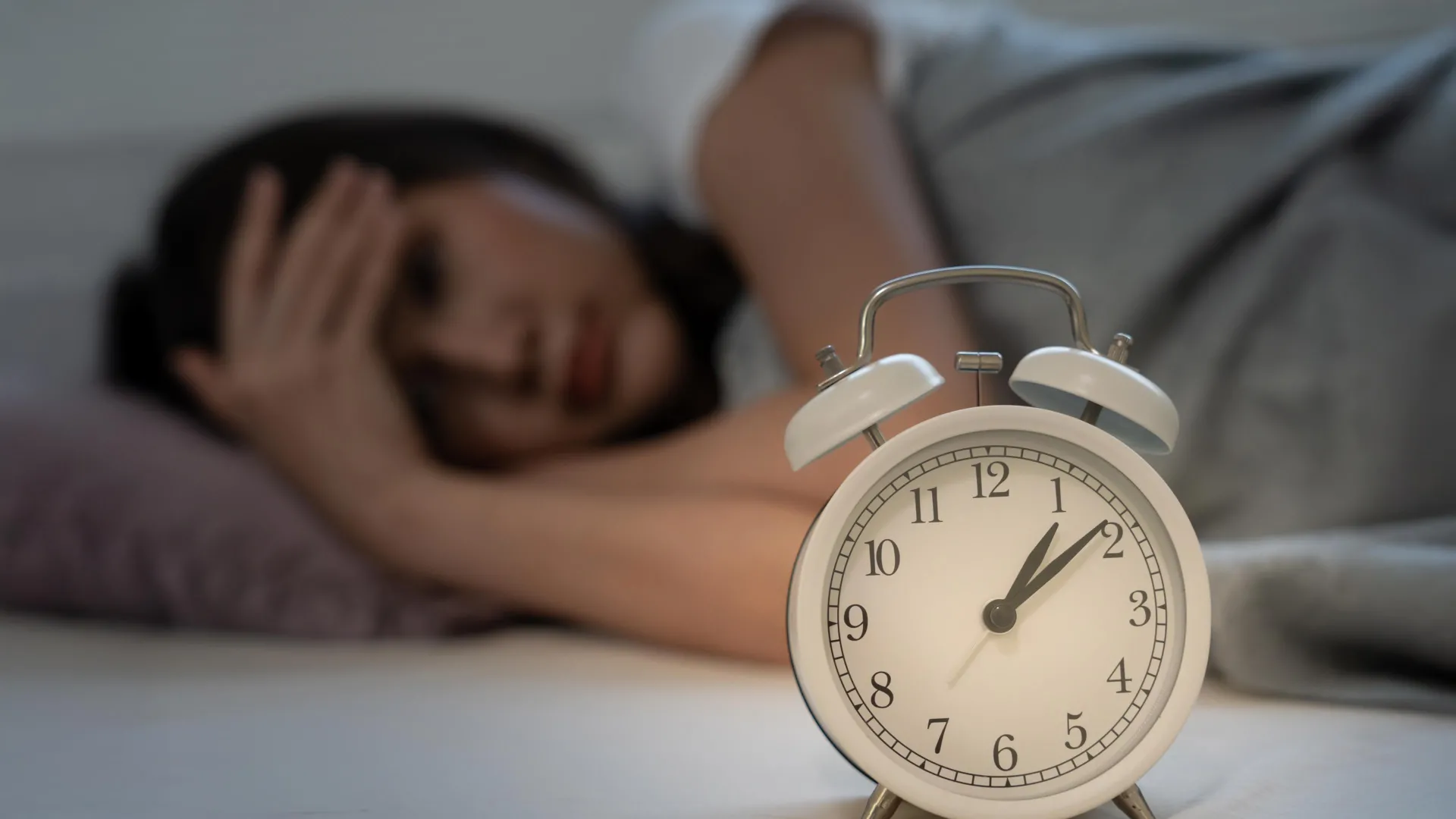
- The Digital Sunset: Avoid screens, including televisions, smartphones, and tablets, at least one to two hours before bed. The blue light emitted by these devices is particularly effective at suppressing melatonin and signaling "alertness" to the brain.
- Awareness: Recognizing that light is a stimulant is the first step toward behavioral change.
Addressing Study Limitations
While the findings are groundbreaking, the researchers are careful to emphasize the limitations of the current analysis. As an observational study, it cannot definitively prove a direct cause-and-effect relationship. It is possible that other variables, such as socioeconomic status or neighborhood safety, could play a role in the link between light pollution and heart health.
Furthermore, the study was conducted within a single hospital system. To gain a truly global understanding, researchers must expand this work to more diverse populations across different geographic and cultural contexts. The researchers themselves have noted that these findings are preliminary and have yet to undergo the rigorous peer-review process required for publication in a full scientific journal.
Moving Toward a Brighter Future by Dimming the Night
As we move forward, the scientific community is calling for a paradigm shift. Light pollution should no longer be viewed as a mere aesthetic issue or a nuisance that obscures the stars; it must be treated as a significant environmental determinant of health.
"This research indicates that light pollution is more than just an annoyance; it could also increase the risk of heart disease," Dr. Abohashem concluded. "We hope clinicians and policymakers will consider nighttime light exposure when developing prevention strategies."
Future research aims to test specific interventions—such as the effect of light-blocking curtains or city-wide lighting regulations—on the heart health of participants over several years. If these interventions prove successful, we may see a future where "darkness" is once again recognized as a vital component of a healthy, heart-conscious lifestyle. Until then, the message is clear: when the sun goes down, our bodies expect us to dim the lights. Our hearts may depend on it.