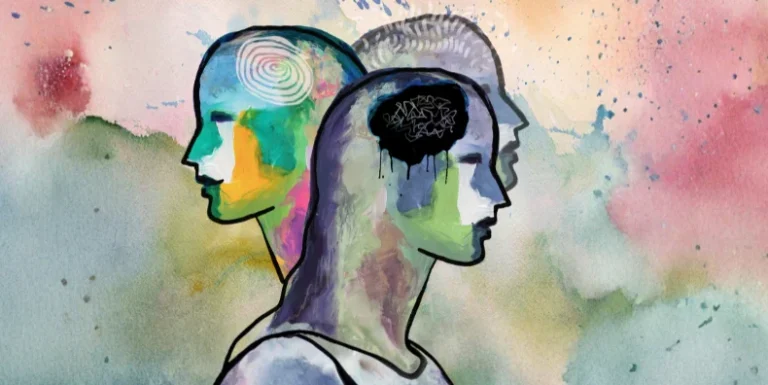












For individuals living with bipolar disorder, the internal biological clock is often more than a timekeeper; it is a delicate mechanism that can dictate the boundary between stability and a mood episode. Emerging clinical research and psychiatric practice have increasingly converged on a singular, powerful tool for maintaining health: the daily routine. Known in clinical circles as "social rhythms," these structured habits serve as the scaffolding for emotional regulation.
According to leading experts, including Dr. Melvin McInnis of the University of Michigan’s Heinz C. Prechter Bipolar Research Program, maintaining specific daily time points—waking, starting activities, dinner, and bedtime—can act as a primary defense against the debilitating shifts of mania and depression.
Main Facts: The Intersection of Routine and Biology
Bipolar disorder is fundamentally characterized by a vulnerability in the body’s circadian system. While most people can recover quickly from a late night or a missed meal, those with bipolar disorder may find that such minor disruptions trigger a cascade of neurochemical changes. This sensitivity led to the development of Interpersonal and Social Rhythm Therapy (IPSRT), a specialized psychotherapeutic approach designed specifically to stabilize these internal rhythms.
The Four Pillars of Social Rhythm
Research led by Ellen Frank, PhD, at the University of Pittsburgh, identified four critical "anchors" that have the most significant impact on mood stability:
- The Wake Time: The moment the eyes open and the body begins its transition from sleep to alertness.
- The Start of Activities: Engaging in the first major task of the day, whether it is logging into work, starting household chores, or attending a class.
- The Evening Meal: A consistent time for dinner serves as a metabolic signal to the body that the day is winding down.
- Bedtime: The final transition into sleep, which regulates the production of melatonin and the restoration of the central nervous system.
The Interpersonal Component
IPSRT does not focus solely on the clock. It recognizes that human beings are social creatures and that our relationships—our "interpersonal" lives—are the primary drivers of our stress levels. Conflict with a partner or stress at work doesn’t just cause emotional pain; it disrupts sleep and eating patterns, which in turn destabilizes the bipolar brain. By addressing both social rhythms and relationship health, IPSRT provides a dual-layered shield against relapse.
Chronology: From Biological Theory to Clinical Standard
The understanding of social rhythms has evolved over several decades, moving from a general observation of "sleep hygiene" to a rigorous clinical framework.
The 1990s: The Birth of IPSRT
In the late 20th century, Ellen Frank and her colleagues recognized that while medication was essential for treating bipolar disorder, it was often insufficient on its own. They observed that patients frequently relapsed even when adherent to their prescriptions. The common denominator in many relapses was a "life event" that disrupted the patient’s schedule. This led to the formalization of IPSRT, combining elements of Interpersonal Psychotherapy (IPT) with a new focus on the "Social Zeitgeber" theory.
The Early 2000s: Validation Through Clinical Trials
Longitudinal studies conducted throughout the early 2000s demonstrated that patients who received IPSRT remained well for longer periods compared to those receiving standard clinical management. The therapy was shown to be particularly effective during the maintenance phase of the disorder, helping patients recognize the early warning signs of rhythm disruption before they spiraled into full-blown mania or depression.
2020–Present: The Pandemic Stress Test
The global COVID-19 pandemic provided a modern, albeit tragic, case study for the importance of social rhythms. As lockdowns dismantled the external structures of work, school, and social gatherings, researchers observed a spike in mood instability. Studies found that younger populations and women were particularly vulnerable to the psychological impacts of these disrupted routines. For the bipolar community, the pandemic underscored that routine is not just a lifestyle choice—it is a medical necessity.
Supporting Data: The Impact of Disruptions
The efficacy of social rhythm management is backed by data suggesting that "minor" disruptions often carry major consequences.
The "Kindling" Effect
Psychiatric data supports the "Kindling Hypothesis," which suggests that initial mood episodes may be triggered by significant life stressors, but over time, the brain becomes sensitized. Eventually, even minor disruptions to the four key time points can "kindle" a new episode.
Risk Factors for Rhythm Instability
Data from IPSRT research highlights several high-risk scenarios that consistently threaten stability:
- Travel and Time Zone Shifts: Crossing time zones is one of the most potent triggers for mania due to the profound disruption of the circadian rhythm.
- Life Transitions: Major events—both positive (winning the lottery, getting married) and negative (divorce, job loss)—act as "rhythm disruptors."
- Social Zeitgebers: These are "time-givers" or external cues. For example, a gym closing down may seem minor, but if that gym visit was the patient’s "start of activities" anchor, its absence can lead to a gradual decay of the entire daily schedule.
Official Responses: Insights from the Prechter Program
Dr. Melvin McInnis, a world-renowned expert in bipolar research, emphasizes that the management of the disorder must be holistic. As the director of the Heinz C. Prechter Bipolar Research Program, McInnis advocates for a proactive approach to routine.
"Overall, routine is the daily groove of activities that broadly make up the answer to, ‘Tell me about your day,’" McInnis notes. He suggests that while the specifics of a routine can vary enormously based on individual lifestyle, the consistency of the time points is non-negotiable for those with a biological predisposition to mood shifts.
The Prechter Program’s longitudinal studies further suggest that patients who utilize tracking tools—such as the Social Rhythm Metric (SRM)—are better equipped to communicate with their healthcare providers. By documenting when they eat, sleep, and work, patients can provide "hard data" that allows psychiatrists to adjust medication or therapy before a crisis occurs.
Implications: Building a Sustainable Future
The implications of social rhythm research are profound for the long-term treatment of bipolar disorder. It shifts the narrative from a purely reactive model (treating episodes as they happen) to a proactive, preventative model.
Practical Implementation for Patients
To safeguard against the inevitable disruptions of life, clinicians recommend several strategies:
- Advance Planning: For anticipated disruptions, such as a holiday or a new job, patients should work with their therapists to create a "bridge routine" that maintains the four key time points as closely as possible.
- The "One-Hour Rule": Even on weekends or during vacations, experts suggest keeping wake times and bedtimes within one hour of the usual schedule to avoid "social jetlag."
- Digital Tracking: Utilizing smartphone apps or digital journals to track social rhythms allows for the identification of patterns. A three-day drift in wake times can serve as an early warning signal.
The Role of Compassion
A critical implication of IPSRT is the role of self-compassion. When disruptions occur "out of the blue"—such as a family emergency or a sudden illness—the resulting mood wobble can cause significant anxiety. Experts stress that the goal is not "perfect" adherence, but a resilient return to structure. Showing oneself compassion during a period of instability is often the quickest way to lower the stress hormones that further disrupt the biological clock.
The Future of Bipolar Care
As we move further into the 21st century, the integration of technology and social rhythm therapy is likely to expand. Wearable devices that track sleep patterns and activity levels in real-time could eventually provide automated alerts to both patients and doctors when a social rhythm is failing.
Ultimately, the science of social rhythms teaches us that for those with bipolar disorder, the clock is a friend. By honoring the four key time points of waking, acting, eating, and sleeping, individuals can build a foundation of stability that allows them to thrive despite the inherent challenges of the condition. In the words of Dr. McInnis, regularizing these activities should be a "priority," turning the "daily groove" into a life-saving rhythm.