








As February 22 approaches, the global medical and patient advocacy communities prepare to observe Heart Valve Disease Awareness Day. This year’s commemoration is particularly significant, marking the 10th anniversary of a campaign that has fundamentally shifted the conversation around a silent, often overlooked cardiovascular condition. For a decade, advocates have worked tirelessly to bring a life-altering diagnosis into the light, reaching the millions of Americans who remain at risk.
Main Facts: The Silent Epidemic
Heart valve disease (HVD) involves damage to one or more of the heart’s four valves, which can disrupt blood flow and force the heart to work significantly harder. While the condition can be treated—often successfully—if caught early, it frequently goes undiagnosed due to a lack of awareness regarding symptoms.
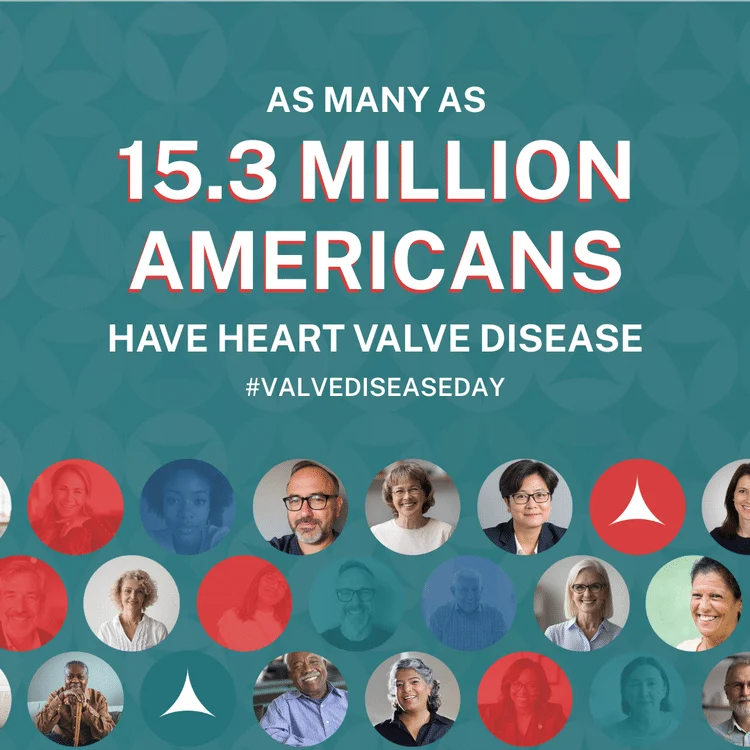
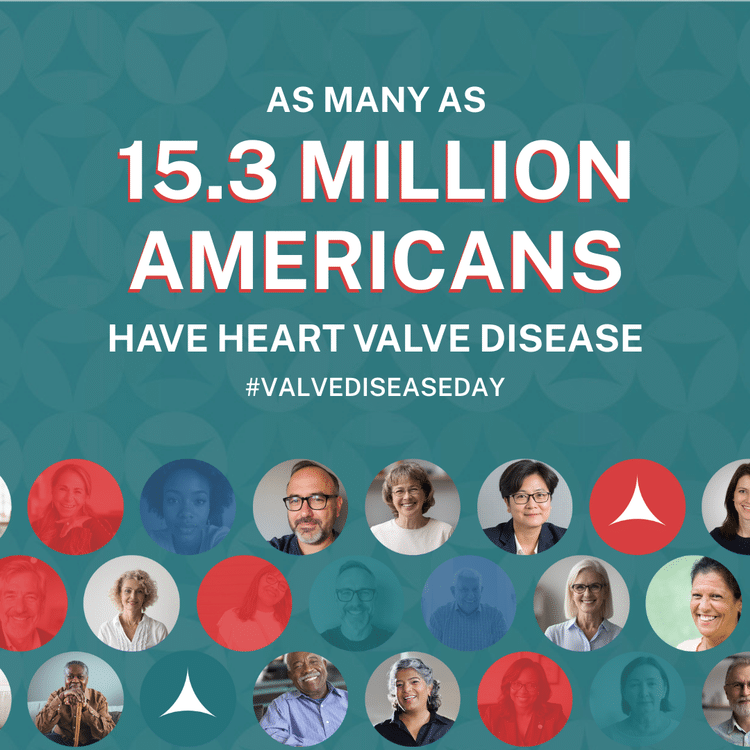
Current data indicates that as many as 15.3 million Americans are living with some form of heart valve disease. Despite these staggering numbers, public literacy regarding the condition remains low. The primary mission of Heart Valve Disease Awareness Day is to bridge this gap by:
- Elevating Patient Voices: Providing a platform for those living with the condition to share their diagnostic journeys.
- Promoting Early Detection: Encouraging individuals to listen to their hearts and recognize symptoms like shortness of breath, fatigue, or dizziness.
- Fostering Doctor-Patient Dialogue: Normalizing the practice of asking physicians to listen for heart murmurs during routine check-ups.
A Chronology of Advocacy: Ten Years of Impact
The evolution of the Heart Valve Disease Awareness Day campaign mirrors the progress in cardiac care over the last decade.
- The Inception (2016–2017): The campaign was launched to address the stark reality that while millions suffered from valve disease, the condition lacked a unified voice in the public health sphere. The inaugural year focused on establishing a baseline of understanding and creating initial networks between patient organizations and medical societies.
- The Growth Phase (2018–2021): During this period, the campaign expanded its reach, utilizing digital platforms to disseminate educational materials. It became a global effort, with thousands of partners joining the cause to highlight the need for improved screening and diagnostic tools.
- The Era of Digital Empowerment (2022–2025): The campaign leaned heavily into social media and virtual advocacy, creating "Social Press Kits" and digital toolkits that allowed individuals to become ambassadors for heart health in their own communities.
- The 10th Anniversary Milestone (2026): Today, the campaign stands at a crossroads. With a newly redesigned website and a flagship reception at the U.S. Capitol, the focus has shifted from merely raising awareness to influencing policy and ensuring that early detection is a standard of care.
Supporting Data: Why Awareness Matters
The urgency of this campaign is backed by clear clinical data. Heart valve disease is often a condition of aging, meaning as the U.S. population grows older, the prevalence of HVD is projected to climb.
The Diagnostic Gap
Many patients remain asymptomatic in the early stages of the disease. By the time symptoms appear, the condition may have progressed to a point where intervention—whether via medication or surgical valve repair/replacement—is more complex.
- The "Listen to Your Heart" Initiative: Data suggests that a simple stethoscope exam can lead to the discovery of a heart murmur, which is often the first indicator of valve disease. The campaign’s push for routine auscultation during annual physicals is statistically correlated with earlier diagnosis rates.
- Public Literacy Metrics: Surveys conducted over the past decade show that while awareness of heart attacks and strokes is relatively high, knowledge of valve-specific issues remains in the single digits among the general population. The goal of the 10th-anniversary campaign is to double these awareness metrics by 2030.
Official Responses and Strategic Shifts
To mark this anniversary, the campaign organizers have launched a robust set of resources designed to modernize outreach. According to Katrin Werner-Perez, Director of Health Programs at the Alliance for Aging Research, the strategy for the next decade is one of "radical accessibility."

The New Digital Hub
The newly redesigned website acts as a centralized repository for patient success stories, scientific explainers, and event-planning guides. By consolidating these resources, the campaign aims to reduce the "information fatigue" that often prevents patients from seeking help.
The Social Press Kit
Recognizing the power of digital amplification, the updated Social Press Kit offers pre-written, ready-to-use content. This enables advocates to share, post, and educate their networks with minimal friction. By utilizing the official hashtags #ValveDiseaseDay and #ListenToYourHeart, the campaign creates a cohesive digital footprint that makes the issue impossible to ignore.
The Capitol Reception
The pinnacle of this year’s events will be the flagship reception held on February 25 at the U.S. Capitol Visitor Center in Washington, D.C. This event serves as more than a celebration; it is a strategic meeting of the minds. By bringing together policymakers, medical experts, and patient advocates, the organizers intend to move the needle on federal funding for cardiovascular research and support systems for patients.
The Implications: Looking Toward the Next Decade
The significance of Heart Valve Disease Awareness Day extends far beyond a single date on the calendar. The implications of this 10-year milestone are profound for public health:
1. Shift in Clinical Practice
The ultimate goal is to make "heart valve checks" as routine as blood pressure screenings. By consistently lobbying for better diagnostic protocols, the campaign hopes to see a measurable reduction in late-stage diagnoses, which are associated with higher morbidity and mortality rates.
2. Empowering the Aging Population
As the demographic shift toward an older population continues, the prevalence of age-related valvular issues will put increased pressure on the healthcare system. An educated patient population is a more resilient one. By equipping older Americans with the knowledge to identify warning signs, the campaign reduces the strain on emergency services and improves the quality of life for millions.
3. Policy and Research Funding
The presence of advocates at the U.S. Capitol sends a clear message to lawmakers: heart valve disease is a priority. Sustained awareness is the precursor to sustained funding. Whether it is through increased grants for medical device innovation or better insurance coverage for screening, the campaign’s advocacy provides the political capital needed to drive systemic change.
4. A Model for Patient Advocacy
The success of the Heart Valve Disease Awareness Day serves as a blueprint for other disease-specific advocacy groups. By combining high-level policy engagement with grassroots digital campaigns, the organizers have created a sustainable model for awareness that can withstand the test of time.
Conclusion
Ten years ago, heart valve disease was a largely silent condition, relegated to the background of cardiovascular health discussions. Today, thanks to the concerted efforts of thousands, it has become a recognizable, manageable, and preventable issue.
As the campaign enters its second decade, the mission remains as vital as it was on day one: to increase awareness, encourage earlier detection, and improve clinical outcomes. The tools are sharper, the digital reach is wider, and the community is stronger. For those living with the condition, and for the millions who have yet to be diagnosed, the next ten years offer a promise of better care, earlier intervention, and, ultimately, more lives saved.
For those wishing to participate in the ongoing conversation, the path forward is clear: visit the new website, utilize the social media kits, and—above all—listen to your heart.
Katrin Werner-Perez is the Director of Health Programs at the Alliance for Aging Research. For more information on upcoming events or to learn how to get involved, visit the official Heart Valve Disease Awareness Day website.