Every year, a singular, powerful purpose draws a community together in Stuart, Florida. It is a gathering defined not just by its scenic backdrop at Sailfish Point, but by a shared commitment to honor a life lost too soon and to provide the critical fuel necessary for medical breakthroughs that could save countless others. This February, the 14th annual Keith A. Landesman Fundraiser served as a poignant reminder that while cancer may end a life, it cannot diminish the impact of a legacy fueled by love, science, and unwavering community resolve.
The Core Mission: Advancing Immunotherapy
The Keith A. Landesman Fundraiser is more than a social event; it is a vital engine for the Cancer Research Institute (CRI). By raising more than $330,000 during this year’s installment alone, the event continues its primary mission: to provide the financial resources necessary for early-career scientists to pursue high-risk, high-reward research in the field of cancer immunotherapy.
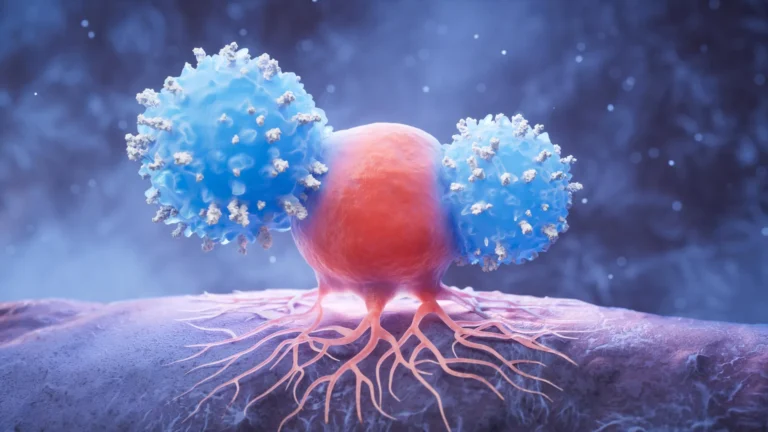
Immunotherapy—a revolutionary approach that trains the body’s own immune system to identify and destroy cancer cells—is currently one of the most promising frontiers in medicine. However, the path to discovery is long and expensive. By focusing specifically on postdoctoral fellows, the Landesman Fund ensures that the next generation of researchers can explore bold, unorthodox ideas before they have established the funding history required for large-scale government grants. It is an investment in the "fresh eyes" of science, betting on the belief that a single innovative perspective from a young researcher could hold the key to a cure.
A Chronology of Compassion: From Grief to Global Impact
The story of this movement began with the life and untimely passing of Dr. Keith Landesman. A beloved husband, father, and cardiologist, Keith was remembered by those who knew him as the embodiment of medical empathy. His brother, Kevin Landesman, reflects on his character with profound clarity: "Keith was the most kind-hearted person I think I’ve ever met. All he wanted to do was help people. That’s why he went into medicine."
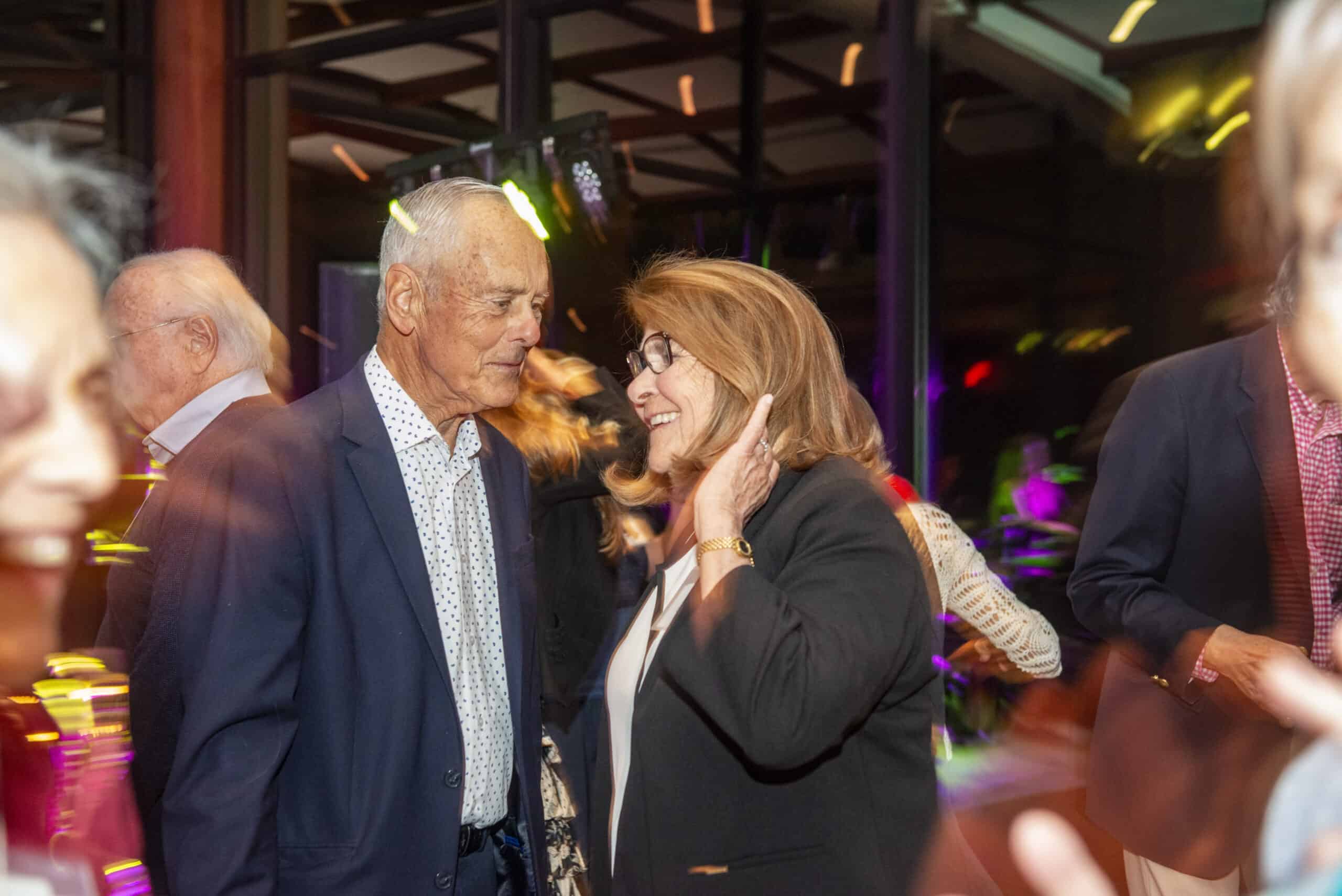
When Dr. Landesman passed away, his parents, Jane and Richard Landesman, were faced with a choice: succumb to the silence of grief or transform that pain into a catalyst for progress. They chose the latter, launching a fundraising initiative that started modestly.
- The Early Years: The effort began as a local golf tournament at the Birchwood Country Club in Westport, Connecticut. It was a grassroots effort, relying on the close-knit network of friends and family who knew and admired the man behind the name.
- Expansion and Evolution: As the family’s commitment deepened, so did the scale of the events. The fundraiser migrated to the prestigious Sailfish Point in Stuart, Florida, evolving into a full-day program that includes athletic activities, educational symposiums, and a formal evening gala.
- The $2.8 Million Milestone: Over the past 14 years, the family’s relentless dedication has resulted in more than $2.8 million raised for the CRI. This figure represents more than just currency; it represents thousands of hours of laboratory research, the support of dozens of doctoral fellows, and the sustained hope of families across the nation.
Data and Impact: The Economics of Discovery
The success of the Keith A. Landesman Fundraiser is measurable, yet its true value is exponential. In the scientific community, the "discovery pipeline" is notoriously fragile. Early-career researchers often struggle to secure the funding needed to transition from academic theory to clinical application.
By targeting this demographic, the Landesman Fund acts as a venture capital firm for humanity. When the CRI awards a fellowship funded by the Landesman legacy, it is not merely paying a salary; it is providing a scientist the autonomy to test a hypothesis that could lead to a new treatment protocol. The data is clear: the cumulative $2.8 million raised by this community has facilitated research that has contributed to the broader body of knowledge now used in standard-of-care immunotherapy treatments.
Official Voices: The Human Element of Science
The atmosphere at the Sailfish Point events is unique. It is a space where the sterile world of high-end oncology research meets the warmth of personal storytelling.
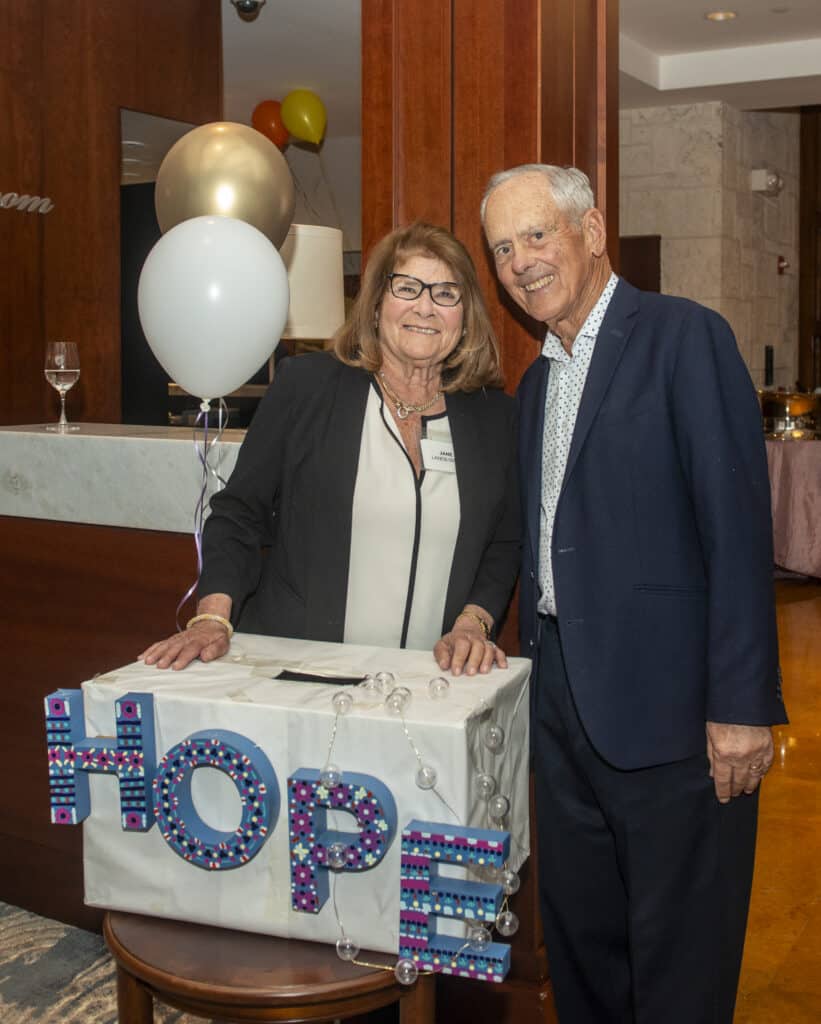
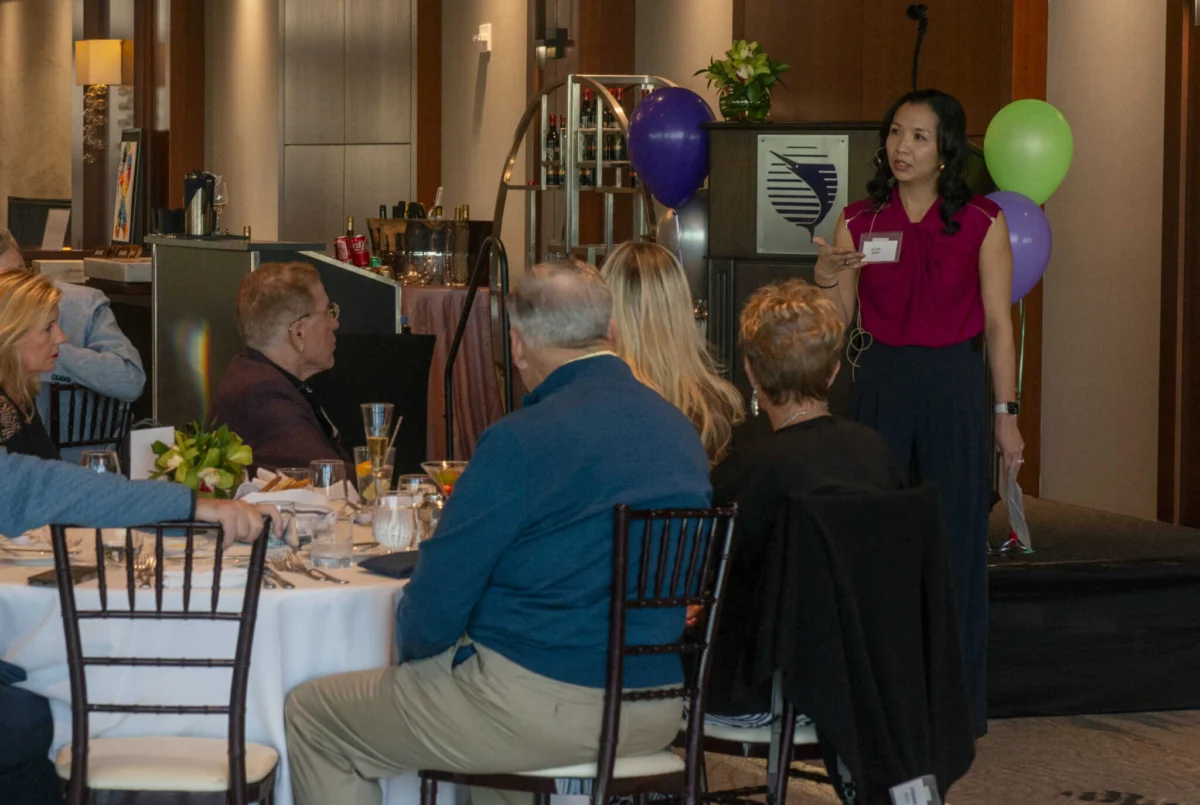
This year, Dr. Haydn Kissick, a CRI STAR and Assistant Professor at the Emory University School of Medicine, stood before the attendees. His address was not a dry lecture on cell biology, but a personal testimony. Dr. Kissick shared his own motivation for entering the field—the years-long battle his mother fought against cancer. When a scientist shares their personal journey, the statistics on a screen become human lives.
Dr. Alicia Zhou, CEO of the Cancer Research Institute, underscored the significance of the Landesman family’s long-term commitment. "The Landesman family has not just donated money; they have built a culture of philanthropy," Dr. Zhou noted. "Their sustained, decade-plus support provides the stability required for long-term scientific inquiry. In the world of research, consistency is as valuable as the capital itself."
Kara Green, Keith’s sister, highlights the engagement of the attendees: "The room is quiet when the speakers are talking. Everyone is mesmerized by what’s being discussed. There’s love, there’s some sadness, every emotion is there—but it’s an incredible event."
Recognition and Legacy: The 2025 Oliver R. Grace Award
The impact of Jane and Richard Landesman’s work was formally recognized on a national stage during the 2025 CRI Annual Awards Gala, where they were honored with the prestigious Oliver R. Grace Award for Distinguished Service. Named after the CRI’s founding chairman, this award is bestowed upon individuals whose vision and commitment have fundamentally altered the landscape of cancer research.
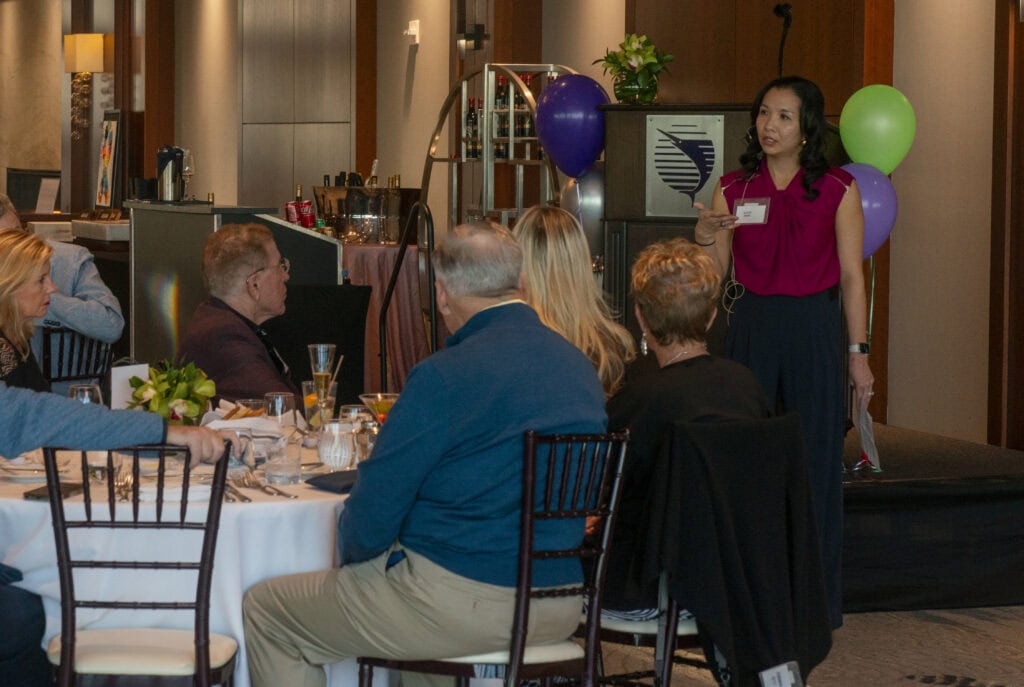
While the award serves as a formal capstone to their years of labor, the family remains focused on the road ahead. As Kevin Landesman remarked, "They wouldn’t do this for recognition. They do it because they want to end cancer so other families don’t have to go through what we did." The award is simply a testament to the fact that their personal mission has become a public service of the highest order.
Implications for the Future: A Blueprint for Giving
The legacy of the Landesman fundraiser provides a compelling blueprint for how communities can tackle seemingly insurmountable problems. The implications of their work are three-fold:
- The Power of Sustained Advocacy: The event demonstrates that annual, consistent fundraising is more effective than one-off donations. It builds a community, creates a recurring revenue stream for researchers, and keeps the cause in the public consciousness.
- Bridging the Gap Between Researchers and Donors: By inviting CRI scientists to speak directly to donors, the Landesmans have humanized the scientific process. Donors are not giving to an abstract organization; they are giving to Dr. Kissick, or the next generation of fellows, whose faces they see and whose stories they hear.
- Reframing Grief as Action: The Landesman story serves as a profound psychological model for navigating loss. By externalizing their grief into a constructive, lifelong project, the family has prevented the stagnation of their sorrow, instead turning it into a dynamic force for global health.
Conclusion: A Living Memorial
As the sun sets over Sailfish Point and the planning for the next year’s event begins—often the very next day, according to the family—it is clear that the Keith A. Landesman Fund is more than a memorial. It is a living, breathing entity.
"I think he would be unbelievably proud that his legacy lives on through these events," Kevin says of his brother. Through the persistence of Jane and Richard Landesman, the generosity of a dedicated donor base, and the brilliance of the scientists they support, Keith Landesman’s name continues to be synonymous with the very thing he dedicated his life to: helping people. As long as the research continues, the hope for a cancer-free future grows stronger, one dollar and one discovery at a time.