




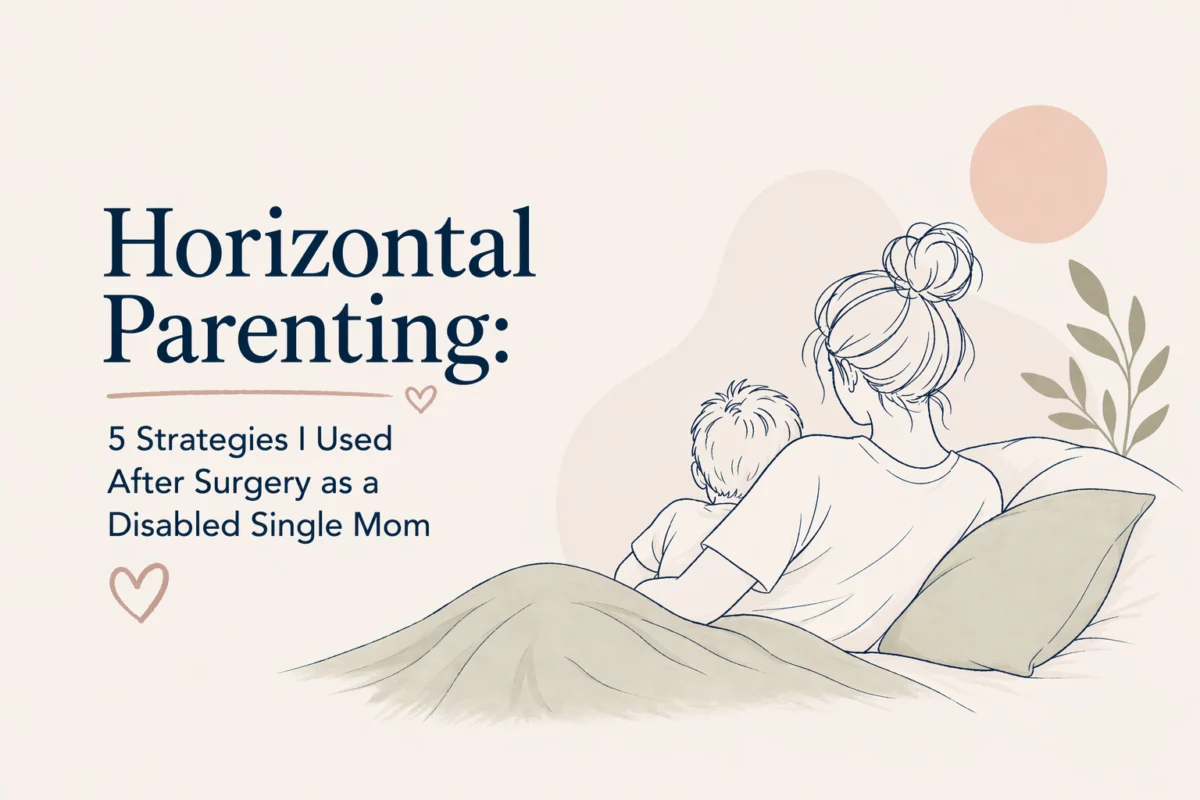
For most parents, the term "parenting" evokes images of standing at the kitchen counter, chasing toddlers through the park, or carrying heavy grocery bags up the stairs. But for Katie Zinno, a single mother living with a complex constellation of chronic conditions—including Ehlers-Danlos Syndrome (EDS), Postural Orthostatic Tachycardia Syndrome (POTS), Mast Cell Activation Syndrome (MCAS), and Sjögren’s—the "vertical" world is often a luxury she cannot afford.
After undergoing more than 40 surgeries, including extensive spinal fusions and brain surgery, Zinno has developed a paradigm-shifting approach she calls "Horizontal Parenting." This methodology isn’t merely a survival tactic; it is a profound reimagining of what it means to remain present as a caregiver when the body demands rest.
The Chronology of Resilience: From NICU to Surgery
The journey began with a trial by fire. Zinno’s son was born 11 weeks premature, spending 63 grueling days in the Neonatal Intensive Care Unit (NICU). The day they were finally cleared to go home coincided with the onset of the global COVID-19 pandemic, forcing a vulnerable new mother and her medically fragile infant into total isolation.
Just eight months later, the physical toll of her conditions reached a breaking point. Zinno required an Occipitocervical fusion—a major surgical procedure to stabilize the junction between the skull and the spine. Forced into a rigid neck brace and unable to lift her child, Zinno had to navigate the most demanding phase of early motherhood while largely confined to a supine position.
"There was no manual for recovering from this kind of major surgery with a small baby during a global lockdown," Zinno reflects. "I had to write the one I wish I’d had."
The Core Philosophy: Presence Over Perfection
The cornerstone of Zinno’s approach is the rejection of the "perfectionist parent" trope. In a society that equates cleanliness and high-energy activity with effective parenting, Zinno advocates for a radical shift in perspective.
"I learned that being a ‘good’ parent doesn’t always mean having a clean home or a four-course meal," she explains. "It means prioritizing connection and care over performance."
This philosophy was forged in the heat of her own trauma. Following a complicated birth, a blood clot, and emergency kidney stone surgery, she found herself mourning the loss of the ability to breastfeed. A lactation consultant offered her a piece of advice that would become her guiding light: "He won’t remember breastmilk or formula; he will remember whether you were present."
This realization allowed Zinno to forgive herself for the "pajama days" and the unwashed dishes, framing those trade-offs as intentional investments in her limited energy reserves.
Engineering the Environment for "Horizontal Parenting"
Zinno’s survival strategy relies on modifying her living space to accommodate her physical limitations. By restructuring her home to minimize vertical movement, she has turned her living room into a "horizontal hub."
1. The Low-Profile Living Room
Zinno emphasizes the importance of keeping essential child-care items—diapers, wipes, books, and snacks—at floor level. By placing these items on low shelves or baskets, she eliminates the need to stand, lift, or climb while recovering from surgical procedures.
2. Strategic "Prep-Work"
To mitigate the stress of daily chores, Zinno advocates for "batching" tasks. This includes pre-prepping meals that can be assembled quickly and keeping a "parenting kit" nearby that allows her to entertain her son while she is lying down.
3. Designing for Autonomy
As her son has grown, fostering his independence has become a necessity. By creating a "yes space"—an environment where the child can explore safely without constant physical intervention—Zinno allows her son to develop confidence while she manages her chronic pain. For children with additional needs, such as autism, this structured autonomy also provides a sense of predictability and security.
The Psychological Dimension: Explaining Illness to Children
One of the most heart-wrenching aspects of disabled parenting is the inevitable separation caused by hospital stays. Zinno recalls the isolation of the hospital room, the frustration of delayed recovery, and the emotional toll of explaining her absence to a young child.
She notes that children often interpret a parent’s illness through their own egocentric lens. "They may wonder if Mom is going to be okay, or if the situation is somehow their fault," she observes.
Zinno advocates for total, age-appropriate honesty. By explaining her illness and the necessity of her surgeries early on, she demystifies the medical equipment and the periods of absence. She emphasizes the importance of emotional regulation, noting that parents should pause and "check their own nervous system" before addressing a child’s outbursts or fears, ensuring the child feels heard rather than burdened.
Building the "Village" in a Post-Pandemic World
The pandemic effectively dismantled the traditional support systems that most parents rely on. For a single mother with complex disabilities, rebuilding that "village" requires intentionality and courage.
Zinno stresses that waiting until one is "well" to seek community is a mistake. Instead, she advocates for:
- Vulnerability-First Networking: Reaching out to local parents, even when feeling vulnerable, to create a network of support.
- Peer-to-Peer Advocacy: Connecting with other parents in the chronic illness community who understand the specific intersection of medical management and childcare.
- Leveraging Community Resources: Utilizing neighborhood groups or support services that can assist with the non-essential tasks that drain parental energy.
Implications for Future Caregiving
The narrative surrounding disabled parenting is often framed through the lens of tragedy or heroic sacrifice. However, Zinno’s experience suggests a more nuanced reality: disability does not preclude effective parenting; it simply demands a different architecture of care.
By moving away from the societal pressure to perform "traditional" parenting, Zinno has found a way to foster deep, meaningful bonds with her son. Her experience serves as a powerful testament to the fact that, regardless of one’s physical state, the most valuable asset a parent can offer is their presence.
"There is no perfect version of disabled parenting," she asserts. "The fact that you struggle with ‘not being enough’ only proves how deeply you care. The goal is presence, not performance. The fact that you keep showing up, even from the floor, is what your child will remember."
Disclaimer: This article reflects the personal experiences of the author and is intended for informational and supportive purposes only. It is not medical, parenting, or professional advice, nor does it endorse any specific products. Caregivers should always use appropriate supervision and ensure safety when applying any strategies described. Readers should consult their healthcare providers before making decisions related to their health, treatment, or caregiving practices.