










Featured Buzz – January 11, 2026
The landscape of respiratory medicine is undergoing a profound transformation as clinical researchers leverage the convergence of artificial intelligence (AI), advanced imaging, and molecular biomarkers to solve some of the most persistent challenges in patient care. Recent breakthroughs—ranging from the predictive power of routine electrocardiograms (ECGs) to the precision of lung ultrasound in neonatology—are redefining how clinicians identify, manage, and treat lung-related conditions.
As these technologies transition from research laboratories to the bedside, they promise to reduce diagnostic delays, curb the over-prescription of antibiotics, and improve outcomes for the most vulnerable populations, including very low birth weight (VLBW) infants.
1. AI-Powered ECGs: A New Frontier in COPD Screening
Chronic Obstructive Pulmonary Disease (COPD) remains one of the world’s leading causes of morbidity and mortality. Despite its prevalence, it is frequently underdiagnosed in the early stages, as patients often remain asymptomatic until significant lung damage has occurred. Currently, the diagnostic gold standard is spirometry—a test that requires specialized equipment and patient effort, which is not always feasible during routine primary care visits.
The Research Breakthrough
Researchers from the Mount Sinai Health System in New York have proposed a revolutionary, non-invasive alternative: using artificial intelligence to analyze routine ECGs to detect early-stage COPD. The team hypothesized that structural changes in the heart caused by chronic lung disease—such as right ventricular strain or hypertrophy—leave subtle "electrical fingerprints" on an ECG that are often imperceptible to the human eye but detectable by machine learning.
Chronology and Methodology
The study, published in eBioMedicine, was an exercise in massive data integration. The investigators curated a robust dataset of 208,231 ECGs collected from 18,225 COPD patients across five Mount Sinai hospitals. To ensure the model’s efficacy, they compared these against 552,771 ECGs from 59,356 age-, sex-, and race-matched control subjects.
By training a Convolutional Neural Network (CNN)—a deep-learning architecture optimized for pattern recognition—the researchers taught the AI to identify markers associated with an ICD-coded diagnosis of COPD. The model underwent rigorous testing through internal and external validation cohorts, including a dedicated cohort of 258 COPD cases compared against 1,290 matched controls.
Clinical Implications
The authors emphasize that this technology is not intended to replace the diagnostic accuracy of spirometry. Rather, it serves as a pragmatic "opportunistic screening" tool. By integrating this AI into existing electronic health record (EHR) workflows, clinicians could flag patients at risk for COPD during routine heart checks.
"Earlier recognition may facilitate timely smoking cessation, targeted therapies, and pulmonary rehabilitation," the authors noted. "This potentially slows disease progression and reduces the overall healthcare burden, shifting the paradigm from reactive to proactive care."
2. Precision in the NICU: Lung Ultrasound Predicts Extubation Success
For very low birth weight (VLBW) infants struggling with respiratory distress syndrome (RDS), the process of weaning from mechanical ventilation is a high-stakes clinical tightrope. Premature extubation can lead to respiratory failure and reintubation, which carry their own set of risks, including trauma and infection.
Predicting Success at the Bedside
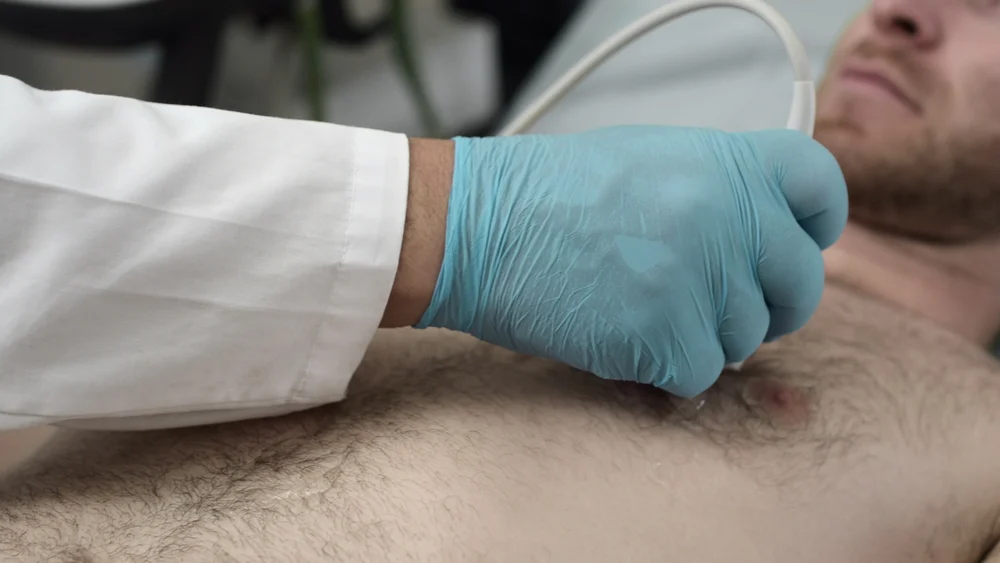
Researchers at the University of Chicago recently turned to lung ultrasound (LUS) as a non-invasive, radiation-free solution to predict which infants are ready for extubation. In a study published in the Journal of Perinatology, the team evaluated 45 VLBW infants who underwent 53 separate extubation attempts.
Supporting Data and Findings
The researchers performed lung ultrasounds three to six hours before each extubation attempt, assigning an "LUS score" based on the severity of lung aeration and interstitial involvement. A failed extubation was defined as the requirement for reintubation within seven days.
The findings were definitive: the neonatal-adapted LUS score demonstrated high diagnostic accuracy in predicting whether an infant would successfully remain off the ventilator. Furthermore, the study dispelled a common clinical concern regarding pharmacological adjuncts, finding that dexamethasone treatment—often used to reduce airway edema—was not associated with lower LUS scores, allowing clinicians to manage inflammation without fear of skewing the diagnostic utility of the ultrasound.
Official Response and Impact
The study provides a clear, actionable protocol for neonatal intensive care units (NICUs). By utilizing LUS scores on the day of a planned extubation, neonatologists can now make more informed, data-driven decisions. This personalized approach minimizes the physical stress on fragile infants and optimizes resource utilization within the NICU.
3. Combating Antibiotic Overuse: The AI-Biomarker Hybrid Model
The misuse of antibiotics in critically ill patients, particularly those with lower respiratory tract infections (LRTIs), is a critical public health issue. Over-prescription contributes to the rise of multidrug-resistant organisms and carries risks of secondary complications.
The UCSF Diagnostic Strategy
A team at the University of California, San Francisco (UCSF), has developed a sophisticated diagnostic model that marries molecular biology with generative AI. Their approach focuses on a specific host biomarker: the gene FABP4.
In healthy lung cells, FABP4 is highly expressed to help regulate inflammation. However, in the presence of an infection, this expression drops significantly. By analyzing FABP4 levels in lung fluid samples and feeding this data into a generative AI model—which simultaneously digests chest X-ray reports and clinical physician notes—the researchers created a powerful diagnostic engine.
Chronology of Validation
The model was tested in an observational study of critically ill adults. The results were striking: the AI model achieved a 96% diagnostic accuracy rate, significantly outperforming the bedside assessments made by ICU clinicians.
Implications for Clinical Stewardship
The potential for this model to curb inappropriate antibiotic use is immense. The study indicated that if clinicians had relied on the AI’s guidance, unnecessary antibiotic prescriptions could have been reduced by more than 80%.
"This study suggests that integrating a host biomarker with large language model analysis can improve LRTI diagnosis in critically ill adults," the authors stated in Nature Communications.
The UCSF team is now moving into the validation phase for clinical testing. Beyond LRTIs, they are exploring the application of this "biomarker-plus-AI" architecture to the diagnosis of sepsis—a condition where every minute of accurate treatment counts.
Synthesis: A New Era of Diagnostic Intelligence
The three studies highlighted here represent a significant shift in how modern medicine addresses respiratory health. Whether it is the Mount Sinai AI-ECG model, the University of Chicago’s LUS protocols, or the UCSF biomarker-generative AI approach, a common thread emerges: the integration of data-rich technology into existing clinical workflows.
The Path Forward
For clinicians, the challenge remains the implementation of these tools within the constraints of busy hospital environments. However, the move toward "AI-assisted diagnostics" is increasingly seen as a necessity rather than a luxury.
- Earlier Detection: By screening for COPD via ECG, we move upstream, catching disease before the symptomatic phase.
- Clinical Precision: By using LUS to predict extubation success, we reduce the morbidity associated with failed respiratory transitions in infants.
- Antimicrobial Stewardship: By utilizing AI to refine LRTI diagnosis, we preserve the efficacy of life-saving antibiotics for those who truly need them.
Final Thoughts
As these studies move from peer-reviewed journals into clinical practice, the role of the physician will evolve. The future clinician will be a curator of AI insights—someone who synthesizes machine-derived probabilities with human experience to provide personalized, precise, and timely care.
The year 2026 is shaping up to be a pivotal moment in medical history, where the "black box" of AI is being opened to provide transparency, accuracy, and, most importantly, better outcomes for patients worldwide. For the medical community, the mandate is clear: embrace the data, validate the models, and prioritize the patients who stand to benefit from this new, high-tech standard of care.
For more information on these developments, readers are encouraged to review the full research papers via the following links:
- COPD AI-ECG Study: DOI: 10.1016/j.ebiom.2025.106066
- Neonatal LUS Study: DOI: 10.1038/s41372-025-02525-5
- LRTI AI-Biomarker Study: DOI: 10.1038/s41467-025-66218-5