










Introduction
As the global maritime industry reels from an emerging health crisis, a deadly hantavirus outbreak aboard a luxury cruise ship has thrust international health protocols and executive oversight into the spotlight. The situation, which has seen passengers stranded in various ports and nations scrambling to repatriate their citizens, has sparked a vigorous debate regarding the extent of federal responsibility in managing public health emergencies that occur in international waters. Amidst the chaos, President Donald Trump has struck a cautious tone, emphasizing the inherent limitations of presidential authority while defending the administration’s handling of the crisis as “fine.”
Main Facts: The Crisis at Sea
The outbreak involves a cluster of confirmed hantavirus cases identified among passengers and crew on a vessel currently navigating a complex path of quarantine and international diplomacy. Hantavirus, a rare but severe respiratory disease primarily transmitted through contact with rodent waste, has caused alarm due to the confined nature of cruise ship environments, where ventilation systems and high-density living quarters can facilitate the spread of infectious agents.
The confirmed cases include a diverse international cohort, most notably a French national and an American citizen. While global health organizations monitor the situation, the physical isolation of the vessel has created a logistical nightmare for port authorities, who must balance humanitarian obligations to the sick with the imperative to prevent the further spread of the pathogen.
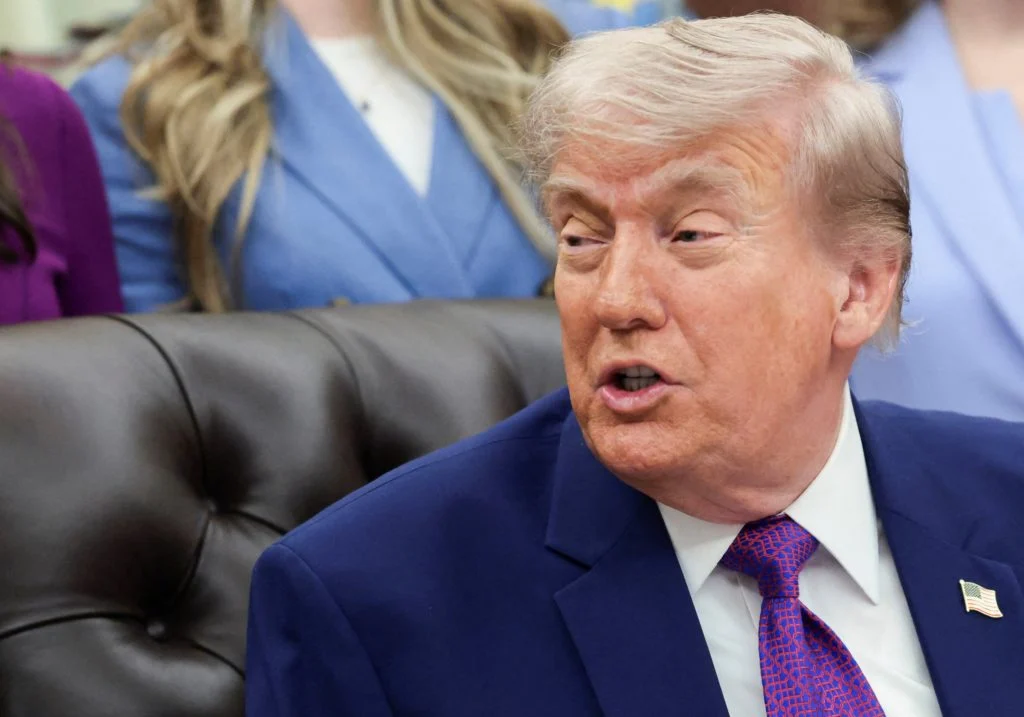
President Trump addressed the unfolding situation during a White House briefing on Monday. When asked about the administration’s specific plans for containment and support, the President remarked, "I hope it’s fine. All I can do is everything that a president can do, which is something—which is actually somewhat limited."
Chronology: A Timeline of the Outbreak
The timeline of the cruise ship crisis reflects the rapid escalation typical of modern infectious disease events.
- Initial Detection: Health officials on the vessel noted a spike in severe respiratory symptoms among a group of passengers, leading to the immediate implementation of isolation protocols within the ship’s medical facilities.
- The Diagnostic Phase: Following the onset of symptoms, testing confirmed the presence of hantavirus, triggering a cascade of notifications to the Centers for Disease Control and Prevention (CDC) and international health counterparts.
- International Repatriation Efforts: As the ship sought safe harbor, nations began coordinating the repatriation of their citizens. This process has been fraught with bureaucratic hurdles, as countries weigh the risks of allowing potentially infected individuals to disembark on their soil.
- White House Briefing: On Monday, President Trump addressed the media, marking the first high-level executive statement regarding the incident. The President framed the administration’s response as sufficient, despite growing criticism from public health experts regarding the speed of the federal reaction.
Supporting Data and Medical Context
To understand the gravity of the situation, one must look at the nature of hantavirus itself. Unlike influenza or SARS-CoV-2, hantavirus is not typically transmitted person-to-person. It is a zoonotic disease. However, the presence of the virus on a cruise ship suggests an environmental breach—likely a rodent infestation—that has allowed the pathogen to circulate in aerosolized form within the ship’s interior spaces.
Epidemiology of the Virus
Medical epidemiologists have been quick to note that while the virus is difficult to transmit between humans, the environmental risks within a cruise ship are significant. Hantavirus Pulmonary Syndrome (HPS) is the primary concern for clinicians. It begins with flu-like symptoms but can rapidly progress to severe respiratory distress.
"The one thing with this one is that it’s much harder to catch," President Trump noted during his press comments. "It’s been around for a long time, people are very familiar with it." While the President’s assessment of the virus’s transmission mode is medically accurate, public health advocates argue that his dismissal of the severity—by framing it as something the public is "very familiar with"—downplays the danger posed by an active outbreak in a high-density, closed-loop environment.
Funding and Resource Concerns
Critics have pointed to recent budgetary shifts within federal health agencies as a potential point of failure. Critics, including Robert F. Kennedy Jr. and others who have questioned the current preparedness levels, argue that staffing cuts and reduced funding for rapid-response epidemiology teams have hampered the government’s ability to act with the necessary urgency. The White House, however, maintains that the current infrastructure is adequate to handle the crisis.
Official Responses and Political Implications
The political fallout of the crisis is multifaceted. The administration is currently balancing the need to demonstrate strong leadership with a desire to avoid federal overreach.
The Executive Perspective
President Trump’s assertion that his powers are "limited" reflects a broader ideological approach to the role of the federal government in health crises. By framing the response as "fine," the President is signaling a preference for decentralized management, relying on the cruise line’s internal protocols and the cooperation of international port authorities rather than a centralized federal mandate.
Public Health Criticism
Conversely, independent medical experts and opposition figures argue that the slow response time constitutes a failure of governance. They suggest that the federal government should have been more aggressive in deploying specialized containment teams to the ship, regardless of its location in international waters, to ensure that diagnostic standards were uniform and that the risk to the American public was mitigated early.
Implications for the Cruise Industry
The long-term implications for the cruise industry are dire. Following the COVID-19 pandemic, the industry had invested heavily in sanitization and health-monitoring technologies. The discovery of an outbreak as significant as hantavirus—an old, well-known, yet lethal disease—undermines consumer confidence.
Economic Consequences
Cruise stocks have seen volatility following reports of the outbreak. Investors are wary of the potential for prolonged quarantine periods and the resulting operational costs. If passengers begin to associate cruise travel with high-risk health events, the industry could face a sustained period of reduced demand, necessitating further government intervention or industry-wide structural changes.
Future Health Protocols
The outbreak will undoubtedly lead to a revision of international maritime health laws. Health ministries worldwide are likely to demand more stringent inspections of rodent control measures on cruise vessels, as well as improved air filtration systems capable of trapping particulates that might carry zoonotic pathogens.
Conclusion
The hantavirus outbreak on the cruise ship serves as a stark reminder of the intersection between globalization, travel, and public health. While President Trump has attempted to manage expectations by emphasizing the limitations of his office, the reality of the situation demands a rigorous, evidence-based response. As the international community continues to work toward the safe repatriation of the remaining passengers, the focus will inevitably shift toward how the federal government prepares for the next inevitable health crisis at sea.
Whether the current response is ultimately deemed "fine," as the President suggests, or inadequate, as critics maintain, the events of this week highlight the necessity of robust public health infrastructure and the constant vigilance required to prevent localized outbreaks from escalating into global concerns. The eyes of the world remain fixed on the ship, waiting to see if the measures in place are sufficient to contain the pathogen and prevent further loss of life.