










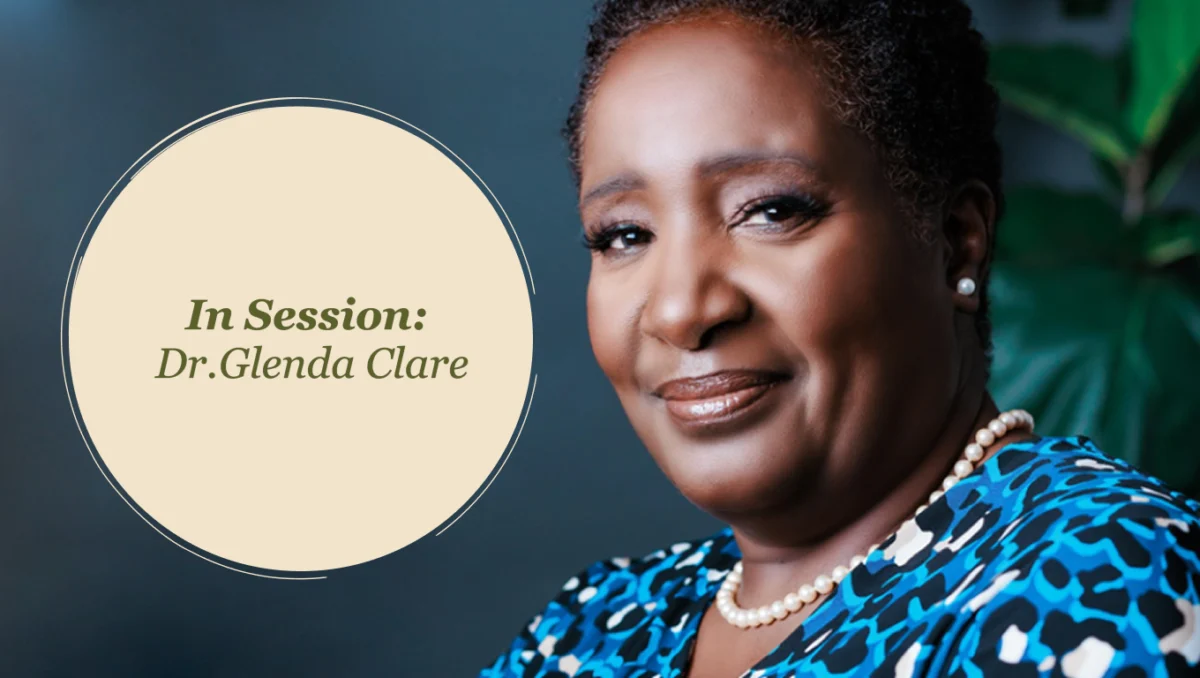
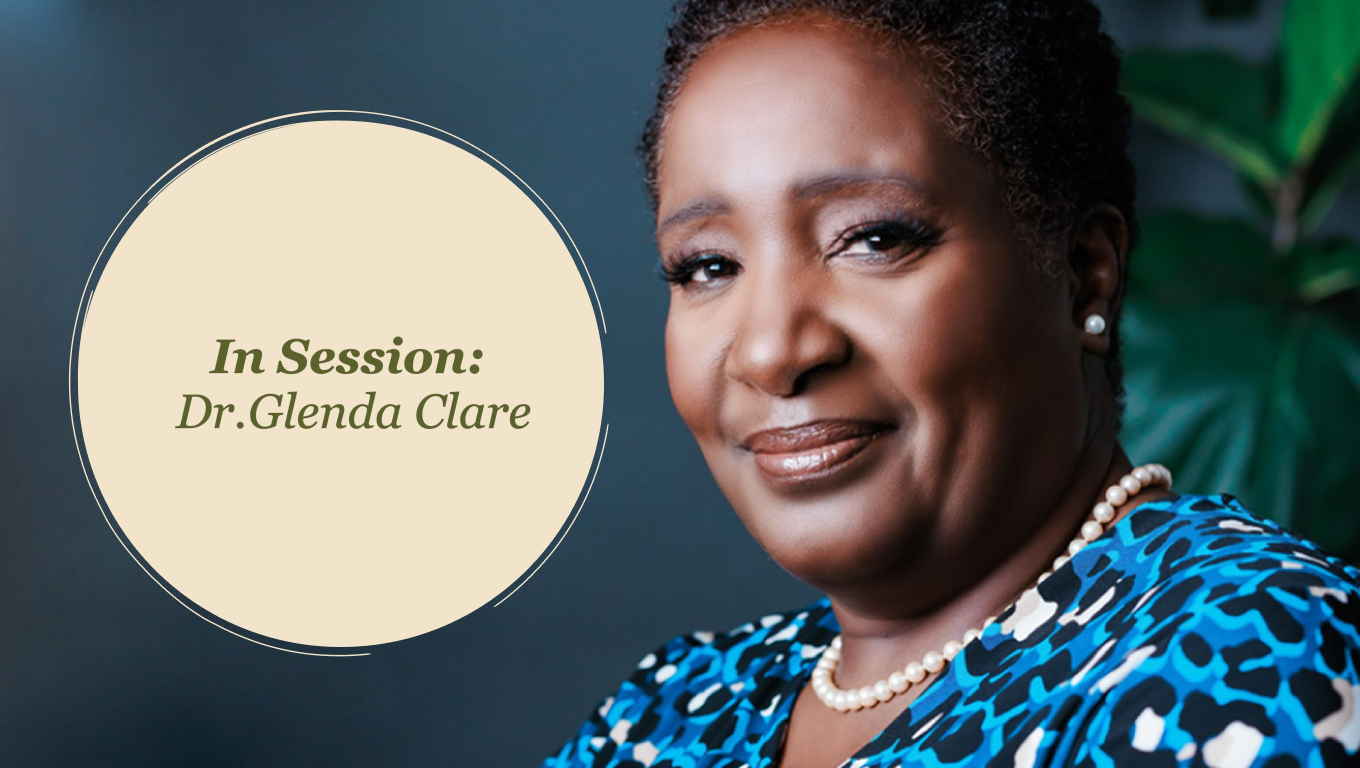
DURHAM, NC – In an era where mental health awareness has reached an all-time high, yet accessibility and "the right fit" remain significant hurdles for many, Dr. Glenda Clare is championing a refreshingly human approach to clinical counseling. A licensed clinical mental health counselor and addiction specialist based in Durham, North Carolina, Dr. Clare was recently featured in the GoodTherapy Member Spotlight series, where she shared profound insights into the mechanics of the therapeutic relationship and the necessity of destigmatizing the universal human experience of "having issues."
With a practice deeply rooted in the complexities of family dynamics, grief, and addiction recovery, Dr. Clare’s philosophy—"We all got issues"—serves as a leveling force in a field that can sometimes feel clinical or detached. Her approach emphasizes that therapy is not a hierarchy but a partnership, a perspective that is reshaping how residents in the Research Triangle and beyond view their path to wellness.
Main Facts: A Holistic Approach to Modern Counseling
Dr. Glenda Clare’s professional profile is a blend of rigorous academic training and what she describes as "lived experience." As a Licensed Clinical Mental Health Counselor (LCMHC) and a specialist in addiction, her work spans a broad spectrum of human suffering and resilience. Her practice in Durham focuses on four primary pillars:
- Family Relationships: Navigating the intricacies of domestic bonds and toxic dynamics.
- Life Transitions: Assisting individuals through the turbulence of career changes, aging, and identity shifts.
- Grief and Bereavement: Providing a structured yet compassionate space for loss.
- Addiction Counseling: Addressing both the chemical and behavioral aspects of dependency.
The core of Dr. Clare’s methodology is the "Therapeutic Alliance." Unlike traditional models where the therapist is an all-knowing authority figure, Dr. Clare views the process as a collaborative "dance." This model is increasingly supported by modern psychological research, which suggests that the quality of the bond between therapist and client is a more significant predictor of success than the specific clinical modality used.
Chronology: From the First Inquiry to Transformative Change
The journey of therapy, as outlined by Dr. Clare, follows a specific chronological progression designed to build trust and ensure safety. This timeline often begins long before the first formal session.
The 15-Minute "Click" Test
Recognizing that "everybody is not your person," Dr. Clare advocates for a preliminary screening process. She offers 15-minute consultation sessions to determine if a "click" exists between her and the potential client. This initial step is crucial in modern mental health care, where the "clueless therapist" trope—someone who lacks cultural or situational competence regarding a client’s specific life experience—can lead to early dropout rates.
The Intake and Parameter Setting
Once a partnership is established, the first formal session serves as a foundational "mapping" period. Dr. Clare emphasizes that this session is about setting parameters. "We’re essentially setting the parameters for what will happen after," she notes. This includes the vital discussion of confidentiality and its legal limits—specifically, the duty to warn if a client poses a danger to themselves or others.
The Middle Phase: The "AHA" Moments
Following the initial sessions, the work moves into what Dr. Clare describes as a partnership for wellness. This phase is characterized by a balance of support and challenge. A successful therapeutic chronology involves moving out of the comfort zone. According to Dr. Clare, a therapist’s role is to challenge the client to grow, while maintaining a "safe place" where the client can be their authentic self without judgment.
Supporting Data: The Growing Need for Competent Care
Dr. Clare’s work comes at a critical time for North Carolina and the United States at large. According to data from the National Alliance on Mental Illness (NAMI), nearly 1 in 5 U.S. adults experience mental illness each year. In North Carolina specifically, over 1.5 million adults have a mental health condition—more than three times the population of Raleigh.
Furthermore, the Substance Abuse and Mental Health Services Administration (SAMHSA) reports that the need for addiction counseling has surged following the social isolation of the early 2020s. Dr. Clare’s specialization in addiction is particularly relevant in Durham County, where local health departments have been working to combat rising rates of substance use disorders.
The importance of "finding the right fit," which Dr. Clare emphasizes, is backed by a landmark study published in the journal Psychotherapy. The study found that the therapeutic alliance accounts for roughly 30% of the variance in treatment outcomes, whereas the specific treatment method accounts for only about 15%. This data underscores why Dr. Clare’s focus on the "partnership" is not just a philosophy, but a clinically sound strategy for recovery.
Official Responses: Insights from Dr. Glenda Clare
In her interview with the GoodTherapy Editorial Team, Dr. Clare provided direct answers to the most common anxieties people face when considering professional help.

On the Safety of the First Session
"When I think about the first session for someone who is starting therapy, I want them to know that therapy is a safe place," Dr. Clare stated. She reiterated that for those who have never been to therapy, the primary goal is to establish that they will not be judged. "They need to know that essentially this is their therapy, so they also are setting some boundaries in terms of what they do and do not want to discuss."
On the "Something is Off" Feeling
Many people avoid therapy because they cannot name a specific trauma or diagnosis. Dr. Clare addresses this head-on: "There are times in everyone’s lives where things aren’t quite the way we think that they should be. It’s during those time periods that it’s okay to enter into therapy. Change happens when you first acknowledge that there’s a need for change, and then you do something about it."
On the Nature of the Partnership
Dr. Clare is clear that the goal of her practice is the client’s wellness, not her own professional ego. "My philosophy is that we all got issues. We are to figure out what you need and to provide the resources that you need so that you can enhance your wellness… This is a partnership. There may be some directions that I think might be good for you to go in and you may have another thought."
On Identifying a Good Match
For Dr. Clare, the signs of a successful match are both emotional and intellectual. "I have learned that emotions are key. When I’ve got a good fit with a client, there are days when we cry together. There are days when we laugh together," she shared. She also points to "AHA moments"—those instances of sudden insight—as the ultimate barometer for a healthy therapeutic relationship.
Implications: The Future of Mental Health in the Community
Dr. Clare’s approach has significant implications for the future of community-based mental health care. By emphasizing that "we all got issues," she actively works to dismantle the stigma that therapy is only for those who are "broken." This perspective is essential for reaching underserved populations who may view mental health care with skepticism or shame.
Breaking Cultural Barriers
The insistence on screening therapists—treating the process like an interview—empowers the patient. In a healthcare system where patients often feel like passive recipients of care, Dr. Clare’s model restores agency. This is particularly important for marginalized communities in Durham, where finding a therapist who "gets it" can be the difference between continued suffering and a breakthrough.

The Evolution of the "Self-Help" Narrative
Dr. Clare’s philosophy shifts the narrative from "self-help" to "supported growth." By acknowledging that the therapist is also a human being who understands the weight of "issues," she bridges the gap between clinical theory and human reality. This transparency is likely to become a standard in the industry as younger generations demand more authenticity from their healthcare providers.
Long-term Community Impact
As more practitioners adopt the partnership model championed by Dr. Clare, the long-term impact on community health could be profound. Improved therapeutic alliances lead to higher retention rates in treatment, lower rates of relapse in addiction recovery, and more stable family units.
Conclusion: Taking the First Step
Dr. Glenda Clare’s contribution to the GoodTherapy Member Spotlight highlights a fundamental truth: mental health care is about progress, not perfection. Her work in Durham serves as a beacon for those navigating the complexities of grief, the shadows of addiction, or the simple, nagging feeling that "something is off."
For those curious about the process, Dr. Clare’s message is simple: you are the driver of your own wellness, and finding the right co-pilot is the most important decision you can make. As the mental health landscape continues to evolve, the focus on the therapeutic alliance—the human connection—remains the most powerful tool for transformation.
For more information on Dr. Glenda Clare’s practice or to find a licensed counselor in your area, visit the GoodTherapy directory. Mental health support is available for those dealing with anxiety, depression, relationship challenges, and more.