









Date: January 29, 2026
In the complex machinery of Washington, D.C., the difference between a life-saving public health intervention and a stalled policy initiative often comes down to the clarity of an advocate’s message and the precision of their strategy. For communities on the front lines of the U.S. overdose crisis—a national emergency that continues to claim tens of thousands of lives annually—navigating the labyrinthine corridors of Congress, federal funding rules, and legislative timelines has historically been a significant barrier.
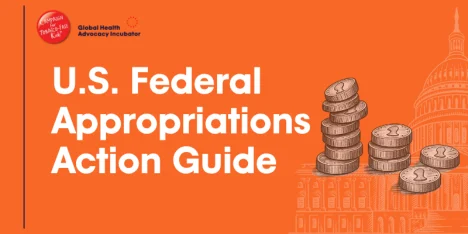
To dismantle these obstacles, the Overdose Prevention Initiative at the Global Health Advocacy Incubator (GHAI) has officially launched the U.S. Federal Advocacy Action Guide. Housed on the Health Advocacy Training and Collaboration Hub (HATCH), this comprehensive digital resource provides a roadmap for those closest to the crisis to translate their lived experiences into tangible legislative change.
The Landscape of the Overdose Crisis
The overdose epidemic in the United States is not merely a medical crisis; it is a policy crisis. For years, advocates have argued that federal decision-making often operates in a silo, disconnected from the on-the-ground realities of harm reduction, recovery services, and community-based prevention efforts.
Federal funding rules and legislative timelines are the lifeblood of public health, yet they remain opaque to many. When these processes are not understood, proven solutions—such as expanded access to naloxone, medication-assisted treatment (MAT), and comprehensive support services—are frequently delayed or underfunded. The U.S. Federal Advocacy Action Guide seeks to transform this dynamic by equipping grassroots organizers with the institutional literacy required to influence policy outcomes effectively.
Chronology of Advocacy and Policy Evolution
To understand the necessity of this new guide, one must look at the recent evolution of overdose prevention advocacy.
- Pre-2020: Advocacy was largely fragmented, with local organizations struggling to link their successes to national policy discussions. The lack of standardized advocacy training meant that many community voices were left out of the legislative process.
- 2020–2023: The acceleration of the overdose crisis during the pandemic heightened the urgency for federal intervention. However, advocates reported that while they had the "what"—the evidence-based solutions—they often lacked the "how"—the tactical knowledge to navigate the federal bureaucracy.
- 2024: The Global Health Advocacy Incubator (GHAI) began identifying a systemic gap in training. Feedback from stakeholders revealed that advocates felt intimidated by the complexity of federal appropriations and the technical requirements of policy engagement.
- January 2026: The launch of the U.S. Federal Advocacy Action Guide represents the culmination of two years of research and collaboration with stakeholders, marking a significant step toward professionalizing the voice of the recovery community within the halls of Congress.
Supporting Data: Why Advocacy Matters
The statistics surrounding the overdose crisis remain staggering. According to recent public health data, the intersection of synthetic opioids and changing illicit drug markets requires a rapid, agile, and well-funded federal response.
Advocacy is not an abstract exercise; it is a mechanism for resource allocation. For every federal dollar successfully directed toward community-led harm reduction, there is a measurable increase in survival rates. The U.S. Federal Advocacy Action Guide provides data-backed methodologies to help advocates:
- Identify Decision-Makers: Pinpointing exactly which committees and agencies control specific funding streams.
- Translate "Advocate-Speak" to "Policy-Speak": Converting emotional and necessary personal narratives into policy briefs that resonate with congressional staffers.
- Timeline Synchronization: Understanding the federal budget cycle to ensure advocacy efforts are peaking at the exact moments when funding decisions are finalized.
Empowering the Front Lines: A Structural Breakdown
The guide is meticulously designed to support a diverse array of stakeholders, including impacted families, service providers, public health leaders, and coalition partners. It breaks the daunting process of federal engagement into three manageable pillars:
1. Demystifying Power Structures
The guide provides a clear breakdown of who holds decision-making power. It clarifies the roles of various federal agencies, the differences between authorization and appropriations, and how a bill becomes a policy reality. By understanding the "when" and the "who," advocates can stop casting a wide net and instead focus their energy on high-impact targets.
2. Strategic Messaging
One of the greatest challenges in advocacy is maintaining a clear, consistent ask. The guide trains users on how to move beyond general concern to specific, actionable requests. Whether advocating for a specific legislative amendment or pushing for the implementation of new program guidance, the guide provides templates for effective outreach.
3. Tactical Planning
The guide assists groups in aligning their messages to ensure that a diverse coalition speaks with a unified voice. It offers actionable tips for organizing, digital outreach, and in-person engagement, ensuring that community voices are not only heard but are viewed as authoritative.
Official Responses from the Field
The response from the advocacy community has been one of validation and relief. For many, the guide addresses a long-standing void in the sector.
Tamara Olt, Executive Director of Broken No More, underscored the practical necessity of the tool: "This guide fills a real gap. It helps us understand not just what to advocate for, but how to do it effectively at the federal level, while staying grounded in the realities facing people most impacted by overdose."
Patty McCarthy, CEO of Faces and Voices of Recovery, echoed these sentiments, highlighting the professionalization of the movement: "The Federal Advocacy Action Guide is an invaluable resource for recovery advocates. It provides practical tools, real examples, and a clear pathway for engaging Congress in a way that is coordinated, credible, and rooted in lived experience."
Implications for Future Policy
The release of this guide signifies a shift toward a more sophisticated era of overdose prevention advocacy. By democratizing access to the "rules of the game," the GHAI is effectively leveling the playing field.
Long-Term Impact
- Standardization: As more organizations utilize these tools, the quality of advocacy outreach to congressional offices will improve, leading to more productive meetings and clearer policy discussions.
- Sustainability: By teaching advocates how to navigate the system, the guide fosters long-term, self-sustaining advocacy movements rather than short-term, reactive bursts of activity.
- Policy Responsiveness: When legislators are presented with clear, evidence-based, and actionable requests, the likelihood of legislative success increases. This, in turn, allows for more durable policies that can withstand changes in political leadership.
Conclusion: From Concern to Action
The overdose crisis remains a profound tragedy for the United States, but it is not an unsolvable one. The solutions—grounded in science and compassion—already exist. The barrier has always been the translation of those solutions into federal law and funding.
The U.S. Federal Advocacy Action Guide serves as a bridge between the lived experience of communities and the legislative process of the nation’s capital. It is a call to action for every advocate to move beyond the despair of the crisis and toward the strategic implementation of change.
For those ready to engage, the guide and its associated tools are now available on the HATCH platform. Registration is required to ensure that advocates can access the full suite of training modules and collaborative resources.
In the fight against overdose, knowledge is not just power—it is a life-saving intervention. As advocates begin to utilize this new roadmap, the hope is that the collective, coordinated voice of the people will finally reshape federal policy to reflect the urgent needs of the communities they serve.