As the world transitions further away from the acute phase of the global COVID-19 pandemic, the concept of "normal" remains a moving target. For many, the year 2021 served as a bridge—a complex period defined by the gradual resumption of pre-pandemic activities, the retention of newly formed habits, and a persistent, underlying shadow of uncertainty. Amidst this backdrop, the Harvard T.H. Chan School of Public Health has released its latest Healthy Living Guide, a comprehensive resource designed to help individuals regain control over their nutritional and physical well-being.
The Shifting Landscape of Consumer Habits
To understand the current state of public health, one must first examine how the behaviors of the general population have fluctuated since the onset of the pandemic in 2020. Data from the 2021 Food and Health Survey provides a compelling look at these shifts.
During the initial 2020 lockdowns, the sudden displacement of routines led to radical changes in dietary habits. Many Americans turned to comfort foods and constant grazing as a mechanism for coping with stress and confinement. By 2021, however, the intensity of these behaviors began to wane. The survey noted a significant drop in "snacking more," falling from 32% in 2020 to 18% in 2021. Similarly, reports of "eating more in general" plummeted from 20% to 11%.
However, this transition has not been entirely positive. While stress-related overeating has decreased, there has also been a retreat from the culinary silver lining of the pandemic: home cooking. In 2020, as restaurants shuttered and safety concerns surged, 60% of consumers reported cooking at home more frequently. That figure dropped to 47% in 2021, as the reopening of dining establishments and a return to office life curtailed the time available for meal preparation. This decline in home cooking often correlates with a return to processed, convenience-heavy diets, which may have long-term implications for public health.
Chronology: From Crisis to Adaptation
The journey of the last two years can be categorized into three distinct phases:
- The Lockdown Era (Early 2020): Characterized by a radical, forced restructuring of life. The immediate impact was food insecurity for vulnerable populations, panic buying, and an abrupt shift to sedentary lifestyles.
- The Adaptation Phase (Late 2020 – Mid 2021): As vaccines began to roll out, a sense of cautious optimism emerged. People began to integrate exercise into their remote work routines, and interest in plant-based diets and home-grown food reached an all-time high.
- The "New Normal" (Late 2021 – Present): A hybrid existence. Society is attempting to reconcile the newfound awareness of health and immunity with the time constraints and social pressures of a pre-pandemic lifestyle.
Throughout this timeline, the Harvard Healthy Living Guide has acted as a stabilizing force, providing research-backed advice that moves beyond the fads of social media to focus on the biological and psychological pillars of longevity.
Supporting Data and the Disparity Gap
While many middle- and high-income households utilized the pandemic as an opportunity to prioritize health, the data reveals a sobering reality: the pandemic exacerbated deep-seated socioeconomic disparities. Food insecurity, which was a pre-existing crisis in the United States, saw a sharp increase during the pandemic.
The struggle to access fresh, nutritious food remains a critical public health challenge. While the survey data shows a decrease in excessive snacking among the general population, it masks the fact that many families, particularly in lower-income brackets, have struggled to maintain a consistent, healthy diet due to supply chain disruptions, rising inflation, and the closure of local food programs.
Furthermore, the pandemic has highlighted that "healthy living" is not just an individual choice; it is an infrastructure issue. Access to safe parks for exercise, the cost of fresh produce, and the availability of paid sick leave to recover from illness are systemic components of the health equation.
Official Perspectives: The Imperative for Global Action
Public health experts remain clear: the pandemic is not over. The emergence of new variants serves as a stark reminder that the virus is still evolving. From an epidemiological standpoint, the "Healthy Living Guide" emphasizes that individual health is inextricably linked to global health.
The scientific consensus is unequivocal regarding the necessity of increased vaccination, particularly in low- and lower-middle-income countries. Global vaccine equity is not merely a moral imperative; it is a pragmatic necessity. As long as the virus can replicate unchecked in any part of the world, the threat of new, more transmissible, or vaccine-resistant variants remains high. The Harvard researchers argue that while we focus on our personal diets and sleep hygiene, we must also advocate for policies that ensure equitable access to medical resources worldwide.
Implications for 2022 and Beyond
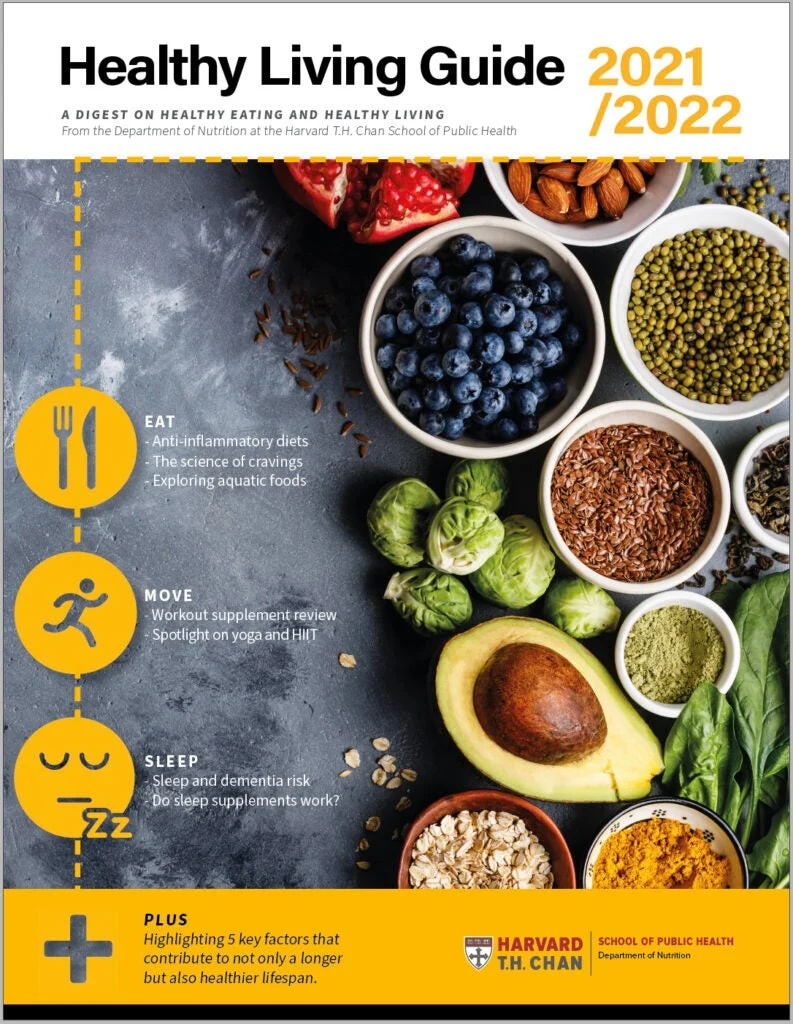
The 2022 edition of the Healthy Living Guide is designed to provide actionable steps in an era of fatigue. As the "pandemic fatigue" sets in, the challenge is to maintain the healthy habits we may have started in 2020 while abandoning the negative ones.
The Three Pillars of the Guide
- Eating Well: Moving away from the "all or nothing" mentality. The focus is on sustainable dietary patterns—prioritizing whole grains, healthy proteins, and an abundance of vegetables—rather than restrictive calorie counting.
- Being Active: Recognizing that exercise is not just for weight loss, but for mental health and immune function. The guide encourages consistent, moderate movement as a vital tool for stress management.
- Prioritizing Sleep: Often the most overlooked component of health. The guide provides research on how sleep deprivation directly correlates to metabolic issues, weakened immunity, and poor cognitive performance.
Practical Application
The guide offers more than just theory; it includes printable tip sheets that serve as daily reminders for busy individuals. Whether it is a quick guide to reading nutrition labels, a breakdown of how to structure a workout, or advice on how to improve sleep hygiene, the goal is to make healthy living a "default" setting rather than a chore.
Addressing the Knowledge Gap: Testing Your Wellness IQ
A unique feature of this year’s initiative is the call to action for readers to test their knowledge. By revisiting the 2020-2021 archives, the guide challenges individuals to evaluate how much they have truly learned about their own biology.
Questions often revolve around common misconceptions:
- Does intermittent fasting work for everyone?
- What is the real difference between "natural" and "organic" labeling?
- How does sugar intake specifically impact heart health in the long term?
By encouraging this reflective approach, the Harvard team hopes to empower readers to become their own health advocates, capable of filtering through the noise of health misinformation that has proliferated online since the pandemic began.
Conclusion: A Commitment to Long-Term Vitality
As we move forward, the definition of "healthy living" must expand to include resilience. It is about building a body and mind that can withstand the stressors of an unpredictable world. The Healthy Living Guide does not promise a quick fix; rather, it offers a sustainable blueprint for navigating the complexities of modern life.
In 2022, the emphasis must shift from surviving the pandemic to thriving in its wake. By prioritizing evidence-based practices—eating whole foods, staying physically active, ensuring restorative sleep, and contributing to a healthier global community—we can turn the lessons of the past two years into a lifelong commitment to wellness.
For those looking to take the first step, the printable Healthy Living Guide (PDF) remains the most accessible and comprehensive tool available. It serves as a testament to the fact that while we cannot always control the world around us, we can exert significant influence over our own health through informed, intentional, and consistent action.