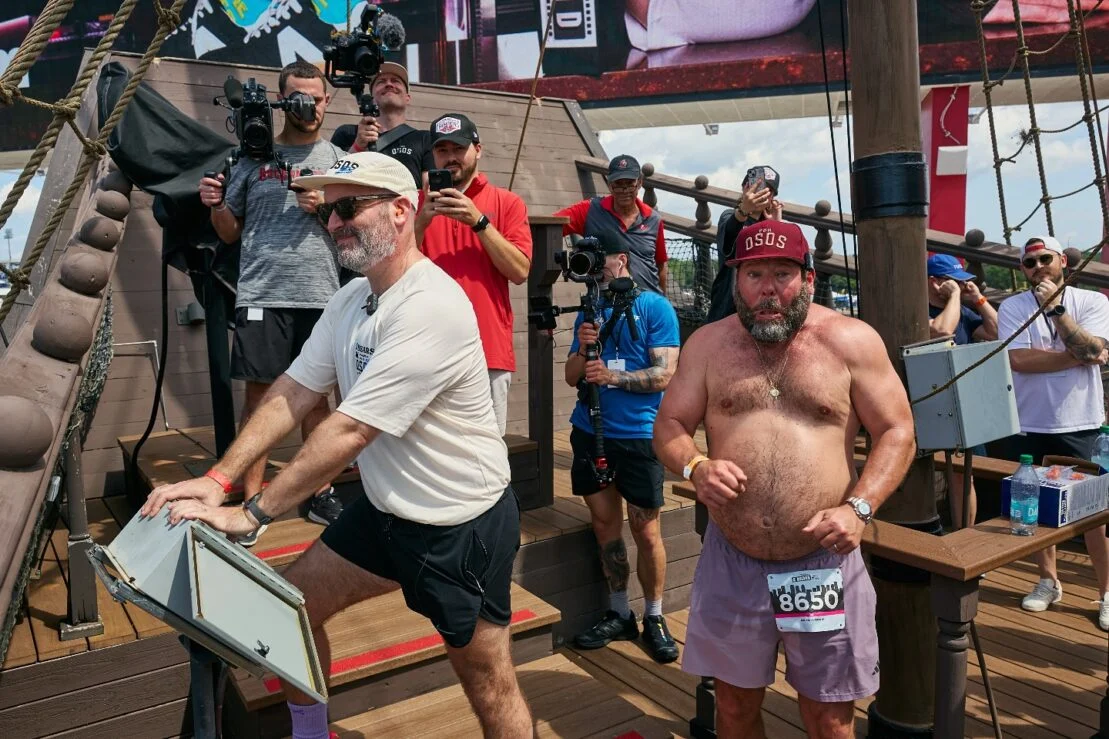
What began as an off-the-cuff, self-deprecating joke between two of comedy’s most recognizable figures has, against all odds, blossomed into a legitimate cultural phenomenon. The "2 Bears 5K"—the brainchild of podcasting titans Tom Segura and Bert Kreischer—has transcended its origins as a comedic bit to become one of the most accessible and unique fitness events in the entertainment landscape.
By leveraging their own histories as self-proclaimed "unathletic" middle-aged men, Segura and Kreischer have managed to pull thousands of fans into the orbit of health and wellness, proving that you don’t need to be an elite athlete to commit to a physical goal.
The Genesis of an Absurd Idea
The 2 Bears 5K was never intended to be a serious athletic endeavor. It was born from the banter of their hit podcast, 2 Bears, 1 Cave, where the hosts frequently joked about their lack of fitness and the physical toll of their respective lifestyles.
According to Segura, the secret to the event’s massive resonance lies in its inherent "absurdity." At the time of its inception, neither man was synonymous with peak physical performance. By putting their own bodies on the line, they stripped away the intimidating veneer often associated with organized racing.
"Probably that two middle-aged fat guys known for not being fit decided to do this," Segura notes. "And that it inspired a lot of other people who had never done it to try it."
What started as a dare has matured into a full-scale, multi-sensory experience. The event now functions as a hybrid of a traditional road race, a live comedy show, and a fan-focused festival. It brings together celebrity cameos, high-energy entertainment, and, most importantly, a supportive, non-judgmental environment for thousands of participants who may have previously felt alienated by the competitive nature of traditional endurance sports. Looking back, Segura expresses only one regret: he wishes they had launched the movement years earlier.
A Chronology of Growth and Transformation
The trajectory of the 2 Bears 5K serves as a case study in how digital content can translate into real-world community engagement.
- The Conceptual Phase: The initial discussions on the podcast were rooted in the "challenge culture" prevalent in modern media. The hosts posed the question: Could two guys who lived on junk food and comedy clubs actually train for and complete a 5K?
- The Early Trials: As the race moved from a podcast topic to a reality, the public began to take notice. The early iterations were characterized by a "come as you are" attitude, which resonated with a demographic that found traditional gym culture exclusionary.
- The Scaling Phase: As participant numbers swelled, the event required professional organization. It transitioned from a casual jog to a structured, professionally timed race that retained the chaotic, fun-loving spirit of the podcast.
- The Current Status: Today, the 2 Bears 5K is a staple on the fitness calendar for fans of the show, acting as a yearly "reset" button for many, including the hosts themselves.
The Divergent Philosophies: Structure vs. Spontaneity
The preparation for the 5K highlights the fundamental differences between the two co-hosts. While Bert Kreischer is famously known for his "wing-it" approach to life and training, Tom Segura represents the more disciplined, methodical side of the coin.
Segura is the first to admit that he finds the process of running fundamentally unappealing. "I kind of hate it, the running," he confesses. "But I slowly start to embrace it as it gets closer." This acknowledgment is precisely what makes his journey so relatable to the average fan. He doesn’t paint a picture of effortless athleticism; instead, he describes a mental battle—a process of working through the dislike of training until the routine becomes a rewarding necessity.
For Segura, the race acts as an anchor. It provides a concrete deadline, which in turn fosters accountability. His goal for the upcoming event is clear: to finish in under 30 minutes, a target he has consistently chipped away at with each passing year.
The Turning Point: Recovery as the New Fitness
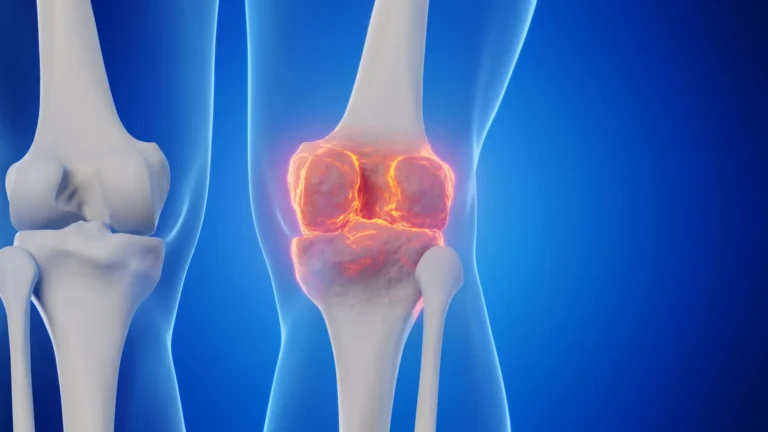
No discussion of Segura’s fitness evolution is complete without mentioning the 2020 basketball injury that acted as a catalyst for his physical overhaul. The accident, which resulted in significant damage to his leg and knee, forced him to confront his physical limitations in a way he had never done before.
This recovery period, characterized by long hours in physical therapy and the frustration of being sidelined, fundamentally shifted his focus. Before the injury, Segura admits he operated under a "push through the pain" mindset—a common trap for those chasing superficial aesthetic goals or heavy personal records. The reality of rehabilitation taught him the necessity of prioritizing mobility and longevity over raw power.
"It made physical health a priority," Segura says. "It also makes me listen to my body in a way I never did before." This philosophy has led him to embrace circuit-based training and mobility work, moving away from the "big lifts" that characterized his younger years. He now views physical fitness as an investment in his ability to continue working, touring, and living life at a high level.
Insights from the Road: The Importance of Consistency
For those looking to replicate the progress Segura has made, his advice is refreshingly simple: focus on consistency, not perfection. In an industry saturated with complex macros, expensive supplements, and intimidating "hacks," Segura advocates for a back-to-basics approach.
His daily routine is built around the realities of a demanding career. By starting his day at 6:30 or 7:00 a.m. with a gym session, he ensures that his health is prioritized before the chaos of travel and family life takes over. He balances his training by listening to his body, refusing to adhere to a rigid schedule that ignores the need for recovery. If his body needs a rest day, he takes one, viewing it as a strategic recovery rather than a failure of discipline.
Sleep, he argues, is the most overlooked element of the modern fitness equation. "Eating clean isn’t that hard," he notes. "Sleep can be a real challenge with travel and kids, but you can’t perform well in any physical activity if you don’t prioritize sleep."
Implications: The Democratization of Health
The 2 Bears 5K represents a significant shift in how fitness is marketed to the general public. By removing the "gym bro" stigma and replacing it with the inclusive, humorous atmosphere of a community event, Segura and Kreischer have successfully lowered the barrier to entry for thousands of people.
The implication is clear: you do not need to be a professional athlete to take ownership of your health. You simply need to show up. Whether it is performing mundane rehabilitation exercises or simply putting one foot in front of the other on a treadmill, Segura insists that the "small stuff" is what builds the foundation for long-term health.
"Don’t overthink it," he advises. "Just get it done. It doesn’t have to look good for it to count."
As the event continues to grow, the competitive spirit among the participants remains high, but it is always tempered by the understanding that everyone is there for the same reason: to improve, to connect, and to have a laugh while doing it. As for Segura, he has his post-race ritual firmly planned: a bit of camaraderie, a toast with "Por Osos," and a cold plunge to aid in the recovery—a perfect microcosm of his balanced, disciplined, and undeniably human approach to staying fit.