As the holiday season approaches, the challenges faced by family caregivers—often unsung heroes in our healthcare system—come into sharper focus. Navigating the demands of caregiving while trying to foster a sense of normalcy and joy can be daunting. To support this vital community, the Caregiving Club, under the leadership of CEO Sherri Snelling, has released its 5th Annual Holiday Gift Guide. This curated collection is designed to promote wellness, safety, and connection, grounded in the philosophy of engaging the five senses to improve brain health and emotional well-being.

The Philosophy of Care: Engaging the Senses
The 2025 guide moves beyond traditional gift-giving, focusing instead on "Wellness for Caregivers," "Wellness for Older Adults," and "Wellness for Home."

Sherri Snelling, drawing on her book Me Time Monday, emphasizes that the natural, soothing calm achieved by immersing oneself in nature can be replicated by mindfully engaging the senses of sight, sound, smell, taste, and touch. This multisensory approach is not merely about comfort; it is a strategic effort to mitigate the chronic stress often associated with long-term caregiving.

Chronology of Care: A Half-Decade of Support
This year marks the fifth consecutive year that the Caregiving Club has compiled these recommendations. The progression of these guides mirrors the evolution of the "AgeTech" industry—a burgeoning sector dedicated to using technology and innovative design to support the aging population.
- 2021–2022: The inaugural guides focused on foundational needs, establishing a bridge between consumer tech and senior care.
- 2023: The focus expanded toward specialized dementia support, acknowledging the growing need for products that address cognitive decline with dignity.
- 2024–2025: The current iteration integrates advanced home design and environmental wellness, reflecting a holistic understanding that the physical space we inhabit is a primary determinant of our mental health.
Supporting Data: Why Specialized Gifting Matters
The importance of this guide is underscored by current demographic and market data. Statistics indicate that family caregivers influence or directly purchase 79% of all products designed for older adults. Despite this significant purchasing power, many caregivers remain unaware of the specialized tools available to help their loved ones "age in place"—a goal shared by the vast majority of seniors.

Furthermore, with one in three adults over the age of 85 expected to develop some form of dementia, the need for products that can "spark joy" during the cognitive journey has never been higher. The Caregiving Club’s guide fills an information gap, providing a vetted list of items that are both functional and therapeutic.

Expert Recommendations: Caregiver Wellness
The 2025 guide highlights eight specific categories for the caregiver, designed to combat burnout:

- Get Bamboozled (Cozy Earth Sheets): Prioritizing sleep quality as the foundation of health.
- Wearable Wellness (Acupressure Socks): Using physical sensation to trigger relaxation.
- Vagus Nerve Stimulation (Truvaga): Leveraging medical-grade technology to soothe the nervous system.
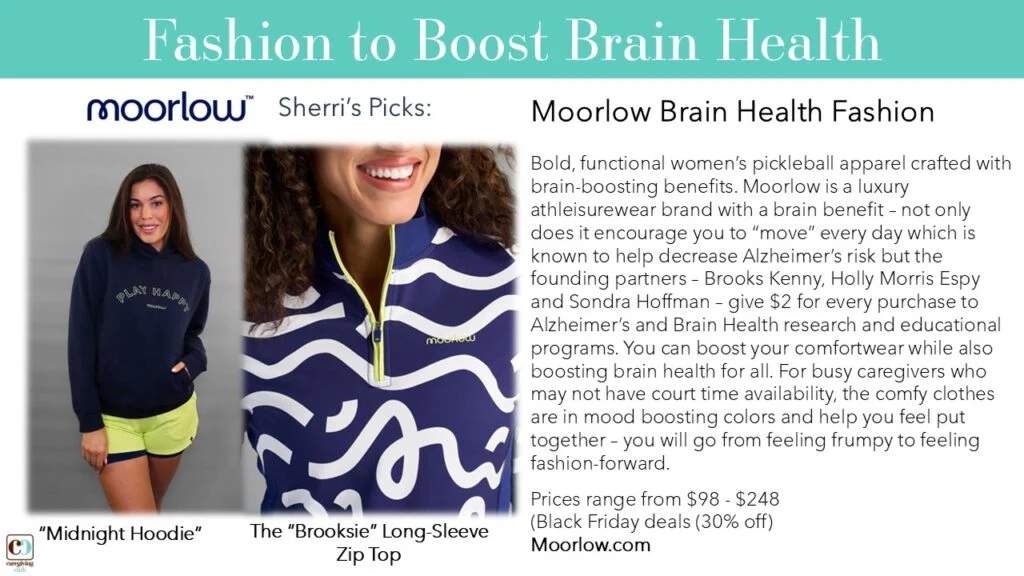
- Brain-Boosting Fashion (Moorlow): Blending style with cognitive health awareness.
- Sensory Relaxation (Me Time Candles): Utilizing the power of scent to anchor the mind.
- Restorative Tech (Therabody Smart Goggles): Reducing physical tension through targeted heat and massage.
- Blue Light Protection (Peepers): Protecting eye health in an increasingly digital world.
- Respite Services (Respitely): Addressing the most critical need—time off for the caregiver.
Innovations for Older Adults and Dementia Care
The guide shifts focus to the recipient, ensuring that gifts for older adults are not just "useful," but life-enhancing. Key recommendations include:

- Mobility and Comfort: From ergonomically designed flats (Vivaia) to the UPbed motorized lift system, these products emphasize autonomy.
- Safety and Transportation: Services like GoGoGrandparent are highlighted as essential bridges between isolation and independence, allowing older adults to remain active in their communities.
- Dementia-Specific Care: The guide highlights "Digital Love Letters" via Memory Boards and companion cards from Teepa Snow. These tools are designed to facilitate communication, reduce anxiety through "dementia play," and maintain emotional connection when verbal communication falters.
Environmental Wellness: The Home as a Sanctuary
"Our homes are part of the seven elements of wellness," notes Snelling. The final section of the guide explores Environmental Wellness. By incorporating biophilic design—such as rain chains, self-care planters, and "living art" succulent kits—caregivers can transform a home into a restorative sanctuary.

This design philosophy is not just aesthetic; it is deeply rooted in brain health. A calm environment reduces cortisol levels, which is vital for both the person providing care and the person receiving it.

Official Responses and Industry Partnerships
The Caregiving Club’s initiative is supported by a network of industry leaders who prioritize the "human side" of healthcare. Partnerships with retailers such as Carewell and Journey Health & Lifestyle ensure that caregivers have a reliable supply chain for essential items.

Furthermore, the integration of educational resources—such as the AlzAuthors community and specialized retailers like Eugeria and Relish—proves that the guide is not merely a list of products, but a gateway to a broader ecosystem of support. By offering a 15% discount (using code: CARES15), the Club makes these essential tools more accessible to the families who need them most.

Implications for the Future of Caregiving
The long-term implication of these guides is a shift in how we perceive the caregiving role. It moves from a narrative of "sacrifice" to one of "sustainability." If a caregiver is equipped with the right environment, the right technology, and the right sensory support, the caregiving journey can be a period of profound connection rather than inevitable burnout.
As we look toward the future, the integration of AI-assisted tools—such as those featured in the interviews with Lawrence Kosick of Get Set Up—suggests that technology will continue to play a pivotal role in the "aging in place" movement.

Conclusion
The 5th Annual Holiday Gift Guide from the Caregiving Club is more than a seasonal shopping list; it is a manifesto for better caregiving. By prioritizing the five senses, environmental design, and cognitive health, these gifts offer the most valuable commodity of all: peace of mind. Whether you are a full-time caregiver, an aging adult, or a family member looking to support a loved one, the lessons shared by the Caregiving Club provide a roadmap for a healthier, more joyful year ahead.

For those seeking further inspiration, the archives of the previous four years of gift guides remain available, serving as a comprehensive library of resources for the ongoing caregiving journey. This holiday season, let the focus be on wellness, intentionality, and the enduring power of care.