








In the complex landscape of chronic illness, few conditions are as misunderstood or as physically challenging as Ehlers-Danlos Syndrome (EDS) and its related hypermobility spectrum disorders. For decades, the medical community’s standard advice to patients—often centered on aggressive strength training and "pushing through"—has left many in the community feeling gaslit, injured, and deeply discouraged.
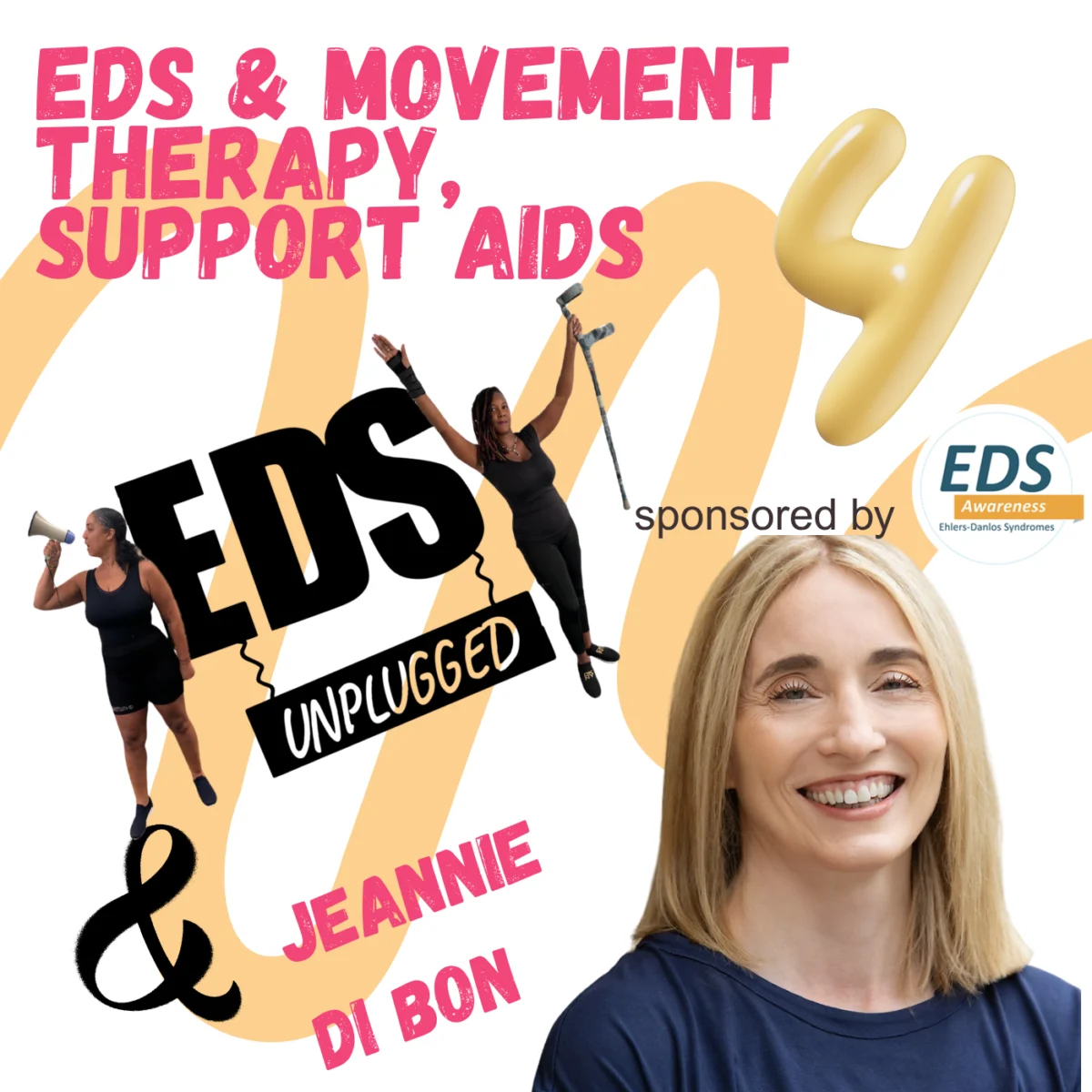
In a recent, illuminating episode of the EDS Unplugged podcast, hosts Cassandra A. Campbell and Marcia Brock sat down with movement therapist and author Jeannie Di Bon to challenge these outdated paradigms. Di Bon, the founder of The Zebra Club and creator of the evidence-based Integral Movement Method (IMM), offers a revolutionary approach: one that prioritizes nervous system regulation, body awareness, and a sustainable "go low, go slow" methodology.
The Personal Catalyst: A 35-Year Journey to Diagnosis
The efficacy of Di Bon’s work is rooted in her own lived experience. Her journey began at age 12, marked by a cascade of symptoms—headaches, IBS, and chronic joint pain—that would later be recognized as the hallmark signs of hypermobile EDS (hEDS). Like many, Di Bon spent years normalizing her pain, believing these systemic issues were universal.
It was only after the birth of her children that the instability in her joints became life-altering. "I had lost a lot of sensation in my left arm because it was so hypermobile," she shared. A physiotherapist’s advice to try Pilates became the catalyst for her career shift. While initially pursuing movement training for her own rehabilitation, she soon found herself gravitating toward the hypermobile community.
It wasn’t until 2017—after becoming acutely ill with Mast Cell Activation Syndrome (MCAS)—that she finally received an official diagnosis for hEDS. Looking back, she notes that her professional life had unknowingly prepared her for her own patient journey. "I think you’re sent the patients and the clients that you’re meant to work with," she reflected. Her ability to explain complex biomechanics to her clients stems from her own physical reality; she doesn’t just teach the theory of hypermobility, she feels it.
The Three Pillars of the Integral Movement Method
Di Bon’s Integral Movement Method (IMM) fundamentally rejects the "no pain, no gain" culture that dominates mainstream fitness. Instead, she structures her approach around three foundational pillars: Safety, Stability, and Strength.
Nervous System Regulation: The Missing Link
One of the most profound takeaways from the conversation was the emphasis on the nervous system. Di Bon argues that for those with EDS, the body is often in a state of constant "bracing" or "guarding" due to trauma and chronic instability.
"If I’ve got my shoulders up to my ears and I don’t breathe properly, how on earth am I going to do some strength training?" she asked. The IMM begins with breathwork and proprioceptive awareness. By calming the nervous system first, patients can move away from the hyper-vigilance that leads to injury. Only once the body feels "safe" can it effectively begin the process of building stability and, eventually, strength.
The Power of "Movement Snacks"
Both the host, Cassandra, and Di Bon highlighted the concept of "movement snacks"—small, manageable doses of movement integrated into daily life. Rather than viewing exercise as a 60-minute chore that triggers exhaustion, patients are encouraged to incorporate pelvic tilts in bed or heel raises while brushing their teeth. This approach removes the intimidation factor and makes movement a sustainable, life-long habit rather than a daunting, episodic burden.
Validating the Patient Experience: Official Research and Data
For years, the EDS community has been told that their symptoms are manageable through standard exercise protocols. However, research conducted by Di Bon and Dr. Jane Simmons—recently published in two peer-reviewed papers—provides much-needed scientific validation for a different approach.
The quantitative study, which followed patients through an 8-week movement program with a 6-month follow-up, revealed statistically significant improvements in patient outcomes. Crucially, the data showed that success was not linked to the amount of physical activity, but rather to the quality of movement and increased body awareness.
"It wasn’t about doing more," Di Bon explained. "It wasn’t about going to the gym seven days a week." This finding serves as a powerful rebuttal to the criticism often leveled at patients—that they aren’t "trying hard enough" or are being "lazy" by avoiding conventional exercise.
Navigating the Medical Maze: Misconceptions and Advocacy
The discussion also touched upon the persistent confusion surrounding medical terminology. With classifications changing frequently—from Joint Hypermobility Syndrome to hEDS and HSD—patients often find themselves caught in bureaucratic gridlock.
"There is still so much lack of education, unfortunately," Di Bon lamented. She noted that relying on the Beighton score—a simple 9-point scale used to assess joint laxity—is a flawed diagnostic tool. It fails to account for the multi-systemic nature of the condition, leading many to be dismissed if they don’t meet an arbitrary numerical threshold.
The Role of Medical Aids
A major point of contention in the medical community is the use of braces and support garments. Many clinicians discourage their use, fearing muscle atrophy. Di Bon, however, strongly advocates for their use when they improve quality of life. "If people need support… they’re going to be more functional," she stated. She emphasized that these aids are not substitutes for movement, but rather tools that enable patients to participate in life and perform rehabilitation exercises safely.
Implications: The Path Toward Self-Compassion
Perhaps the most significant takeaway from the episode was the shift toward emotional and mental health. Living with a chronic, invisible condition requires a constant, taxing internal calculus: Is this activity worth the potential flare-up?
Di Bon and her guests emphasized that "balance" in the IMM isn’t just about physical equilibrium—it’s about emotional boundaries. Learning to say "no," building mandatory rest into the day, and practicing self-compassion are not luxuries; they are essential survival strategies for those with connective tissue disorders.
"You are the expert of your body," Di Bon concluded. Her message to those feeling defeated is clear: you are not alone, and there is always a way forward, no matter how small the step. Whether through the global community of The Zebra Club or the resources available on her website, the path forward is one of patience, intentionality, and kindness toward one’s own physical limits.
Conclusion
The conversation between Jeannie Di Bon, Cassandra A. Campbell, and Marcia Brock serves as a vital resource for the EDS community. By bridging the gap between clinical evidence and the lived reality of chronic pain, Di Bon has provided a roadmap that values the person above the diagnosis. For those navigating the turbulent waters of hypermobility, her advice remains a beacon: go low, go slow, and never underestimate the power of simply listening to your own body.
For further resources, including the "A Pain in the Hypermobile Neck" webinar and access to the Zebra Club, listeners can visit jeanniedibon.com or the Hypermobility Channel on YouTube.