









By [Your Name/Journalistic Staff]
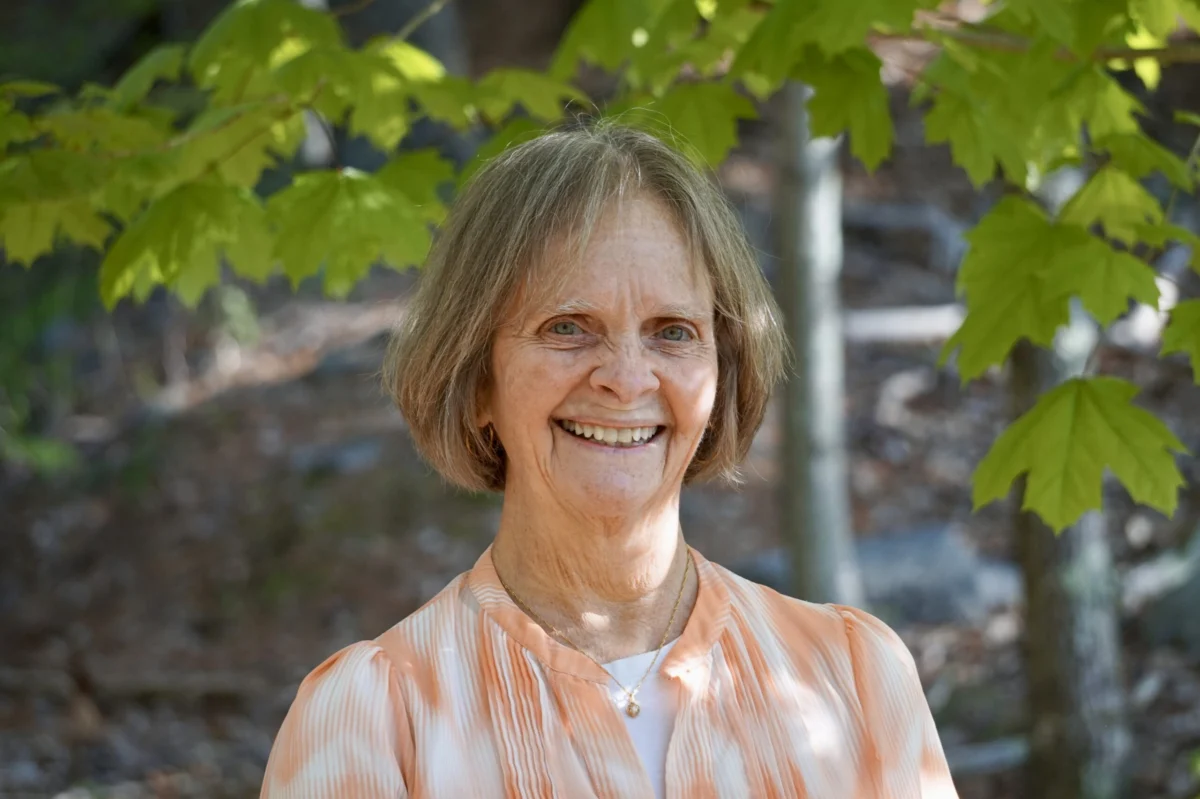
With contributions from Ellen Lenox Smith
For millions of Americans living with chronic pain, the physician-patient relationship is not merely a convenience—it is a lifeline. However, a silent crisis is sweeping through the medical landscape. As practitioners retire in record numbers and a growing exodus of healthcare professionals moves toward states offering higher compensation, the continuity of care for those with complex, incurable conditions is being severed.
In states like Rhode Island, the departure of primary care physicians and specialists has created a "medical desert" effect, forcing patients with conditions like Ehlers-Danlos syndrome (EDS), fibromyalgia, and autoimmune disorders to embark on a daunting, often humiliating, search for new providers. For these patients, finding a doctor is not just about logistics; it is a high-stakes negotiation for dignity, validation, and quality of life.
The Anatomy of a Medical Exodus
The current instability in the American healthcare workforce is multifaceted. According to data from the Association of American Medical Colleges (AAMC), the United States is projected to face a shortage of up to 124,000 physicians by 2034. While the reasons for this vary—ranging from the natural attrition of an aging baby-boomer medical workforce to the administrative burnout exacerbated by the COVID-19 pandemic—the ripple effects are felt most acutely by the most vulnerable.
In Rhode Island, as in many other states, the "brain drain" of physicians is often driven by economic factors. Medical professionals frequently migrate to states with lower costs of living or higher reimbursement rates, leaving behind a patient base that is often "high-utilization" due to chronic illness. When a patient is orphaned by their doctor, the process of finding a new provider is fraught with systemic barriers. Clinics are often at capacity, and many are hesitant to take on "complicated" cases that require extensive time, documentation, and multidisciplinary coordination.
Chronology of a Search: The Patient’s Burden
For the average person, a doctor search involves looking for an in-network provider with convenient hours. For a patient living with a condition like Ehlers-Danlos syndrome—a genetic connective tissue disorder characterized by joint hypermobility, chronic pain, and systemic complications—the process is a gauntlet.
- The Intake Rejection: Many prospective patients are screened out during the initial phone call. When a patient mentions a complex, incurable diagnosis, administrative staff—often trained to manage patient volume—may suggest the practice is "not a good fit."
- The Documentation Phase: Once an appointment is secured, the patient must condense years of medical history into a fifteen-minute consultation. This requires a high degree of "patient literacy"—the ability to advocate for oneself without appearing "difficult" or "drug-seeking."
- The Trust Audit: The first visit is often a test of the physician’s temperament. The patient is looking for a provider who will listen to their subjective experience, rather than dismissing it based on the lack of an immediate, clear-cut laboratory marker or imaging result.
- The Relationship Cultivation: If the doctor is receptive, the work shifts to collaborative care, where the patient and doctor learn to manage the condition in tandem.
Supporting Data: The Impact of Patient-Physician Rapport
The importance of a positive patient-physician relationship is backed by significant medical research. A study published in the Journal of General Internal Medicine suggests that patients who feel "heard" by their doctors report better adherence to treatment plans and higher satisfaction with their outcomes, even when the underlying condition remains chronic and incurable.
Conversely, the "diagnostic odyssey"—the long, painful period between the onset of symptoms and receiving an accurate diagnosis—often leaves patients with profound medical trauma. When a patient finally finds a doctor, they are often carrying the emotional baggage of previous dismissals. This is where the "monkey wrench" of chronic pain enters the equation; it complicates the clinical picture, requires more time for dialogue, and demands a level of empathy that many modern, high-volume clinics are not designed to provide.
Official Responses and Systemic Challenges
Healthcare administrators argue that the pressure on physicians to see more patients in less time is a result of structural failures in insurance reimbursement. The "fee-for-service" model incentivizes quantity over quality, penalizing doctors who take the extra time to listen to a patient with complex needs.
"We recognize that patients with chronic, complex conditions face unique challenges in our current system," says a representative for a regional medical association. "However, the solution requires systemic reform in how we value primary care. We are working to transition toward value-based care models that prioritize patient-physician time, but the transition is slow."
Despite these top-down efforts, the immediate reality for patients is a struggle for access. The burden currently falls on the patient to "market" themselves as a compliant, proactive, and "good" patient to secure a spot on a physician’s roster.
Implications: A New Paradigm for Care
The search for a new doctor, while harrowing, can also be an opportunity to redefine the patient-provider dynamic. Ellen Lenox Smith, an advocate and patient living with EDS, emphasizes that the goal is not to find a doctor who has all the answers—because, for many chronic conditions, those answers do not yet exist. Instead, the goal is to find a partner.
Strategies for the Modern Patient
To navigate this landscape, patients are increasingly adopting a "partner-in-care" approach. This includes:
- Preparing a "Patient Portfolio": Bringing concise, organized medical records, a list of current medications, and a summary of previous treatments that did or did not work.
- The "Vulnerability" Disclosure: Sharing not just the clinical facts, but the emotional journey of the condition, while demonstrating active participation in self-care (physical therapy, lifestyle modifications, etc.).
- Prioritizing Humility: Seeking a physician who is willing to say, "I don’t know, but let’s find out together."
The Human Element
Perhaps the most counterintuitive piece of advice for patients is to show interest in the doctor’s well-being. Asking a provider, "How are you doing today?" can break the wall of professional detachment. In an industry defined by burnout, a moment of genuine human connection can transform the clinical dynamic, shifting the interaction from a transaction to a relationship.
Conclusion: Paving the Way
While the medical system remains imperfect, the journey of the chronic pain patient is not without purpose. Every patient who successfully navigates the system and educates a new physician on the nuances of their condition acts as a bridge for the next patient. By fostering relationships built on mutual trust, listening, and compassion, we can cultivate a medical environment that—even if it cannot provide a cure—can provide something equally vital: a sense of partnership and the assurance that one is not navigating the darkness alone.
The path ahead remains difficult, and the structural shortages in our medical workforce will not be solved overnight. Yet, by approaching the search for care with intentionality, preparation, and a focus on the humanity of both the patient and the provider, we can ensure that even within a flawed system, the quality of life for those living with chronic pain is protected and prioritized.
Disclaimer: This article is intended for informational purposes and does not constitute medical advice. Always consult with your healthcare provider regarding your personal health needs.