








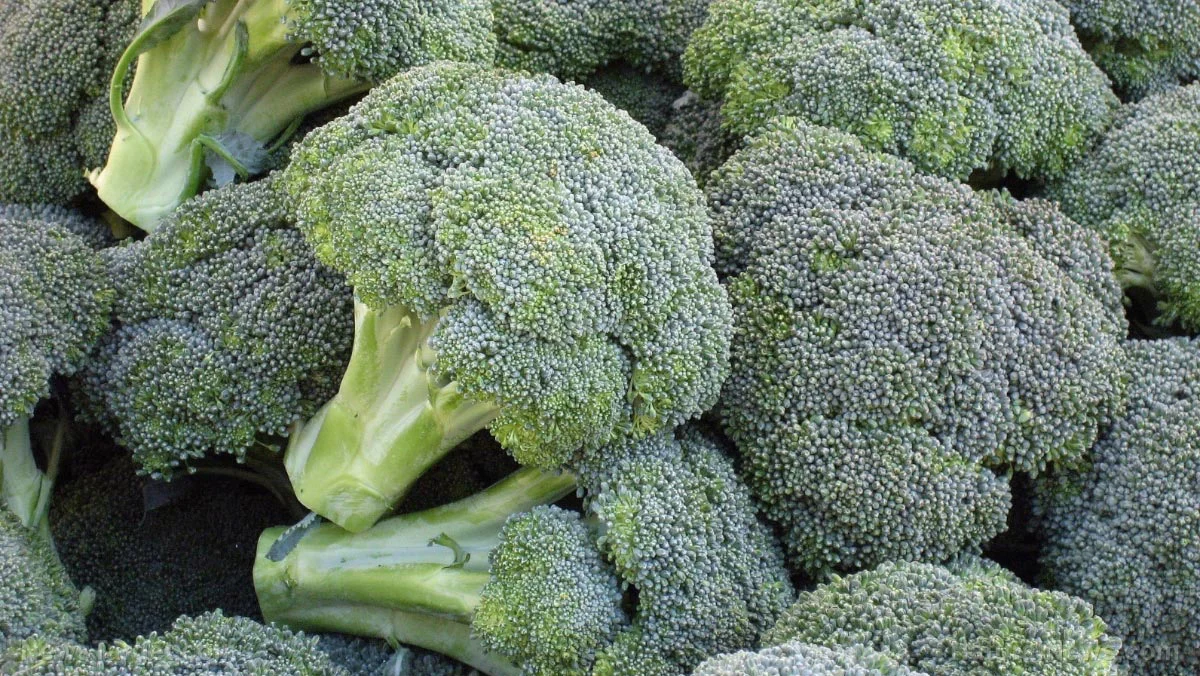
For generations, broccoli has occupied a peculiar space in the human culinary psyche. Revered by nutritionists, begrudgingly tolerated by adults, and famously scorned by children—often relegated to the status of a mushy, over-boiled afterthought—this cruciferous vegetable is currently undergoing a profound image rehabilitation. It is shedding its reputation as a bland dietary obligation to be recognized for what it truly is: a versatile, accessible, and scientifically potent cornerstone of human health.
This shift is not the product of fleeting marketing trends or health fads. Rather, it is driven by a burgeoning body of clinical research and the vocal advocacy of experts like registered dietitian Nichola Ludlam-Raine. The narrative of broccoli is a story of rediscovery, tracing a path from ancient Roman fields to the cutting edge of modern nutritional science, revealing why this humble "flowering crest of a cabbage" deserves a central role in every contemporary diet.
From Ancient Rome to Global Kitchens: A Chronology
The history of broccoli is a testament to human ingenuity in agriculture. First cultivated in the Mediterranean basin over two millennia ago, broccoli was the result of the ancient Romans’ mastery of selective breeding. By refining wild cabbage, they developed the structured, nutrient-dense vegetable we recognize today.
Its name finds its roots in the Italian broccolo, which translates to "the flowering crest of a cabbage"—a perfect anatomical description of its tight, immature flower buds perched atop a robust, fibrous stalk. For centuries, the vegetable remained a regional specialty. It did not gain a foothold in Britain until the 1700s, where it was curiously marketed as "Italian asparagus," a branding attempt to elevate its status among the British aristocracy.
It was not until the early 20th century that Italian immigrants introduced broccoli to the United States. Initially viewed as an ethnic curiosity, it moved firmly into the mainstream by the 1920s, as agricultural techniques allowed for large-scale production. Since then, the culinary application of the vegetable has evolved dramatically. While traditional Italian cuisine highlights its elegance when sautéed with olive oil and chili, and Chinese cuisine prizes varieties like gai lan for their crisp, nutrient-retaining snap, Western culinary habits have transitioned from boiling the vegetable into submission to roasting, raw consumption, and integration into high-density green smoothies.
The Nutritional Architecture: A Powerhouse Deconstructed
To understand why dietitians insist on broccoli’s inclusion in a daily regimen, one must look at the data. At its core, broccoli is a "high-impact" food. A standard 80-gram serving contains approximately 30 calories, yet it punches well above its weight class in terms of physiological benefits.
The Fiber and Vitamin Profile
Each serving provides between 2 and 3 grams of fiber, a combination of soluble and insoluble types. This is critical for gut microbiome health, bowel regularity, and the stabilization of blood sugar levels. However, the true density lies in its vitamin content:
- Vitamin C: A single cup provides over 100% of the recommended daily value, facilitating robust immune response and essential collagen synthesis.
- Vitamin K: Vital for bone mineralization and the complex biochemical processes of blood clotting.
- Folate: Essential for DNA synthesis and cellular repair, making it a critical vegetable for prenatal health.
The Magic of Sulforaphane
The most compelling aspect of broccoli’s biological efficacy is not found in a static vitamin count, but in its chemical potential. When the vegetable is chopped, chewed, or crushed, a chemical reaction occurs: an enzyme known as myrosinase interacts with glucosinolates to produce a biologically active molecule called sulforaphane.
Sulforaphane is arguably the most researched compound in the cruciferous family. Clinical studies have indicated that it possesses the ability to enhance the body’s natural detoxification enzymes and exert significant anti-inflammatory effects. This has led researchers to investigate its potential in reducing the risk of chronic conditions, including prostate, breast, and colon cancers. Furthermore, the vegetable acts as a delivery system for potassium, aiding in the regulation of blood pressure, while the high vitamin C content acts as a biological catalyst for the absorption of iron and calcium found within the plant.
Expert Perspectives: Maximizing Nutritional Uptake
The "how" of preparation is just as vital as the "what." Because many of the beneficial compounds in broccoli are heat-sensitive, expert guidance emphasizes the importance of cooking methods.
"Lightly steaming, microwaving, or quick roasting are the gold standards for preserving the enzymatic activity necessary to produce sulforaphane," notes nutritionist Nichola Ludlam-Raine. While raw broccoli is often praised for its high nutrient retention, the expert consensus suggests that for many, lightly cooked broccoli is superior because it improves digestibility, which in turn leads to better nutrient absorption.
Furthermore, the "waste" of broccoli is a nutritional misconception. The stalks are dense with insoluble fiber and contain the same glucosinolates as the florets. Peeling the tough outer skin of the stalk reveals a tender, sweet core that is an excellent addition to soups, stir-fries, or raw preparations. Additionally, because vitamins like K are fat-soluble, pairing broccoli with a healthy fat source—such as extra virgin olive oil, avocado, or crushed seeds—is essential to ensuring the body actually absorbs the nutrients the vegetable provides.
Navigating Varieties and Medical Considerations
The modern grocery store offers a diverse array of broccoli types, each with its own profile:
- Calabrese: The classic, dense-headed variety originating from Italy.
- Broccolini (Tenderstem): A hybrid of broccoli and Chinese kale, offering a sweeter flavor and longer, more tender stalks.
- Purple Sprouting Broccoli: A seasonal variety that boasts higher levels of anthocyanins—the same antioxidants found in blueberries.
- Romanesco: While botanically closer to cauliflower, its fractal geometry and mild flavor make it a staple in the "broccoli" category for chefs and nutritionists alike.
Important Medical Cautions
While broccoli is a health powerhouse, it is not without medical caveats. Patients on blood-thinning medications like warfarin must exercise consistency. Because broccoli is high in vitamin K, which plays a direct role in blood clotting, sudden spikes or drops in consumption can interfere with the medication’s efficacy. Such patients do not need to avoid the vegetable, but they should maintain a steady, predictable intake. Similarly, those suffering from Irritable Bowel Syndrome (IBS) may find that the stalks, which contain FODMAPs, cause bloating. In these instances, portion control or focusing on the florets can mitigate discomfort.
The Fallacy of the "Supplement Shortcut"
In an age of "biohacking," many have turned to sulforaphane supplements as a convenient alternative to consuming the vegetable itself. However, nutritional science suggests this is a misguided approach.
The vegetable operates as a "synergistic package." The complex matrix of fiber, vitamins, minerals, and phytonutrients in whole broccoli work in concert to facilitate health in ways that an isolated, synthetic compound cannot replicate. As the BrightU.AI team, including analyst Enoch, explains, "Broccoli is an excellent staple because its high insoluble fiber content promotes digestion and prevents constipation. It also provides essential vitamins and minerals that support strong, healthy bones. Additionally, compounds in broccoli help reduce cholesterol and support overall heart health."
The consumption of the whole plant provides a dietary context that supplements lack—specifically the fiber that modulates the speed of digestion and the enzymes that activate the plant’s chemical potential.
Implications for Public Health
The transition of broccoli from a childhood nemesis to a celebrated "superfood" carries significant implications for public health policy and individual wellness. In a global food landscape defined by processed convenience, the evidence-based return to whole, nutrient-dense staples is essential.
The story of broccoli serves as a reminder that the most effective health interventions are often those that have been on our plates for centuries. By integrating this cruciferous powerhouse into daily routines—whether through quick stir-fries, roasted side dishes, or raw salads—individuals can access a spectrum of health benefits that range from cardiovascular protection to cellular detoxification.
The challenge for the modern consumer is no longer identifying which "miracle food" to buy next; it is recognizing the potent, accessible, and scientifically verified vegetable that has been available all along. Broccoli is not just a side dish; it is a fundamental pillar of a health-conscious lifestyle, bridging the gap between ancient agriculture and the demands of modern biology. As scientific understanding of the vegetable continues to deepen, its role in preventing disease and promoting longevity appears more secure than ever. Embracing the floret is not merely a dietary choice; it is a commitment to a sophisticated, long-term strategy for human health.