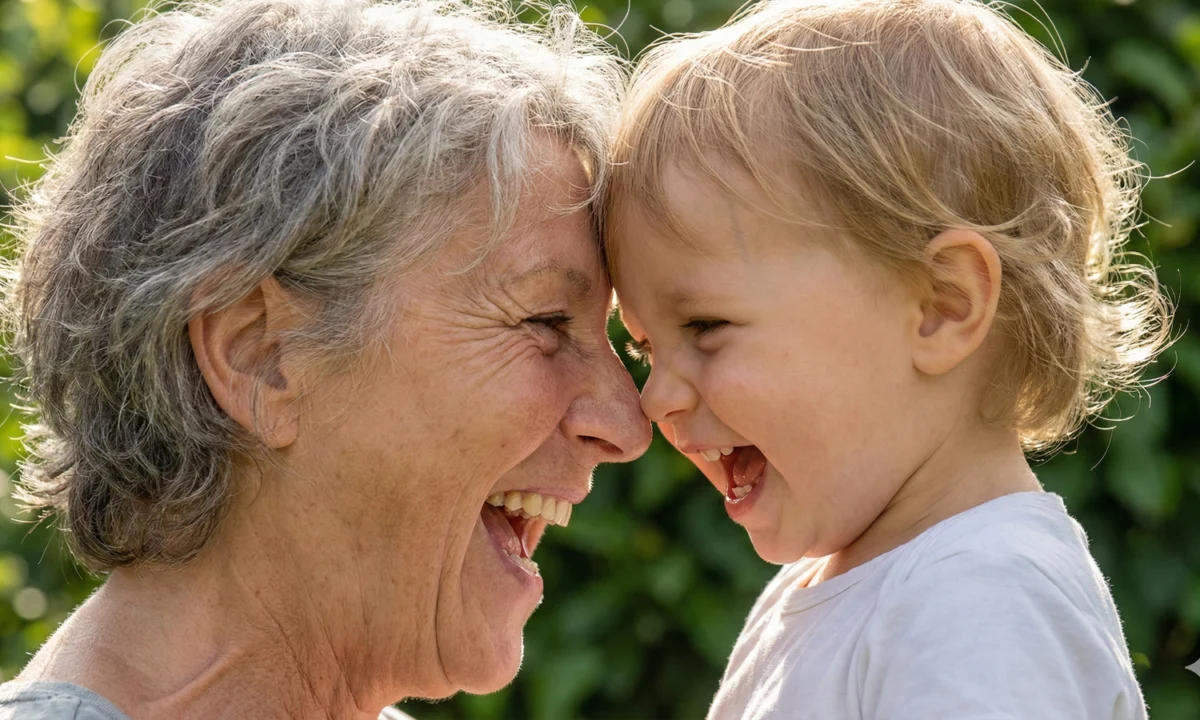
In the traditional landscape of mental health, healing was often framed as a solitary endeavor—a process of changing one’s thoughts, strengthening willpower, or isolating oneself to "do the work." However, a burgeoning field of science is dismantling this individualistic paradigm. Interpersonal Neurobiology (IPNB) suggests that the human mind is not contained within the skull but is an embodied and relational process. This framework posits that our nervous systems are not only shaped by our relationships but are designed to heal within them.
As neuroscientist Louis Cozolino famously articulated, the brain is a “social organ of adaptation.” This fundamental shift in perspective suggests that emotional resilience is not a trait we possess, but a state we co-create.
Main Facts: The Foundations of Interpersonal Neurobiology
Interpersonal Neurobiology is an interdisciplinary framework that weaves together findings from neuroscience, psychology, attachment theory, and even physics. Developed primarily by Dr. Daniel Siegel in the late 1990s, IPNB offers a "consilient" view—a single, unified map of human development that respects various scientific disciplines.
At the heart of IPNB are three core assertions:
- The Mind is Relational: The mind is defined as a regulatory process that flows through the body (embodied) and between people (relational).
- Neural Wiring is Experience-Dependent: Our brains are literally sculpted by our social interactions, particularly those involving emotional attunement.
- Integration is Health: Mental well-being is the result of "integration"—the process by which differentiated parts of a system (the brain, the self, or a relationship) are linked together in a functional whole.
This perspective recontextualizes therapy and healing. Instead of "fixing" a broken mechanism, the goal is to provide a safe relational environment where the brain can reorganize itself toward greater complexity and stability.
Chronology: The Evolution of a Relational Science
The journey toward IPNB began in the mid-20th century but accelerated rapidly during the "Decade of the Brain" in the 1990s.
- The 1950s-1970s (Attachment Roots): John Bowlby and Mary Ainsworth established Attachment Theory, proving that infants require a "secure base" for healthy development. This laid the psychological groundwork for understanding that our survival depends on our connection to others.
- The 1990s (The Synthesis): Dr. Daniel Siegel began bringing together scientists from disparate fields to find a common language for the mind. In 1999, he published The Developing Mind, which introduced IPNB to the clinical world. This period also saw the rise of functional MRI (fMRI) technology, allowing researchers to see the brain "lighting up" in response to social stimuli.
- The Early 2000s (Affective Neuroscience): Researchers like Allan Schore and Louis Cozolino began mapping the specific neural pathways of the "social brain." Schore’s work on the right hemisphere’s role in emotional regulation provided the biological evidence for why non-verbal cues are so vital in therapy.
- Present Day: IPNB has moved from a niche theory to a foundational pillar of trauma-informed care, influencing education, parenting, and corporate leadership.
Supporting Data: The Biological Evidence for Connection
The "interpersonal" in Interpersonal Neurobiology is backed by rigorous data regarding how the brain processes memory, stress, and safety.
The Two Faces of Memory: Explicit and Implicit
One of the most significant contributions of IPNB is its explanation of how trauma is stored. Memory is not a monolithic system; it is divided into explicit and implicit circuits.
- Explicit Memory: This involves conscious, narrative recall (facts and events). It is processed by the hippocampus, which requires a degree of calm to function.
- Implicit Memory: This involves emotional and bodily impressions. It is processed by the amygdala and does not require conscious attention.
When a person experiences trauma or chronic misattunement, the hippocampus may "go offline" due to high cortisol levels, while the amygdala records the experience as a raw, bodily sensation. IPNB explains why a person might feel a "flashback" of panic without a clear narrative reason; their body is remembering what their conscious mind cannot.
Neuroplasticity and Epigenetics
The brain was once thought to be static after childhood. IPNB highlights "neuroplasticity"—the brain’s ability to grow new neurons and forge new connections throughout life. Research by Cozolino (2014) suggests that emotionally attuned environments can even alter gene expression. Epigenetic studies show that safe, nurturing relationships can "turn on" genes that regulate stress and "turn off" those associated with inflammatory responses to trauma.
The Right-Brain-to-Right-Brain Connection
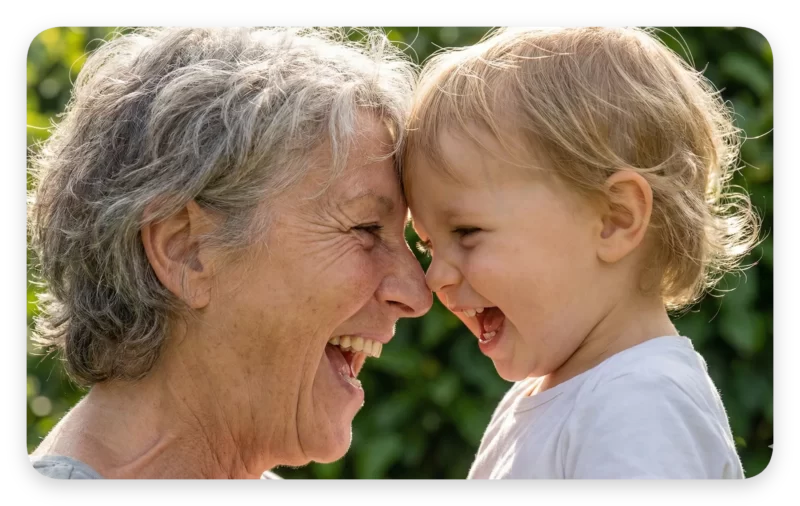
Allan Schore’s research (2019) emphasizes that the right hemisphere of the brain—which processes non-verbal communication, tone of voice, and facial expressions—develops more rapidly in early life and remains the primary seat of emotional regulation. In a therapeutic or healing context, the "data" suggests that the therapist’s calm presence and empathetic gaze are often more biologically significant than the specific words spoken.
Official Responses: IPNB in Clinical Practice
The therapeutic community has responded to IPNB by moving toward more "bottom-up" and relational approaches. Rather than relying solely on Cognitive Behavioral Therapy (CBT) to change thoughts, IPNB-informed clinicians focus on the "Triangle of Well-Being."
The Triangle of Well-Being
Siegel (2012) describes mental health as a balanced interaction between three points:
- The Mind: The flow of energy and information.
- The Brain: The physical mechanism through which that energy flows.
- Relationships: The way we share that energy and information with others.
If any one of these is neglected, the system moves toward either "chaos" or "rigidity"—the two hallmarks of mental suffering.
The Role of the Therapist as Co-Regulator
In an IPNB framework, the therapist is not an objective observer but a "co-regulator." This means the therapist uses their own regulated nervous system to help the client settle theirs. This is particularly vital in trauma recovery. By offering a "steady anchor," the therapist allows the client to explore painful implicit memories without becoming overwhelmed.

Rupture and Repair
A major shift in clinical perspective involves the concept of "Rupture and Repair," popularized by Edward Tronick’s "still-face" experiments. IPNB teaches that the goal of a relationship is not perfect attunement, but the ability to repair after a disconnect. Data shows that the process of "coming back together" after a misunderstanding actually builds more neural resilience than a relationship that never experiences conflict.
Implications: A New Roadmap for Society and Individual Healing
The implications of Interpersonal Neurobiology extend far beyond the therapist’s office. It challenges the Western ideal of the "self-made man" and suggests that our very biology is dependent on community.
1. Moving Beyond Isolation
If the brain is a social organ, then isolation is a biological toxin. IPNB provides a scientific basis for the "loneliness epidemic," showing that lack of connection triggers the same neural pathways as physical pain. Healing, therefore, must involve reintegrating individuals into supportive social networks.
2. Redefining Trauma Recovery
IPNB suggests that we do not "get over" trauma by simply forgetting it. Instead, we heal by bringing "fragmented" parts of our experience into a coherent narrative. This "integration" allows the brain to move from a state of survival (fight/flight/freeze) into a state of growth.
3. Implications for Parenting and Education
Understanding that a child’s brain is literally sculpted by their caregivers’ reactions has profound implications for education and discipline. IPNB advocates for "connection before correction," recognizing that a child in a state of neurological "threat" is biologically incapable of learning or logic.

4. The Path Forward: Integration
Ultimately, the promise of Interpersonal Neurobiology is the promise of integration. When we link the differentiated parts of our brains—the left and the right, the top and the bottom—and link our individual selves to a larger community, we achieve what Siegel calls a "COAL" state: Curious, Open, Accepting, and Loving.
Final Reflection: The Science of "We"
Interpersonal Neurobiology offers a transformative truth: You were never meant to heal alone. Our nervous systems are not closed loops; they are open systems that require the presence of others to find balance. Whether through a professional therapeutic relationship or the cultivation of safe, attuned friendships, the path to mental health is paved with connection.
In the words of Dr. Daniel Siegel, "The mind is not what the brain does; the mind is what the brain and relationships do together." As we continue to uncover the mysteries of the social brain, it becomes increasingly clear that the most powerful medicine we have is each other.
References
- Bowlby, J. (1988). A Secure Base: Parent-Child Attachment and Healthy Human Development. Basic Books.
- Cozolino, L. (2014). The Neuroscience of Human Relationships: Attachment and the Developing Social Brain. W. W. Norton & Company.
- Schore, A. N. (2019). Right Brain Psychotherapy. W. W. Norton & Company.
- Siegel, D. J. (2012). The Developing Mind: How Relationships and the Brain Interact to Shape Who We Are. Guilford Press.
- Tronick, E. (2007). The Neurobehavioral and Social-Emotional Development of Infants and Children. W. W. Norton & Company.