










ABUJA, Nigeria — The World Health Organization (WHO) has officially declared the ongoing Ebola outbreak in the Democratic Republic of Congo (DRC) and Uganda a Public Health Emergency of International Concern (PHEIC). This designation, issued Sunday, signals a critical escalation in the global response to a pathogen that is testing the limits of regional medical infrastructure and international resource mobilization.
As of Saturday, health officials confirmed 336 suspected cases and 88 deaths linked to the current crisis. While the vast majority of these cases remain concentrated in the Ituri province of the DRC, the detection of infections across the border in Uganda has ignited fears of a wider regional spread. This outbreak is particularly concerning due to the involvement of the Bundibugyo virus—a rare, virulent strain of Ebola for which no specific vaccines or therapeutics are currently approved.
The Core Crisis: Facts and Origins
The outbreak, which first came to light last Friday, is centered in the Mongwalu health zone, a bustling mining hub in eastern Congo. The virus, having emerged in a high-traffic area, has rapidly migrated to the Rwampara and Bunia health zones as infected individuals sought medical intervention, effectively expanding the geographic footprint of the disease.
Understanding the Bundibugyo Variant
The Bundibugyo strain is notably distinct from the Ebola Zaire virus, which has historically been responsible for the vast majority of the 17 outbreaks documented in the Congo since 1976. This is only the third recorded appearance of the Bundibugyo variant.
Public health experts, including Dr. Gabriel Nsakala, a professor of public health with extensive experience in viral hemorrhagic fevers, emphasize that current treatment protocols are almost entirely supportive—aimed at managing symptoms such as high fever, vomiting, diarrhea, and hemorrhaging rather than neutralizing the virus directly. "While Congo possesses a wealth of institutional knowledge in managing Ebola, the relative rarity of this specific strain creates a vacuum in clinical preparedness," Dr. Nsakala noted.
A Chronology of the Outbreak
The trajectory of this health emergency has been swift, demanding an equally rapid response from regional and global stakeholders:
- Initial Detection (Friday): The Africa Centres for Disease Control and Prevention (Africa CDC) confirmed the outbreak in the Ituri province.
- Rapid Escalation (Saturday): Case numbers climbed to 336 with 88 fatalities. The Africa CDC initiated high-level coordination meetings involving health ministers from the DRC, Uganda, and South Sudan.
- International Declaration (Sunday): The WHO convened an emergency committee, concluding that the situation met the criteria for a Public Health Emergency of International Concern, prompting the mobilization of international donor agencies.
Supporting Data and Logistical Barriers
The logistical landscape of the eastern DRC serves as a formidable adversary to containment efforts. Ituri is a remote, underdeveloped region with poor road connectivity, located more than 1,000 kilometers from the capital, Kinshasa.
Mapping the Vulnerabilities
- Border Proximity: The proximity of the Bunia health zone to the borders of Uganda and South Sudan creates a significant risk of cross-border transmission.
- Armed Conflict: The region has been plagued by persistent violence from armed groups, which has led to the displacement of thousands. This fluidity of movement, combined with the instability, makes contact tracing and the enforcement of quarantine protocols exceptionally difficult.
- Infrastructure Gaps: Past outbreaks have demonstrated that even with WHO involvement, the delivery of essential supplies—such as vaccines and diagnostic kits—can take weeks. During the previous year’s outbreak, logistical delays in cold-chain storage and transportation hindered the initial response.
Financial Constraints
The financial response has been described by regional experts as "anemic." While the WHO has released $500,000 and the Africa CDC has mobilized $2 million, both agencies admit these funds are a mere fraction of the capital required to staff clinics, provide personal protective equipment (PPE), and conduct widespread surveillance. Historically, fluctuations in international funding—particularly concerns regarding U.S. aid cuts—have left significant gaps in the ability to sustain long-term containment strategies in Central Africa.
Official Responses: Strategies for Containment
Dr. Jean Kaseya, Director-General of the Africa CDC, has outlined a multi-pronged approach to arrest the spread of the virus. Key measures currently underway include:
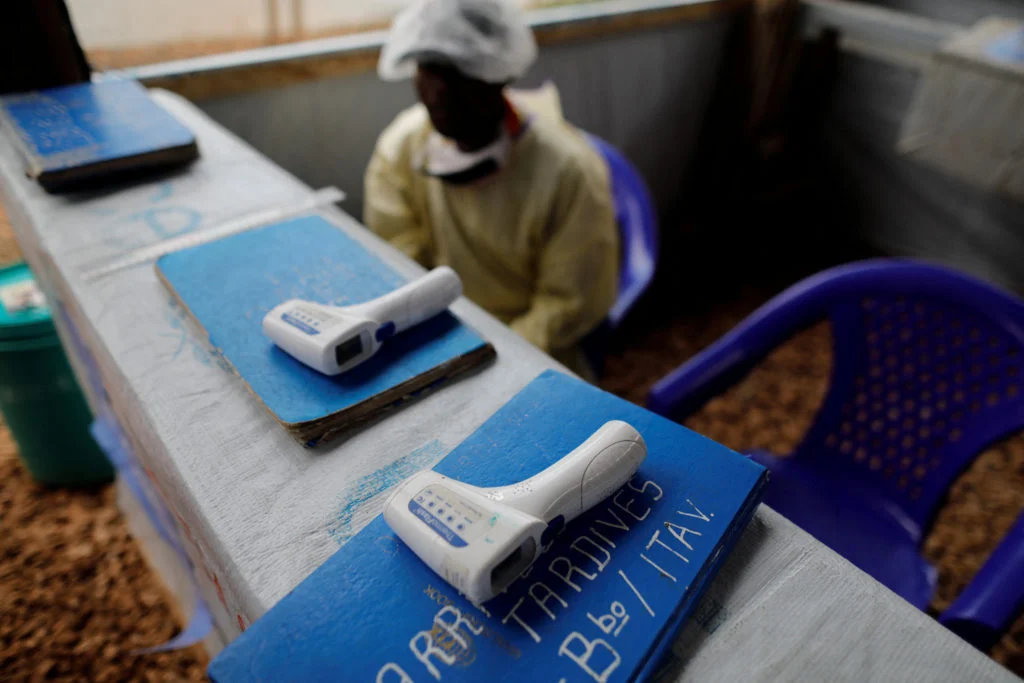
- Surveillance and Screening: Deployment of multidisciplinary health teams at all official and unofficial border crossings to monitor population movement.
- Contact Tracing: An intensive effort to identify and isolate individuals who have come into contact with confirmed cases, a process currently hampered by the displacement of local populations.
- Safe and Dignified Burials: Implementing strict protocols for handling deceased patients to prevent further transmission, a critical step in communities where traditional burial practices often involve physical contact with the body.
- Resource Mobilization: Urgent appeals to the international community to provide both financial backing and the specialized medical equipment required for a rare-strain outbreak.
Implications: The Shadow of Past Pandemics
The WHO’s declaration carries significant weight, yet it does not trigger the same protocols as a pandemic declaration (such as COVID-19). The organization has specifically advised against closing international borders, citing the need to keep supply chains and migration routes open for humanitarian aid.
However, the efficacy of such declarations remains a subject of intense debate. When the WHO declared the mpox outbreak in 2024, many experts criticized the international community for a "performative" response that failed to deliver diagnostics and vaccines to the frontline in a timely manner. There is a palpable fear among regional health workers that the current Ebola crisis may face a similar fate: a high-profile declaration followed by a slow, insufficient influx of actual resources.
The Human Cost
Ebola remains one of the most feared pathogens globally, not only for its high fatality rate—which can reach up to 90% in some outbreaks—but for the social disruption it causes. Transmission occurs through direct contact with infected bodily fluids or contaminated surfaces, making the disease devastating to the social fabric of affected villages.
As the virus continues to circulate in the mining corridors of Ituri, the priority for the next 30 days is clear: the establishment of an effective "cordon sanitaire" that balances the need for public health safety with the realities of a conflict-ridden, remote region.
Looking Ahead
The international community now finds itself at a crossroads. With a rare strain of the virus and a volatile geographic theater, the response to this outbreak will serve as a litmus test for the global health architecture. If the international community fails to bridge the funding gap or resolve the logistical hurdles, the virus could potentially entrench itself in the densely populated border regions of East Africa, transforming a localized crisis into a protracted regional catastrophe.
For now, the eyes of the world are fixed on Ituri, as health workers—many of whom are survivors of previous outbreaks—race against time to break the chains of transmission before the Bundibugyo virus gains a stronger foothold in the region’s fragile health systems.
Support for this reporting was provided by health policy observers tracking the intersection of climate, conflict, and infectious diseases in Sub-Saharan Africa. For more information on how to support international aid efforts, please visit official World Health Organization portals.