






13 April, 2026
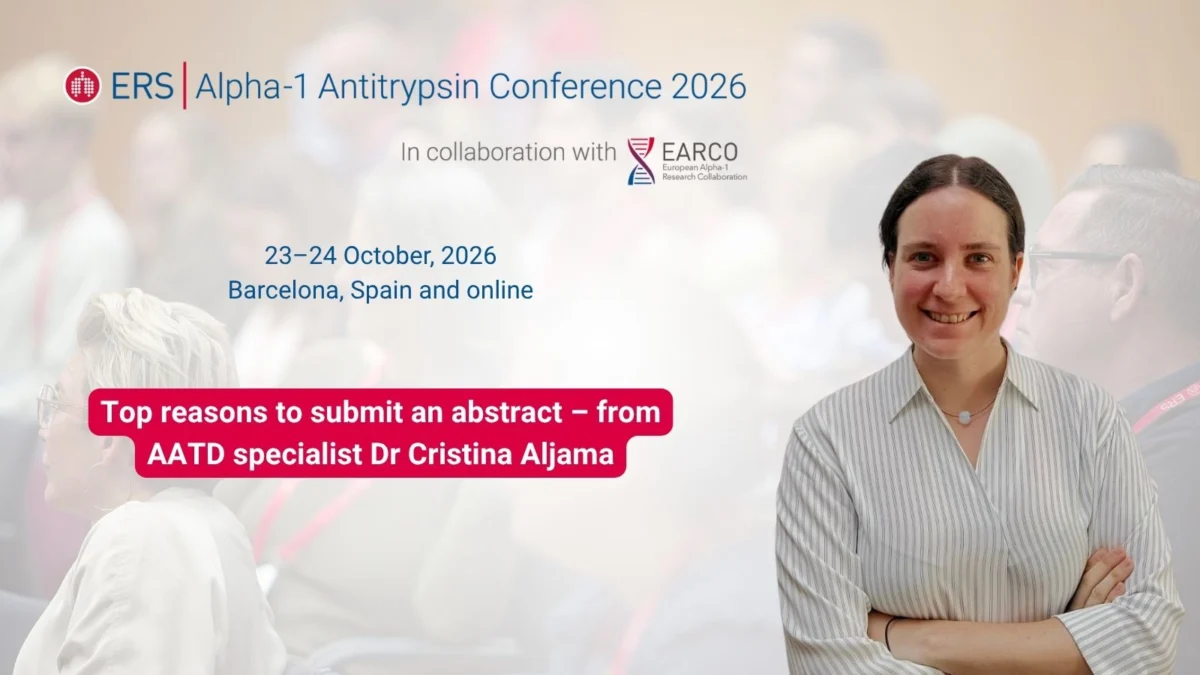
As the global medical community turns its focus toward the pressing challenges of Alpha-1 Antitrypsin Deficiency (AATD), the European Respiratory Society (ERS) is preparing to host a landmark event. With the abstract submission deadline fast approaching on 30 April (23:59 CEST), the call for research submissions has intensified. This inaugural conference is poised to serve as the definitive forum for clinicians, researchers, and early-career scientists to converge, share, and redefine the standard of care for a condition that has long remained under-diagnosed and under-researched.
Dr. Cristina Aljama, a distinguished AATD specialist and pneumology expert at the Vall d’Hebron University and Research Centre in Barcelona, has emerged as a leading voice in encouraging submissions. In a series of expert insights, Dr. Aljama delineates why this conference is not merely an academic exercise, but a pivotal moment in the trajectory of respiratory medicine.
The Landscape of AATD: A Call for Scientific Rigour
Alpha-1 Antitrypsin Deficiency is a genetic condition that predisposes individuals to severe lung and liver disease. Despite its status as a significant cause of chronic obstructive pulmonary disease (COPD) in non-smokers, it remains frequently overlooked in clinical practice.
The inaugural ERS Alpha-1 Antitrypsin Conference was conceived to address this diagnostic and therapeutic gap. According to Conference Chair and ERS President-Elect, Dr. Marc Miravitlles, the event is designed to provide a "dedicated platform for the professional AATD community," ensuring that the brightest minds in the field have a focused environment to exchange findings that might otherwise be diluted in broader respiratory meetings.
Dr. Aljama underscores that the timing of this conference is critical. "Submitting an abstract to the ERS Alpha-1 Antitrypsin Conference offers a unique opportunity to contribute to a highly specialised field," she notes. "It allows respiratory professionals to showcase original data, gain visibility, and share knowledge with an international community of experts. Importantly, it helps shape the scientific dialogue around a rare but impactful disease."
Chronology: The Path to the Inaugural Event
The road to this conference reflects a growing international consensus that AATD requires a specialized, multidisciplinary approach.
- Early 2025: ERS leadership identifies the need for a standalone conference to consolidate fragmented research efforts regarding AATD management and therapeutic innovation.
- Late 2025: Formal announcement of the conference program, with Dr. Marc Miravitlles appointed as Chair.
- Q1 2026: The official call for abstracts opens, inviting submissions on clinical trials, genetic studies, patient-reported outcomes, and diagnostic advancements.
- 30 April 2026: The strict deadline for abstract submissions (23:59 CEST).
- The Conference Event: The culmination of months of research, designed to foster the next generation of clinical guidelines and collaborative research projects.
Supporting Data and the "Unmet Need"
The urgency of this conference is supported by the current epidemiological data regarding AATD. Statistics consistently show that the time from symptom onset to definitive diagnosis remains alarmingly high. This delay prevents early intervention, which is critical for slowing the progression of lung tissue destruction.
Dr. Aljama points to the "unmet need" as the primary driver for scientific submissions. "As the conference addresses a clear unmet need in respiratory medicine, contributions have a heightened potential to influence clinical practice and research priorities," she argues. "Being part of the programme means actively participating in advancing understanding and care in AATD. Each contribution can help bridge existing gaps in diagnosis and treatment."
When asked about the mechanics of the conference, organizers have confirmed that the event will host a variety of formats, including oral presentations and interactive poster sessions. These formats are specifically designed to maximize the exchange of ideas, moving away from passive attendance toward active, peer-to-peer discourse.
Official Perspectives: Shaping the Future of Care
The ERS leadership, led by Dr. Miravitlles, has expressed a clear mandate for the conference: to break down the silos that often exist between academic researchers and frontline clinicians. By creating a unified space, the conference aims to accelerate the translation of bench-side science to bedside practice.
Dr. Aljama’s perspective on this is clear: "Presenting at this conference represents a valuable platform to exchange knowledge within a dedicated international network. It enables direct interaction with leading experts and fosters meaningful scientific discussion."
This sentiment is shared by international delegates who are currently preparing their submissions. The prestige associated with presenting at the first-ever ERS-sanctioned AATD event is expected to attract high-caliber data, ranging from rare clinical case reports to large-scale longitudinal cohort studies.
Implications for Early-Career Professionals
Perhaps the most significant impact of the conference will be its role as a launchpad for the next generation of respiratory specialists. In many medical sub-specialties, early-career researchers struggle to find visibility in the shadow of established research giants. The ERS is consciously working to dismantle these barriers.
Dr. Aljama is particularly vocal about the benefits for young clinicians. "For early-career professionals, presenting offers critical visibility and the chance to build a professional network in a supportive and expert environment," she says. "It encourages scientific development, confidence, and recognition within a niche field. Moreover, it can open doors to future collaborations and career opportunities."
For the junior doctor or PhD candidate, the conference offers:
- Peer Recognition: Validation of research efforts by the international ERS community.
- Mentorship Opportunities: Informal networking sessions with senior experts in the field of alpha-1 antitrypsin deficiency.
- Collaborative Potential: The chance to join international working groups, which are often formed in the wake of such focused, high-impact conferences.
The Final Call: Why Every Contribution Matters
As the 30 April deadline approaches, the rhetoric from the organizing committee is one of inclusion. They emphasize that while high-impact, large-scale clinical trials are vital, there is also immense value in smaller, highly focused studies that highlight specific diagnostic challenges or unique patient phenotypes.
Dr. Aljama concludes with a final, impassioned plea to her colleagues across Europe and the globe: "I strongly encourage colleagues to submit their work and be part of this important initiative. Every contribution adds value to our collective effort to improve patient outcomes; this is a unique chance to help shape the future of AATD care."
The message is clear: the success of this inaugural event depends on the willingness of the global AATD community to share their work, challenge existing norms, and collaborate on the next phase of treatment protocols.
How to Engage
For those intending to participate, the process is streamlined to ensure a broad spectrum of research can be represented. The ERS has provided a dedicated portal for submissions, which includes guidelines on formatting, topic areas, and the selection process for oral versus poster presentations.
- Further Information: Learn more about the ERS Alpha-1 Antitrypsin Conference
- Submission Portal: Submit your abstract here
As the international community prepares for this event, the anticipation is palpable. By focusing on the unique challenges of AATD, the ERS is taking a decisive step toward closing the diagnostic gap and fostering a new era of patient-centered care. The question remains not whether researchers should submit, but how the collective output of this conference will redefine the standard of care for years to come.
The countdown to 30 April is officially on. The field of respiratory medicine is watching, and for those who choose to contribute, the opportunity to shape the history of AATD treatment is within reach.