








In a significant leap forward for neurodegenerative research, scientists from Nanyang Technological University, Singapore (NTU Singapore) have unveiled a breakthrough that could fundamentally alter the clinical approach to Alzheimer’s disease. Their research indicates that the brain’s waste removal system—a network of pathways designed to flush out toxic proteins—frequently becomes obstructed in individuals showing the earliest signs of cognitive decline.
These "enlarged perivascular spaces" act as a biological bottleneck, trapping harmful substances that should otherwise be cleared from the brain. Because these structural anomalies are easily identifiable on routine magnetic resonance imaging (MRI) scans, they present a low-cost, non-invasive "early warning system" that could alert clinicians to Alzheimer’s risk years before the onset of debilitating dementia.
The Mechanism of Brain Waste Removal
To understand the significance of the NTU study, one must first understand the brain’s unique plumbing. The brain is not a static organ; it is a dynamic, high-energy environment that produces metabolic waste. This waste includes proteins such as beta-amyloid and tau—compounds that, when they accumulate, form the characteristic plaques and tangles associated with Alzheimer’s pathology.
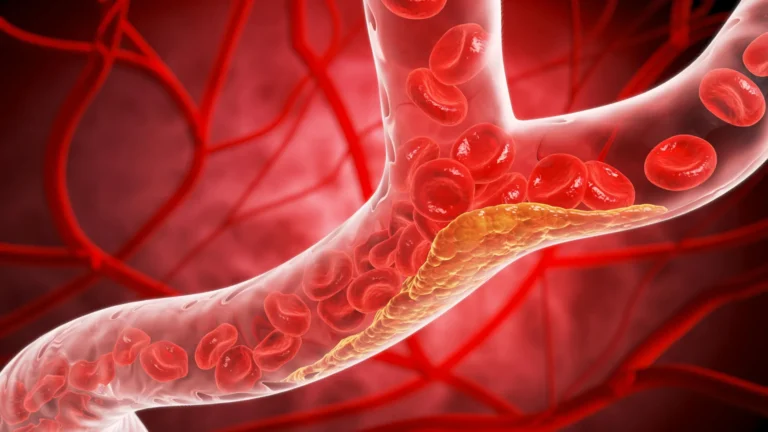
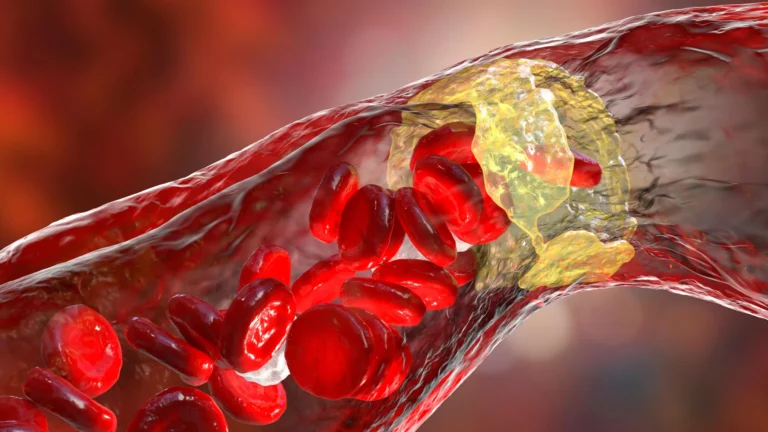
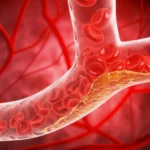
The clearance of these toxins occurs through perivascular spaces—microscopic channels that surround the brain’s blood vessels. When these channels are healthy, they facilitate the efficient transport of waste out of the brain tissue and into the lymphatic system. However, as the research team discovered, these spaces can become enlarged and congested. This enlargement is a physical manifestation of a failing drainage system.
Until now, the scientific community had debated whether these enlarged spaces were merely a byproduct of aging or a direct precursor to neurodegeneration. By correlating these visual markers with biochemical blood tests, the NTU researchers have provided compelling evidence that these "clogs" are directly linked to the toxic buildup that drives Alzheimer’s progression.
Chronology of the Research
The study, conducted as part of the Scholarly Project module within the Bachelor of Medicine and Bachelor of Surgery programme at NTU’s Lee Kong Chian School of Medicine (LKCMedicine), represents a multi-year effort to map the intersection of vascular health and neurocognition.
- Initial Observation: The research team, led by Associate Professor Nagaendran Kandiah, observed that patients presenting with mild cognitive impairment (MCI) consistently exhibited distinct visual markers on MRI scans that were absent in cognitively healthy control groups.
- Data Collection: Over the course of the study, the team recruited nearly 1,000 participants from diverse ethnic backgrounds across Singapore. This cohort included both healthy individuals and those experiencing early-stage memory, reasoning, and focus difficulties.
- Biochemical Verification: To move beyond mere observation, the team analyzed seven key Alzheimer’s-related biochemical markers in the blood of participants. By comparing these levels against the size of the perivascular spaces observed on MRI, they established a clear, quantifiable relationship between the "clogged" drains and systemic markers of Alzheimer’s disease.
- Comparative Analysis: The team performed a comparative analysis between "enlarged perivascular spaces" and "white matter damage"—a traditional marker of vascular health. The results indicated that the former is a more sensitive indicator of early Alzheimer’s pathology than previously assumed.
Bridging the Gap: The Importance of Asian-Centric Research
A critical, often overlooked aspect of global medical research is the demographic bias in data sets. For decades, the majority of Alzheimer’s research has relied on cohorts of Caucasian participants. However, dementia manifests differently across global populations.
Assoc Prof Kandiah, who also serves as the Director of the Dementia Research Centre (Singapore), points to the genetic differences in risk profiles. "For example, among Caucasians with dementia, past studies show that the prevalence of a major risk gene, apolipoprotein E4, linked to Alzheimer’s is around 50 to 60 percent. But among Singapore dementia patients, it is less than 20 percent," he explains.
By focusing on an Asian population, the NTU study ensures that diagnostic tools are calibrated for a broader, more diverse human experience. This region-specific approach is essential for global health, as it prevents the misapplication of diagnostic criteria that may have been developed in an entirely different genetic and environmental context.
Supporting Data and Technical Findings
The rigor of the NTU study lies in its multi-layered analytical approach. By examining 350 participants with normal cognitive function and comparing them against a group with mild cognitive impairment, the researchers were able to isolate the "enlarged perivascular space" as a key variable.
The correlation was striking:
- Direct Correlation: Enlarged perivascular spaces were linked to four out of the seven tested biochemical markers, including those for beta-amyloid and tau proteins.
- Superior Sensitivity: In participants with mild cognitive impairment, the link between biochemical markers and enlarged perivascular spaces proved stronger than the link with white matter damage.
- Synergistic Pathology: The study challenges the traditional dichotomy between vascular disease (reduced blood flow) and Alzheimer’s disease. The evidence suggests a "synergistic" relationship where the failure of the drainage system exacerbates the deposition of Alzheimer’s-related toxins.
Official Responses and Expert Clinical Perspectives
The medical community has received these findings with both interest and caution, noting that the study provides a vital new tool for the diagnostic arsenal.
Dr. Rachel Cheong Chin Yee, a Senior Consultant and Deputy Head at Khoo Teck Puat Hospital’s Department of Geriatric Medicine, emphasized the proactive potential of the discovery. "These findings are significant because they suggest that brain scans showing enlarged perivascular spaces could potentially help identify people at higher risk of Alzheimer’s disease, even before symptoms appear," Dr. Cheong stated.
Dr. Chong Yao Feng, a Consultant at the National University Hospital’s Division of Neurology, highlighted the shift in clinical perception required by these results. "The study’s findings are intriguing as they demonstrate that both diseases—cerebrovascular and Alzheimer’s—do interact in a synergistic manner," Dr. Chong noted. He advises that clinicians must now look at MRI scans with a more nuanced eye, moving away from the assumption that cognitive decline is solely due to vascular issues when these specific "clogs" are present.
Clinical Implications: A New Standard of Care?
The implications of this research for the future of Alzheimer’s diagnosis are profound. Currently, detecting the disease often requires expensive PET scans or invasive lumbar punctures to measure protein levels in the cerebrospinal fluid. If clinicians can rely on routine MRI scans—which are already standard in the evaluation of cognitive decline—to spot these enlarged perivascular spaces, the threshold for early detection drops significantly.
Justin Ong, the study’s first author and a fifth-year LKCMedicine student, highlights the human element of this technological advancement: "Identifying Alzheimer’s sooner gives doctors more time to intervene and potentially slow the progression of symptoms such as memory loss, reduced thinking speed, and mood changes."
Early intervention is currently the "holy grail" of dementia research. While there is no cure, lifestyle modifications, cognitive therapy, and emerging pharmaceutical treatments are most effective when applied at the earliest possible stage of the disease. By identifying the physical signs of a "clogged" brain long before a patient forgets a loved one’s name or struggles with daily tasks, healthcare systems could transition from a reactive model of care to a proactive, preventative one.
The Path Forward: Future Directions
The NTU team is not resting on these findings. The next phase of their research involves a longitudinal study, tracking the current participants over several years. This will allow the researchers to observe how many individuals with enlarged perivascular spaces go on to develop clinical dementia.
If these findings hold true across larger, international populations, the "clogged drain" theory could become a cornerstone of neurology. For the millions of families worldwide affected by the encroaching shadows of Alzheimer’s, this research provides a glimmer of hope: the possibility of seeing the storm on the horizon long before it makes landfall, and the potential to act before the damage becomes irreversible.
In the landscape of modern medicine, where complex diseases often evade early detection, the work of the NTU team serves as a poignant reminder that sometimes, the most important answers are hiding in plain sight—or, in this case, in the microscopic spaces within our own minds.