A groundbreaking study published in the open-access journal BMJ Global Health has sounded a clarion call regarding the silent, compounding health crisis unfolding across India. By analyzing the intersection of alcohol consumption and tobacco use, researchers have identified a disturbing trend: even minimal daily alcohol intake is significantly elevating the risk of buccal mucosa cancer—the most prevalent form of mouth cancer in the country.
The study, which meticulously tracked over 3,700 participants, suggests that the traditional medical understanding of "safe limits" for alcohol consumption may be fundamentally flawed in the context of the Indian population. With mouth cancer ranking as the second most common malignancy in India, the findings provide a stark warning for public health officials, policy makers, and the general public.
Main Facts: The Deadly Synergy of Alcohol and Tobacco
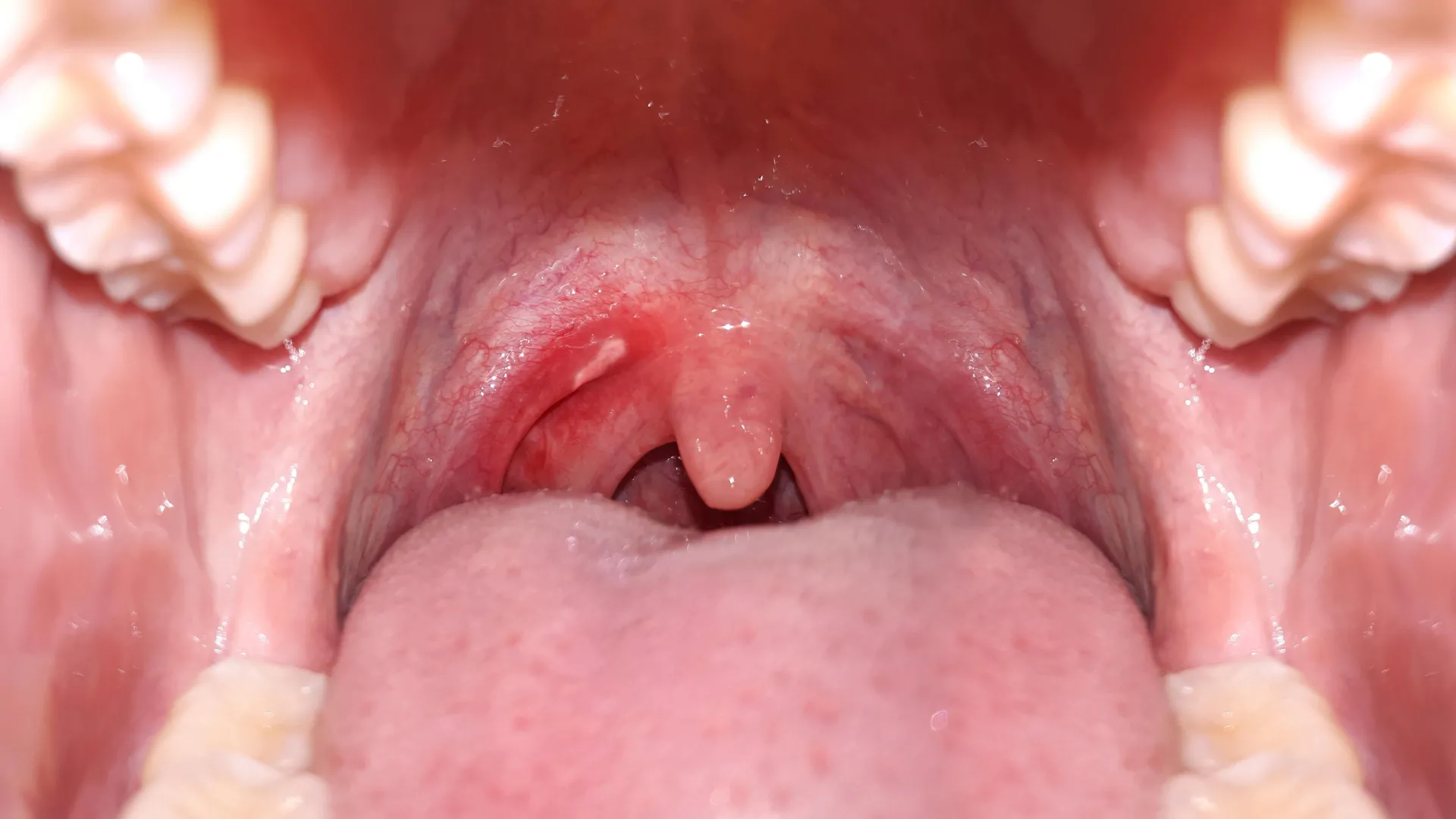
The investigation centered on buccal mucosa cancer, a malignant condition affecting the soft, pink lining of the cheeks and lips. While the correlation between tobacco and cancer is well-established, this study provides unprecedented detail on the "multiplier effect" of alcohol.
The data reveals that consuming just 9 grams of alcohol per day—the equivalent of a single standard drink—correlates with a 50% increase in the risk of developing buccal mucosa cancer. Perhaps most alarming is the discovery that there appears to be no "safe threshold." Even trace amounts, such as less than 2 grams of alcohol per day, were found to elevate risk levels.
The most severe outcomes, however, were observed in patients who used alcohol alongside chewing tobacco. This dual exposure creates a physiological environment that significantly accelerates oncogenesis. The researchers estimate that this toxic synergy is responsible for a staggering 62% of all buccal mucosa cancer cases in India.
Furthermore, the type of alcohol consumed plays a critical role. While international brands showed a 72% increase in risk compared to abstainers, the consumption of locally brewed, unregulated beverages—such as apong, bangla, chulli, desi daru, and mahua—was linked to an 87% increase in risk.
Chronology of the Research: A Decade of Investigation
The study was conducted between 2010 and 2021, a period that allowed researchers to observe the long-term habits of a diverse group of participants. By comparing 1,803 individuals diagnosed with buccal mucosa cancer against a control group of 1,903 healthy individuals, the team was able to untangle variables that have historically confounded medical researchers.
- 2010–2015: Recruitment and Baseline Assessment. Researchers began recruiting participants from five specialized study centers across India. During this phase, demographics were established, with a heavy concentration of participants in the 35 to 54 age bracket. Notably, 46% of the cancer cases emerged in the 25 to 45 age range, indicating that the disease is increasingly affecting younger, working-age adults.
- 2016–2019: Data Harmonization. Participants were asked to provide granular details regarding their consumption patterns. This included the duration of their habits, the frequency of intake, and the specific composition of their drinks—categorizing 11 internationally recognized alcoholic beverages and 30 distinct locally brewed varieties.
- 2020–2021: Statistical Synthesis. The final phase involved adjusting for tobacco use, age, and rural versus urban living conditions. By isolating the impact of alcohol from the long-term usage of tobacco (which averaged 21 years in the cancer group versus 18 in the control group), the researchers were able to quantify the specific impact of alcohol on the oral mucosa.
Supporting Data: Dissecting the Risk Factors
The statistical breakdown provided by the study highlights the severity of the situation. Among those diagnosed with cancer, 781 reported active alcohol consumption, compared to 481 in the healthy control group. When adjusted for lifestyle factors, the data paints a grim picture of escalating risk:
The Impact of Locally Brewed Spirits
The unregulated nature of locally produced alcohol is a primary concern. The study notes that these beverages, often produced in rural settings, are frequently contaminated with methanol and acetaldehyde—both of which are potent toxins. Some samples identified by the research team contained alcohol concentrations as high as 90%, far exceeding standard commercial limits.
Physiological Mechanisms of Vulnerability
The researchers proposed a biological explanation for why alcohol acts as a catalyst for tobacco-induced cancer. They suggest that ethanol serves as a chemical agent that alters the lipid (fat) composition of the oral lining. This alteration makes the buccal mucosa more permeable, effectively lowering the body’s defenses and allowing the carcinogens found in chewing tobacco to penetrate the tissue more deeply and rapidly.
Regional Variations
The study underscored that the crisis is not uniform. While the national average for cancer cases attributed to alcohol sits at 11.5%, this figure spikes to 14% in states like Meghalaya, Assam, and Madhya Pradesh. These regions are characterized by higher rates of local alcohol consumption and long-standing traditions of tobacco use, creating a "perfect storm" for oral health deterioration.
Official Responses and Regulatory Challenges
The study highlights a significant gap in the legal and regulatory framework governing alcohol in India. Under the Seventh Schedule of the Indian Constitution, alcohol is a "State Subject," meaning that individual states have the authority to regulate production, distribution, and sale. This has resulted in a fragmented landscape where the "informal economy" of home-brewed liquor thrives almost entirely outside the reach of public health oversight.
Health advocates have long argued that the current legal framework is insufficient to curb the consumption of high-risk, unregulated spirits. The BMJ Global Health study reinforces this view, noting that the lack of standardized production protocols for locally brewed drinks leaves millions of citizens vulnerable to contaminants that could be avoided through stricter manufacturing codes.
However, moving toward regulation is politically complex. In many rural communities, local brewing is a cultural tradition and a vital economic activity. Public health experts are now calling for a nuanced approach that focuses on education regarding health risks, rather than solely punitive prohibition, which often drives dangerous practices further underground.
Implications: A Call for Public Health Reform
The implications of these findings are profound. With 143,759 new diagnoses and nearly 80,000 deaths annually, India is facing a cancer burden that threatens to overwhelm its healthcare infrastructure. The five-year survival rate for buccal mucosa cancer currently sits at a dismal 43%, largely due to late-stage diagnosis and the aggressive nature of the disease when paired with ongoing alcohol and tobacco use.
Recommendations for Prevention
The researchers concluded their report with an ambitious but clear directive: the total elimination of buccal mucosa cancer in India is theoretically possible if there is a concerted, multi-pronged public health intervention aimed at the joint reduction of alcohol and tobacco use.
- Public Awareness Campaigns: Moving beyond generic "don’t drink/don’t smoke" messaging, campaigns must emphasize the synergistic danger of combining these two habits, specifically targeting the high-risk demographic of men aged 25 to 45.
- Regulatory Reform: Stricter quality control for locally brewed alcohols is essential. While full prohibition is often ineffective, implementing safety standards that limit toxic additives like methanol could save thousands of lives annually.
- Clinical Screening: Given the high risk associated with even low levels of alcohol consumption, healthcare providers in primary care settings should integrate oral health screenings into routine check-ups, particularly in high-incidence states like Assam and Meghalaya.
- Policy Coordination: There is an urgent need for the central government to establish a minimum standard for alcohol safety that transcends state lines, ensuring that the most dangerous, unregulated spirits are removed from the market.
The Path Forward
The BMJ Global Health study serves as a scientific wake-up call. It challenges the prevailing cultural acceptance of casual drinking in parts of India by demonstrating that the physiological cost is far higher than previously understood. As the country grapples with a rising incidence of mouth cancer, the path to mitigation lies in acknowledging the biological reality: in the presence of tobacco, there is no safe limit for alcohol.
Public health action, combined with robust policy reform and community-led education, remains the only viable strategy to stem the tide of this preventable, yet devastating, epidemic. The lives of hundreds of thousands of Indians depend on the ability of the nation to confront the dual dangers of the bottle and the tobacco pouch with renewed urgency and evidence-based precision.