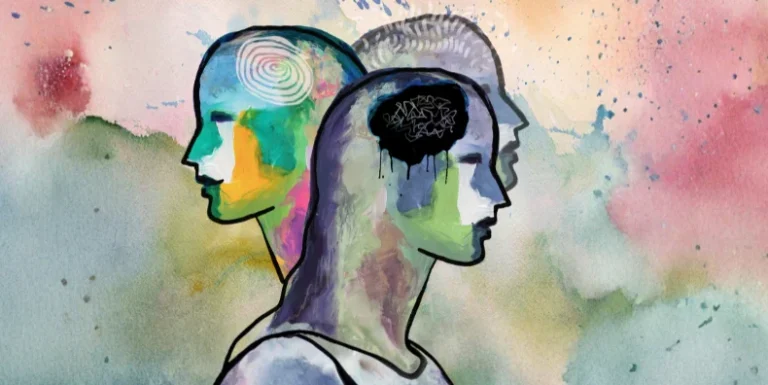









In the landscape of modern public health, few topics carry as much historical weight and contemporary urgency as mental health. For decades, the subject was shrouded in a "polite silence," a cultural hesitation that often left those suffering in isolation. However, as Mental Health Awareness Month takes center stage this year, a new generation of advocates is shifting the narrative. Among them is Faria Tavacoli, a student at the University of Nevada Las Vegas (UNLV) and a member of the Active Minds Student Advisory Committee, whose personal journey from grief-stricken silence to radical honesty provides a blueprint for a more empathetic approach to community care.
Main Facts: The Burden of the "Fine" Facade
The core of Tavacoli’s advocacy stems from a profound personal loss: the death of a loved one by suicide. This experience highlighted a systemic issue in how society handles mental health crises—the tendency to prioritize comfort over truth. For years, Tavacoli observed a recurring pattern where friends and community members, despite their best intentions, retreated into silence or "carefully worded" platitudes because they feared saying the wrong thing.
This silence often forces survivors and those struggling with mental health challenges into a state of "high-functioning" concealment. Tavacoli describes this as the ability to keep showing up to school, work, and community events while internally feeling "disconnected and heavy." This phenomenon is particularly prevalent in high-pressure academic environments, where students often equate strength with the ability to minimize their own pain so as not to burden others.
As a double major in Public Health and Neuroscience, Tavacoli now recognizes that this "packaging" of painful experiences into something motivational or "digestible" is a survival mechanism that can actually hinder long-term healing. The shift in her approach—and the approach of organizations like Active Minds—is to move away from polished, inspirational campaign language toward "human" moments of raw honesty.
Chronology: From Private Grief to Public Advocacy
The trajectory of Tavacoli’s journey reflects a broader shift in the mental health movement over the last decade. Her experience can be categorized into three distinct phases:
The Phase of Performance (The Early Years)
Following her loss, Tavacoli’s primary mode of existence was shaped by the observation of others who "continued functioning through grief without ever really discussing what grief was doing to them." During this time, she mastered the art of appearing emotionally stable. This period was defined by the belief that strength meant making difficult experiences appear smaller to ensure the comfort of those around her.
The Phase of Observation and Engagement (The University Transition)
Upon entering UNLV and joining the Active Minds Student Advisory Committee, Tavacoli began to see the cracks in the "high-functioning" armor. Through community health work and student-led advocacy, she witnessed a growing willingness among peers to drop the mask. Whether it was students making "therapy bags" or late-night conversations outside campus buildings, the shift from "constant busyness" to "quiet admission" became a recurring theme.
The Phase of Integrated Advocacy (The Present)
Today, Tavacoli’s understanding of mental health has evolved from a desire to provide the "right" or "useful" response to a commitment to "presence." She has transitioned from being a "supportive person" who feels the need to remain endlessly capable to an advocate who values vulnerability. This evolution is informed by her academic pursuits in neuroscience and public health, where she explores survivorship-centered approaches to care.
Supporting Data: The Mental Health Crisis on Campus
Tavacoli’s personal narrative is set against a backdrop of a mounting mental health crisis in higher education. According to the Healthy Minds Study (2022-2023), which surveyed over 96,000 students across 132 campuses, 44% of college students reported symptoms of depression, and 37% reported anxiety. Perhaps most concerningly, 15% of students reported having seriously considered suicide in the past year.
The Productivity Trap
The "constant busyness" Tavacoli mentions is backed by sociological data regarding "productivity dysmorphia" among Gen Z and Millennial students. The pressure to maintain high GPAs while participating in extracurriculars and preparing for a competitive job market often leads students to "overwork" as a way to hide mental health struggles.
The Impact of Peer Support
Research indicates that peer-led interventions are often more effective for college students than traditional top-down administrative programs. A study published in the Journal of American College Health found that students are significantly more likely to seek help if they have a peer who models vulnerability and provides a "non-judgmental presence." This validates Tavacoli’s assertion that "people remember presence more than perfection."
Official Responses: The Role of Active Minds and Institutional Support
In response to these challenges, organizations like Active Minds have pivoted their strategies. Active Minds is the nation’s premier nonprofit organization supporting mental health awareness and education for young adults. With a presence on more than 600 college and university campuses, the organization focuses on "mobilizing" student voices.
The Student Advisory Committee (SAC)
Tavacoli’s role in the SAC is part of a deliberate effort by Active Minds to ensure that mental health initiatives are "survivor-centered" and "student-led." By empowering students like Tavacoli to share their stories on the Active Minds blog and through campus events, the organization aims to change the "feeling of a room" from one of clinical observation to one of shared humanity.
Survivorship-Centered Care
From a public health perspective, the "official" response is shifting toward what Tavacoli calls "collective care." This involves moving away from the individualistic model—where a person is expected to "fix" their mental health in isolation—toward a model where the community shares the burden of support. Institutional responses at universities like UNLV increasingly include "mental health days," peer-led support groups, and the integration of mental health education into the general curriculum.
Implications: Changing the Blueprint of Care
The implications of Tavacoli’s advocacy extend far beyond the walls of a campus building. Her work suggests a fundamental shift in how we approach public health and neuroscience.
1. Redefining Strength in Public Health
The traditional public health model often focuses on "resilience" as the ability to bounce back to previous levels of productivity. Tavacoli’s narrative challenges this, suggesting that some experiences "change you permanently" and that health professionals must learn to work around that fact rather than trying to erase it. This has significant implications for how clinicians treat trauma and grief.
2. The Neuroscience of Vulnerability
As a neuroscience major, Tavacoli’s focus on "presence" aligns with emerging research on co-regulation. When one person is honest and vulnerable, it can lower the physiological stress responses in others, allowing for a collective "breathing differently." This "invisible change" in the room that Tavacoli describes is, in fact, a measurable neurological shift in the environment’s safety.
3. Storytelling as a Clinical Tool
The "blueprint" mentioned in the call to action of the original article—that one’s mental health journey could be the guide for someone else—highlights the clinical value of "narrative medicine." By encouraging people to stop "editing themselves," advocates are creating a database of lived experiences that can inform better policy and more empathetic care.
4. Moving Beyond the "Polished Campaign"
The future of mental health awareness lies in the "unpolished." Tavacoli’s observation that "polished campaign language" often fails to resonate as deeply as a student "pausing mid-sentence" suggests that future mental health marketing must prioritize authenticity over aesthetic.
Conclusion: The Power of "Me Too"
Faria Tavacoli’s journey from the uncomfortable silence of loss to the courageous honesty of advocacy serves as a microcosm of a larger societal shift. As Mental Health Awareness Month continues, the message is clear: the goal is not to reach a state of "perfect resolution," but to create a culture where honesty is the baseline.
When a student admits they are "tired in a way sleep cannot fix," or when a survivor finally puts words to a burden they have carried for years, the atmosphere of the community changes. These moments of recognition—where one person sees themselves in another’s story—are the true catalysts for mobilization. Through her work at UNLV and with Active Minds, Tavacoli is proving that while grief and struggle may change a person permanently, it is through the sharing of that change that collective healing begins.
About the Author’s Mission:
Faria Tavacoli continues to pursue her double major in Public Health and Neuroscience at the University of Nevada Las Vegas. Her goal is to become a health professional who bridges the gap between scientific research and compassionate, survivor-centered care. For those looking to contribute to this evolving narrative, Active Minds invites students and survivors to share their stories, providing a blueprint for the next generation of mental health mobilization.