








For decades, the public health mantra for aging gracefully has been centered on the cardiovascular system: walk more, keep the heart rate up, and hit the 150-minute-per-week aerobic threshold. However, a landmark study published in JAMA Network Open is shifting the narrative, suggesting that if we want to live longer, we need to focus as much on our grip as we do on our gait.
A comprehensive, multi-institutional study led by the University at Buffalo (UB) has revealed that muscle strength may be an independent, critical predictor of mortality in older women. The findings suggest that the ability to perform basic physical tasks—like rising from a chair or gripping an object—is not just a symptom of health, but a fundamental driver of longevity that remains significant even when accounting for cardiovascular fitness, inflammation, and traditional exercise habits.
The Core Findings: Strength as a Vital Sign
The study, which tracked more than 5,000 women between the ages of 63 and 99 over an eight-year period, utilized two standardized, non-invasive metrics to assess physiological robustness: grip strength and the "sit-to-stand" chair test.
Researchers found a direct, quantifiable correlation between higher performance on these tests and reduced mortality risk. Specifically, every 7-kilogram increase in grip strength was associated with a 12% reduction in the risk of death. Similarly, the sit-to-stand test—a measure of lower-body power and functional independence—showed that for every 6-second improvement in speed, mortality risk dropped by 4%.
These results are particularly striking because they held firm even after researchers adjusted for "confounders"—variables that often mask the true impact of strength training. By utilizing accelerometer data to measure sedentary behavior, tracking gait speed as a proxy for cardiovascular health, and monitoring C-reactive protein (CRP) levels to gauge systemic inflammation, the team was able to isolate muscle strength as a unique and powerful factor in survival.
A Chronology of the Research
The study represents a significant leap forward in geriatric science. Historically, large-scale studies on aging have struggled to differentiate between "being active" and "being strong." Often, physical activity data was self-reported, and inflammatory markers were ignored, leading to blurred lines between the benefits of aerobic exercise and the benefits of muscular development.
The Methodology
- Baseline Assessment: At the onset of the study, participants underwent rigorous testing to establish baseline muscle strength. Grip strength was measured using handheld dynamometers, and lower-body power was assessed via the five-repetition sit-to-stand test, where participants rose from a seated position to full standing without the use of their arms.
- Longitudinal Monitoring: Over the subsequent eight years, the researchers tracked mortality data, physical activity levels, and medical markers.
- Advanced Statistical Adjustment: Unlike previous studies, this project integrated accelerometer data, which provides an objective look at movement, rather than relying on the often-inaccurate nature of participant memory.
- Biological Context: By incorporating C-reactive protein levels, the team accounted for the role of chronic inflammation, which is known to degrade muscle mass (sarcopenia) and contribute to early mortality.
The conclusion was definitive: body size, lean muscle mass, and even cardiovascular endurance could not explain away the mortality benefit provided by raw muscular strength.
The "Functional Floor": Why Strength is the Engine of Mobility
The implications of these findings go beyond simple statistics; they speak to the "functional floor" required for daily life.
Michael LaMonte, PhD, lead author of the study and a research professor of epidemiology and environmental health at UB’s School of Public Health and Health Professions, argues that muscle strength acts as the gatekeeper for all other health behaviors.
"If you don’t have enough muscle strength to get up, it is going to be hard to do aerobic activities, such as walking, which is the most commonly reported recreational activity in U.S. adults ages 65 and older," LaMonte explains. "Muscular strength, in many ways, enables one to move their body from one point to another, particularly when moving against gravity. When we no longer can get out of the chair and move around, we are in trouble."
This "functional floor" concept suggests that aerobic exercise—the gold standard of health recommendations—may be unattainable for those who have lost the base-level muscular strength required to move comfortably. Without the ability to stand, walk, or balance, the benefits of heart-healthy aerobic activity are effectively locked behind a wall of physical frailty.
Challenging Current Health Paradigms
One of the most disruptive aspects of the study is its challenge to current federal health guidelines. The existing consensus recommends that adults over 65 engage in 150 minutes of moderate-intensity aerobic activity per week.
The study found that even among women who failed to meet these aerobic targets, higher levels of muscle strength were still associated with a significantly lower risk of mortality. This implies that strength training is not merely a "supplement" to aerobic activity, but an essential, perhaps even primary, intervention for the aging population.
"We also showed that differences in body size did not explain the muscular strength relationship with death," says LaMonte. "When we scaled the strength measures to body weight and even to lean body mass, there remained significantly lower mortality."
For public health policymakers, the message is clear: the focus must shift. While heart health remains vital, the "strength-building" component of exercise guidelines needs to move from an afterthought to a core pillar of preventative medicine.
Practical Implications: Building Strength at Home
The barrier to entry for strength training is often perceived as high—many seniors assume it requires a gym membership, complex machines, or a high risk of injury. The researchers emphasize that this is a misconception.
Improving muscle strength is a matter of consistent, incremental resistance, which can be achieved through:
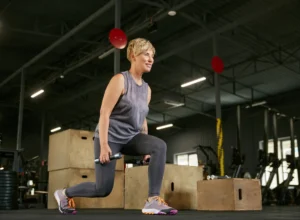
- Bodyweight Exercises: Modified push-ups against a wall, knee bends (squats) while holding a stable surface, and chair-assisted leg lifts.
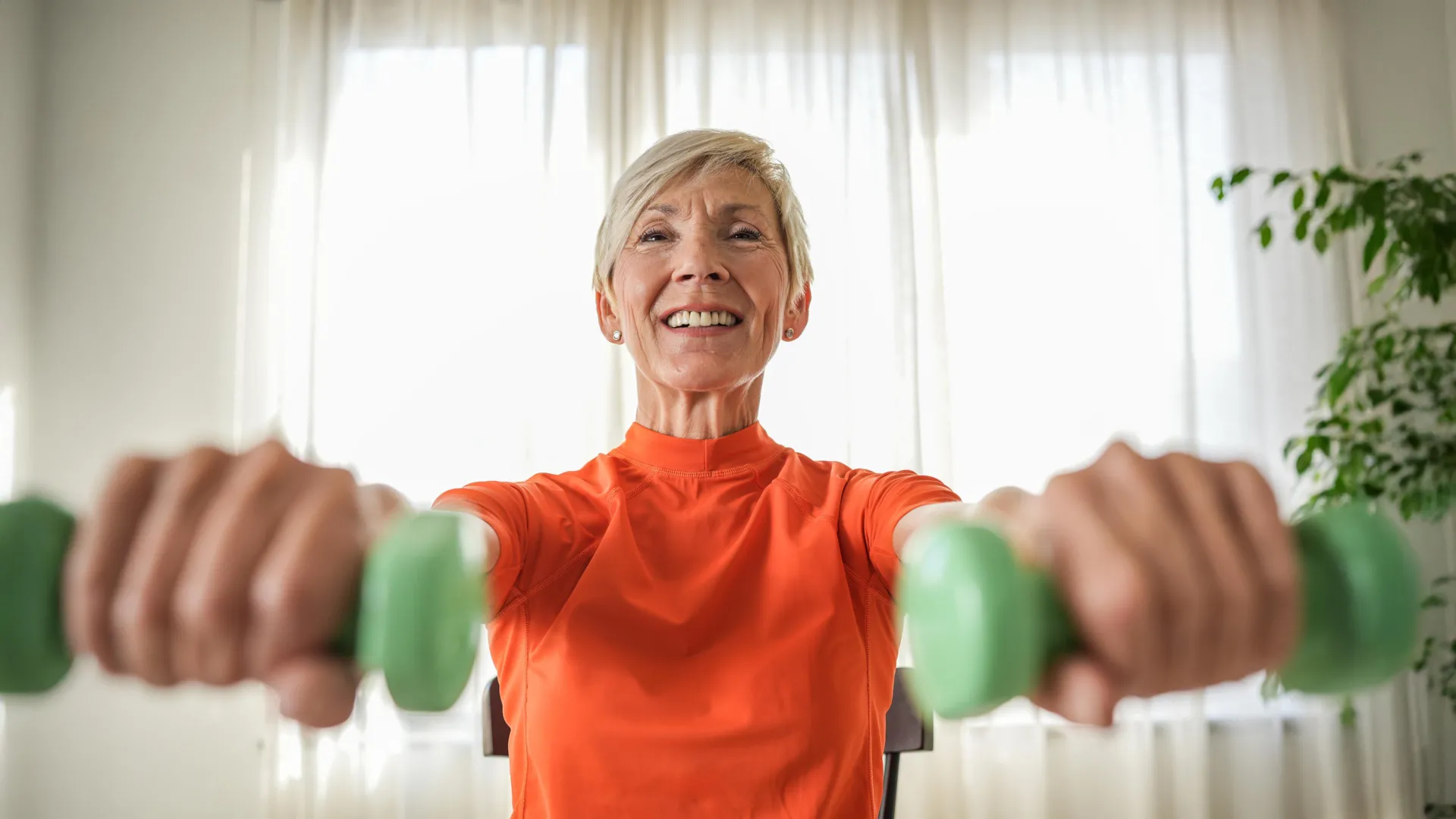
- Household Resistance: The use of everyday items, such as soup cans or heavy books, can provide sufficient resistance to stimulate muscle growth in sedentary individuals.
- Consistency over Intensity: For an 80-year-old, the goal is not maximal power, but the maintenance of functional independence.
However, the researchers provide a critical caveat: safety is paramount. Before embarking on a new resistance training regimen, older adults should consult with a healthcare provider. Furthermore, for those who are unsure where to begin, seeking the guidance of a physical therapist or a certified exercise specialist can ensure that exercises are performed with proper form to prevent injury.
The Future of Aging in America
The urgency of these findings is underscored by the changing demographics of the United States. Women aged 80 and older represent the fastest-growing segment of the population. As this demographic expands, the public health burden of frailty, falls, and inactivity will place unprecedented pressure on the healthcare system.
"The importance of monitoring and maintaining muscular strength will have huge public health implications in the coming decades," LaMonte notes.
The study, which included collaboration from the National Cancer Institute, the University of California San Diego, Texas A&M University, Brown University, Stanford University, and the Fred Hutch Cancer Center, serves as a clarion call. It suggests that while we have spent decades perfecting the advice we give for heart health, we have neglected the foundation of human movement.
As we look toward the future of healthy aging, the prescription is becoming increasingly clear: sit less, walk more, but perhaps most importantly, find a way to stay strong. Whether it is through lifting cans of soup or performing squats in the living room, the act of maintaining muscle strength is, quite literally, a way of adding years to life—and life to those years.