










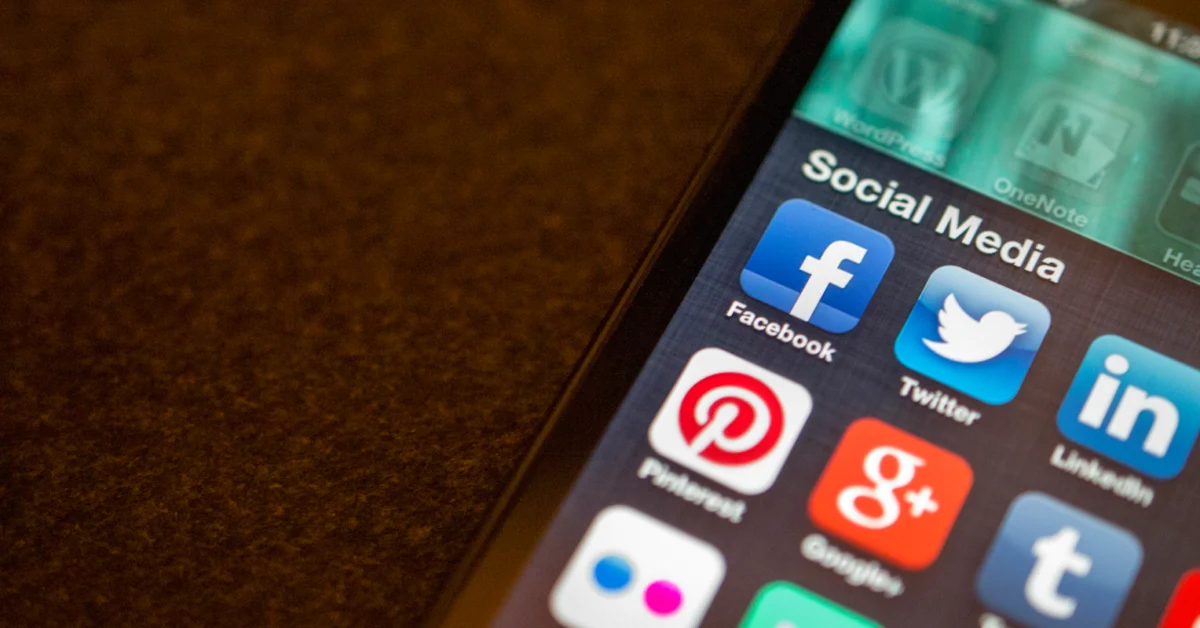
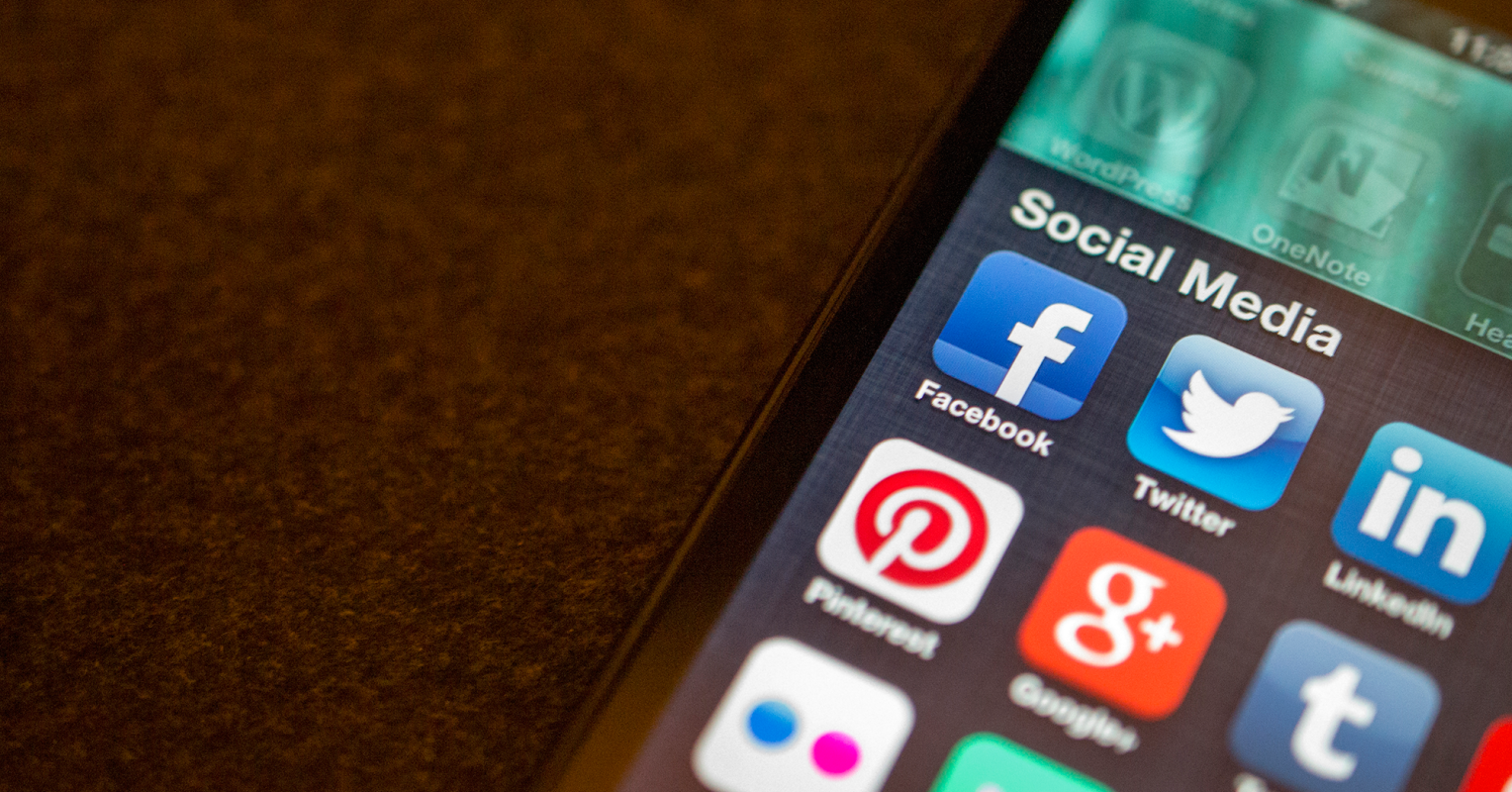
In the span of less than two decades, social media has evolved from a niche digital pastime into the primary architecture of modern human connection. It mediates our professional networking, facilitates our personal relationships, and serves as a relentless, high-speed conduit for global news, pop culture, and the mundane details of daily life. Yet, as we become increasingly tethered to these platforms, a sobering question emerges: Are we mastering our tools, or are they mastering us?
Recent empirical evidence suggests that while social media can serve as a lifeline for community and support, it simultaneously harbors profound risks for mental health and self-image. The reality is not a binary choice between total abstinence and unfettered consumption; rather, it is a nuanced, complex relationship that demands a more sophisticated approach to digital hygiene.
The Evolution of Connection: A Brief Chronology
To understand the current state of digital interaction, one must look at the trajectory of these platforms.
- The Early 2000s (The Era of Discovery): With the birth of platforms like MySpace and the early iterations of Facebook, social media was largely an experimental, desktop-based activity. The focus was on personal expression and cataloging one’s social circle.
- The Mid-2010s (The Algorithmic Pivot): As mobile technology became ubiquitous, platforms shifted from chronological feeds to algorithmic ones. This era marked the transition from "what my friends are doing" to "what the platform thinks I want to see," laying the groundwork for echo chambers and addictive engagement loops.
- The Pandemic Shift (2020–2022): COVID-19 acted as a global stress test for digital socialization. With physical borders closed, social media became the primary venue for human contact, cementing its role as an essential utility for mental well-being during isolation, while simultaneously exposing the fragility of digital-only relationships.
- The Current Era (The Accountability Phase): Today, we are in a period of intense public scrutiny. Legislators, parents, and mental health professionals are actively debating the responsibility of tech giants regarding user safety, algorithmic transparency, and the psychological impact of design features.
The Good: Social Media as a Tool for Empowerment
Despite the valid criticisms leveled against tech corporations, it is vital to acknowledge the genuine benefits that social media provides. For many, these platforms are not just apps—they are lifelines.
Building Virtual Tribes
Social media excels at bridging the gap of geography. For marginalized individuals or those with niche interests—whether related to career paths, rare hobbies, or identity markers—online communities provide a sense of belonging that may be absent in their immediate physical environment. Facebook Groups and Reddit communities have become the modern "town square," where people find validation and shared experience.
Resilience in Isolation
During the COVID-19 pandemic, the value of digital connection was undeniable. For millions, the ability to video call, share life updates, and participate in online events mitigated the profound psychological toll of lockdowns. Research from the Royal Society for Public Health (RSPH) indicates that nearly 70% of teenagers surveyed reported receiving emotional support from peers through social media during challenging times.
Advocacy and Destigmatization
Social media has become a powerful engine for public health awareness. Mass anti-stigma campaigns, such as Scotland’s "See Me" initiative, demonstrate how digital outreach can shift public perception. By correcting misinformation, these campaigns have historically led to significant declines in the public’s fear of, or prejudice against, individuals living with mental health conditions.
The Bad: The Psychological Costs of Connectivity
While the benefits are significant, the "dark side" of social media is increasingly difficult to ignore. The architectural design of these platforms often exploits human evolutionary vulnerabilities.
The Comparison Trap
Theodore Roosevelt famously noted that "comparison is the thief of joy," a sentiment that has been amplified exponentially by the digital age. Users are constantly bombarded with "highlight reels"—carefully curated, heavily filtered images of influencers and acquaintances. This constant exposure creates a distorted perception of reality, leading to feelings of inadequacy, jealousy, and the pervasive "Fear of Missing Out" (FOMO).
The Algorithmic Echo Chamber
Perhaps the most insidious feature of modern social media is the algorithm. By design, these systems track user behavior to serve content that reinforces existing worldviews. While this keeps users engaged, it also risks radicalization and increased political polarization. When users are never challenged by opposing perspectives, their worldview narrows, leading to higher levels of ideological extremism.
Cyberbullying and Adolescent Vulnerability
The RSPH survey highlighted a dark reality: roughly 70% of young users have encountered cyberbullying, with over a third reporting that the abuse was sustained and frequent. The intersection of adolescent development and social media is particularly volatile; the lack of a "digital off-switch" means that bullying follows the victim home, leaving them no space for emotional recovery. This persistent harassment is directly linked to increased rates of depression and symptoms of PTSD in teenagers.
Official Responses and Regulatory Implications
The discourse surrounding social media has moved from the pages of academic journals into the halls of government.
- Internal Reports: Internal documents from major platforms have acknowledged the risks. For example, reports leaked from Meta (Facebook’s parent company) indicated that nearly one-third of teen girls reported that using Instagram negatively impacted their body image, a statistic that has sparked significant congressional concern in the United States.
- Legislative Pressure: Lawmakers are now considering regulations that demand greater transparency in how algorithms work and mandate stricter age-verification processes. The goal is to force platforms to prioritize safety over "time-spent-on-site" metrics.
- Institutional Guidance: Health organizations are increasingly providing guidelines for "digital nutrition," encouraging users to treat their social media consumption with the same awareness they apply to their physical diet.
Striking a Balance: Toward a Healthier Relationship
The paradox of social media is that it is simultaneously a source of connection and a source of conflict. To maintain mental health, users must shift from passive consumption to intentional interaction.
Strategies for Digital Wellness
- Auditing the Feed: Regularly curate your social media environment. If a particular account or platform consistently leaves you feeling diminished, anxious, or angry, unfollow or mute it.
- Time-Boxing: Set strict limits on daily usage. The goal is to use the tool as a means to an end, rather than allowing the tool to dictate your schedule.
- Physical-Digital Integration: Use social media to facilitate real-world meetings. The most effective use of these platforms is as a bridge to physical interaction, not a replacement for it.
- Mindful Awareness: Develop the habit of pausing before you scroll. Ask yourself: "What is my intention for opening this app?" If you are opening it out of boredom or anxiety, consider an alternative activity.
Conclusion: Reclaiming Agency
The impact of social media on mental health is multifaceted. While these platforms have revolutionized the way we share, learn, and connect, they also possess the power to erode our self-esteem and distort our sense of reality.
We must move beyond the reactive cycle of "loving" or "hating" social media. Instead, we must treat it as a powerful, neutral tool that requires careful handling. There are countless factors in life that influence our mental well-being that remain outside our control; our relationship with our digital devices does not have to be one of them. By fostering a sense of awareness, setting firm boundaries, and prioritizing real-world connections, we can enjoy the benefits of the digital age without sacrificing our peace of mind.