










As we navigate our golden years, the focus of physical fitness often shifts from high-intensity performance to functional longevity. While cardiovascular health remains a cornerstone of wellness, there is a quiet, yet critical, physiological transition that occurs in our 60s: the gradual loss of arm and upper-body strength. This decline is not merely aesthetic; it directly impacts our ability to perform the fundamental tasks of daily living—carrying groceries, lifting household items, or even maintaining the balance required for daily walks.
However, science and expert coaching suggest that this decline is not inevitable. By integrating targeted, beginner-friendly resistance training into a home-based routine, individuals over 60 can effectively reverse muscle loss, enhance independence, and bolster their overall quality of life.
The Science of Strength: Why Arm Health Matters After 60
Arm strength is the silent engine of daily independence. Simple actions—opening a stubborn jar, hoisting a suitcase into an overhead bin, or even the act of rising from a chair—rely heavily on the synergy between the biceps, triceps, shoulders, and forearm muscles. When these muscle groups weaken, the risk of injury increases, and the reliance on others for basic tasks grows.
According to Gerard Washack, founder of Strong Republic Personal Training, the "quiet" loss of arm strength in one’s 60s is a phenomenon that requires proactive intervention. With over two decades of experience specializing in fitness for adults aged 40 and older, Washack has observed that traditional group gym classes often fail to address the specific, nuanced needs of the aging body.
"Arm strength is one of those things that quietly leaves you in your 60s," Washack explains. "The beauty of a home-based dumbbell program is that you can pick a weight that actually challenges you. You can progress at your own pace and focus on the exact muscle groups that need attention, rather than following a generic template designed for the ‘average’ person."
Chronology of Progress: What to Expect
For those beginning a strength regimen, consistency is the primary catalyst for change. Experts suggest that performing a targeted dumbbell routine just two to three times per week can yield significant results within six to eight weeks.
- Weeks 1–2 (Adaptation): The focus is on form and neurological adaptation. Muscles learn the firing patterns required for each movement.
- Weeks 3–5 (Stabilization): As form improves, participants should focus on "progressive overload"—slightly increasing the weight or the number of repetitions.
- Weeks 6–8 (Realization): This is the period where tangible strength gains become evident. Daily activities—like lifting a heavy bag of soil or moving furniture—will feel noticeably less strenuous.
The Accessible Gym: Why Dumbbells Are the Gold Standard
The barriers to entry for strength training are often perceived as high, with visions of expensive equipment and intimidating gym environments. However, the most effective tool for long-term strength is remarkably affordable. A basic, multi-weight dumbbell set can be acquired for approximately $32.
Unlike complex machine-based gym equipment, dumbbells provide a "free-weight" experience that requires the body to engage stabilizing muscles. This engagement is vital for seniors, as it improves coordination and bone density—two factors that are essential for long-term health and fall prevention.
Expert-Recommended Exercises for Maximum Impact
To achieve comprehensive upper-body conditioning, Washack recommends the following six foundational movements. These exercises are designed to be safe for beginners while providing enough resistance to stimulate muscle growth.
1. Bicep Curls
The classic bicep curl is the foundation of arm training. By focusing on the controlled flexion of the elbow, you isolate the bicep brachii, which is essential for any pulling or lifting motion.
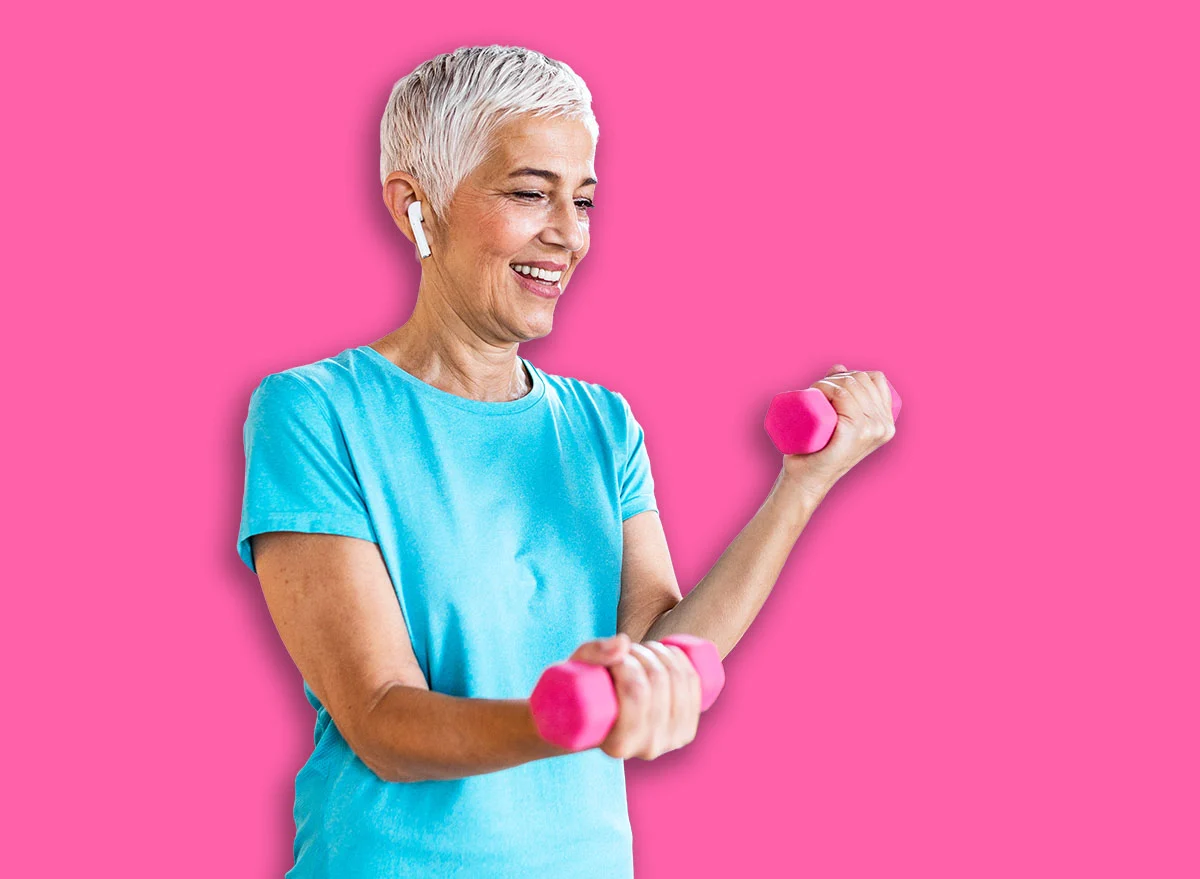
- Execution: Stand with feet shoulder-width apart, holding a dumbbell in each hand with palms facing forward. Keep your elbows tucked close to your torso as you curl the weights toward your shoulders. Lower them slowly, resisting gravity on the way down.
2. Hammer Curls
While standard curls target the bicep, hammer curls provide a unique advantage by engaging the brachioradialis, a muscle in the forearm.
- Execution: Hold the dumbbells with your palms facing your torso (neutral grip). Perform the curl while maintaining this grip. This variation is crucial for improving grip strength, which research has linked to improved longevity and overall physical resilience.
3. Standing Overhead Press
This compound movement is a "powerhouse" exercise, engaging both the deltoids (shoulders) and the triceps.
- Execution: Start with the dumbbells at shoulder height. Press the weights upward until your arms are fully extended, then return to the starting position. This movement builds the functional strength required for reaching high shelves and overhead storage.
4. Tricep Kickbacks
The triceps make up the majority of the arm’s mass. Strengthening this area is essential for pushing motions and eliminating the "softness" that often develops on the back of the arm.
- Execution: Hinge forward at the hips, keeping your back straight. With elbows tucked, extend your forearms backward until they are parallel to the floor. The isolation provided here is unmatched for tricep development.
5. Bent-Over Rows
Often overlooked, rows are vital for posture. By pulling the weight toward your torso, you engage the back, biceps, and forearms simultaneously.
- Execution: Hinge forward, holding the weights with arms hanging toward the floor. Pull the dumbbells toward your hips, squeezing your shoulder blades together at the top of the movement. This is a multi-muscle effort that maximizes your time.
6. Lateral Raises
To achieve shoulder stability and aesthetic shape, the lateral raise is key.
- Execution: Stand tall with arms at your sides. Lift the weights out to your sides until they reach shoulder height, forming a "T" shape. Lower them with control. This move targets the middle deltoid, which is essential for lifting items away from the body.
Supporting Data and Implications
The implications of maintaining muscle mass in the later stages of life extend far beyond simple aesthetics. According to the American Journal of Medicine, higher muscle mass in older adults is associated with a lower risk of metabolic syndrome and improved glucose regulation.
Furthermore, the psychological impact of feeling physically capable cannot be overstated. When a senior can perform household chores without pain or fatigue, it fosters a sense of self-efficacy and independence. By moving away from sedentary habits and embracing a structured, weight-based routine, you are not just building muscle; you are building an insurance policy against the physical limitations of aging.
Final Considerations for Beginners
Before starting any new exercise program, it is prudent to consult with a primary care physician, especially if you have pre-existing joint or cardiovascular conditions. Start with a light weight—focusing entirely on "time under tension" rather than heavy lifting—and prioritize form over speed.
As Gerard Washack notes, the goal is to create a lifestyle that is sustainable. By committing to these six movements two to three times a week, you aren’t just working out; you are investing in the next decade of your life. With a pair of dumbbells and a commitment to consistency, the independence you enjoyed in your younger years is not only preserved—it is reclaimed.