





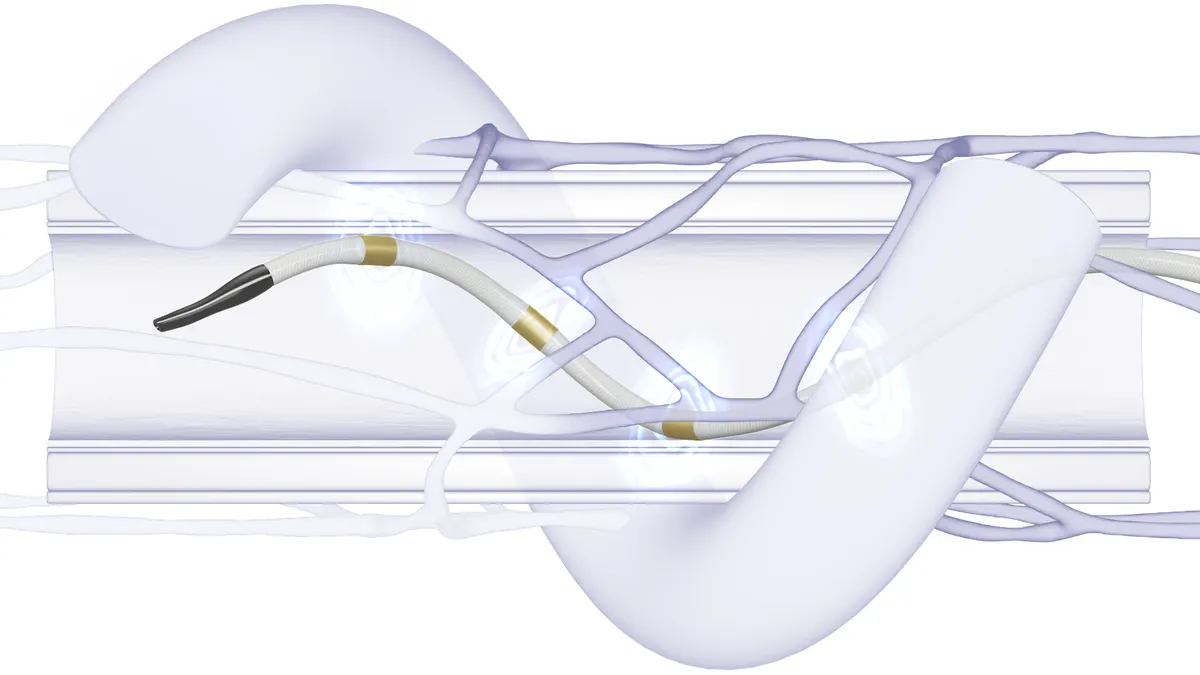
In the evolving landscape of cardiovascular medicine, the search for effective, non-pharmacological interventions for hypertension has reached a significant milestone. New data presented at the EuroPCR congress highlights the long-term clinical utility of Medtronic’s Symplicity Spyral, a renal denervation system that offers a lifeline to patients for whom traditional medication and lifestyle modifications have proven insufficient.
As cardiovascular diseases remain the leading cause of mortality globally, the ability to address blood pressure management through minimally invasive device-based therapy represents a paradigm shift. With recent regulatory approvals and a growing body of evidence, Medtronic is positioning itself at the forefront of this emerging therapeutic market.
The Clinical Challenge: Why Hypertension Persists
Hypertension, often dubbed the "silent killer," affects over a billion people worldwide. While the standard of care—a combination of ACE inhibitors, diuretics, and calcium channel blockers—is highly effective for many, a significant subset of the population suffers from treatment-resistant hypertension. These patients face a relentless cycle of elevated blood pressure, which significantly increases the risk of stroke, myocardial infarction (heart attack), and chronic kidney disease.
The core issue often lies in the overactivity of the sympathetic nervous system, specifically the nerves surrounding the renal arteries. These nerves contribute to the regulation of blood pressure; when they become overactive, they can drive blood pressure levels to dangerous heights that defy even the most aggressive medication regimens. Medtronic’s Symplicity Spyral system utilizes radiofrequency energy to perform "renal denervation"—a procedure that effectively "calms" these overactive nerves, thereby facilitating a more manageable physiological baseline for blood pressure.
Chronology of a Medical Breakthrough
The path to the current EuroPCR presentation was paved by years of rigorous clinical research and regulatory navigation.
- Initial Development: Medtronic pioneered early iterations of the renal denervation catheter, seeking a way to utilize radiofrequency ablation in a minimally invasive manner.
- The Clinical Trials: Throughout the 2010s, the company launched the SPYRAL HTN Global Clinical Program, which included the SPYRAL HTN-OFF MED and SPYRAL HTN-ON MED trials. These studies were designed to evaluate the safety and efficacy of the technology in patients both on and off hypertensive medications.
- FDA Approval: In a landmark moment for the medical device industry, the U.S. Food and Drug Administration (FDA) granted approval for the Symplicity Spyral system in late 2023. This approval placed it alongside Recor Medical’s Paradise system as a legitimate tool for clinical use in the United States.
- CMS Coverage: Shortly after FDA approval, the Centers for Medicare and Medicaid Services (CMS) finalized a national coverage determination (NCD). This ensured that Medicare beneficiaries—who represent a significant portion of the high-blood-pressure population—would have access to the procedure, effectively validating the treatment’s economic and clinical viability.
- Current Global Status: Today, the Symplicity Spyral system is commercially available in approximately 80 countries, cementing its status as a global standard for renal denervation.
Analyzing the EuroPCR Data: Impact on High-Risk Groups
At the recent EuroPCR congress, Medtronic unveiled three-year follow-up data from its global registry, focusing on two critical, high-risk patient populations: those with prior cardiovascular events and those suffering from severe hypertension.
Patients with Prior Cardiovascular Events
For patients who have already experienced a cardiovascular event, the risk of a secondary, potentially fatal occurrence is high. The registry analysis sought to determine if renal denervation could provide a sustainable reduction in blood pressure without increasing the burden of daily medication.
The results were compelling. At the three-year mark, the analysis revealed a change in office systolic blood pressure of -17.4 ± 28.4 mmHg compared to the baseline. Even more telling was the 24-hour ambulatory blood pressure measurement, which showed a reduction of -9.9 ± 21.5 mmHg. Crucially, the number of antihypertensive medications prescribed to these patients remained stable, indicating that the device offered a durable effect without requiring additional pharmacological escalation.
Patients with Severe Hypertension
Severe hypertension poses the most acute challenge to clinicians. In this group, the data was even more striking. Patients exhibited significant and sustained reductions in office systolic blood pressure, with an average drop of -40 ± 28.9 mmHg compared to baseline. The 24-hour ambulatory monitoring showed a reduction of -16.3 ± 26.1 mmHg.
These findings are critical because they suggest that the "ceiling" of efficacy for medication-only treatment can be bypassed by addressing the underlying sympathetic nervous system overactivity. The stability of medication counts in this group confirms that the procedure is not merely a temporary fix, but a long-term therapeutic adjunct.
Safety Profile and Adverse Event Monitoring
A major hurdle for any new interventional device is the safety profile. In the registry data presented, the absence of procedure-related safety events was a standout finding.
For the cardiovascular event cohort, adverse event rates were recorded as follows:
- Death: 8.6%
- Cardiovascular Death: 5.1%
- Heart Attack: 4.9%
- Stroke: 7.2%
- Hospitalization for new-onset heart failure: 6.1%
- Hospitalization for hypertensive emergency: 4.6%
For the severe hypertension cohort:
- Death: 7.5%
- Cardiovascular Death: 3.8%
- Heart Attack: 2.3%
- Stroke: 8.4%
- Hospitalization for new-onset heart failure: 3.9%
- Hospitalization for hypertensive emergency: 5.1%
These figures, while reflecting the underlying severity of the patients’ health conditions, demonstrate that the Symplicity Spyral procedure does not introduce significant incremental safety risks. The ability to perform this intervention safely in patients who are already medically complex is a significant endorsement of the technology’s design.

Implications for the Future of MedTech
The implications of the Symplicity Spyral’s success extend beyond Medtronic’s bottom line; they fundamentally change the "care pathway" for hypertensive patients.
1. Reducing the "Pill Burden"
Many patients with hypertension suffer from "non-adherence," where the sheer volume of daily medication leads to skipped doses and erratic blood pressure control. By providing a one-time, catheter-based intervention that lowers blood pressure for years, clinicians can potentially improve patient compliance and quality of life.
2. Economic and Health System Impact
Hospitalizations for hypertensive emergencies and secondary cardiovascular events are a massive drain on global healthcare resources. If widespread adoption of renal denervation can even slightly reduce the incidence of heart failure or stroke, the long-term economic benefits to the healthcare system could be substantial.
3. Market Growth and Strategic Positioning
Medtronic has identified renal denervation as a key pillar for its future growth. By securing regulatory approval in 80 countries and ensuring national coverage in the U.S., the company has effectively "de-risked" the technology. The Symplicity Spyral is now poised to become a staple in the catheterization lab, similar to how stents or pacemakers became standard interventions decades ago.
Conclusion: A New Era of Hypertension Management
The data presented at EuroPCR serves as a confirmation of years of research and a testament to the potential of renal denervation. While medication will continue to be the first line of defense for the vast majority of patients, the Symplicity Spyral system fills a critical gap for those who remain vulnerable despite current efforts.
As medical technology continues to advance, the integration of device-based therapies like Symplicity Spyral into standard practice will likely redefine how we view "treatment-resistant" conditions. For the millions of patients currently struggling to keep their blood pressure under control, this represents not just a new clinical option, but a renewed opportunity for a healthier, more stable life. As Medtronic continues to build the market, the focus will shift from proving the efficacy of the device to optimizing patient selection and long-term integration into the global cardiovascular care ecosystem.