






In the modern pursuit of longevity, the market is saturated with serums, invasive procedures, and dietary supplements that promise to turn back the clock. However, the most effective "fountain of youth" is not found in a bottle, but in the deliberate movement of the human body. As we cross the threshold into our sixth and seventh decades, a biological reality sets in: sarcopenia. This natural, progressive loss of lean muscle mass—which begins as early as age 30—is the primary culprit behind the loss of functional independence.
When everyday tasks, such as lifting a grocery bag, opening a stubborn jar, or rising from a sofa, begin to feel like an athletic feat, it is a clear signal that the body requires structural reinforcement. Fortunately, the decline is not inevitable. By incorporating specific, expert-recommended bodyweight exercises into a consistent routine, adults over 60 can effectively rebuild strength, improve metabolic health, and reclaim the physical confidence necessary for a vibrant life.
The Physiology of Aging: Understanding Sarcopenia
To address the decline in physical performance, one must first understand the enemy. Sarcopenia is defined by a decline in skeletal muscle mass and functional strength. While it is a natural component of aging, its acceleration is often linked to sedentary lifestyles.
According to Adam Dobrez, a veteran personal trainer and owner of Red Fox Gym, who specializes in training older adults, the goal is not to train like a bodybuilder, but to train for "functional autonomy."
"The best exercises for aging are ones that improve confidence in everyday movements," Dobrez explains. "Bodyweight training is inherently safer and more accessible for adults over 60. It can be performed anywhere, requires zero equipment, and is easily scaled to match an individual’s mobility level. Most importantly, these movements demand that the body stabilize itself, which inherently improves coordination, joint control, and balance—the three pillars of fall prevention."
The Six Essential Movements for Longevity
Dobrez emphasizes that consistency outperforms intensity. By mastering these six foundational patterns, individuals can systematically counteract the effects of aging.
1. Sit-to-Stand Squats: The Foundation of Mobility
The ability to stand up from a chair is a vital indicator of long-term health. The "Sit-to-Stand" squat is a functional masterclass in lower-body mechanics. It targets the quadriceps, hamstrings, and glutes while reinforcing the neural pathways required to get in and out of a seat without assistance.
How to perform it: Start seated on a sturdy chair. Keep your feet hip-width apart. Engage your core, lean slightly forward, and press through your heels to stand up fully, extending your hips at the top. Slowly lower yourself back down with control. Aim for 3 sets of 10–12 repetitions.
2. Wall Pushups: Upper-Body Resilience
Traditional floor pushups can place excessive strain on the shoulders and wrists for some older adults. Wall pushups offer a perfect, low-impact alternative that builds strength in the chest, shoulders, and triceps without the risk of joint injury.
How to perform it: Stand roughly an arm’s length away from a wall. Place your palms against the wall at shoulder height. Lower your chest toward the wall by bending your elbows, keeping your back straight and your core engaged. Push back to the starting position. This move builds the "pushing" strength required to open heavy doors or lift items onto high shelves.
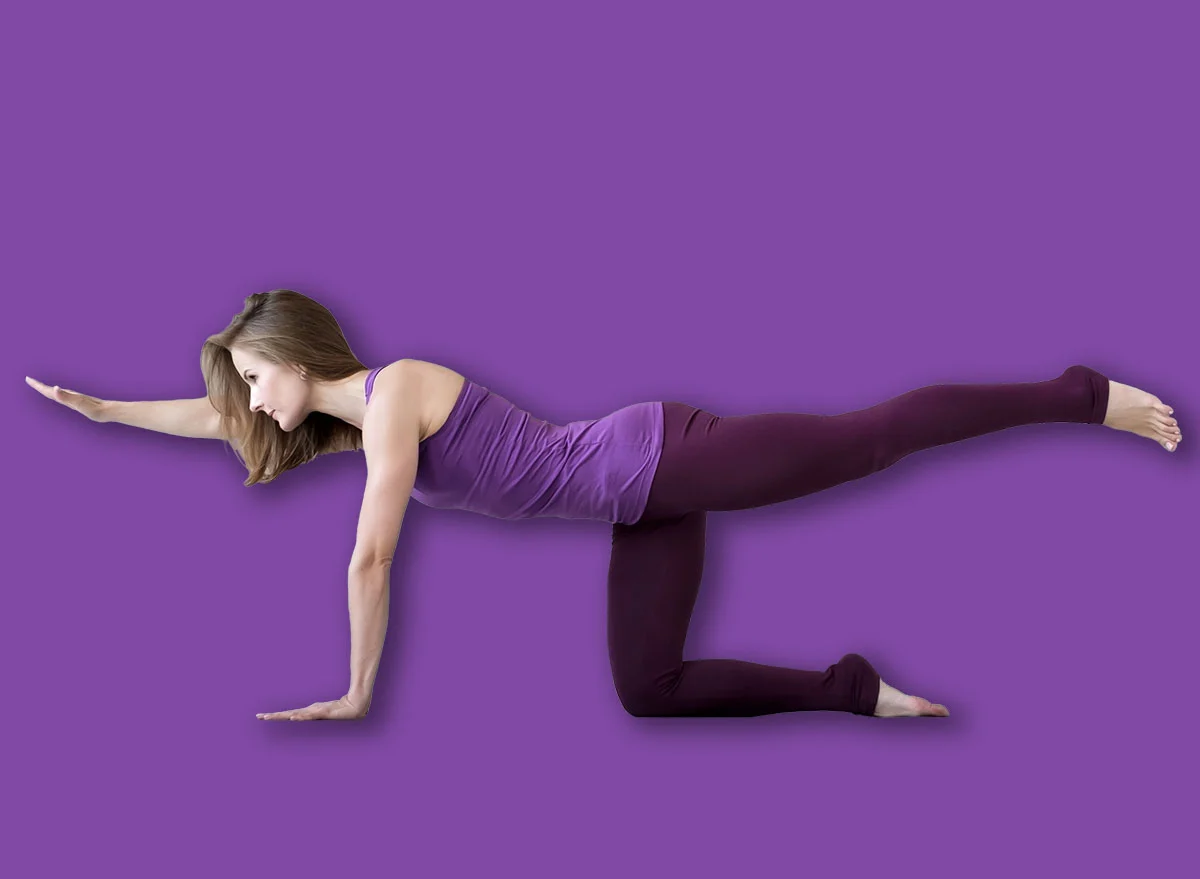
3. The Bird Dog: Spinal Stability and Posture
Back pain is a common complaint that limits activity in later years. The Bird Dog exercise is a corrective movement designed to strengthen the posterior chain and improve spinal stability. It forces the core to work against rotation, which is critical for maintaining an upright, pain-free posture.
How to perform it: Begin on your hands and knees in a tabletop position. Simultaneously reach your right arm forward and your left leg backward, keeping them parallel to the floor. Hold for two seconds, focusing on keeping your hips level. Return to the start and switch sides.
4. Step-Ups: Navigating the Real World
Balance and lower-body coordination are often the first things to falter, leading to an increased risk of trips and falls. Step-ups simulate the act of climbing stairs or navigating uneven terrain. By practicing this motion in a controlled environment, you are essentially "training" your body to handle the unpredictability of the outside world.
How to perform it: Use a low, stable step or platform. Place one foot fully on the step, then drive through that heel to bring your other foot up to meet it. Step back down with control. Alternate leading legs to ensure even development.
5. Standing March: Improving Proprioception
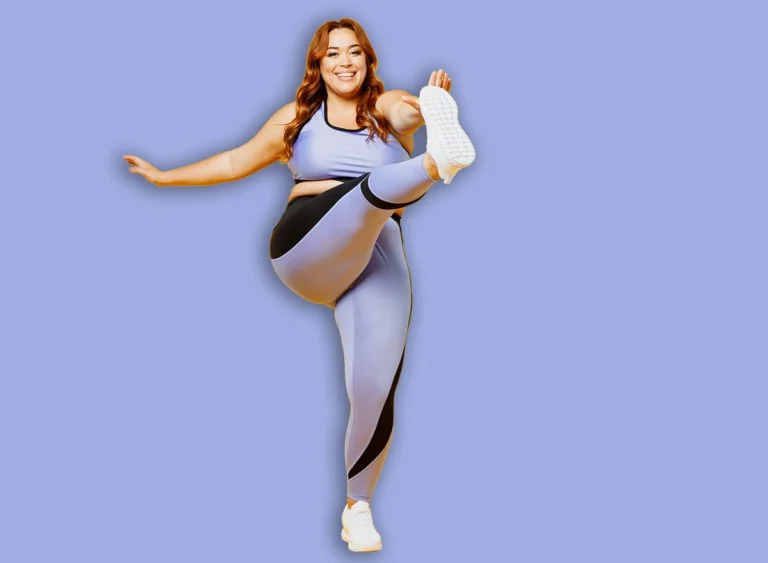
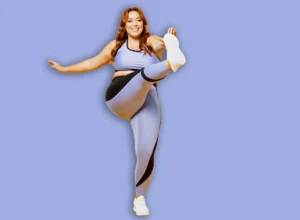
The standing march is an effective way to improve balance and dynamic stability. As we age, our proprioception—our body’s ability to sense its position in space—can diminish. This exercise challenges the core and the stabilizing muscles of the standing leg, making it a powerful defense against balance-related injuries.
How to perform it: Stand tall, holding onto a chair for support if necessary. Slowly lift one knee toward your chest while balancing on the opposite leg. Lower it and repeat with the other leg. Focus on a slow, rhythmic pace rather than speed.
6. Glute Bridges: Protecting the Lower Back
The glutes are the largest muscles in the body, yet they are often underutilized in sedentary individuals. Strengthening them is non-negotiable for anyone looking to protect their hips and lower back. Glute bridges are the gold standard for posterior chain activation.
How to perform it: Lie on your back with your knees bent and feet flat on the floor. Engage your glutes to lift your hips toward the ceiling, creating a straight line from your knees to your shoulders. Pause at the top, squeeze, and lower back down.
Supporting Data: Why Bodyweight Beats Heavy Lifting for Beginners
While heavy resistance training has its merits, the "implications" of bodyweight training for the 60+ demographic are profound. Research consistently shows that older adults who engage in regular, moderate-intensity resistance training see improvements in bone density, glucose metabolism, and cardiovascular efficiency.
However, the barrier to entry for a gym can be psychological and physical. By choosing bodyweight training, individuals remove the "equipment barrier." There is no commute to the gym, no waiting for machines, and no intimidation factor. When the exercise is convenient, consistency follows—and consistency is the single greatest predictor of health outcomes after age 60.
The Broader Implications for Daily Life
The ultimate goal of these exercises is "functional independence." The ability to travel, play with grandchildren, or maintain one’s home depends entirely on physical capacity. When you improve your strength, you are not just building muscle; you are building an insurance policy against the decline of your quality of life.
Dobrez notes that the transformation is often as much mental as it is physical. "When an older client realizes they can stand up from the floor or reach a high shelf without pain or fear, their entire perspective changes. They stop viewing themselves as ‘frail’ and start viewing themselves as capable. That shift in mindset is what keeps them moving for years to come."
Conclusion: A Call to Action
The path to reversing the signs of aging is clear. It requires no expensive equipment, no miracle pills, and no specialized athletic talent. It requires only the floor beneath your feet and a commitment to movement. By dedicating just 20 to 30 minutes, three to four times a week, to these foundational movements, you can effectively rebuild the strength lost to time.
Start slowly, focus on form, and prioritize consistency. Your body is capable of change at any age—the only requirement is the decision to begin. As you integrate these movements into your daily rhythm, you will find that the "natural" changes of aging are not as inevitable as they seem. You are not just exercising; you are reclaiming your life, one repetition at a time.