By Investigative Staff
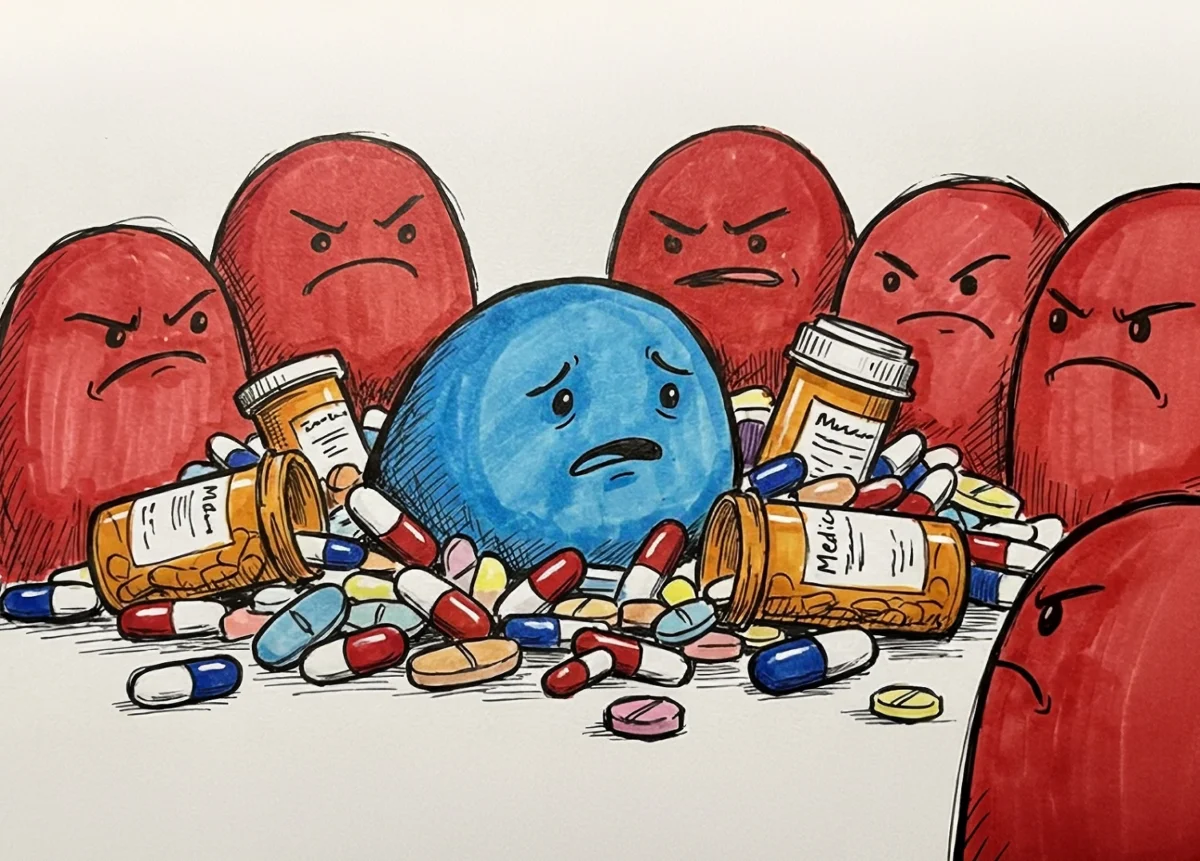
The intersection of neurodivergence, familial pressure, and the pharmaceutical industry has created a complex landscape for millions of Americans diagnosed with developmental and mental health conditions. A recent, harrowing account from a survivor of the psychiatric system—who was diagnosed with autism in 1984 and spent two decades under a regime of "medication cocktails"—has brought renewed scrutiny to the long-term impacts of psychotropic drugs on cognitive function and physical health.
This case study serves as a poignant example of the "medicalization of boredom" and the potential for structural brain changes resulting from long-term polypharmacy. It highlights a growing movement of "psychiatric survivors" who are calling for a fundamental overhaul of how the United States approaches mental health, particularly under the evolving leadership at the Department of Health and Human Services (HHS).
Main Facts: The Intersection of Autism and Over-Medication
The core of this narrative involves an individual born in 1984, diagnosed with autism in infancy, who functioned within the neurodivergent spectrum until young adulthood. In 2005, a series of familial conflicts regarding "weird" behavior during a sibling’s pregnancy led to a pivotal confrontation. Despite the subject’s pre-existing autism diagnosis, which naturally affects communication and social interaction, their family interpreted social withdrawal and boredom as clinical depression.
By early 2006, the subject was coerced into the psychiatric system. What followed was nearly twenty years of shifting diagnoses and "medication cocktails," beginning with the Selective Serotonin Reuptake Inhibitor (SSRI) Zoloft. Throughout this period, the subject reported:
- Lack of Informed Consent: No warnings were provided regarding drug interactions, long-term side effects, or withdrawal protocols.
- Sedation as Submission: A decade characterized by memory loss and emotional blunting, described as a "lost decade."
- Physical Deterioration: The eventual development of epilepsy and structural brain changes, which the subject attributes to long-term medication use.
- Cognitive Decline: A documented 20-point drop in IQ, falling from a high-functioning 124 to 104 following decades of psychiatric intervention.
Chronology of a "Lost Decade"
1984–2005: The Pre-Medication Era
Born in 1984, the subject was diagnosed with autism at an early age. Despite the challenges associated with the condition, they managed to navigate early adulthood without heavy psychiatric intervention. However, the lack of support for their neurodivergent traits led to friction within a family environment described as "toxic" and "unsupportive."
2006–2008: The Initiation into Psychiatry
Following a 2006 birthday dinner where the subject’s "boredom" was mistaken for depression, they were placed under the care of a psychiatrist. Despite the subject’s own feeling that medication was unnecessary, they were placed on Zoloft. This period saw the beginning of "endless cocktails" of medications. Simultaneously, the subject faced online trauma through blogging and involvement in subcultures (the "furry fandom"), which led to doxxing and hacking incidents. Rather than addressing these external traumas, psychiatrists responded with increased dosages.
2008–2018: The "Sedated" Years
In 2008, an attempt to stop medication resulted in a violent domestic reaction, with family members cussing and "harassing" the subject back into the medical system. This launched a ten-year period of high-dosage sedation. While the subject managed to graduate college with a high GPA, they struggled to maintain employment, lasting no more than six months at any job. This era is described as a "lost decade," marked by a lack of memory and a state of "Stockholm syndrome" regarding their living situation with their parents.
2019–2023: Physical Collapse and Neurological Shifts
In 2019, the subject re-entered the workforce at a call center. However, the stress of the environment and the onset of the COVID-19 pandemic exacerbated their condition. In April 2021, the subject suffered a grand mal seizure, collapsing at work. Subsequent medical imaging confirmed that their brain structure had been altered. Despite these findings, psychiatrists continued to push medications, even when the subject complained of an inability to focus or "zoned-out" states.
2024–2025: Withdrawal and Realization
In early 2025, the subject made the decision to forgo all psychiatric medications in favor of alternative therapies. A full clinical evaluation revealed the significant IQ drop. Now living independently but struggling with debt and the trauma of their experience, the subject has become an advocate for psychiatric reform.
Supporting Data: The Impact of Long-Term Polypharmacy
The subject’s experience mirrors broader concerns within the medical community regarding the long-term effects of psychotropic drugs.
1. The IQ Gap and Cognitive Blunting
The 20-point drop in IQ reported by the subject is a significant clinical finding. Research published in journals like Psychotherapy and Psychosomatics has explored "tardive dysphoria," where long-term antidepressant use may actually worsen depression and impair cognitive flexibility. The "sedated" state described by the subject is often referred to in literature as "emotional anesthesia."

2. The Rise of Polypharmacy
The use of "medication cocktails"—the simultaneous prescription of multiple psychotropic drugs—has skyrocketed. According to data from the CDC, the percentage of Americans using three or more psychotropic drugs increased significantly between 1999 and 2018. Critics argue that this practice often lacks a rigorous scientific basis, as most drugs are only tested for safety in isolation, not in combination.
3. Structural Brain Changes
The subject’s report of altered brain structure following a seizure and years of medication is supported by various neuroimaging studies. Some research suggests that long-term use of antipsychotics and certain stabilizers can lead to changes in cortical thickness and brain volume, though the clinical significance of these changes remains a subject of intense debate.
Official Responses and Medical Perspectives
The psychiatric community remains divided on the issues raised by such testimonials.
The Traditional Medical Model:
Mainstream organizations, such as the American Psychiatric Association (APA), maintain that medications like SSRIs and mood stabilizers are life-saving interventions for those with chemical imbalances. They argue that many "adverse effects" reported by patients may actually be symptoms of the underlying illness rather than the medication itself. Doctors often advise that patients "give medications time to work," a sentiment the subject of this report heard repeatedly from both doctors and family.
The Whistleblower Movement:
Organizations like Mad in America and practitioners like Dr. Peter Breggin argue that psychiatry often functions as a tool of social control rather than healing. They posit that "informed consent" is rarely achieved because patients are not told that the "chemical imbalance" theory remains unproven.
The Pharmaceutical Industry:
The industry has historically been criticized for its marketing tactics, including the "dot ads" mentioned by the subject. While the industry maintains that it follows strict FDA guidelines, the lack of long-term (10+ years) safety data on polypharmacy cocktails remains a significant gap in the regulatory framework.
Implications: A New Era of Health Policy?
The personal account concludes with a shift toward political and systemic advocacy, specifically referencing the leadership of Robert F. Kennedy Jr. at the Department of Health and Human Services (HHS).
1. Regulatory Overhaul
The subject calls for "commonsense measures," including:
- Banning Pharma Ads: The U.S. and New Zealand are the only two countries that allow direct-to-consumer pharmaceutical advertising.
- Banning Meds for Children: A controversial proposal to limit or eliminate the use of psychotropic drugs in minors, focusing instead on environmental and nutritional interventions.
- Alternative Therapies: Shifting federal funding toward non-drug therapies, such as nutritional psychiatry, exercise, and trauma-informed talk therapy.
2. The "MAHA" Movement
The "Make America Healthy Again" (MAHA) initiative, spearheaded by Kennedy, emphasizes the removal of toxic chemicals from food and a skeptical review of the "Big Pharma" influence on the FDA. For individuals like the subject of this report, this movement represents a hope for "mental health" that isn’t synonymous with "medication."
3. Redefining Neurodivergence
The story highlights a critical failure in the current system: the attempt to "cure" autism through sedation. As the neurodiversity movement gains traction, there is a push to move away from the medical model—which views autism as a disorder to be medicated—and toward a social model that focuses on accommodations and environmental support.
Conclusion
The journey from a 124-IQ autistic youth to a "sedated" adult with a 104-IQ and epilepsy is a sobering indictment of a "one-size-fits-all" psychiatric approach. As the individual works to pay off debt and recover their cognitive faculties, their story stands as a call for a more cautious, transparent, and human-centric approach to mental health in America. The question remains: can the system evolve fast enough to prevent another "lost decade" for the next generation?
This article is based on a personal narrative and clinical testimonial. It is intended for informational purposes and does not constitute medical advice. If you or someone you know is struggling with psychiatric medication withdrawal, please consult a medical professional familiar with tapering protocols.