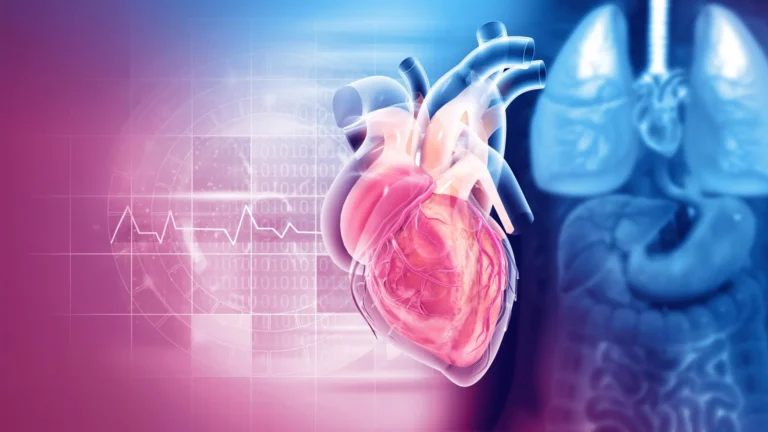











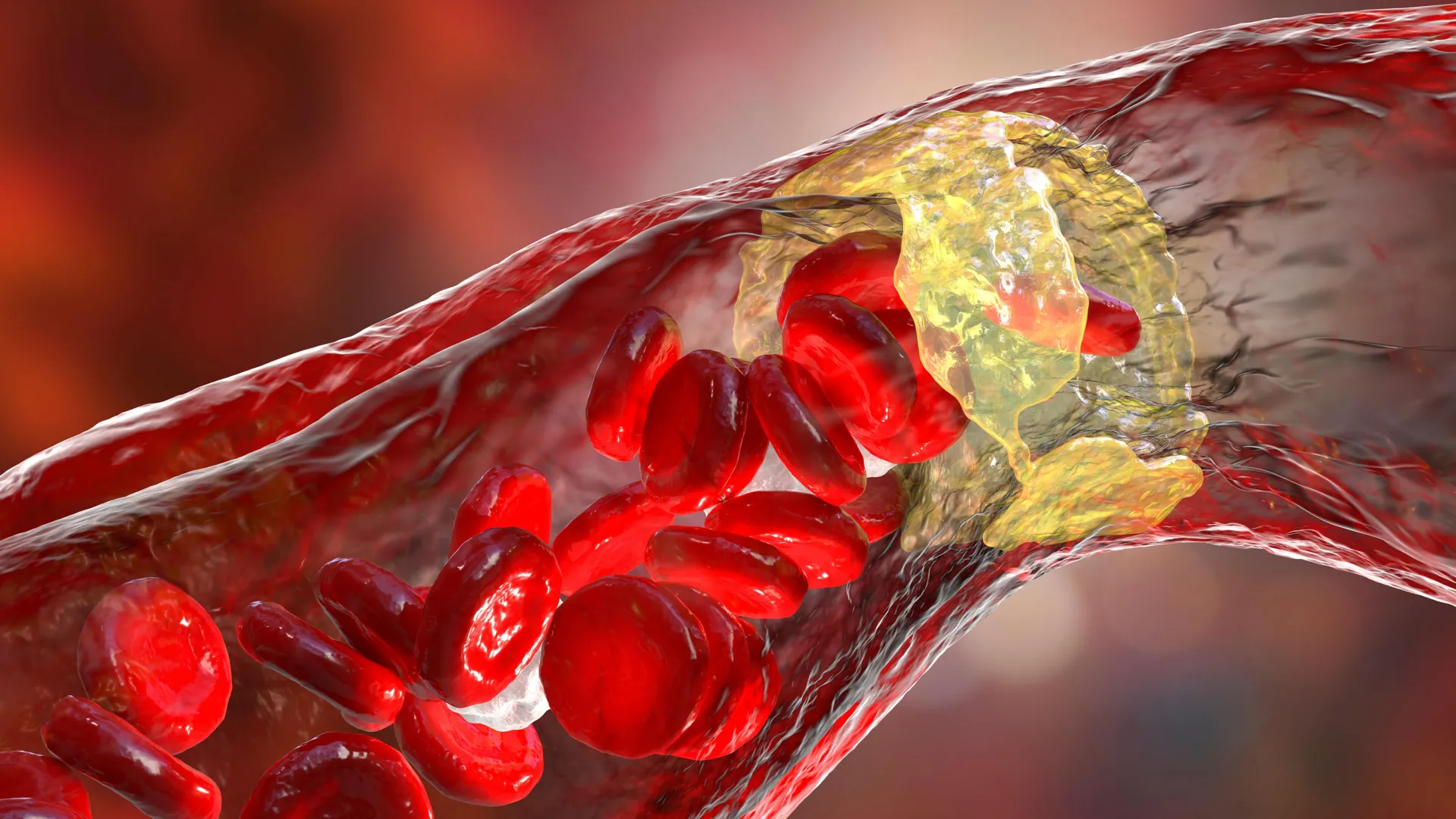
In a startling development that adds a new layer of urgency to the global plastic pollution crisis, a research team at the University of California, Riverside (UCR) has identified a direct link between the routine ingestion of microplastics and the accelerated development of atherosclerosis. The condition, characterized by the narrowing and hardening of arteries due to plaque buildup, is a primary driver of heart attacks and strokes.
The study, published in the journal Environment International, offers a chilling insight: microplastics are not merely passive contaminants in our environment; they appear to be active biological agents capable of inciting vascular injury. Perhaps most intriguing, and concerning, is the study’s discovery of a stark sex-specific response, where male subjects demonstrated significantly higher vulnerability to these arterial changes than their female counterparts.
The Ubiquity of the Invisible
Microplastics—tiny synthetic fragments measuring less than five millimeters—have become an inescapable feature of the modern landscape. They are the weathered remnants of consumer packaging, synthetic fabrics shedding in our laundry, and the breakdown of single-use plastics that permeate our soil, water, and atmosphere.
Recent clinical observations have already confirmed the presence of these particles in human blood, lung tissue, and, most alarmingly, within atherosclerotic plaques. However, until now, the scientific community had struggled to determine if these plastics were merely "innocent bystanders" caught up in existing disease processes or if they were the primary drivers of arterial damage. The UCR study suggests the latter may be true, providing some of the most compelling evidence to date that microplastics serve as a direct catalyst for cardiovascular pathology.
Chronology of the Investigation
To determine the biological impact of plastic ingestion, the research team, led by Professor Changcheng Zhou of the UCR School of Medicine, employed a highly controlled mouse model. The study focused on LDLR-deficient mice, a standard and widely accepted laboratory model for studying atherosclerosis.
Phase I: Standardization
The research began by placing both male and female mice on a low-fat, low-cholesterol diet. This step was crucial to ensure that any observed arterial damage could be attributed to the experimental variable—microplastic ingestion—rather than existing lifestyle factors like poor diet or metabolic syndrome.
Phase II: Controlled Exposure
Over a period of nine weeks, the researchers administered a daily dosage of microplastics (10 milligrams per kilogram of body weight) to the test subjects. The team specifically chose this dosage to reflect realistic exposure levels that a human might encounter through contaminated food, water, and ambient dust.
Phase III: Analytical Sequencing
Following the exposure period, the team utilized single-cell RNA sequencing to map gene activity within individual cells. By comparing the cellular response of exposed mice against a control group, they were able to observe exactly how microplastics interfered with the delicate biological mechanisms of the artery lining.
Supporting Data: The Male Susceptibility Gap
The results of the study were nothing short of dramatic. While the microplastics did not cause the mice to gain weight, nor did they alter cholesterol levels—proving that the damage was not a secondary effect of obesity or metabolic dysfunction—the arterial impacts were severe.
In the male cohort, the statistics were stark:
- Aortic Root Plaque: Male mice developed 63% more plaque in the aortic root, the critical segment of the aorta directly connected to the heart.
- Brachiocephalic Artery Plaque: In the brachiocephalic artery, a primary vessel branching from the aorta into the upper chest, plaque formation increased by a staggering 624%.
Conversely, the female mice exposed to identical levels of microplastics showed no significant progression in plaque development. This discrepancy, while unexpected, aligns with broader trends in cardiovascular research, where hormonal and chromosomal factors often dictate how heart disease manifests across sexes.
The Mechanism: Disruption at the Source
The researchers discovered that the primary victims of microplastic exposure are endothelial cells—the vital layer of cells that line the interior of blood vessels. Under normal conditions, these cells regulate inflammation and blood flow. However, the study found that microplastics directly invade these layers, effectively "triggering" them into a pro-inflammatory state.
By using fluorescent microplastics, the team was able to track the particles as they migrated from the digestive system into the cardiovascular system, concentrating precisely within the arterial lesions. Once lodged in these endothelial layers, the particles activated harmful gene pathways. These pathways effectively "switched on" genes associated with plaque promotion, suggesting that the presence of plastic induces a biological shift that encourages the development of heart disease.
Official Responses and Expert Perspective
Professor Changcheng Zhou, the lead researcher on the project, believes the findings represent a paradigm shift in how we understand the health risks of plastics.
"Our study provides some of the strongest evidence so far that microplastics may directly contribute to cardiovascular disease, not just correlate with it," Zhou stated. When asked about the surprising disparity between male and female subjects, Zhou noted that while the specific mechanism remains under investigation, the answer likely lies in biology. "Factors like sex chromosomes and hormones, particularly the protective effects of estrogen, may play a role in why females appeared resistant to the accelerated plaque formation in this study."
While the research team is currently focused on the biological pathways of this damage, Zhou is quick to offer practical advice for a public currently saturated with plastic. "It’s nearly impossible to avoid microplastics completely," he admitted. "Still, the best strategy is to reduce exposure by limiting plastic use in food and water containers, reducing single-use plastics, and avoiding highly-processed foods."
He emphasized that because there is no current medical procedure to "scrub" the body of these accumulated particles, the focus must remain on preventative maintenance. "Minimizing exposure and maintaining overall cardiovascular health—through diet, exercise, and managing risk factors—remains the most essential defense we have."
Implications for Future Health Policy
The implications of this research extend far beyond the laboratory. As microplastic pollution continues to rise on a global scale, the UCR study provides a blueprint for future public health investigations.
A New Frontier for Research
The research team is already planning the next steps of this inquiry. Future studies will look to answer three primary questions:
- Particle Size and Composition: How do different types and sizes of plastics—ranging from nanoplastics to larger micro-fragments—differ in their toxicity to vascular cells?
- Human Correlation: Can the mechanisms observed in the LDLR-deficient mouse model be replicated in human tissue samples, and do human sex differences mirror those found in the study?
- Molecular Pathways: By identifying the specific molecular "switches" that microplastics activate in endothelial cells, researchers hope to develop potential therapeutic interventions that could mitigate the damage caused by unavoidable exposure.
The Urgency of Regulation
For policymakers, the UCR study underscores that the environmental cost of plastic is not just an ecological concern; it is a direct cardiovascular risk. As the global scientific community continues to explore the systemic impacts of synthetic debris, the evidence increasingly points toward the need for more stringent regulations on plastic production and food-contact safety standards.
The study, which was supported in part by the National Institutes of Health, marks a significant milestone in cardiovascular research. By linking the microscopic particles of our consumer-driven world to the macroscopic reality of heart disease, Professor Zhou and his colleagues have highlighted an urgent health crisis—one that requires immediate attention, continued scientific rigor, and, above all, a reevaluation of our reliance on plastic.
As the world continues to grapple with the "plastic age," the message from the University of California, Riverside is clear: the path to heart health may now include a necessary, concerted effort to shield our bodies from the very materials we once considered harmless.