In a landmark discovery that bridges the gap between nutrition and regenerative medicine, researchers at the Massachusetts Institute of Technology (MIT) have identified a naturally occurring amino acid that acts as a potent catalyst for intestinal repair. The study, published in the prestigious journal Nature, reveals that cysteine—a fundamental building block of protein found in everyday foods—can jump-start an immune-mediated response that accelerates the regeneration of intestinal stem cells.
This breakthrough offers a promising, non-synthetic pathway to mitigate the grueling side effects of cancer treatments. By harnessing the body’s innate biological mechanisms, scientists hope to reduce the intestinal damage frequently caused by radiation therapy and chemotherapy, potentially improving the quality of life for millions of cancer patients worldwide.
The Mechanism: From Dietary Protein to Tissue Regeneration
The human intestine is a site of constant renewal. Lined with a specialized layer of cells, it relies on a reservoir of stem cells to replace the intestinal wall every few days. However, when this process is interrupted by the harsh chemical or radiological onslaught of cancer treatment, patients often suffer from severe digestive distress, malabsorption, and pain.
For years, researchers have understood that dietary patterns like intermittent fasting can influence stem cell behavior. Yet, until now, no single nutrient had been identified as a specific "master key" for this regenerative process.
The MIT team, led by Omer Yilmaz, director of the MIT Stem Cell Initiative, embarked on a systematic investigation to see how individual amino acids—the building blocks of proteins—impact intestinal health. By feeding mice diets enriched with one of 20 different amino acids, the researchers monitored the subsequent regenerative capacity of the intestinal lining.
The results were striking: cysteine emerged as the clear frontrunner. When intestinal cells absorb dietary cysteine, they initiate a metabolic chain reaction. Inside the cell, cysteine is converted into coenzyme A (CoA). This molecule is subsequently released into the intestinal environment, where it is intercepted by CD8 T cells—a specific subset of immune cells residing in the gut lining.
Once activated by this surge of CoA, these CD8 T cells begin to proliferate and secrete interleukin-22 (IL-22). This signaling protein, or cytokine, serves as the "marching orders" for stem cells, triggering them to multiply and repair damaged tissue. This discovery is particularly significant because it identifies a novel function for CD8 T cells, which were not previously known to be primary drivers of IL-22-mediated intestinal repair.
Chronology of Discovery
The path to this finding was characterized by rigorous, methodical testing that spanned several years.
- Initial Screening: The research team began with a comprehensive screen of 20 amino acids to determine their effect on stem cell "stemness" and proliferative capacity.
- The Identification Phase: After narrowing the candidates down to cysteine, the researchers tracked the metabolic conversion pathway, confirming the transition from cysteine to CoA.
- Immune Mapping: Using advanced cellular imaging, the team pinpointed exactly where the CD8 T cells gathered. They discovered that these cells naturally cluster in the intestinal lining, positioning them perfectly to act as "first responders" to tissue injury.
- Therapeutic Validation: The team tested their findings against injury models. Mice exposed to radiation showed significantly improved recovery rates when placed on a cysteine-rich diet. Subsequent unpublished trials involving the chemotherapy drug 5-fluorouracil yielded similar positive outcomes, suggesting that the repair mechanism is effective against multiple forms of treatment-induced injury.
Supporting Data and Biological Nuance
The efficacy of cysteine lies in its proximity to the source of injury. While the human liver is capable of synthesizing cysteine from another amino acid, methionine, the MIT study emphasizes that dietary intake provides a unique advantage. By consuming cysteine-rich foods, the nutrient reaches the small intestine directly, creating a localized "boost" in concentration that is far more potent than systemic, liver-derived levels.
"With our high-cysteine diet, the gut is the first place that sees a high amount of cysteine," explains Chi, a lead researcher on the project. This localized effect ensures that the immune-mediated repair mechanism is activated exactly where it is most needed—at the site of the intestinal mucosal barrier.
The research also underscores the importance of the gut-immune axis. By expanding the population of IL-22-producing T cells, the diet does not just mask the symptoms of damage; it actively promotes the biological machinery required to replace dead or dying cells with healthy, functional tissue.
Official Responses and Perspectives
The implications of this study are being met with significant enthusiasm within the oncology and nutrition communities. Omer Yilmaz, who is also an associate professor of biology at MIT and a member of the Koch Institute for Integrative Cancer Research, highlighted the elegance of the solution.
"The beauty here is we’re not using a synthetic molecule; we’re exploiting a natural dietary compound," Yilmaz stated. He suggests that if clinicians can integrate cysteine-rich diets or targeted supplementation into existing cancer protocols, they may be able to "dampen some of the chemotherapy or radiation-induced injury" that currently leaves patients fragile and susceptible to infections.
Furthermore, Yilmaz points out the novelty of the immune cell interaction: "What’s really exciting here is that feeding mice a cysteine-rich diet leads to the expansion of an immune cell population that we typically don’t associate with IL-22 production and the regulation of intestinal stemness. What happens in a cysteine-rich diet is that the pool of cells that make IL-22 increases, particularly the CD8 T-cell fraction."
Implications for Future Medicine
The potential applications of this discovery extend far beyond the oncology ward. While the initial focus is on mitigating damage from cancer treatments, the MIT team is already looking toward broader horizons.
Expanding the Scope of Regeneration
Researchers are currently exploring whether the cysteine-induced repair mechanism can be applied to other tissues. One active area of inquiry involves hair follicle regeneration. Because hair follicles share many biological characteristics with intestinal stem cells—such as the requirement for rapid, periodic renewal—the team hypothesizes that the same signaling pathways might be manipulated to encourage regrowth.
A New Era of Nutritional Science
This study serves as a proof-of-concept for the field of "nutritional immunology." It suggests that specific nutrients can be used not just for general health, but as precise therapeutic agents that interact with the immune system to achieve specific clinical outcomes.
The researchers are continuing to analyze the remaining 19 amino acids from their initial screen, suspecting that they may uncover additional mechanisms that regulate cell fate and tissue health. As Yilmaz notes, "I think we’re going to uncover multiple new mechanisms for how these amino acids regulate cell fate decisions and gut health in the small intestine and colon."
Dietary Recommendations and Safety
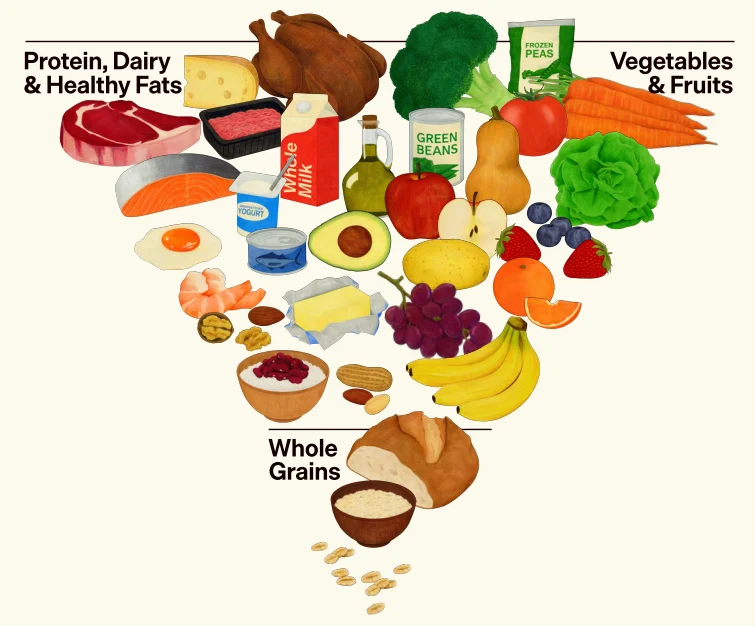
For those looking to increase their intake, cysteine is abundant in protein-rich foods, including:
- Poultry and Meat: Chicken, turkey, and pork.
- Dairy Products: Eggs, yogurt, and cottage cheese.
- Legumes and Nuts: Lentils, sunflower seeds, and walnuts.
While the study is promising, researchers caution that clinical trials in humans are the necessary next step before these findings can be officially integrated into hospital nutrition guidelines. The team is currently working to determine the optimal dosage and delivery methods to ensure that patients can reap the benefits of this "natural medicine" without interfering with the primary goal of cancer therapy.
Conclusion
The MIT study marks a significant pivot in how we view the relationship between diet and recovery. By decoding the molecular dialogue between nutrient, immune cell, and stem cell, scientists have opened a new door to regenerative medicine. If the results seen in the laboratory can be replicated in clinical settings, the simple act of modifying a patient’s diet could become a standard, life-saving component of cancer treatment, transforming the path to recovery from a grueling ordeal into a more supported, biologically empowered journey.
The research was supported by a robust network of contributors, including the National Institutes of Health, the V Foundation, the Kathy and Curt Marble Cancer Research Award, the Koch Institute-Dana-Farber/Harvard Cancer Center Bridge Project, the American Federation for Aging Research, and the MIT Stem Cell Initiative. As the team moves forward, the scientific world will be watching closely to see how far this "simple" amino acid can take the future of human healing.