











NEW YORK — For the third consecutive year, the United States has recorded a decline in drug-related fatalities, a trend that public health officials are tentatively calling the most significant shift in the trajectory of the nation’s long-standing overdose crisis in decades. Preliminary data released Wednesday by the Centers for Disease Control and Prevention (CDC) indicates that approximately 70,000 Americans died from drug overdoses last year—a 14% decrease compared to the previous year.
This data brings the national death toll back to levels last seen in 2019, before the onset of the COVID-19 pandemic, which acted as a violent accelerant to an already simmering crisis. However, beneath the headline of declining numbers lies a complex, shifting landscape characterized by evolving synthetic drug supplies and a contentious debate over federal harm reduction policies.
The Chronology of the Crisis: From Pandemic Surge to Stabilization
To understand the current decline, one must look back at the trajectory of the last decade. Before 2020, the U.S. had already been struggling with an overdose epidemic rooted in the over-prescription of opioids, which gradually shifted toward heroin and eventually the mass infiltration of illicitly manufactured fentanyl.
The Pandemic Peak (2020–2022)
The pandemic years represented the darkest chapter of this crisis. As social isolation intensified and access to critical addiction treatment programs was severed by lockdowns, overdose deaths skyrocketed. The numbers peaked at nearly 110,000 fatalities in 2022. This period was marked by an unpredictable, toxic drug supply and a breakdown in the social safety net, leaving millions of vulnerable individuals without the support structures necessary to survive substance use disorders.
The Gradual Receding (2023–2025)
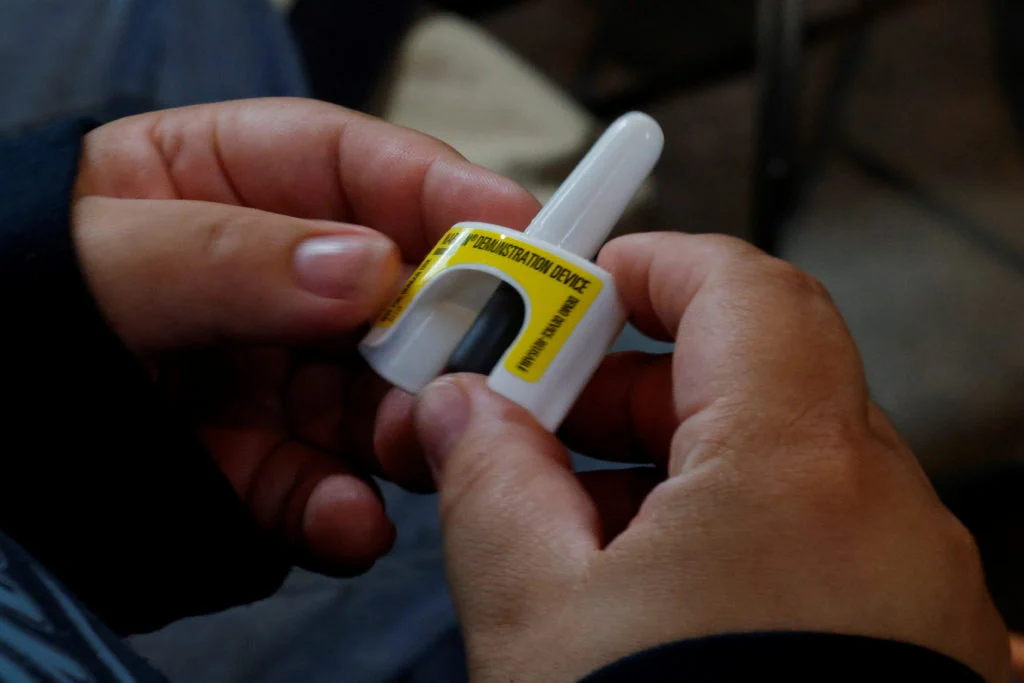
As the pandemic waned, a slow but steady decline began. Experts attribute this to a "perfect storm" of intervention factors: the widespread distribution of naloxone (the life-saving overdose-reversal drug), a significant expansion of Medication-Assisted Treatment (MAT), and the deployment of billions of dollars from opioid lawsuit settlements into community-level programs. Additionally, regulatory shifts in China—which had previously been a primary source of fentanyl precursor chemicals—may have disrupted the supply chain, forcing cartels to adapt.
Supporting Data: Regional Variations and the "Foot on the Gas" Warning
While the national trend is downward, the crisis remains far from solved. The CDC’s preliminary data reveals that the decline is not universal. While the vast majority of states reported fewer deaths, seven states saw an increase. Notably, Arizona, Colorado, and New Mexico recorded jumps of 10% or more.
Brandon Marshall, a prominent researcher at Brown University who specializes in overdose trends, views the data with "cautious optimism." He warns that the current downward trend is fragile.
"I’m cautiously optimistic that this represents a fundamental change in the arc of the overdose crisis," Marshall said. However, he remains wary of complacency. "If deaths are going down rapidly, that means they can increase just as rapidly if we take our foot off the gas. We are still losing 70,000 Americans a year—this is a crisis by any historical metric."
Marshall notes that the regional spikes in the Southwest may be indicative of a shift in the local drug supply, specifically the increased co-use of fentanyl and methamphetamine, a combination that presents unique pharmacological dangers that traditional addiction treatments may be ill-equipped to address.
The Evolving Chemistry: A New Wave of Synthetic Threats
The primary challenge for public health authorities is that the illicit drug market is no longer static. It is hyper-dynamic. Alex Krotulski, director of the Center for Forensic Science Research and Education, serves on the front lines of a national early warning system that detects new substances before they become mainstream killers.
The Proliferation of New Agents
The lab’s findings are alarming. In all of last year, the toxicology facility identified 27 new, previously unseen drugs in the American illicit supply. In the first five months of 2026 alone, they have already identified 23. Among these is cyclorphine, a synthetic opioid that researchers estimate to be up to 10 times more potent than fentanyl.
These substances are frequently used as "cutting agents"—cheap, high-potency additives mixed into heroin, cocaine, or counterfeit pills without the end-user’s knowledge. As the market evolves, the "unknown" nature of these drugs makes every dose a potential gamble, rendering traditional treatment methods less effective and overdose prevention more difficult.
Policy at a Crossroads: The Shift in Federal Strategy
While the scientific community focuses on harm reduction, the political landscape in Washington is pivoting toward a more punitive approach. The current administration has signaled a definitive shift away from "harm reduction" strategies—the public health philosophy that advocates for keeping people alive long enough to access treatment.
Cuts to Harm Reduction Programs
Last month, the Substance Abuse and Mental Health Services Administration (SAMHSA) issued a directive to federal grant recipients, stating that the government would no longer provide funding for test strips and kits that allow users to identify lethal additives in their drugs. The policy shift also targets clean syringe exchange programs and specialized hotlines designed to support individuals during active drug use.
The administration’s stance is that these services inadvertently "facilitate" illicit drug use rather than curbing it. This has sparked a fierce backlash from the medical community and families who have lost loved ones.
The Voice of the Bereaved
For those who have lost children to the epidemic, these policy changes feel like a betrayal of the progress made. Kimberly Douglas, founder of Black Moms Against Overdose, has become a vocal critic of the administration’s pivot. Her son died at age 17, and she credits harm reduction services with saving countless other young lives.
"We are starting to see overdoses go down in some places, and that’s because of harm reduction services," Douglas told reporters last week. She and other advocates argue that the government’s focus should remain on saving lives through evidence-based practices rather than a return to the "War on Drugs" rhetoric of the 1980s.
Implications: Where Does the U.S. Go From Here?
The path forward is fraught with uncertainty. On one hand, the three-year decline in deaths is a testament to the efficacy of widespread naloxone availability and the maturation of addiction treatment infrastructure. On the other hand, the emergence of ultra-potent synthetic compounds like cyclorphine suggests that the supply side of the crisis is becoming increasingly lethal.
The Risks of Policy Divergence
If federal funding for harm reduction continues to dry up, states may be forced to either shoulder the financial burden themselves or abandon these life-saving programs entirely. Researchers fear that this could lead to a "bifurcated" outcome: states with the resources to maintain harm reduction will continue to see declines, while states that lack those resources may experience a resurgence in overdose fatalities.
The Necessity of Continued Vigilance
The public health sector maintains that the goal must remain twofold: reducing the supply of illicit, highly toxic substances and maintaining the human connection that keeps people engaged in recovery. As the drug supply evolves, so too must the public health response.
"The drug supply continues to change and evolve," Krotulski noted. "It is a race between our detection systems and the chemists behind the cartels. If we lose that race, we lose lives."
Ultimately, the 70,000 deaths recorded last year serve as both a sign of progress and a stark reminder of the work that remains. While the needle is moving in the right direction, the overdose crisis in America remains a volatile, shape-shifting emergency that requires a sophisticated, multifaceted, and above all, compassionate response. Whether the current decline holds will depend on the nation’s ability to balance supply-side law enforcement with the public health infrastructure necessary to keep its citizens alive.