











Published May 21, 2026
In an era defined by sedentary desk work, perpetual digital connectivity, and the compounding stresses of modern life, the human body often bears the silent burden of tension. Physical tightness is rarely just physical; it is a manifestation of a nervous system stuck in "fight or flight" mode. To address this, yoga teacher Emily Baltzer has curated a transformative 10-minute yoga sequence designed to bridge the gap between mental fatigue and physical liberation. This practice serves as a strategic intervention for those seeking to reconnect with their breath, expand their range of motion, and cultivate a sense of inner equilibrium.
The Science of the 10-Minute Reset: Main Facts
The efficacy of a short-form yoga practice lies not in the duration, but in the intentionality of the movement. Research in somatics suggests that even brief periods of mindful stretching can significantly lower cortisol levels, the body’s primary stress hormone. By blending gentle, flowing movements with sustained isometric holds, Baltzer’s sequence achieves two goals: it creates space in the musculoskeletal system while simultaneously down-regulating the autonomic nervous system.
Unlike high-intensity interval training, which can sometimes spike stress markers in already taxed individuals, this 10-minute sequence focuses on parasympathetic activation. The practice is designed to be accessible, requiring no equipment—though blocks or bolsters are encouraged for those seeking additional stability. The primary objective is to leave the practitioner feeling "lighter and more open," a sensation achieved through the deliberate lengthening of the spine and the opening of the hips and shoulders.
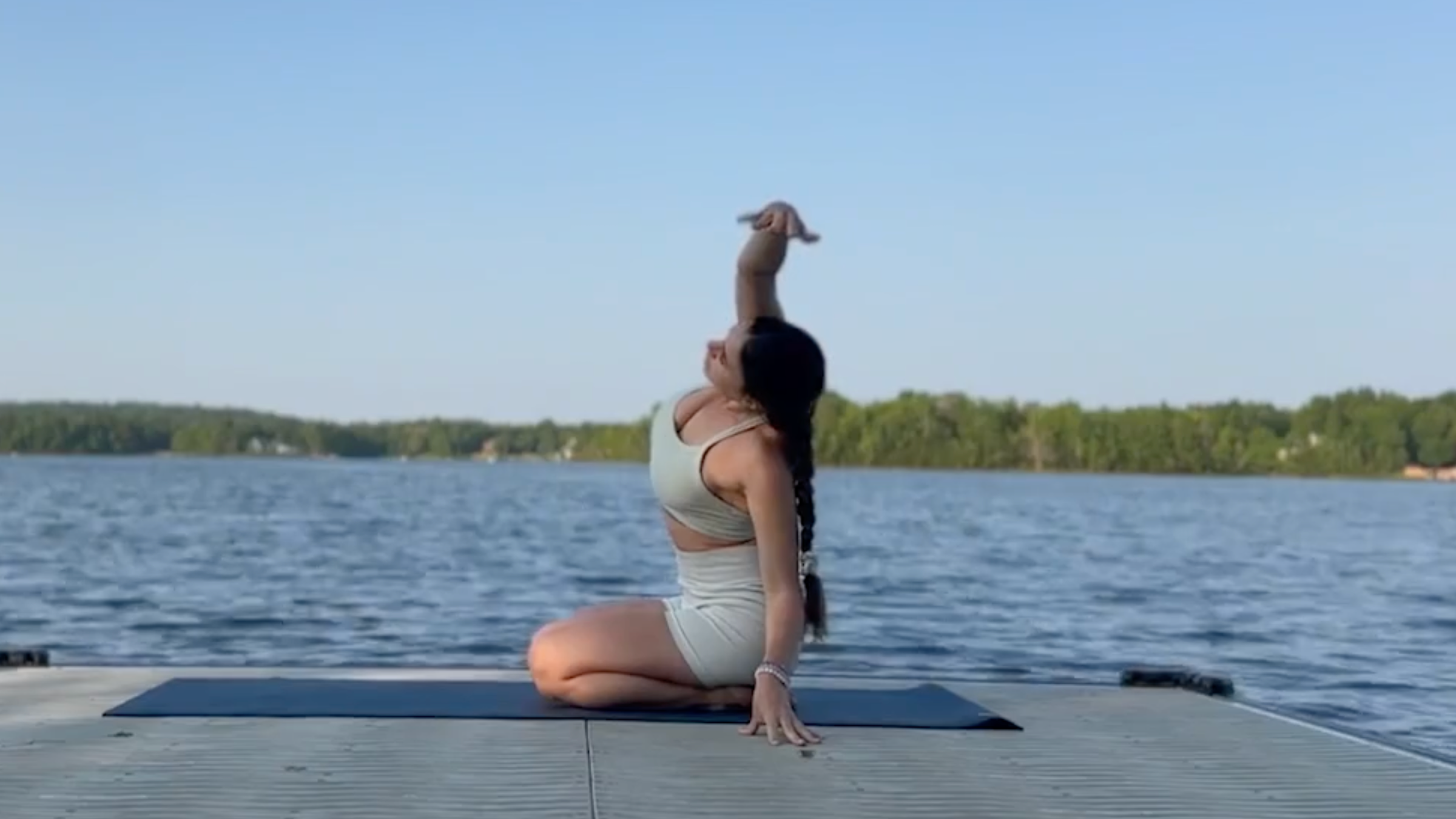
A Chronological Flow: The Practice
To derive the maximum benefit from this sequence, one should move with the rhythm of their own respiration. The following chronology outlines the progression designed by Baltzer:
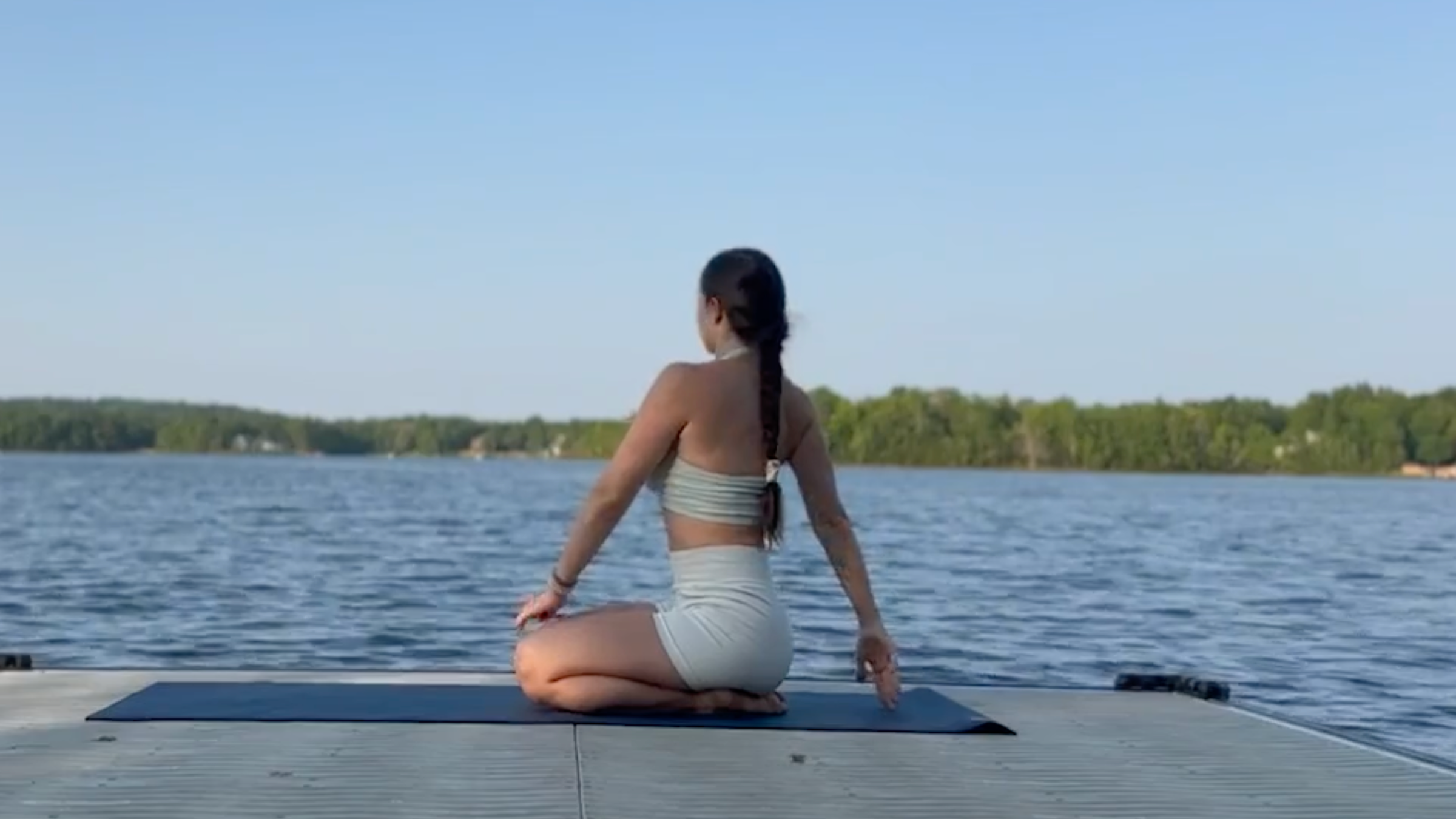
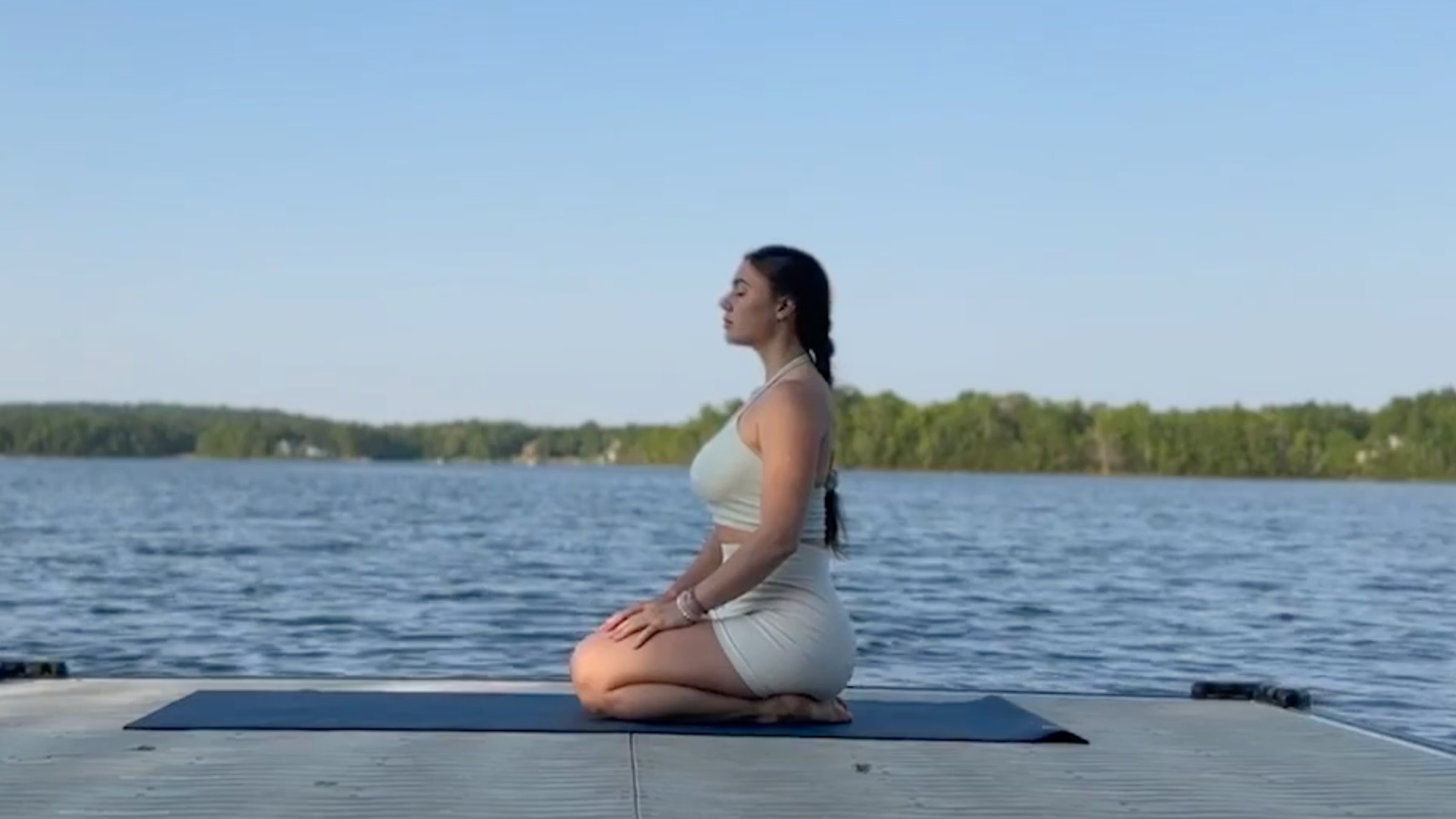
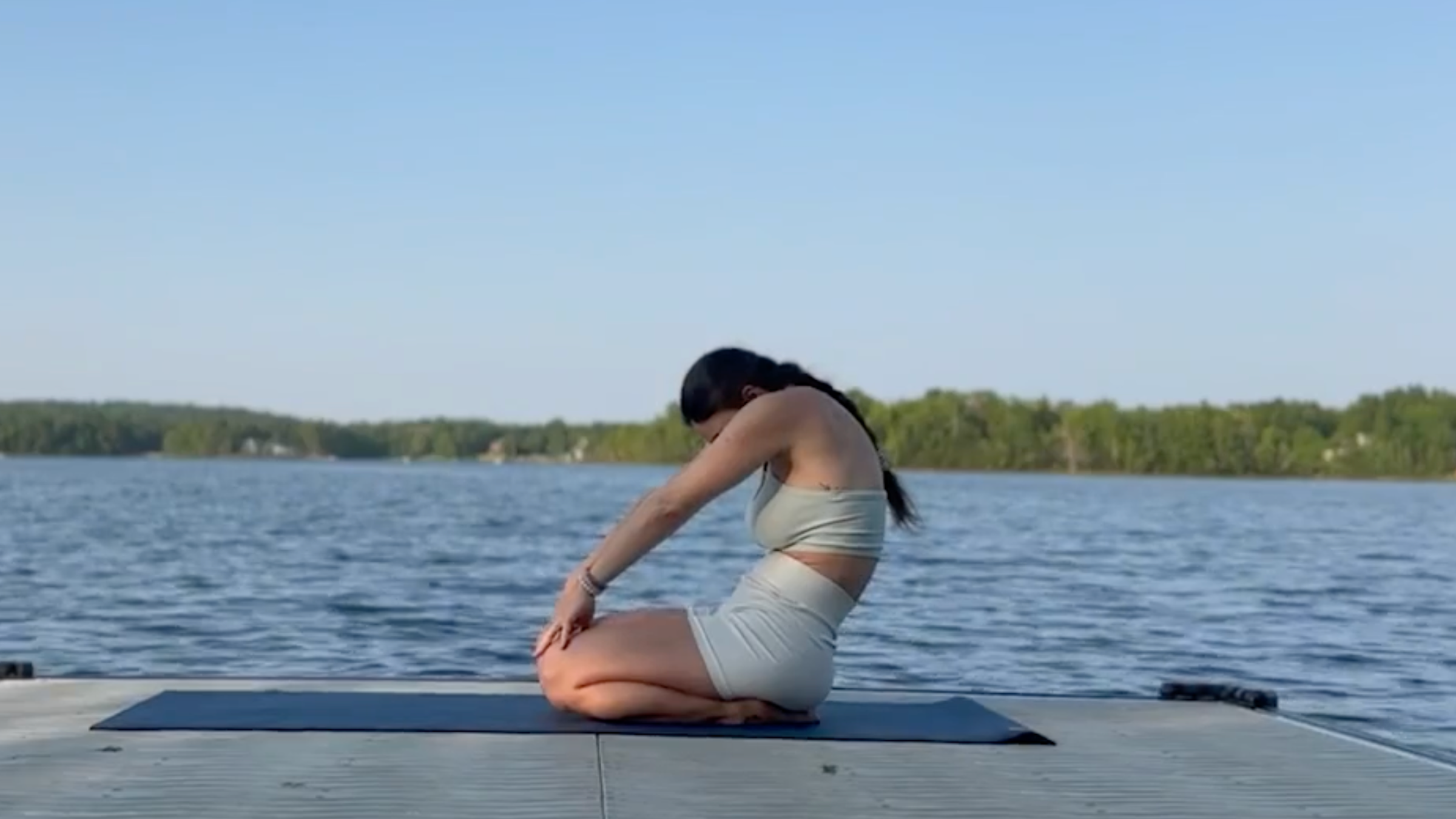
1. Establishing Presence (Thunderbolt Pose)
The practice begins in stillness. Whether you choose the cross-legged Sukhasana (Easy Pose) or the kneeling Vajrasana (Thunderbolt Pose), the initial goal is to ground the energy. By taking three full, deep breaths, you create a baseline for the internal state of the body, shifting focus from the external world to the internal environment.
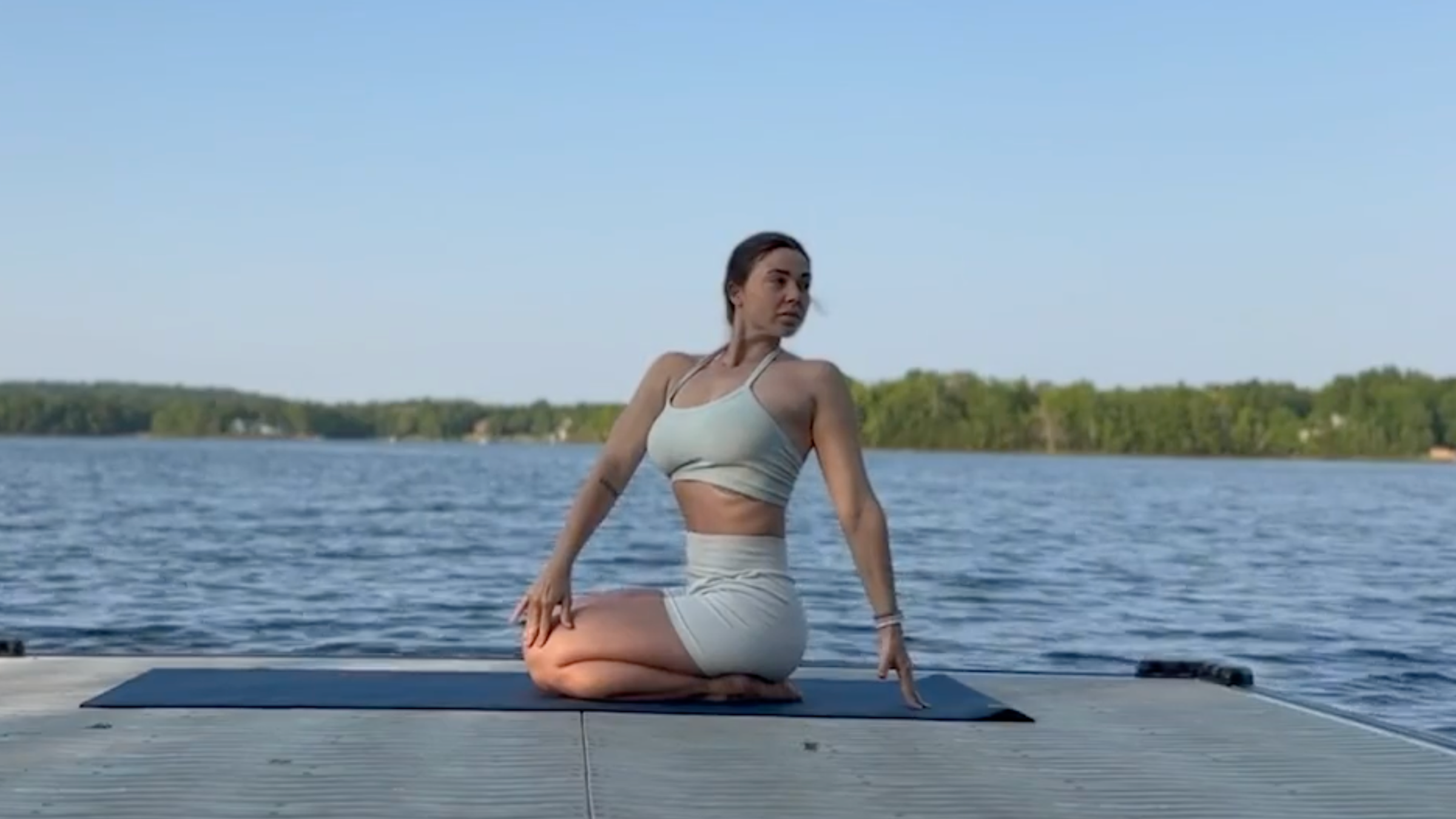
2. Mobilizing the Spine: Side Bends and Twists
With the foundation set, movement begins with the spine. The Seated Side Bend stretches the intercostal muscles, allowing for deeper, more efficient breathing. Following this, the Seated Twist aids in the mobilization of the thoracic spine, which often becomes rigid due to prolonged sitting. These movements are essential for "wringing out" tension accumulated during the workday.
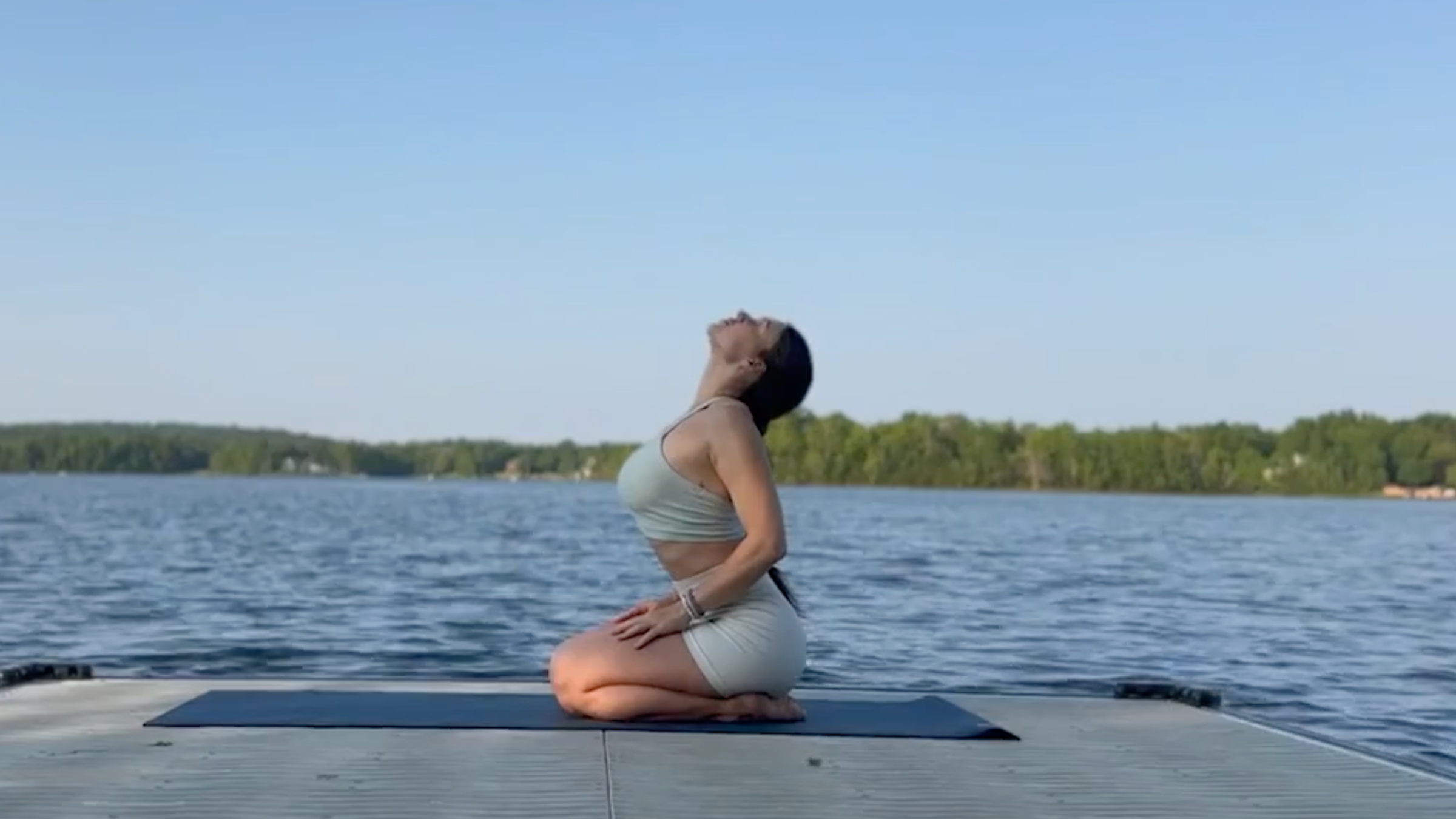
3. The Fluidity of Cat-Cow
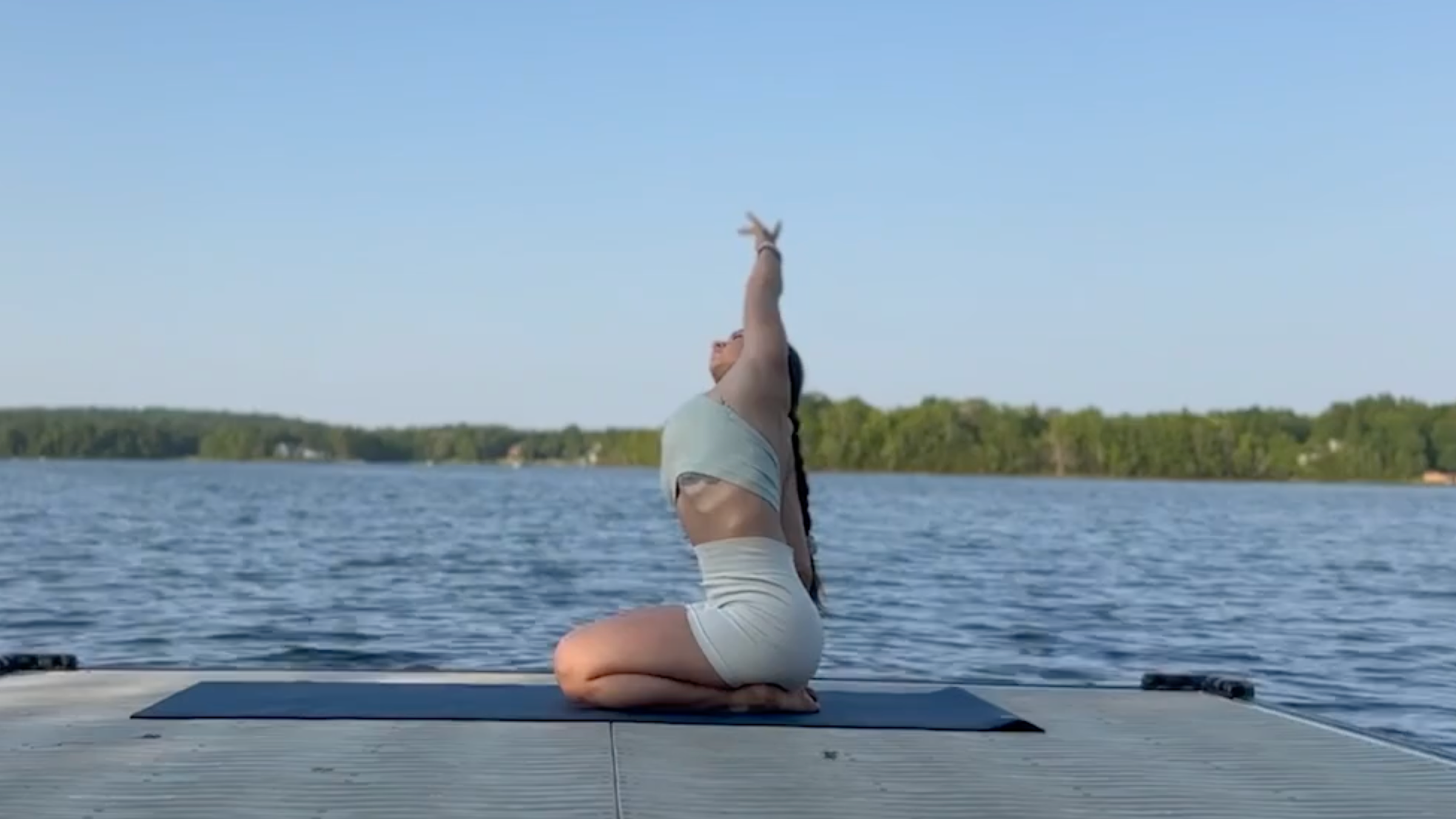
Baltzer emphasizes the Seated Cat-Cow flow as the bridge between static stretching and active engagement. By arching the back on the inhalation and rounding on the exhalation, the practitioner invites spinal lubrication and prepares the body for more intense postures. This sequence, repeated five times, acts as a rhythmic meditation.
4. Transitioning to Active Engagement
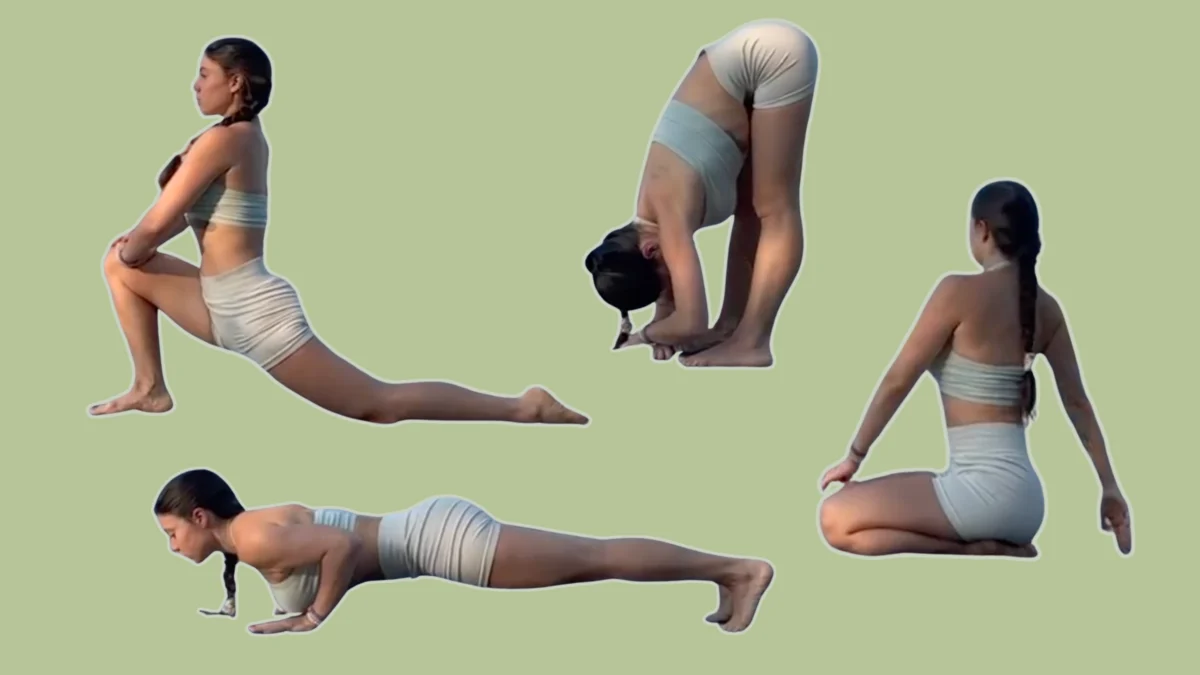
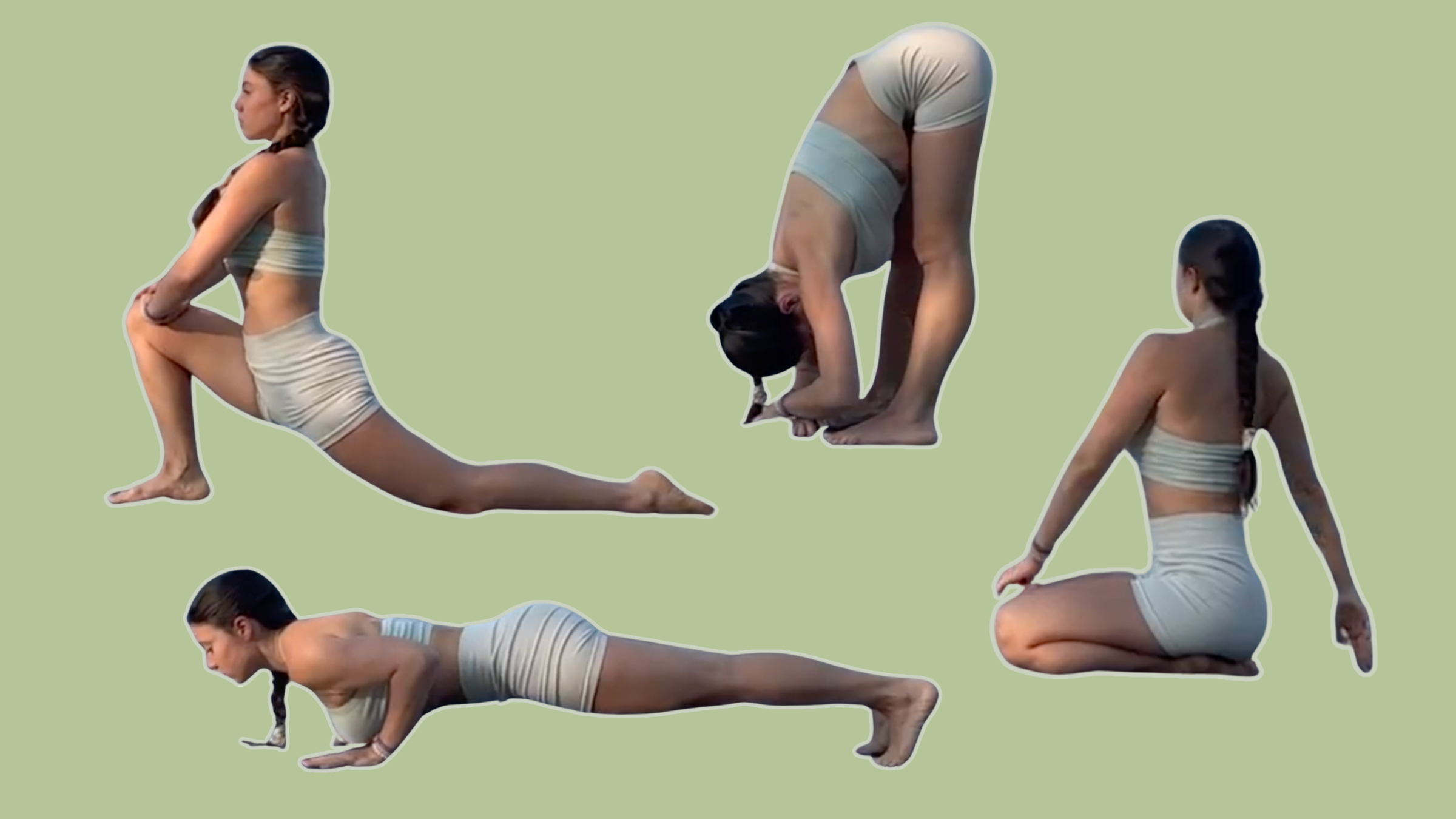
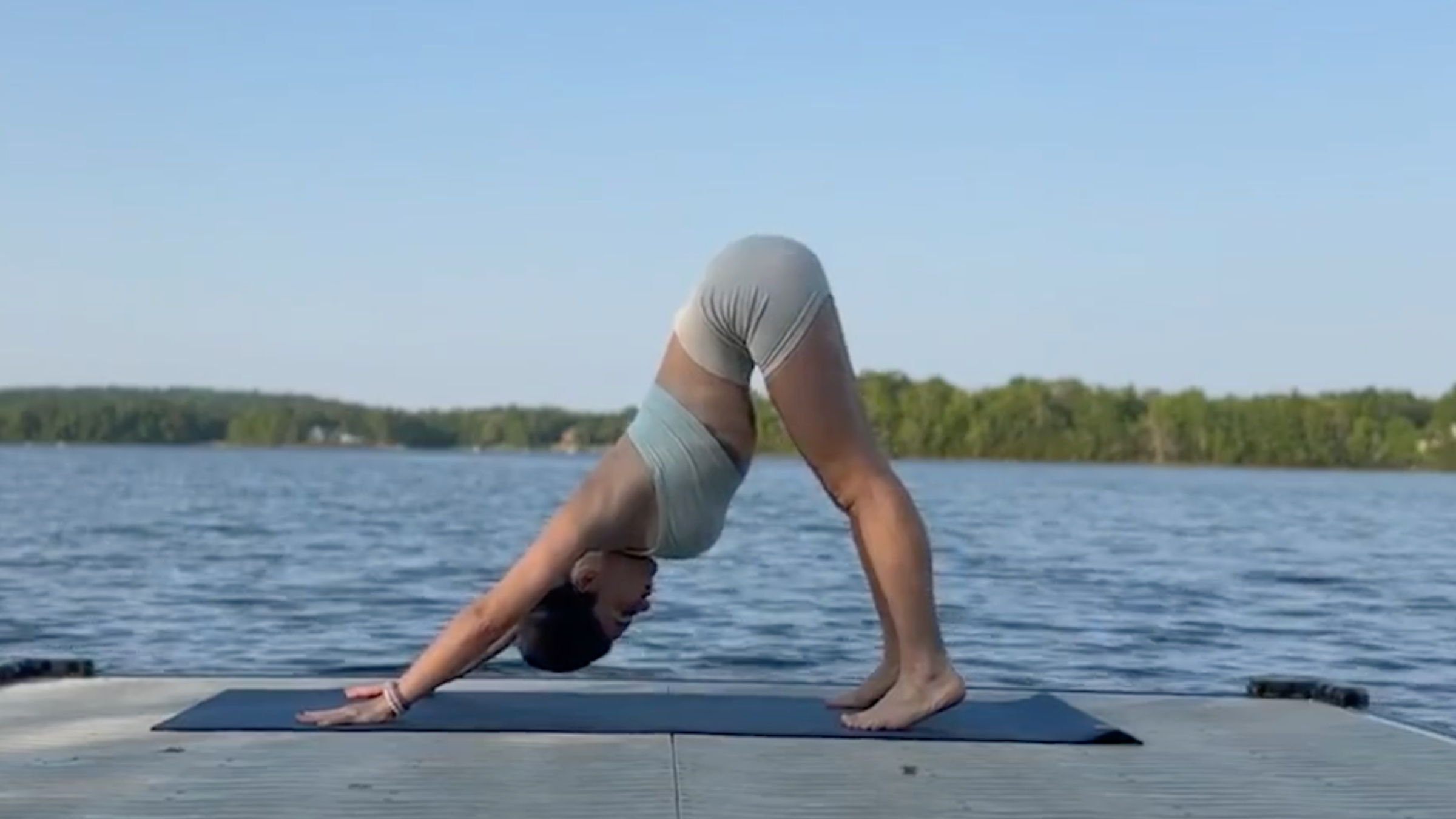
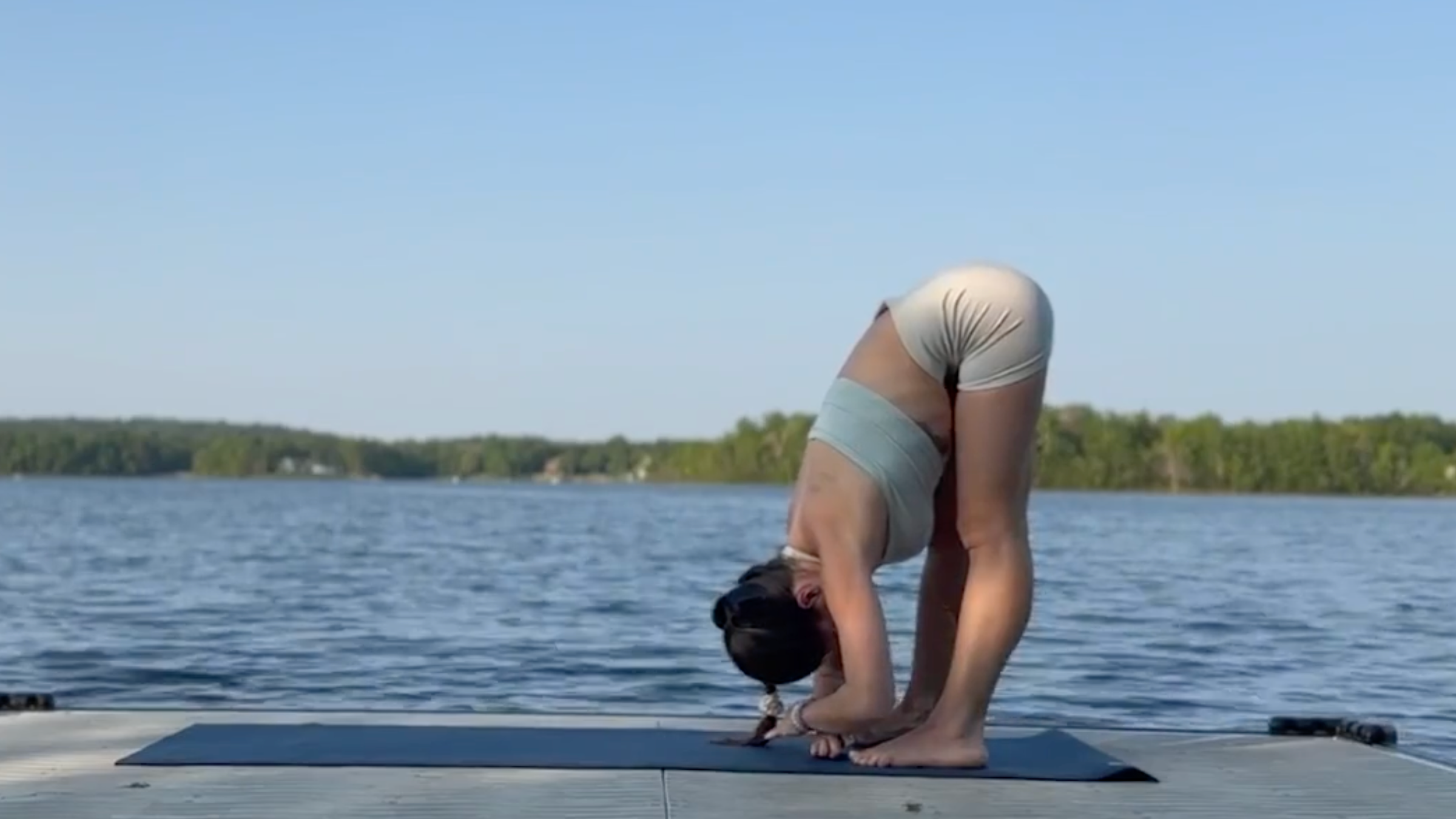
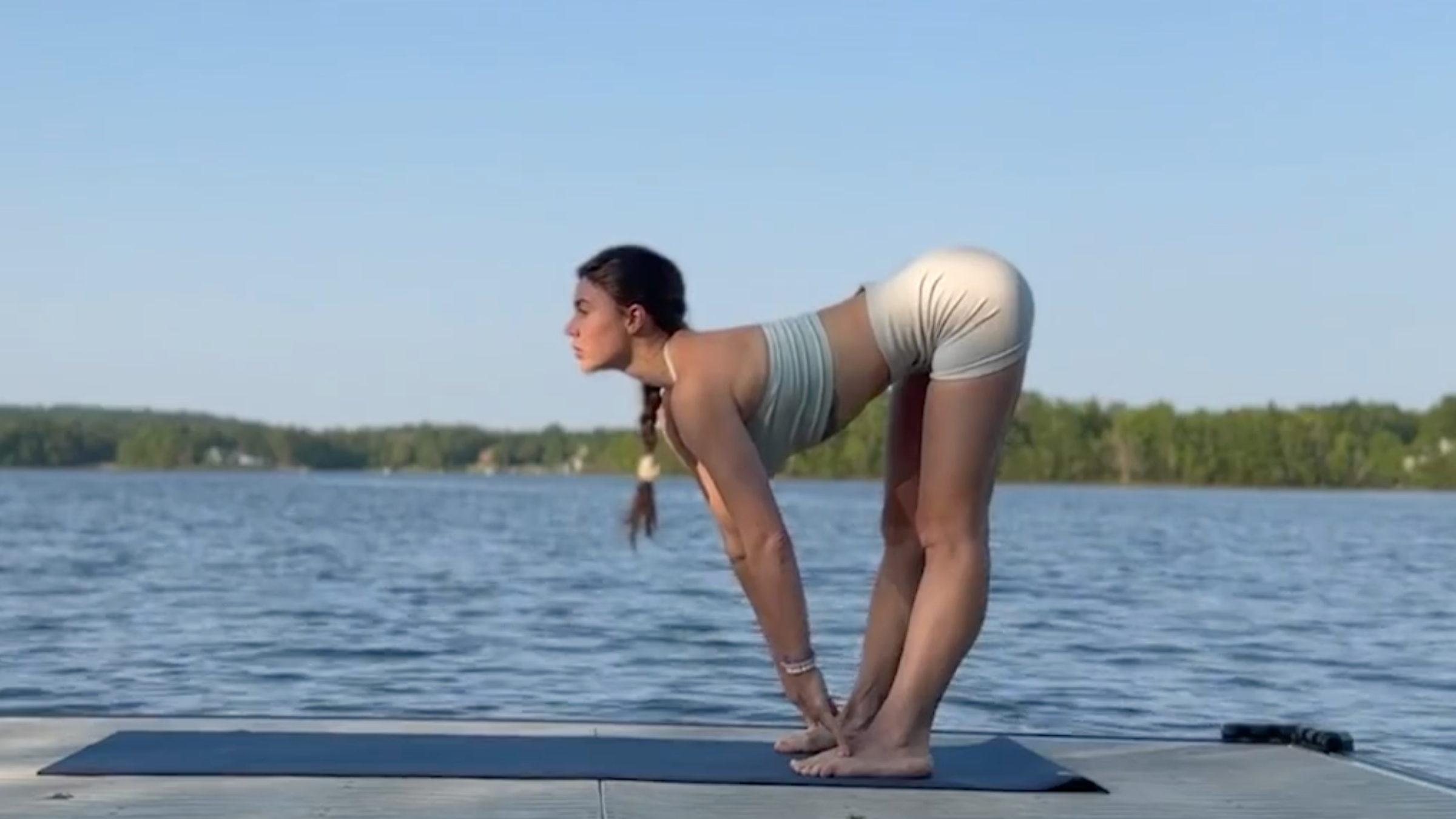
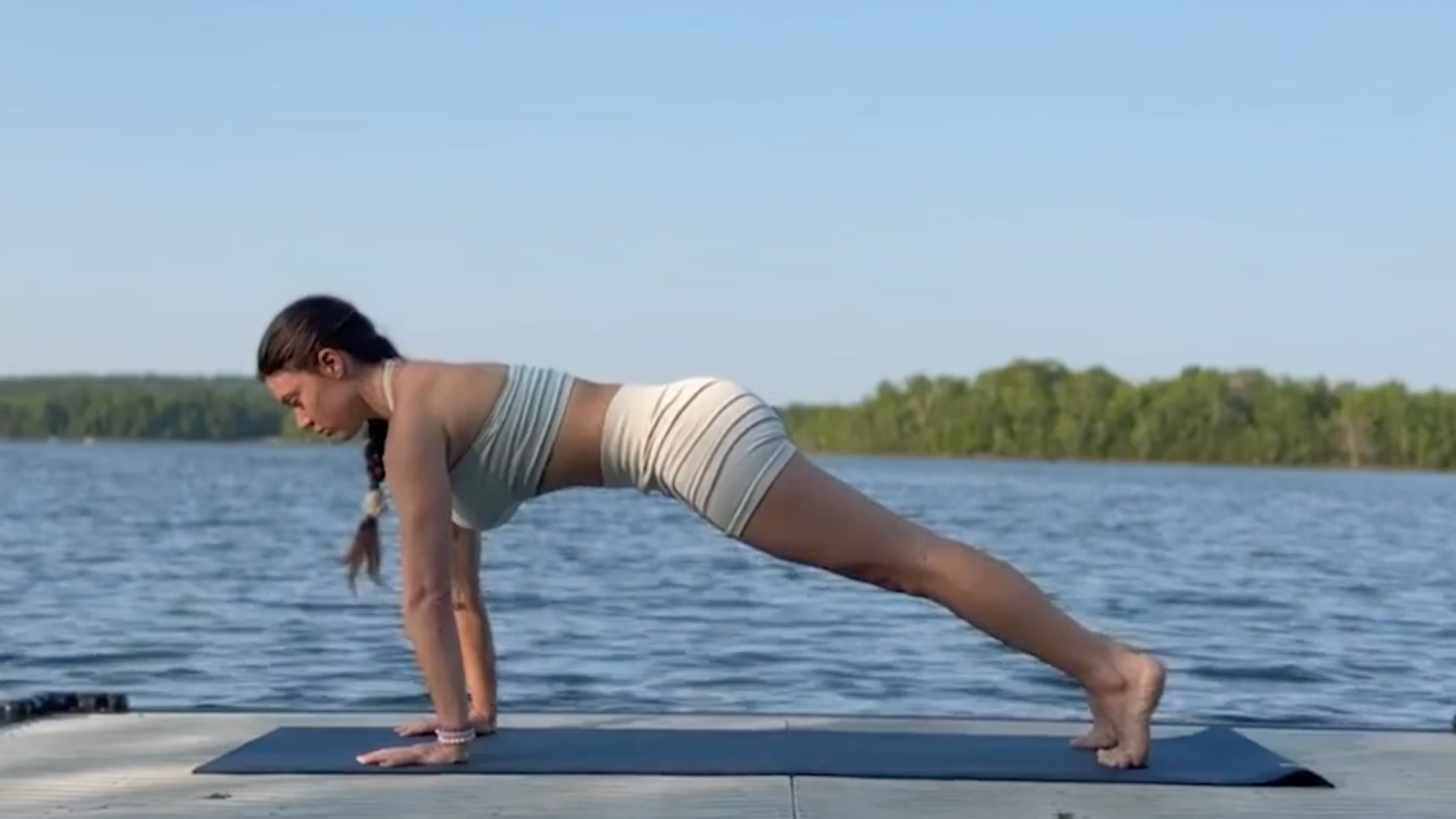
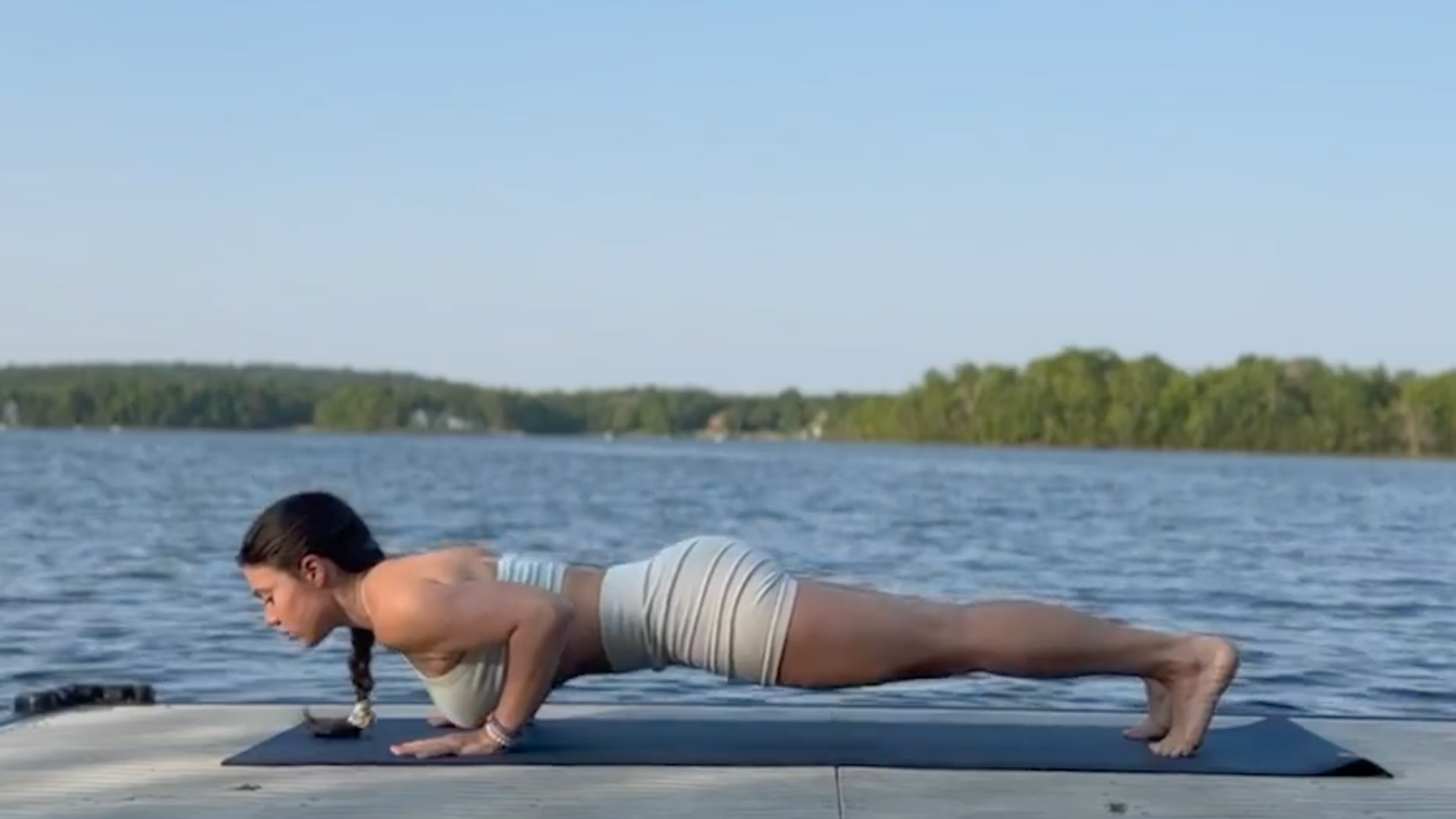
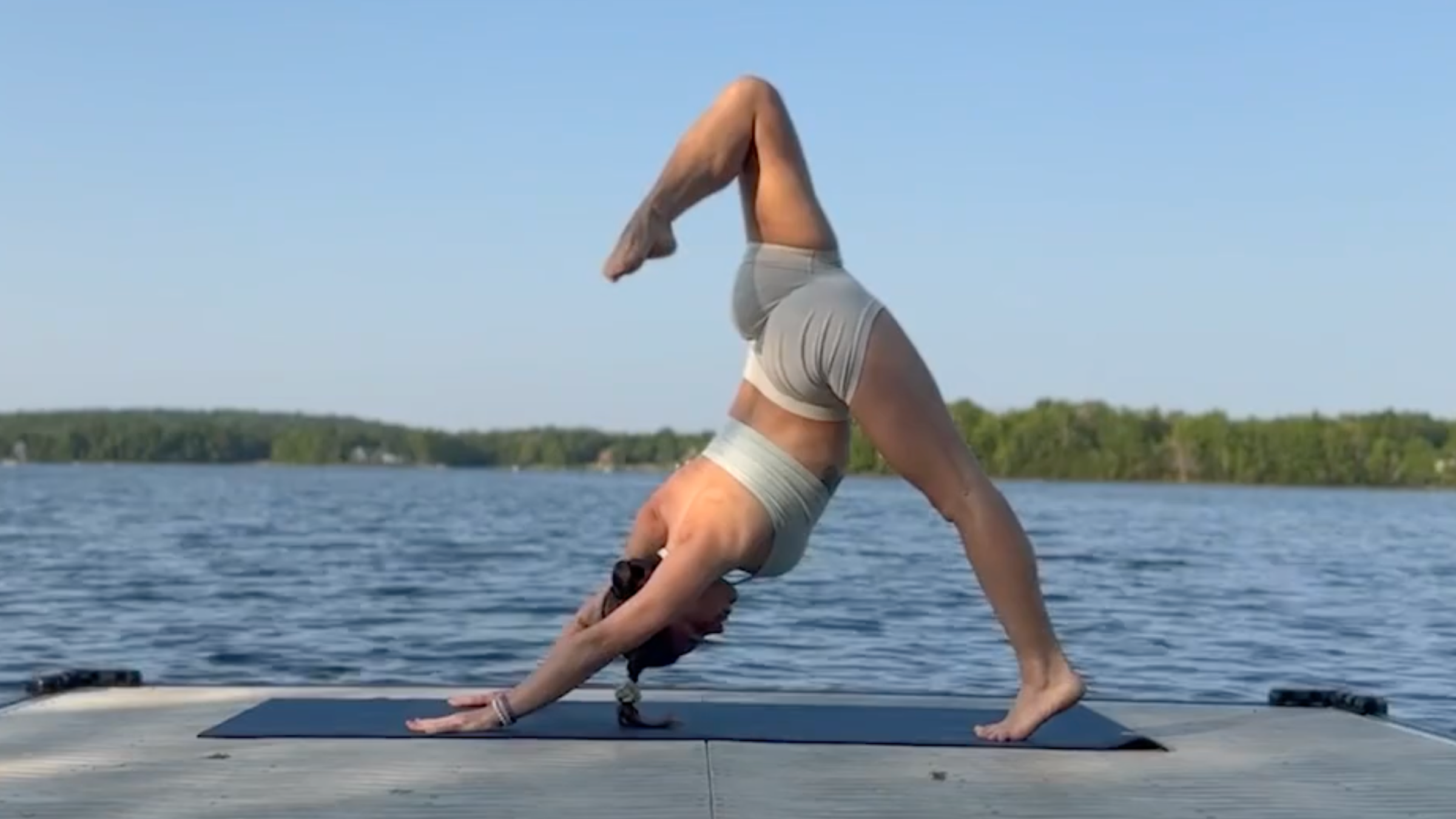
The sequence moves from the floor to the mat with Downward-Facing Dog. This foundational inversion promotes blood flow to the brain and provides an extensive stretch for the posterior chain. Following this, the Standing Forward Bend and Halfway Lift encourage the release of the hamstrings and lower back, while the Plank Pose and Chaturanga introduce a necessary element of heat and strength, ensuring the body is not just stretched, but supported.
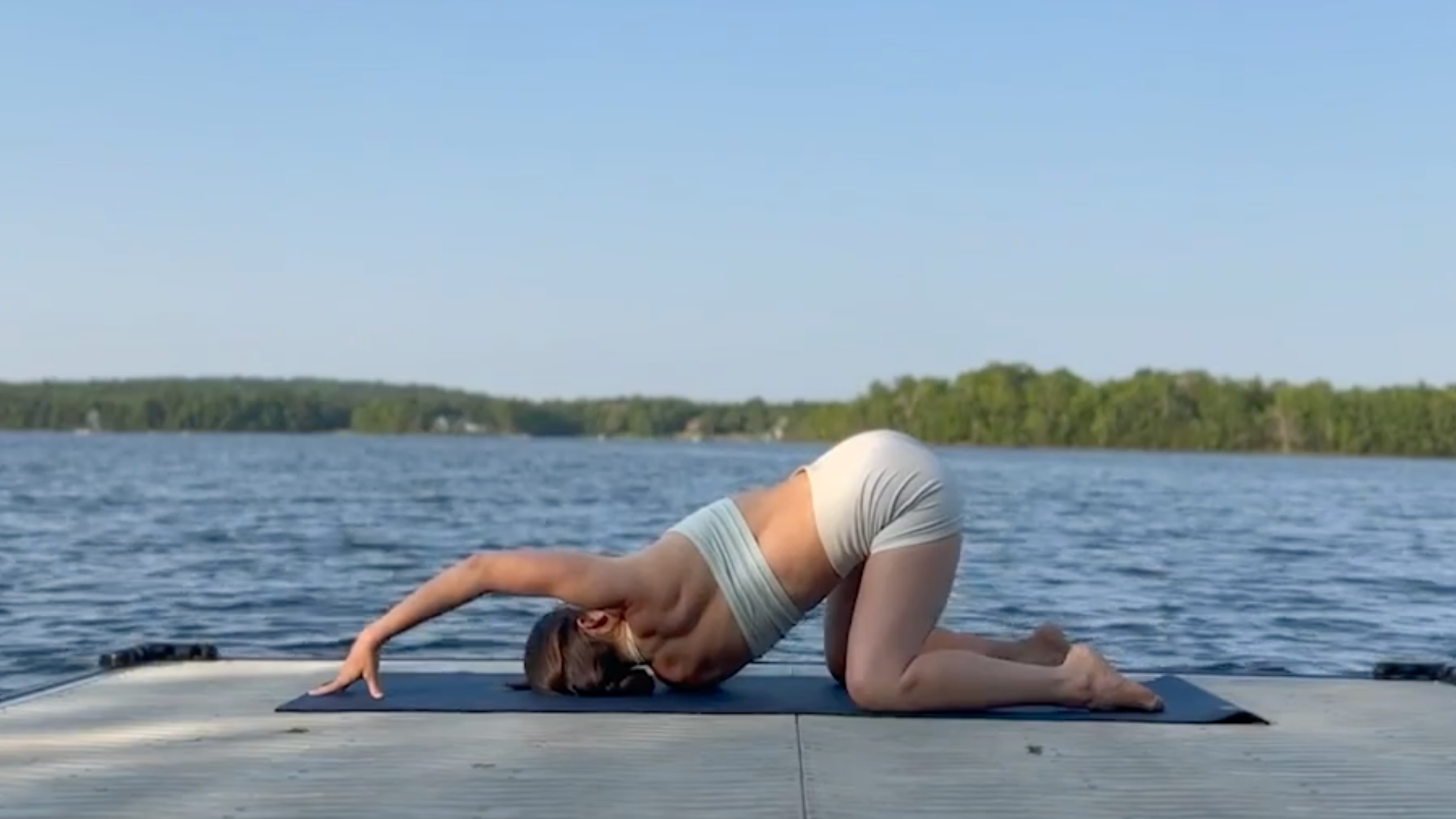
5. Deep Opening: Cobra, Thread the Needle, and Low Lunge
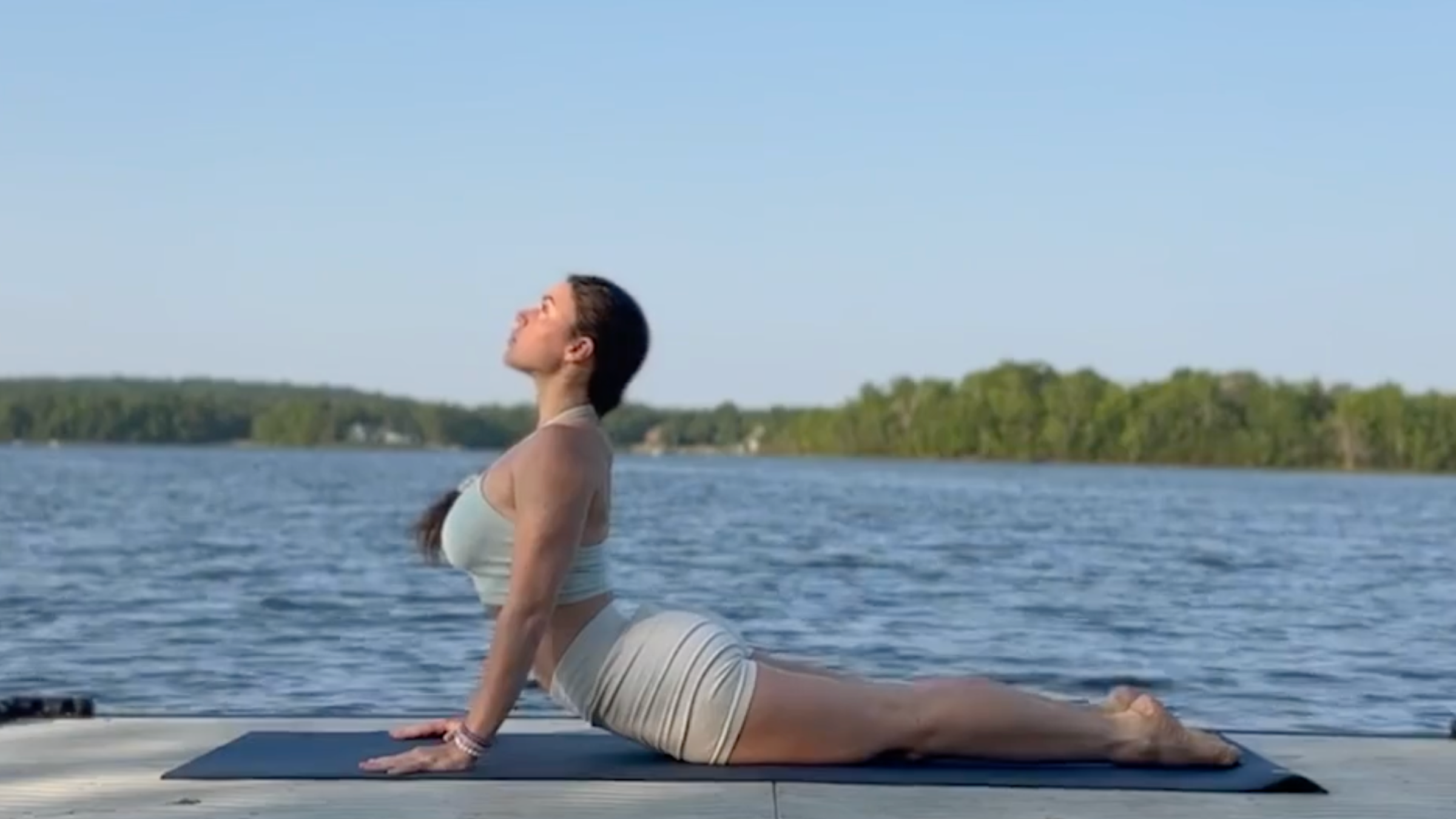
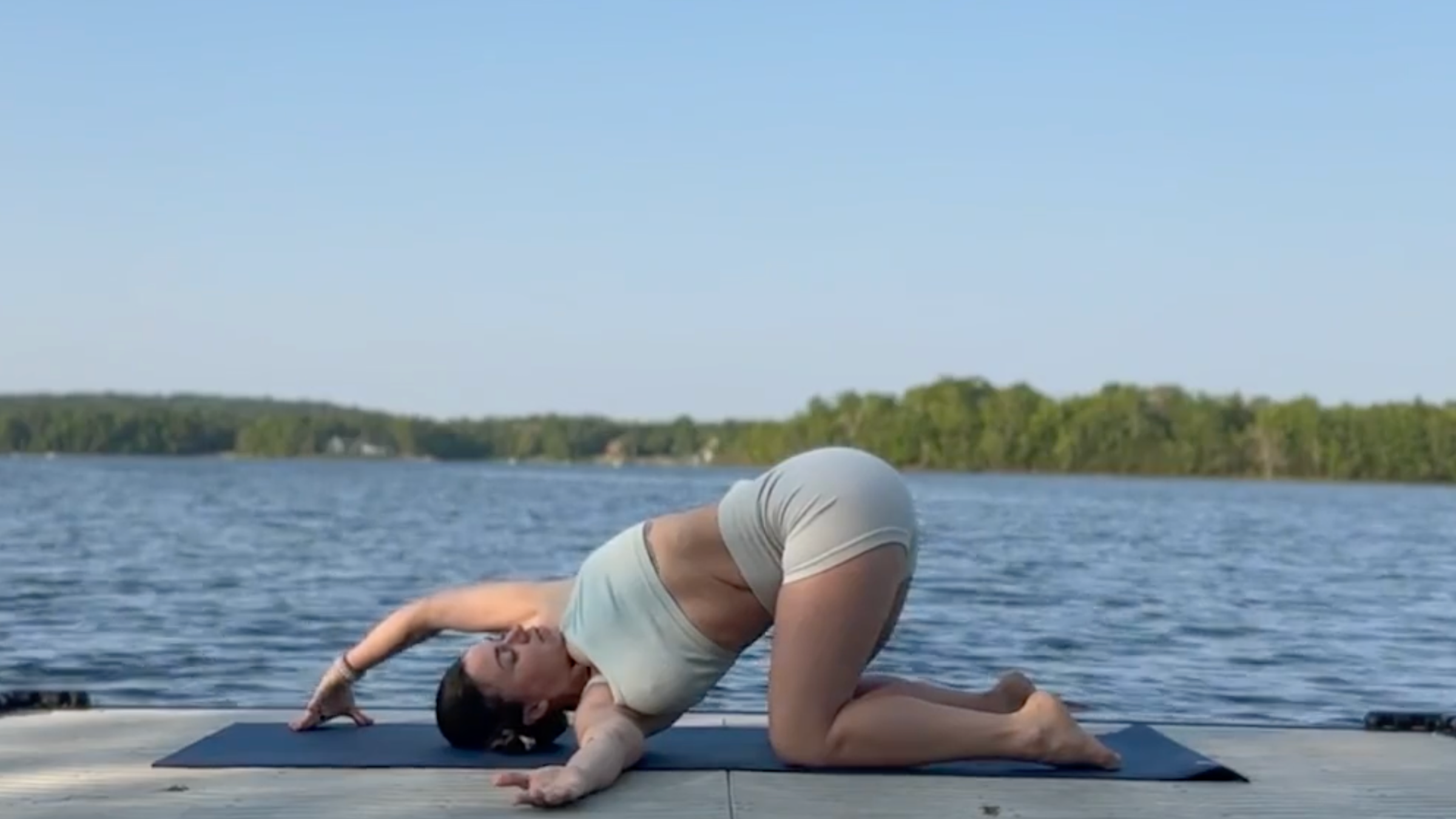
The latter half of the practice targets common "trouble zones." Cobra Pose opens the heart and strengthens the spinal extensors, while Thread the Needle provides targeted relief for the shoulders and upper back. The sequence culminates in a series of Low Lunges and Half Splits, which are critical for anyone suffering from hip-flexor tightness—a common byproduct of modern office chairs. The integration of a backbend in the Low Lunge adds a dynamic, restorative element.
Supporting Data: Why Consistency Matters
While 10 minutes may seem brief, the cumulative effect of daily practice is significant. Clinical observation in yoga therapy suggests that the "Micro-Practice" model—short, frequent sessions—is often more effective for habit formation than sporadic, hour-long classes.
- Flexibility Gains: Consistent, short-duration stretching increases collagen fiber mobility in the connective tissues.
- Neural Regulation: By focusing on the breath (pranayama), the practitioner shifts from the sympathetic nervous system to the parasympathetic, reducing heart rate variability and blood pressure.
- Muscular Maintenance: The inclusion of Chaturanga and Plank provides just enough muscular engagement to prevent muscle atrophy, which can occur in sedentary roles.
Official Perspectives on Mindful Movement
"The body keeps the score," says Baltzer, reflecting on the necessity of these movements. "When we are stressed, we tend to shallow-breathe and hunch. This practice is a deliberate act of undoing that pattern."
Professional physical therapists often endorse such flows because they avoid the extreme, potentially injurious ranges of motion found in more aggressive styles of yoga. By keeping the movements within a comfortable, controlled range, the risk of injury is minimized while the benefits of circulation and lymphatic drainage are maximized. The "full-body stretch" philosophy is built on the idea that the body acts as a kinetic chain; you cannot isolate a tight hip from a tight shoulder. By treating the body as a holistic system, the practitioner achieves a comprehensive release that isolated stretches cannot replicate.
Implications for Modern Lifestyle
The implications of adopting a 10-minute daily yoga habit extend far beyond the mat. In the corporate environment, where burnout rates are at an all-time high, such practices serve as a vital "reset button."
Mental Clarity and Focus
The mental clarity afforded by 10 minutes of movement is often cited by high-performers as their most valuable tool. By aligning the "inner and outer worlds," the practitioner enters their next task with a renewed sense of focus. The act of returning to the breath, as practiced in the closing phase of this sequence, trains the brain to remain present under pressure.
Preventing Chronic Pain
The prevalence of chronic back and neck pain is directly correlated with poor posture. Through the consistent practice of spinal extensions and rotations, individuals can mitigate the long-term damage caused by "tech-neck" and pelvic floor dysfunction. This isn’t just about feeling good today; it is about ensuring the long-term structural integrity of the body as we age.
Closing the Loop
The practice ends as it began: in a comfortable seat, integrating the energy cultivated. This "closing" is perhaps the most important part of the 10 minutes. It allows the body to register the changes that have occurred and provides a moment of gratitude. By thanking oneself for the time dedicated to self-care, the practitioner reinforces a positive feedback loop, making it more likely that they will return to the mat the following day.
In conclusion, Emily Baltzer’s 10-minute yoga sequence is a masterclass in efficiency. It recognizes that in a busy world, the most successful wellness strategies are those that are sustainable. By integrating these specific, targeted movements into your daily routine, you are not just performing a series of stretches—you are recalibrating your body and mind for the challenges of the day ahead. Whether you are a seasoned yogi or a complete beginner, this practice offers a path to physical liberation that is as accessible as it is profound.