









Published May 21, 2026
After a demanding day—characterized by endless notifications, high-pressure deadlines, and the mental fatigue of modern existence—the instinctual response is often one of surrender. We retreat to our living spaces, don our most comfortable loungewear, and collapse onto the sofa. For many, the hours between sunset and sleep are spent in a state of passive consumption, scrolling through digital feeds or binge-watching television. While this form of "unwinding" feels necessary, research increasingly suggests that it may be failing to address the underlying physiological stress accumulated throughout the day.
Movement, while often the last thing a tired mind craves, offers a more potent remedy. A deliberate evening yoga practice serves as a vital bridge between the intensity of the workday and the restorative sanctuary of sleep. By engaging in a mindful, 30-minute flow, practitioners can actively transition their nervous system from a state of "fight or flight" to "rest and digest," shaking off the residual kinetic energy of the day and preparing the body for genuine, deep recovery.
The Science of the Evening Reset
The transition from a high-stimulation environment to a sleep-ready state requires more than just silence; it requires a physical recalibration. The human nervous system, when perpetually subjected to stressors, maintains elevated levels of cortisol and adrenaline long after the workday ends.
"Movement acts as a release valve," explains Dr. Elena Vance, a specialist in somatic recovery. "When we move intentionally, we are essentially ‘clearing the cache’ of the nervous system. By integrating breath with movement, we signal to the brain that the threat has passed and that it is safe to shift into the parasympathetic nervous system’s domain."
This 30-minute sequence is designed not to exhaust the body, but to facilitate this transition. It is an act of gratitude—a way to acknowledge the day’s labor while consciously discarding the remnants of stress that no longer serve you.
The 30-Minute Flow: A Chronological Guide
This practice requires no props and no prior experience. The focus here is on support rather than performance. If a pose feels straining, adjust it. If you need to linger, do so. The goal is internal harmony, not aesthetic perfection.
Phase 1: Grounding and Centering (0–5 Minutes)
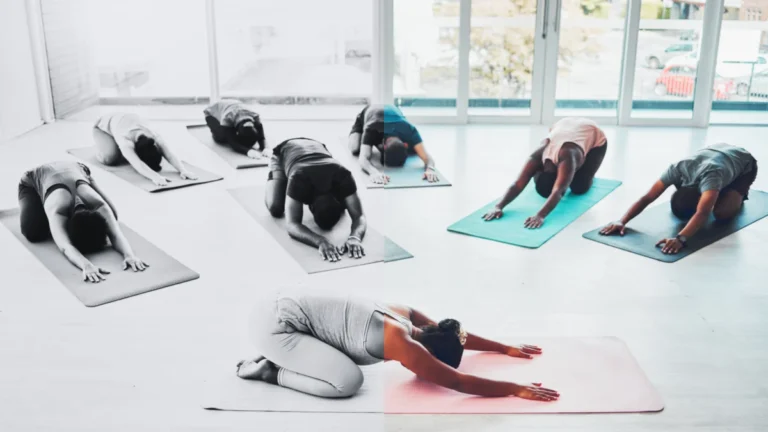
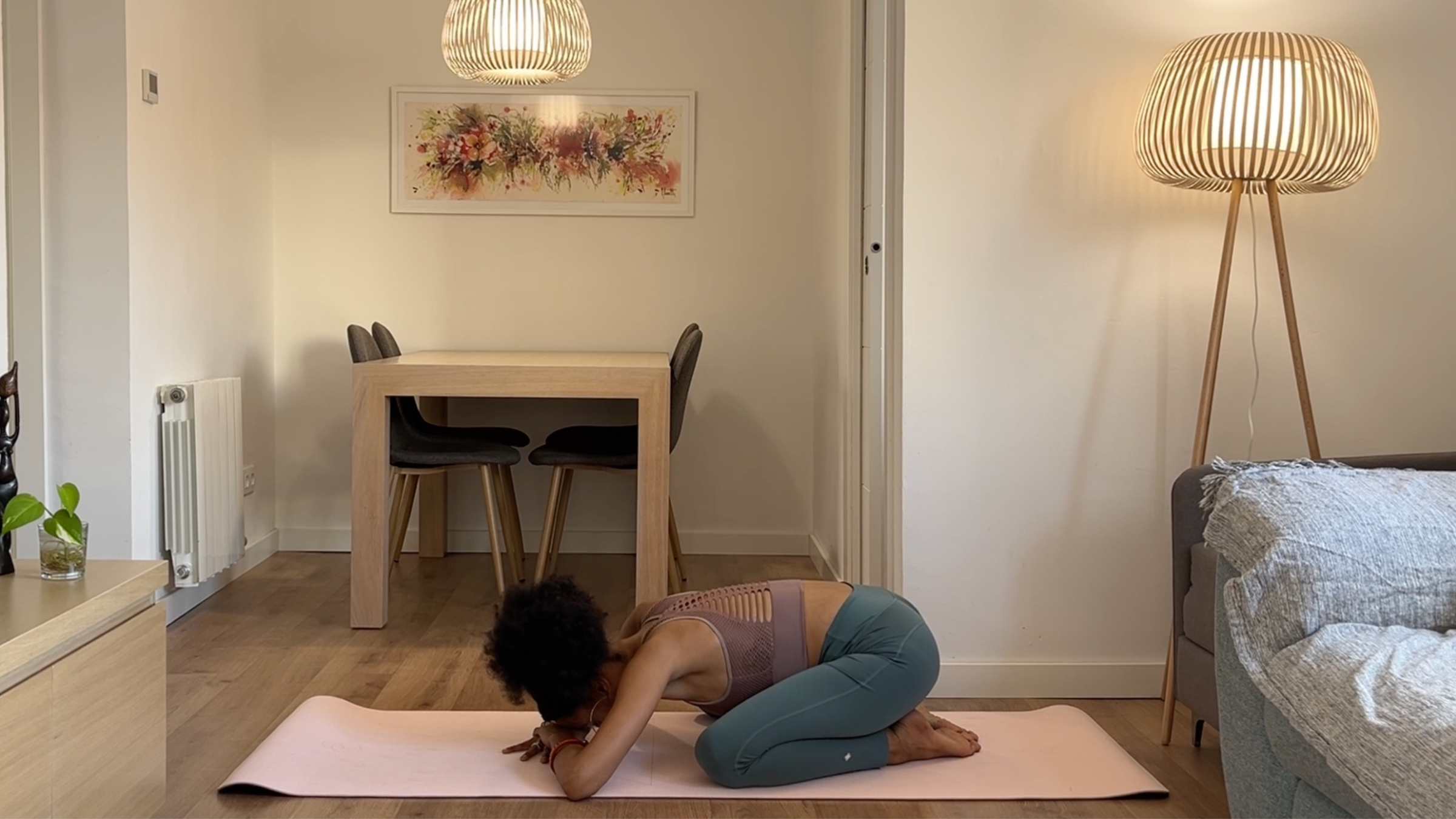
1. Child’s Pose (Balasana)
Begin on your hands and knees. Bring your big toes to touch, widen your knees, and melt your hips back toward your heels. Stack your hands in the center of the mat and rest your forehead upon them. In this position, the body is physically closed off from the world, fostering a sense of safety and introspection. Notice the rhythm of your breath as it fills the back of your lungs.
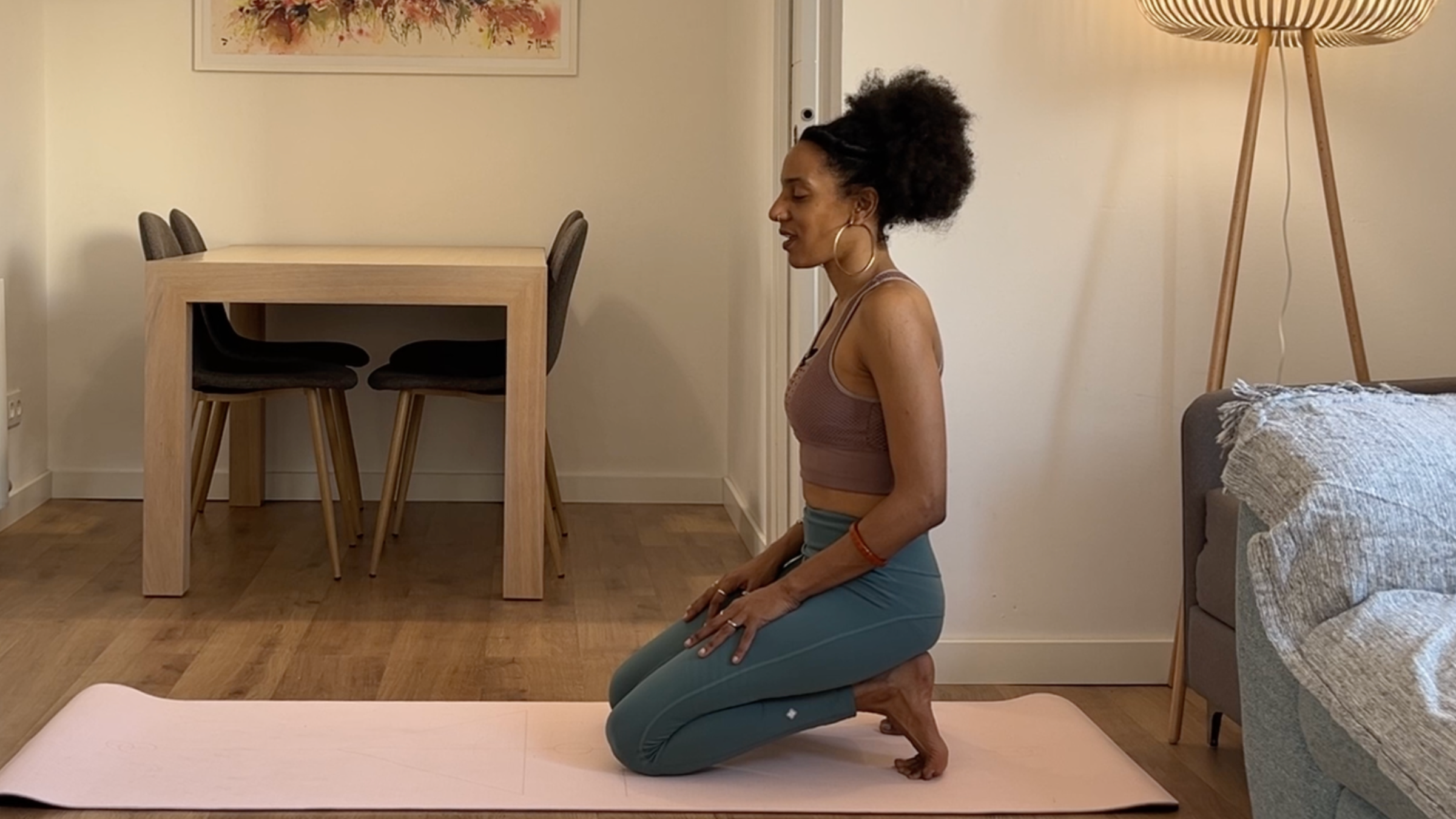
2. Cat-Cow (Marjaryasana-Bitilasana)
Return to a tabletop position. With every inhale, lift your chest and gaze, arching your back in Cow Pose. With every exhale, press into your palms, rounding your spine and drawing your chin to your chest in Cat Pose. This movement lubricates the spine and begins the process of conscious synchronization of breath and body.
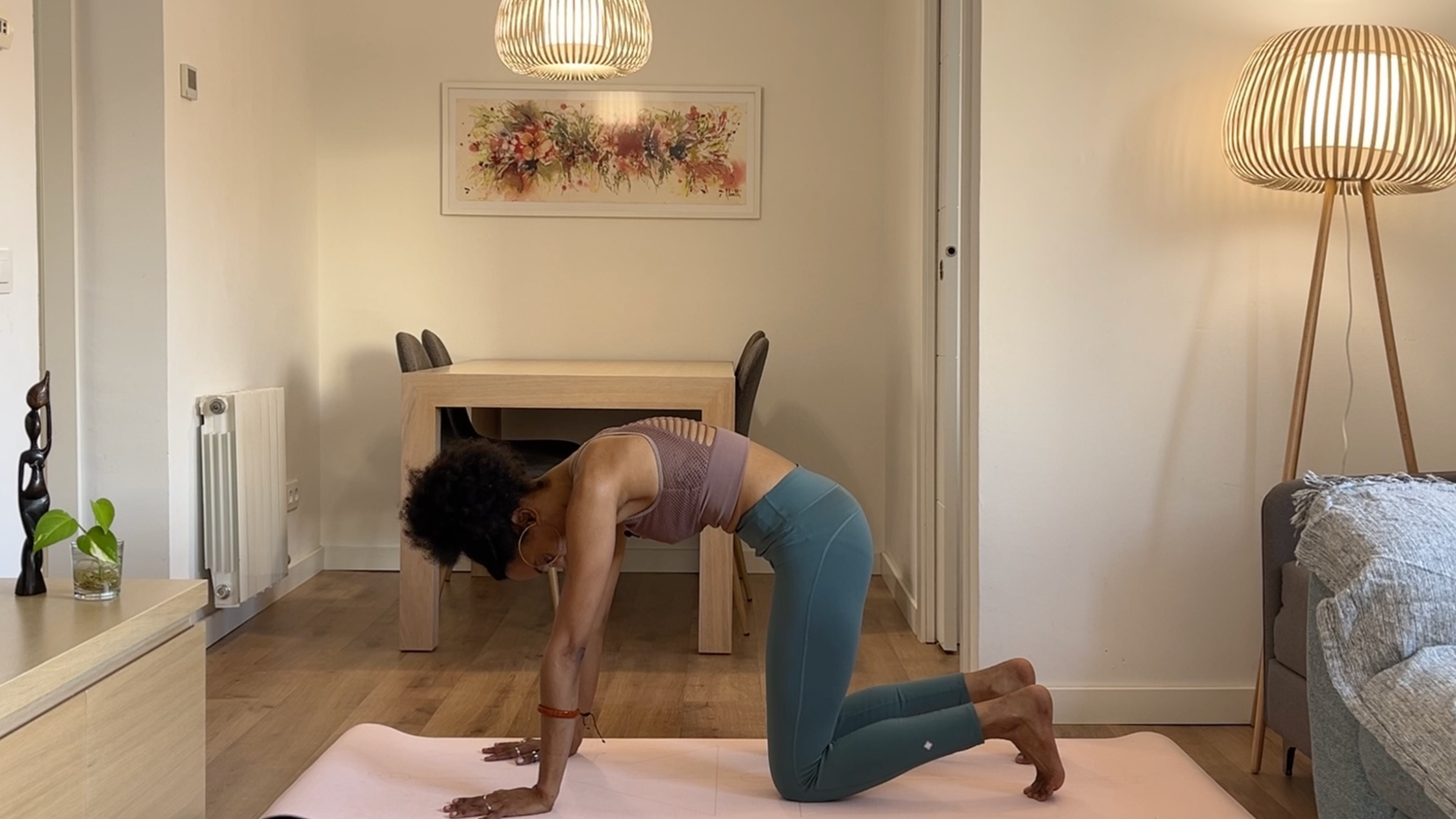
3. Toe Squat
From your hands and knees, tuck your toes under and shift your hips back toward your heels. This can be an intense sensation for the feet, but it serves as an excellent tool for grounding. If it feels too intense, keep your hands on the mat; if you feel stable, bring your torso upright and rest your hands on your thighs. Breathe through the discomfort, acknowledging it as a physical sensation rather than a threat.
Phase 2: Building Internal Heat (5–15 Minutes)
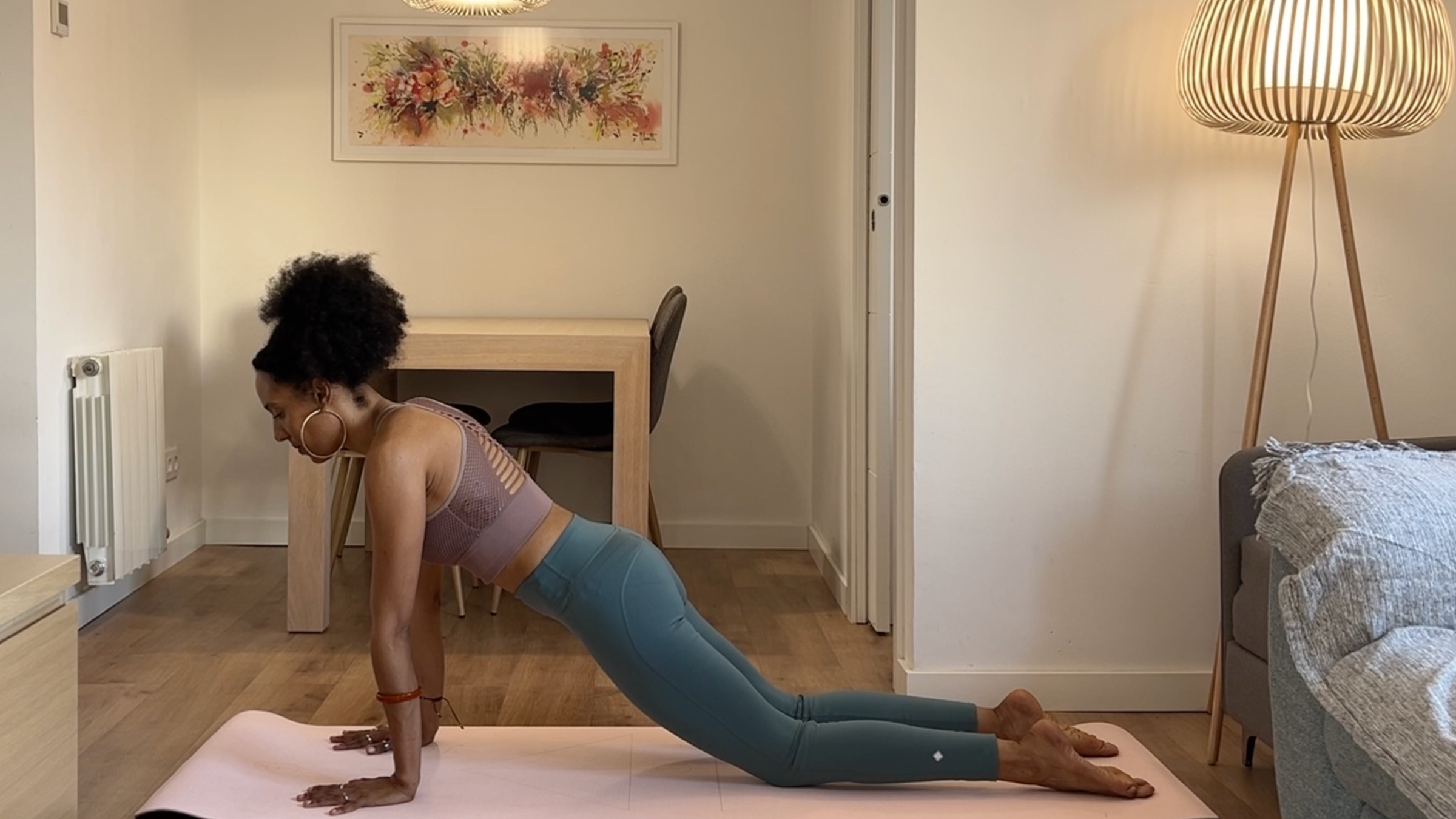
4. Chaturanga Variation
From your hands and knees, walk your palms forward and shift your weight ahead of your wrists. Exhale, bending your elbows to lower your chest toward the mat, keeping your knees down to protect the lower back. This builds mild strength without over-stimulating the heart rate.
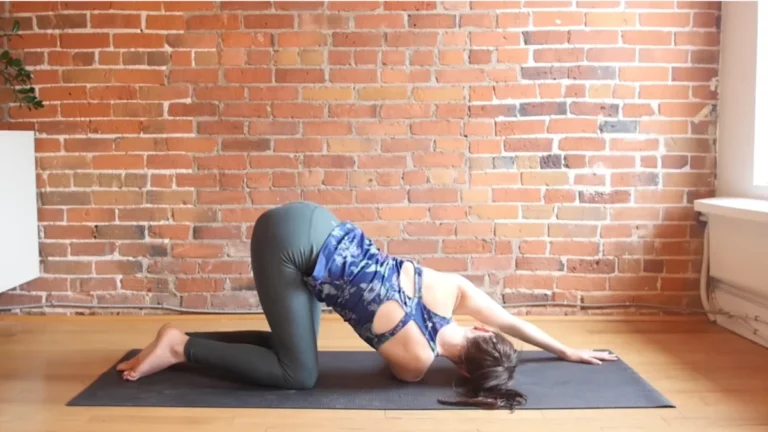
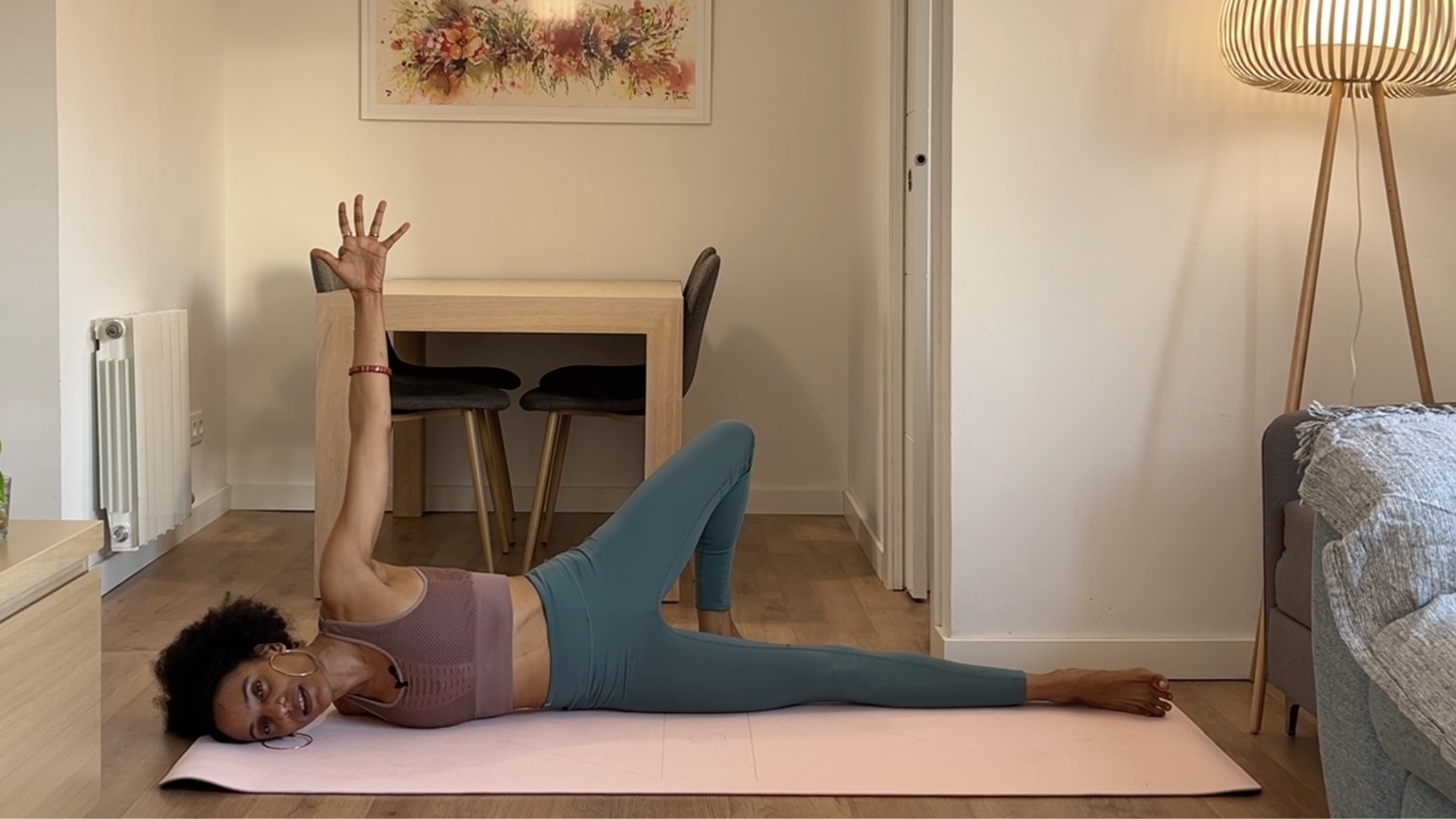
5. Broken Wing
On your belly, extend your right arm out to the side. Press your left hand into the mat and roll onto your right shoulder. Bend your left knee, placing your foot behind you for balance. This stretch targets the deep tissues of the chest and shoulder—areas where we frequently "hold" our stress. Repeat on the left side.
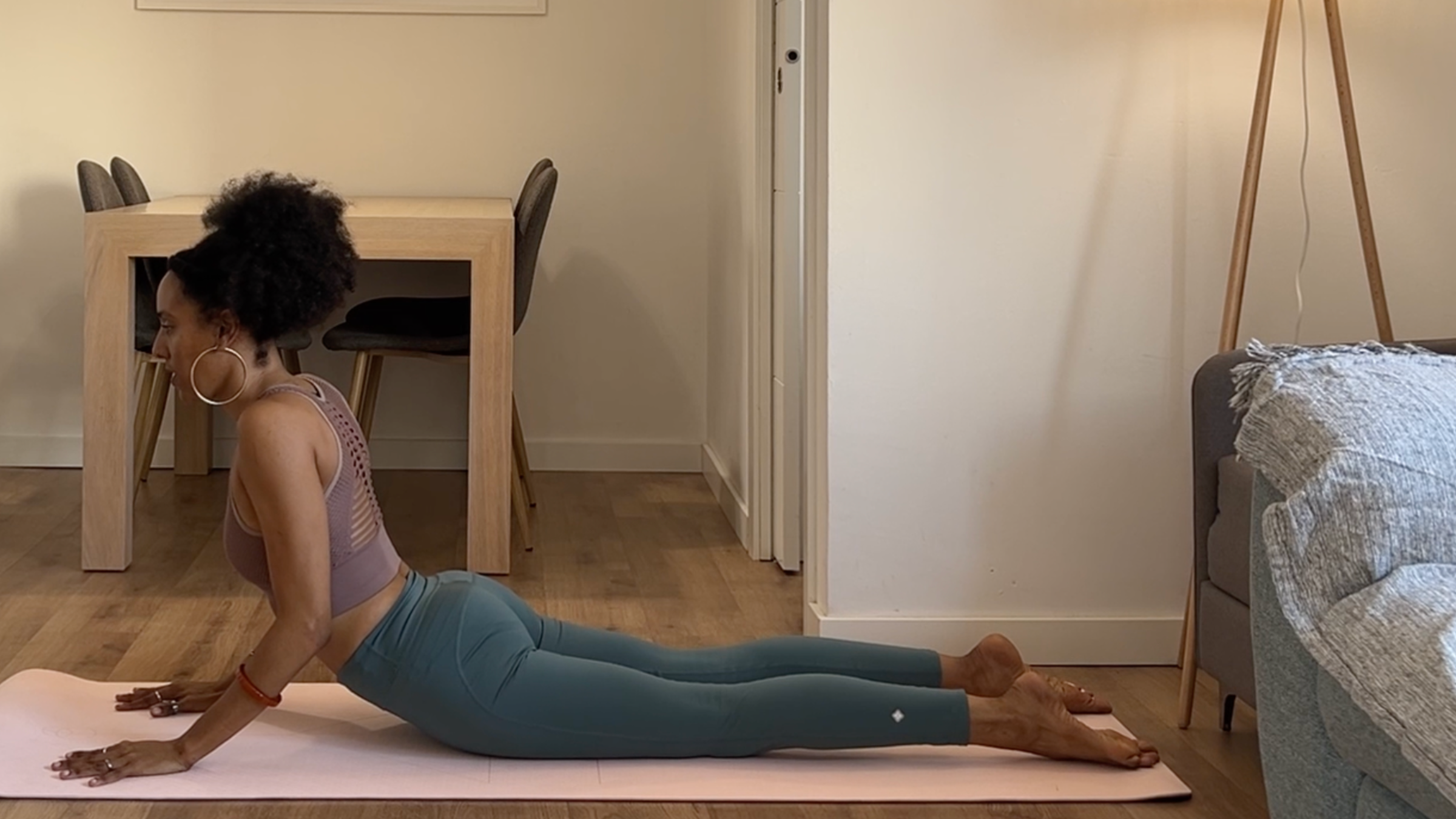
6. Cobra Pose (Bhujangasana)
Press your palms down, lifting your chest while keeping your hips grounded. This gentle backbend opens the heart space, acting as a physical counter-balance to the hunched posture we often adopt while working at desks.
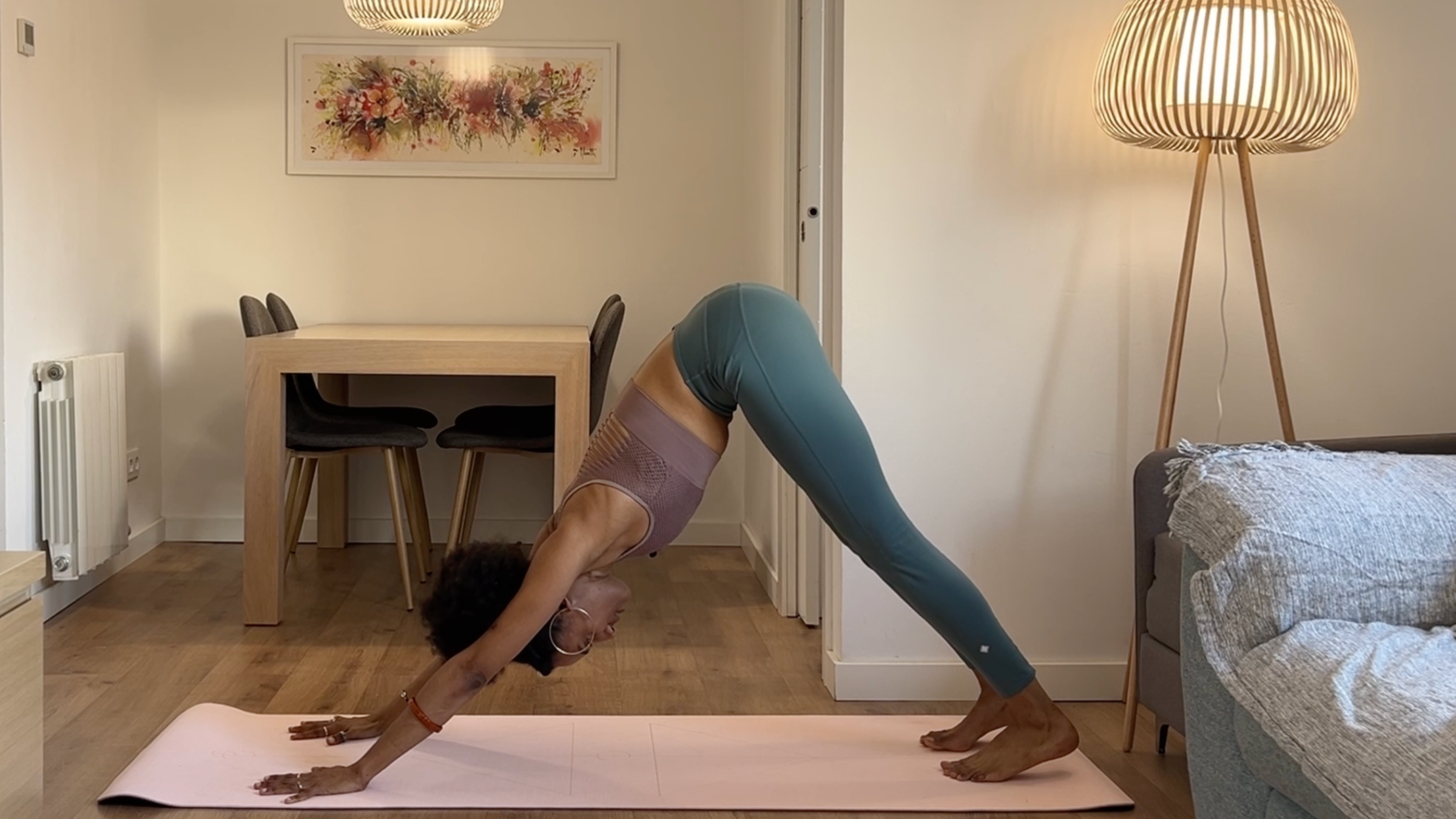
7. Downward-Facing Dog (Adho Mukha Svanasana)
Lift your hips to the sky, pedaling out your feet. Whether you stay in a static tabletop or move into the full inversion, use this moment to stretch the posterior chain—the calves, hamstrings, and lower back.
Phase 3: Strength and Balance (15–25 Minutes)
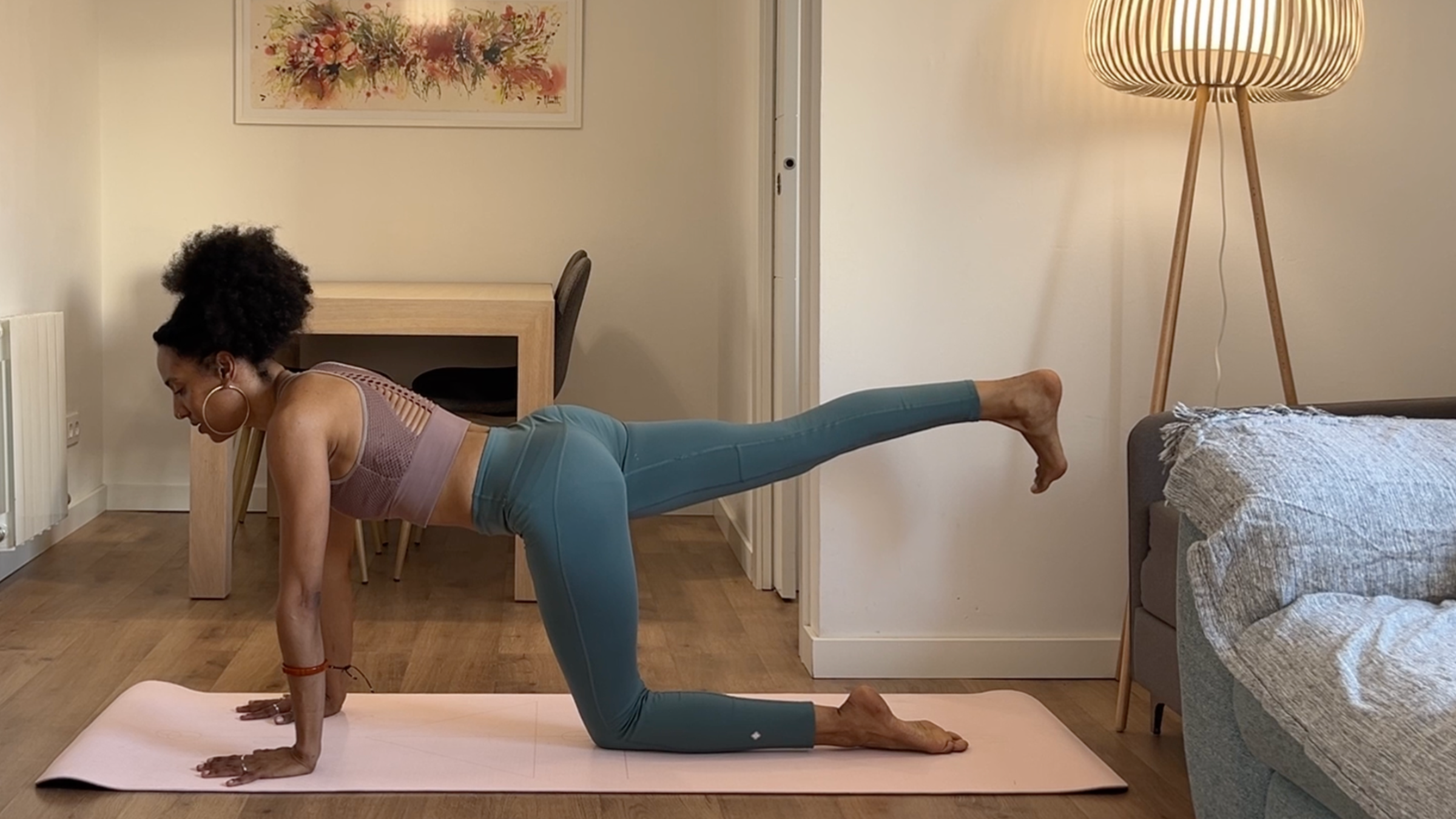
8. Bird Dog Variation
From your hands and knees, extend your right leg back. Pressing into the floor, find a moment of static balance. This challenges your core stability and forces a focused, singular mental state.
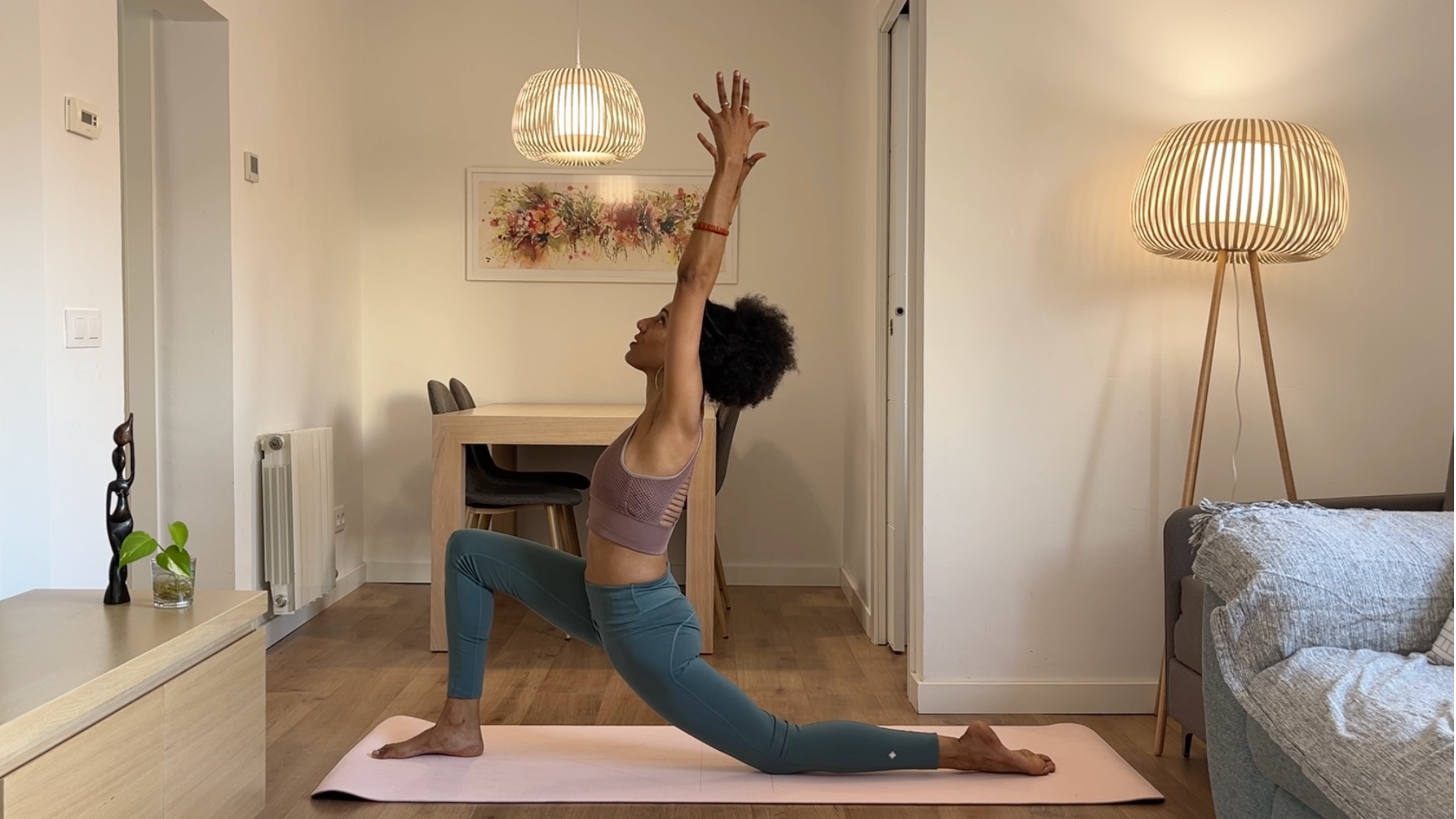
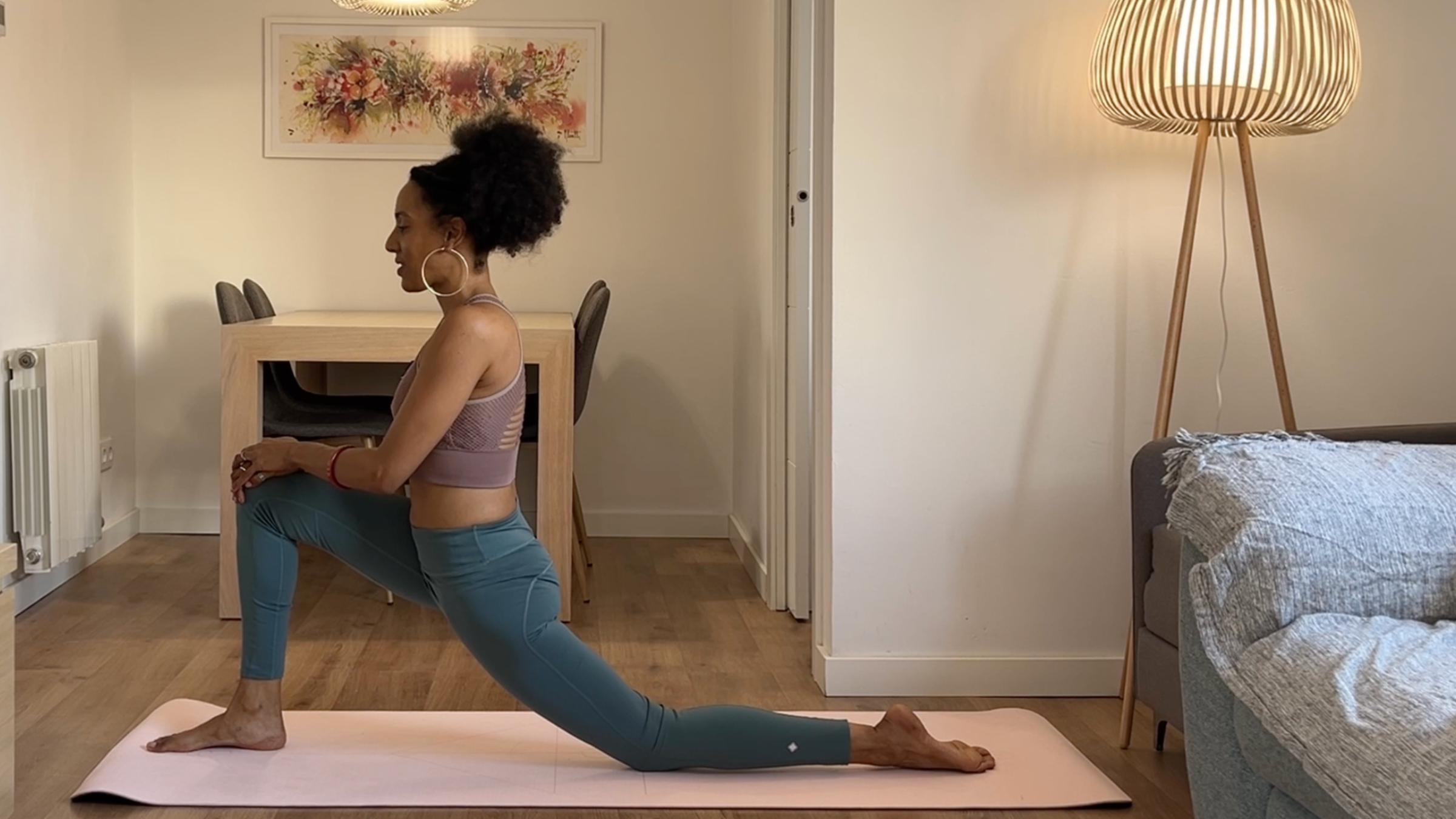
9. Low Lunge (Anjaneyasana)
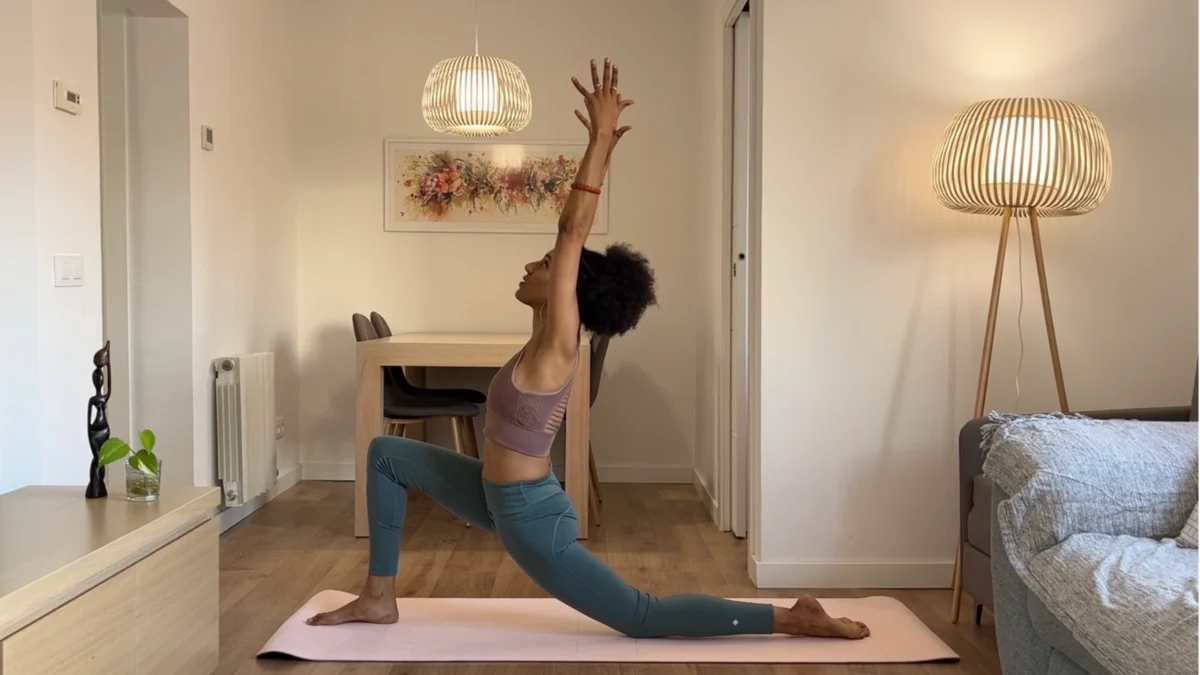
Step your right foot forward between your hands. Place your hands on your thigh to lift your chest. This deep hip-opening posture releases the psoas, a muscle often referred to as the "seat of the soul" because of its tendency to hold emotional tension.
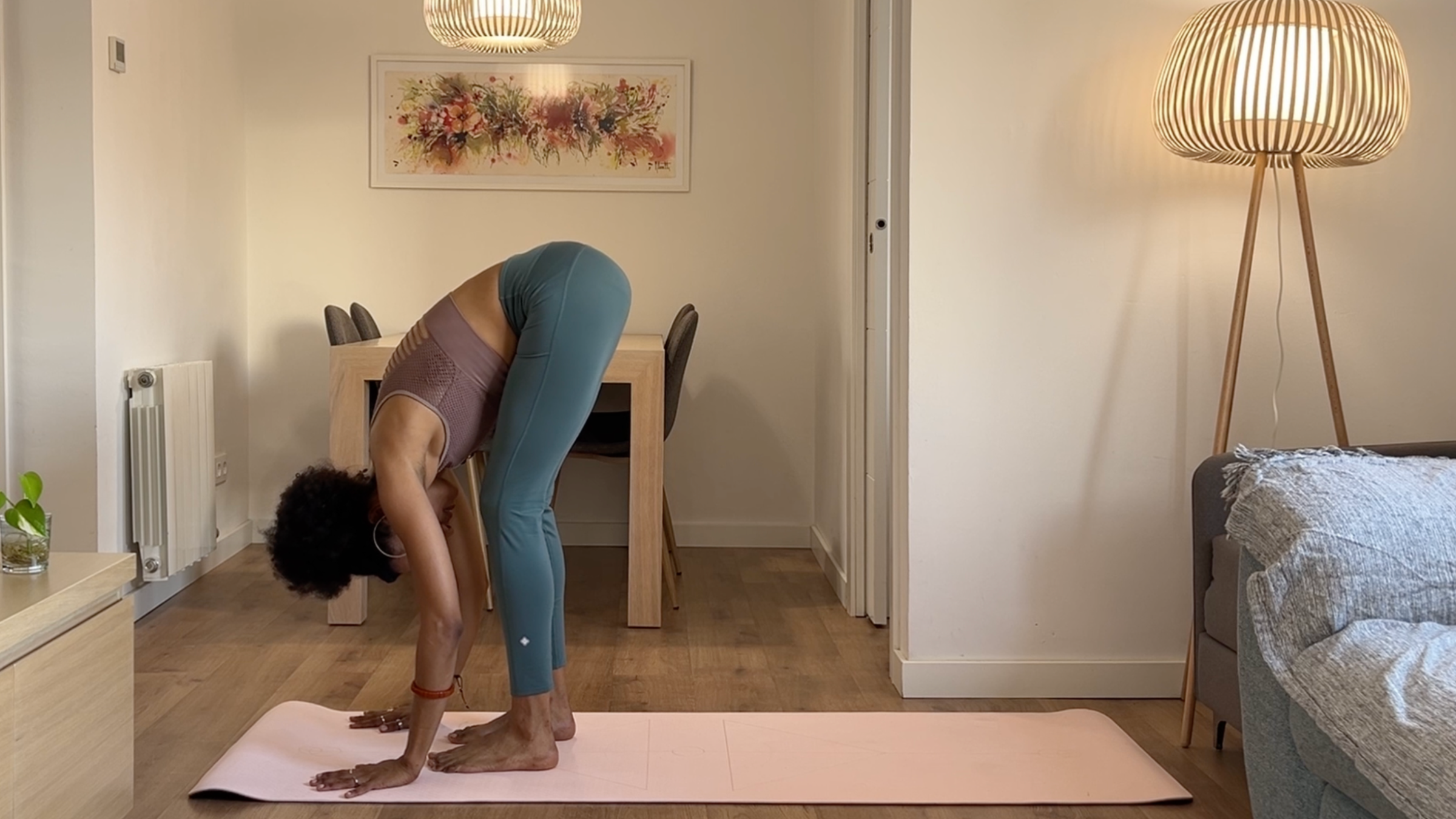
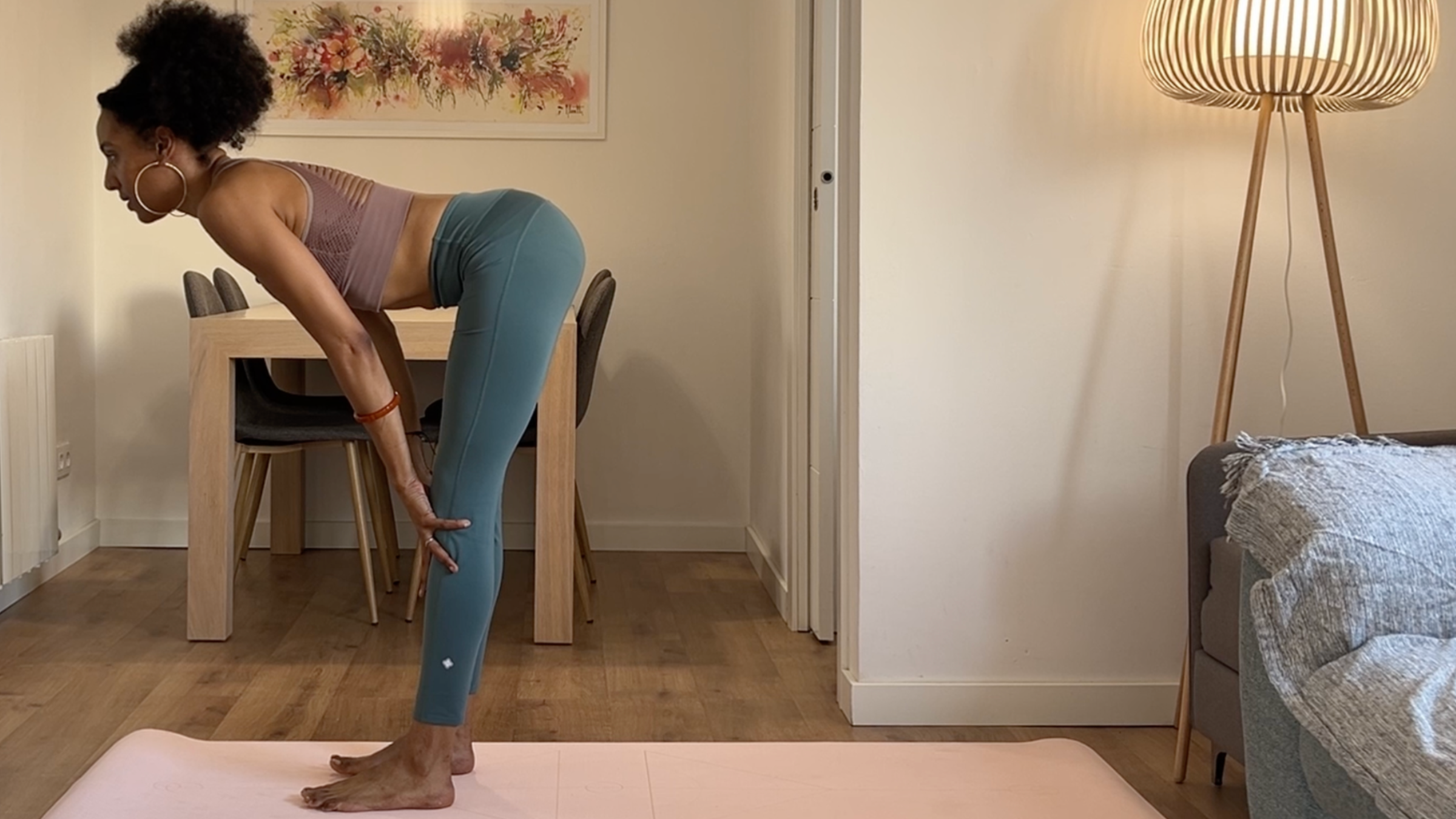
10. Standing Forward Bend (Uttanasana)
Step your feet together at the front of the mat. Let your head hang heavy, releasing the tension in your neck. Swaying side-to-side can help further loosen the lower back.
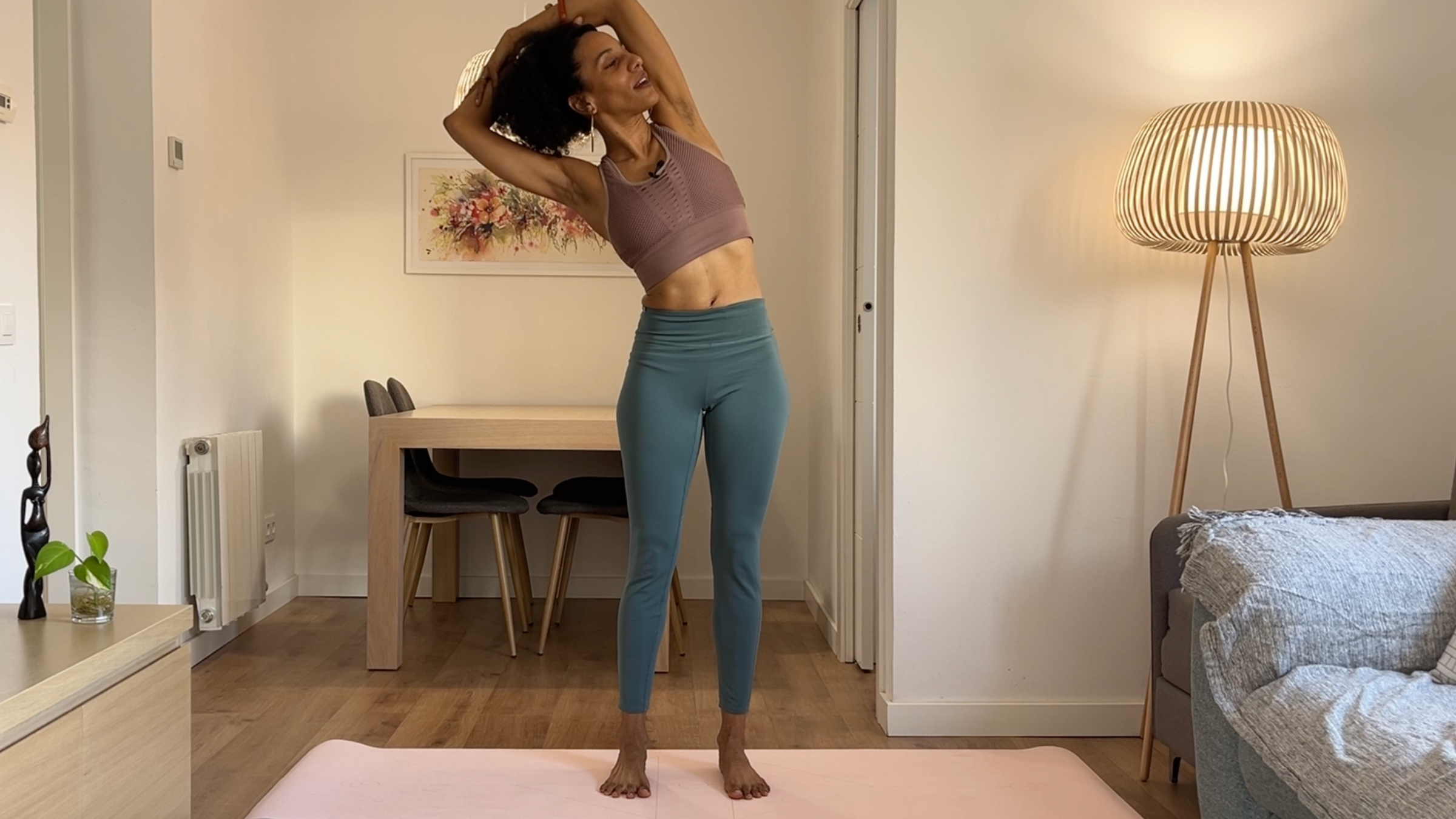
11. Standing Side Stretch
Sweep your arms overhead and grasp opposite elbows. Lean your torso to the right, then the left. This side-body elongation creates space between the ribs, facilitating deeper, more efficient breathing.
12. The Lunge-Flow Sequence
Transition through a series of High or Low Lunges, moving from the floor to standing and back again. If you seek to release excess energy, incorporate Chaturanga and Downward Dog between sides. If you are fatigued, keep the movements slow and fluid.
13. One-Legged Balance to Warrior 3
Standing on your right leg, lift your left foot. Transition slowly into Warrior 3, shifting your weight forward. This requires complete focus, effectively pushing out any lingering thoughts about tomorrow’s schedule.
Phase 4: Final Surrender (25–30 Minutes)
14. Squat Variation
From standing, lower your hips slowly until you reach a seated position. This "slow-motion" descent requires controlled engagement of the core and legs.
15. Bound Angle and Wide-Legged Forward Bends
Seated, bring your soles together and fold forward. Then, extend your legs wide and walk your hands out. These long-held stretches invite the hips to open and the mind to move from active engagement to passive observation.
16. Knees to Chest and Waterfall
Lie on your back, pulling your knees into your chest to soothe the spine. Extend your legs toward the ceiling in Waterfall Pose. Allowing gravity to drain the legs of fluids can be incredibly restorative after a day of standing or sitting.
17. Savasana (Corpse Pose)
Finally, release everything. Extend your limbs, close your eyes, and allow your body to become heavy. Spend 3–5 minutes here in total stillness. This is the most vital part of the practice—the moment where the benefits of your movement are solidified.
Implications for Daily Wellness
The primary implication of a dedicated evening practice is the reclamation of one’s autonomy. By choosing to move, you are not merely exercising; you are participating in a ritual that draws a hard line between "doing" and "being."
Studies in behavioral psychology suggest that rituals—repetitive, intentional acts—are highly effective at reducing anxiety. By performing this flow, you provide your brain with a consistent cue that the workday has concluded. Over time, this helps regulate sleep cycles, reduces the incidence of late-night rumination, and fosters a deeper appreciation for the physical vessel that carries you through the day’s challenges.
Ultimately, yoga is not about the shapes you make, but the space you create within yourself. Whether you feel energized or exhausted, showing up for these 30 minutes is a profound act of self-care—a quiet promise that no matter how intense the world feels, you have the power to return to your center.