







In the high-stakes environment of lung transplantation, the window between a physiological change and a life-threatening complication can be razor-thin. For decades, the gold standard for monitoring these patients has been the episodic clinical visit—a model that is increasingly strained by workforce shortages, the geographical distance between patients and specialized centers, and the inherent volatility of post-surgical recovery.
A groundbreaking observational study published on April 16, 2026, by researchers at the Mayo Clinic, offers a compelling glimpse into the future of transplant medicine. By integrating Remote Patient Monitoring (RPM) into the follow-up care of lung transplant recipients, the study demonstrates that digital health tools can move the needle on early detection and patient safety. However, the path to widespread adoption remains fraught with operational hurdles that healthcare systems must navigate to turn promise into practice.
Main Facts: The Mayo Clinic Findings
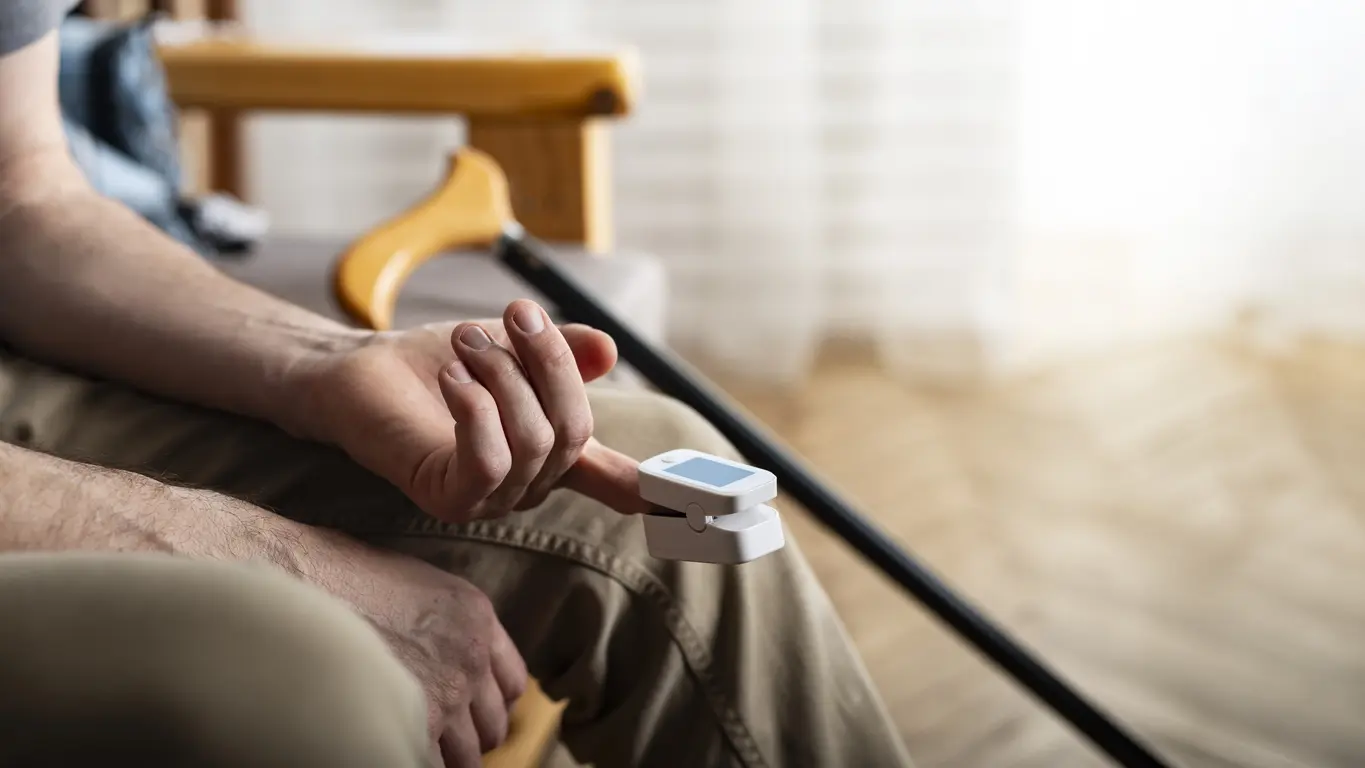
The Mayo Clinic study evaluated a specialized RPM program designed to bridge the gap between hospital discharge and long-term recovery. Lung transplant recipients—a population uniquely susceptible to organ rejection, opportunistic infections, and rapid respiratory decline—were equipped with digital tools to transmit daily clinical data, including vital signs and home-based spirometry (a measure of lung function).
The research focused on three core areas: the feasibility of patient adherence to these protocols, the ability of clinicians to manage high-frequency data, and the tangible impact on clinical outcomes. The study’s primary takeaway is that RPM is not merely an auxiliary service; it acts as a proactive surveillance layer that identifies physiological shifts long before they manifest as severe symptoms requiring emergency intervention. By centralizing this data, care teams—led by dedicated remote monitoring nurses—can escalate concerns to transplant specialists with unprecedented speed.
Chronology: The Evolution of Digital Transplant Surveillance
The trajectory of this research mirrors the broader evolution of digital health over the last decade.
- Pre-2020 Era: Transplant care was strictly siloed within brick-and-mortar facilities. Patients traveled long distances for routine check-ups, often leaving significant periods of time where their health status was "invisible" to their care teams.
- The 2020–2024 Acceleration: The global pandemic forced a rapid, often reactive, adoption of telehealth. During this period, the infrastructure for remote care was built in haste, focusing on basic video consultations.
- 2025–2026 Refinement: The focus shifted from mere connectivity to "clinical intelligence." The Mayo Clinic’s latest study represents this maturity, moving toward a model where patient-generated data (PGD) is seamlessly integrated into the Electronic Health Record (EHR) to provide actionable insights.
- April 16, 2026: The official publication of the Mayo Clinic findings marks a turning point, providing the empirical backbone required for health systems to justify the investment in RPM infrastructure for high-acuity patients.
Supporting Data: The Case for Continuous Monitoring
The data supporting the integration of RPM is robust. In the context of lung transplantation, traditional episodic follow-up is inherently "blind" to the day-to-day fluctuations of the patient. The Mayo study highlights that RPM programs effectively reduce this "blind spot" by providing a longitudinal view of patient health.
When analyzing the patient population, the researchers found that consistent transmission of spirometry data allowed for the early identification of sub-clinical rejection. In the past, such indicators might have gone unnoticed until the patient presented with acute dyspnea (shortness of breath) or fever. Furthermore, the study noted that the high volume of alerts generated by the RPM system did not lead to the expected "alarm fatigue" typically seen in general ward settings. Because the patient population is highly specialized and the care team is trained in transplant-specific triage, the data became a mechanism for precision medicine rather than a source of administrative noise.
Operational Challenges: The "Hidden" Costs of Implementation
Despite the clinical success, the Mayo Clinic investigators were candid about the barriers to scaling these programs. The successful deployment of an RPM initiative is not as simple as handing a patient a wearable device. It requires a sophisticated "ecosystem" of support.
1. Workflow Integration and Data Triage
One of the most significant challenges identified is the burden of data management. Without a dedicated digital health team—nurses and coordinators tasked solely with filtering incoming alerts—the sheer volume of data can overwhelm already strained clinical staff. The study emphasizes that for RPM to work, it must be embedded into the clinical workflow, not layered on top of it.
2. The Digital Divide
Access to technology remains a critical concern. Inconsistent internet connectivity and varying levels of digital literacy can create disparities in patient care. If an RPM program relies on high-speed internet or sophisticated smartphone interfaces, it may inadvertently exclude the most vulnerable patients, thereby exacerbating existing health inequities.
3. Interoperability and Regulatory Uncertainty
Technical interoperability remains a stubborn barrier. Data must flow seamlessly from the home device to the EHR. Currently, the lack of standardized protocols for "patient-generated health data" means that many health systems struggle to harmonize data from diverse wearable platforms, such as those produced by Apple, Fitbit, or medical-grade sensors. Furthermore, the regulatory environment is in a state of flux. Policymakers have yet to reach a consensus on reimbursement models for long-term remote monitoring, leaving health systems to wonder about the financial sustainability of these high-tech programs.
Implications for Healthcare Systems
The implications of the Mayo Clinic research extend far beyond the niche of transplant medicine. As health systems grapple with a shrinking workforce—a trend projected by the Health Resources and Services Administration (HRSA)—the need for "force multiplier" technologies is becoming an existential priority.
Reducing Hospitalizations and Readmissions
By identifying complications in their nascent stages, RPM programs offer a pathway to reducing costly hospitalizations. For a lung transplant recipient, a single preventable readmission can cost tens of thousands of dollars and carry significant mortality risks. If RPM can avert even a small percentage of these events, the Return on Investment (ROI) becomes clear.
The Shift to Proactive Care Models
The Mayo Clinic study is part of a broader shift toward proactive, data-driven patient management. The World Health Organization (WHO) has recognized this transition as a critical strategy for improving global healthcare access. The transition from reactive care (treating the sick) to proactive surveillance (preventing the decline of the stable) is the defining challenge of modern medicine.
Addressing Clinician Burnout
A central concern in digital health is the potential for increased clinician fatigue. However, the study provides a vital nuance: when RPM is used for high-risk patients with clear, clinically relevant data points, it can actually reduce anxiety and administrative burden. By giving clinicians a more accurate picture of a patient’s status, they can make decisions with greater confidence, potentially reducing the need for unnecessary in-person visits and urgent calls.
Conclusion: The Path Forward
The Mayo Clinic’s 2026 study underscores that the future of transplant care is increasingly remote, but it also serves as a sobering reminder that technology is only as effective as the infrastructure that supports it. To realize the full potential of digital health, health systems must move beyond the pilot phase. This requires a three-pronged approach:
- Investment in Human Infrastructure: Hiring and training dedicated staff to manage the influx of digital data.
- Standardization of Data: Working with regulators and tech developers to ensure that patient-generated data is interoperable and clinically meaningful.
- Policy Support: Advocating for sustainable reimbursement models that value the prevention of complications as much as the treatment of illness.
As we look toward the remainder of the decade, the integration of RPM into transplant medicine will likely serve as a blueprint for other high-acuity specialties, such as oncology, cardiology, and neurology. While the operational challenges are substantial, the evidence suggests that the ability to "see" the patient at home is no longer a luxury—it is a medical necessity for the modern age. The transition to a remote-monitored future is not just a technological upgrade; it is a fundamental redesign of the patient-provider relationship, one that promises a safer, more responsive, and more equitable healthcare system for the most vulnerable among us.